
Physiotherapy Services
Concussion Management
Concussion isn’t something to “just push through.” It's not just a knock to the head, it’s a brain injury.
How we manage concussion early on can have a real impact on both short-term recovery and long-term brain health. At Active Balance, concussion management is taken seriously. The focus is on thorough assessment, targeted rehabilitation, and a safe, structured return to activity, not guesswork.
Concussion Rehabilitation
Assessment, Treatment & Safe Return to Sport
This isn’t something to “just push through.”
A concussion is not just a knock to the head, it’s a brain injury.
How we manage concussion early on can have a real impact on both short-term recovery and long-term brain health.
At Active Balance, concussion management is taken seriously. The focus is on thorough assessment, targeted rehabilitation, and a safe, structured return to activity, not guesswork.
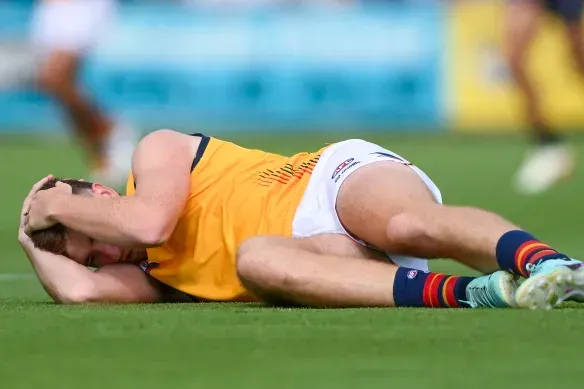
What is a concussion?
A concussion is a mild traumatic brain injury that can affect:
- Balance and coordination
- Vision and eye tracking
- Reaction time and thinking speed
- Neck function
- Overall brain performance
Even if symptoms seem mild, they can persist or evolve if not properly managed.
Common symptoms that can come with concussion:
- Headaches
- Dizziness or vertigo
- Balance issues
- Brain fog or difficulty concentrating
- Sensitivity to light or noise
- Neck pain or stiffness
These symptoms often involve a combination of the brain, vestibular system, and cervical spine
What do the current AFL guidelines say?
The AFL concussion guidelines emphasise that:
- No same-day return to play
- A minimum stand-down period is required (generally 3 weeks for local level sport)
- A graduated return-to-sport program must be completed
- Medical clearance is essential, and to be based on proper assessment, not just symptom reporting
These guidelines exist because concussion is a brain injury, and more research & reports are coming out showing the risks of getting it wrong are significant.
Why proper concussion management matters...
It’s common to hear advice like “just rest” or “you’ll be fine in a few days.”
In the past, concussion was often managed with a simple approach: wait a week or two, say symptoms had settled, get a quick clearance, and return to sport.
We now know this approach is outdated, risky, and potentially dangerous.
Modern concussion guidelines, including those from the AFL, have shifted significantly to prioritise brain health and long-term outcomes.
Returning to sport or activity too early can increase the risk of:
- Prolonged symptoms (headaches, dizziness, brain fog, memory issues)
- Delayed or incomplete recovery
- Reduced reaction time and decision-making
- Re-injury during a vulnerable period
More importantly, repeated or poorly managed concussions have been linked to:
- Long-term cognitive changes
- Increased risk of early-onset dementia
- Chronic Traumatic Encephalopathy (CTE) in high-risk populations
Concussion isn’t something to guess or rush. It needs to be assessed properly and progressed step-by-step.
Our Approach to Concussion Management:
1. A thorough, no-guesswork assessment
Every concussion is different, which is why assessment is comprehensive.
This may include:
- Symptom review
- Balance and coordination testing
- Vestibular (dizziness) assessment
- Eye tracking and visual testing
- Reaction time and cognitive tasks
- Cervical spine assessment
This allows identification of exactly what is driving symptoms, rather than using a one-size-fits-all approach.
2. Targeted rehabilitation (not just rest)
Resting alone isn’t enough for many people.
Rehabilitation is tailored and may include:
- Vestibular physio for dizziness and balance
- Gradual return-to-exercise programs
- Vision and eye movement retraining
- Neck treatment and cervical proprioception training
- Guidance around pacing and load management
3. Advanced neck & balance retraining
We also use laser headlamp therapy to retrain:
- Head and neck control
- Proprioception (body awareness)
- Balance and movement accuracy
This is particularly helpful for:
- Ongoing or lingering concussion symptoms
- Dizziness linked to the neck
- Athletes preparing for return to sport
It provides real-time feedback to help restore normal movement and confidence. For more information, click
here.
4. A safe, structured return to activity
Returning to sport or activity too soon is one of the biggest risks after concussion.
A step-by-step return-to-play or return-to-work plan is used to:
- Gradually reintroduce load
- Monitor symptoms closely
- Reduce the risk of setbacks or re-injury
5. Testing & GP-supported medical clearance
Before returning to sport or higher-risk activity:
- Objective testing is completed
- Progress is clearly documented
- A detailed report is prepared
- Collaboration with your GP ensures formal medical clearance
This provides a safe, accountable, and well-documented return, not a rushed one.
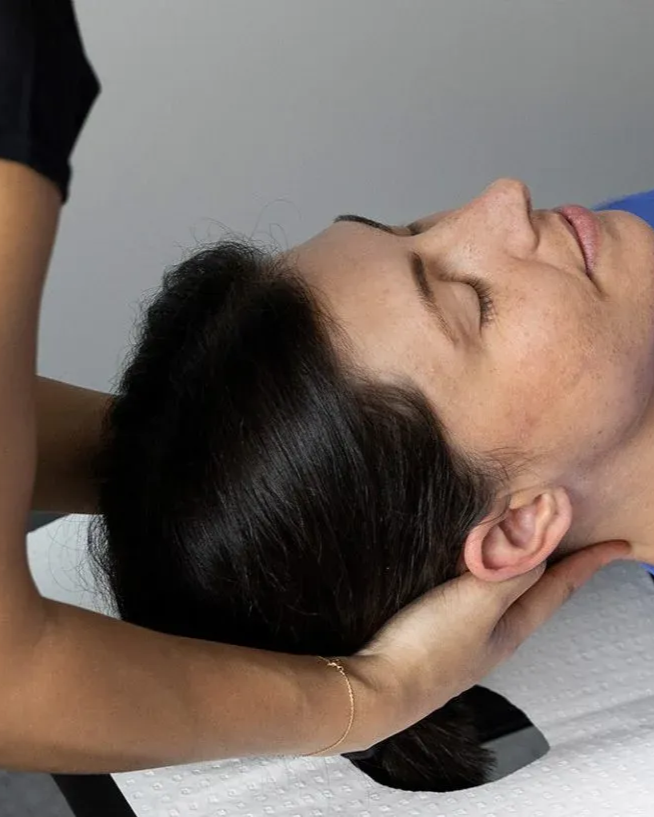
Our goal:
- Protect short and long-term brain health
- Reduce symptoms and recovery time
- Address all contributing systems (brain, vestibular, neck)
- Support a safe, confident return to sport and life
We get it, nobody wants to be sidelined for a prolonged period. This is why many players don’t report concussion symptoms as they are keen to play. However, with more and more information at hand to show the long and short term risks of poor concussion management, we are focussed on safety and preventing further issues,
Not sure if it’s a concussion?
If something feels “off” after a head knock, even if it seems mild, it’s worth getting assessed.
Early, appropriate management can make a significant difference to recovery and long-term outcomes.
Don’t guess. Don’t push through. Get it properly assessed.
Other Physiotherapy Services Available at Active Balance
Vertigo & BPPV Treatment
Treatment for dizziness and vertigo with targeted, evidence-based treatment.
Athlete Tune Up
Hands-on treatment to reduce tension, address imbalances, and help you train and recover better.
Supervised Injury Rehab
Tailored rehab in our fully equipped gym to restore movement, strength, and confidence.
Running Assessments
Comprehensive running analysis to help you move better, run further, and reduce injury risk
Return to Sport Testing
Advanced testing with VALD ForceDecks & Dynamo to ensure you’re ready to return safely
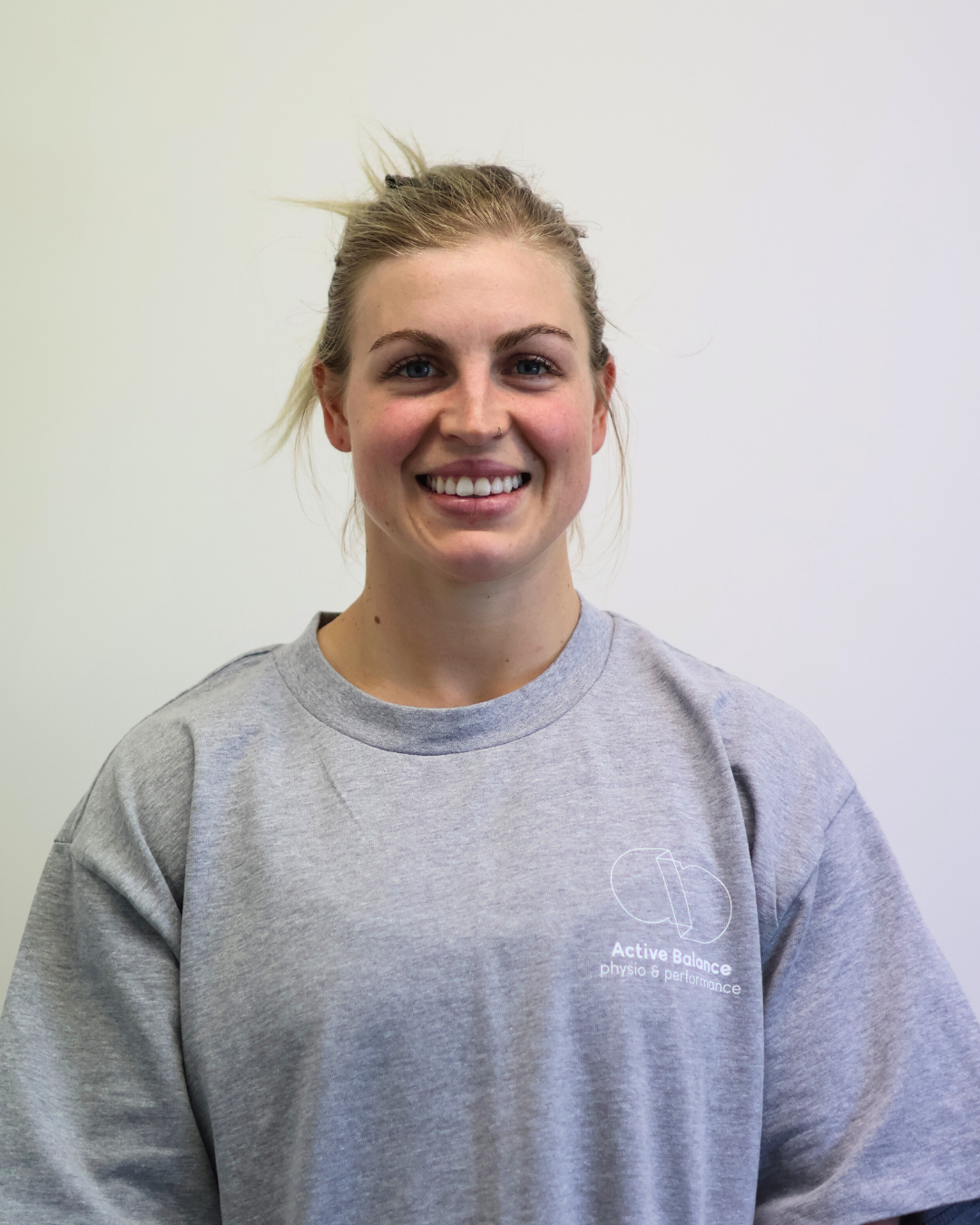
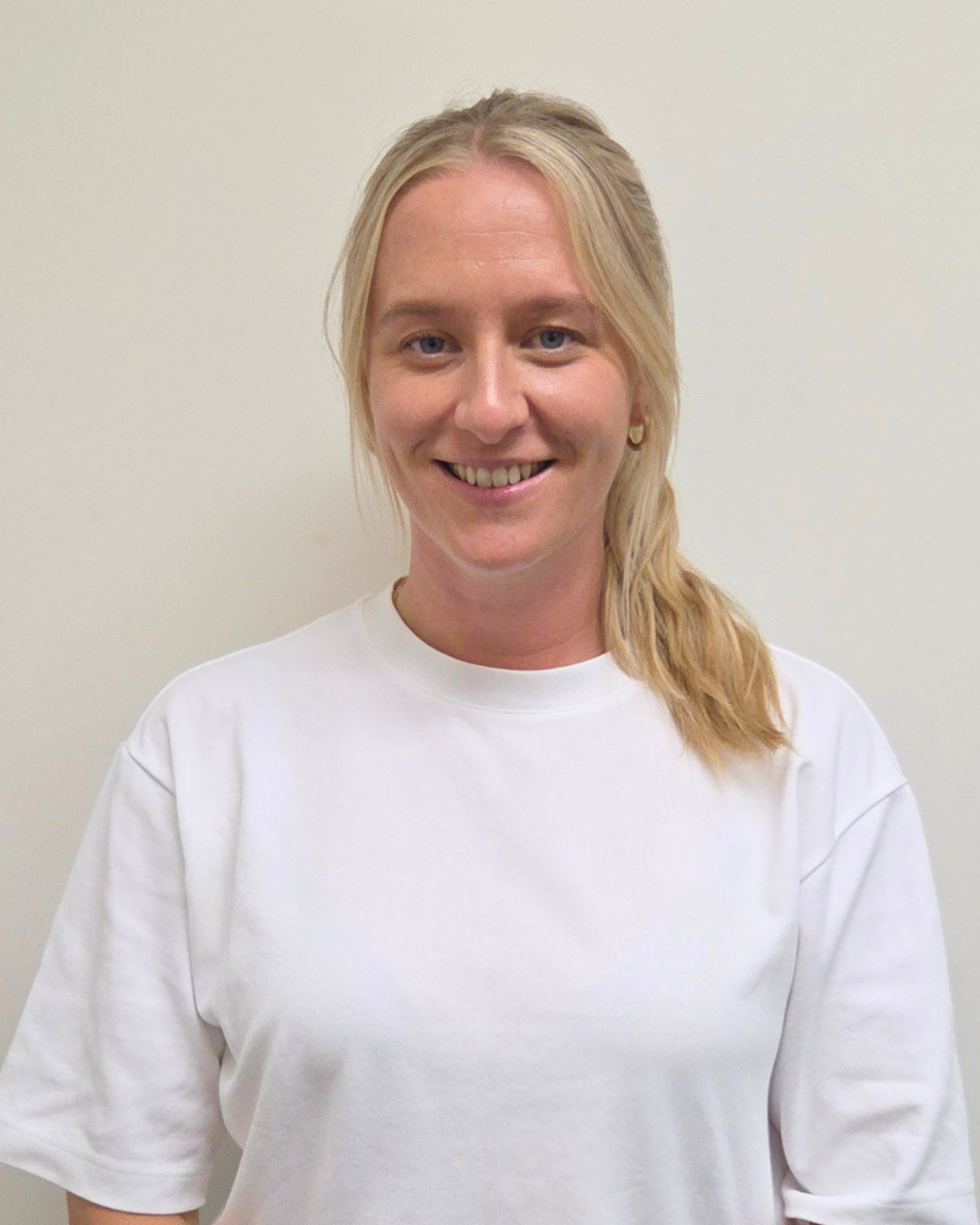
Emily Clements
Physiotherapist
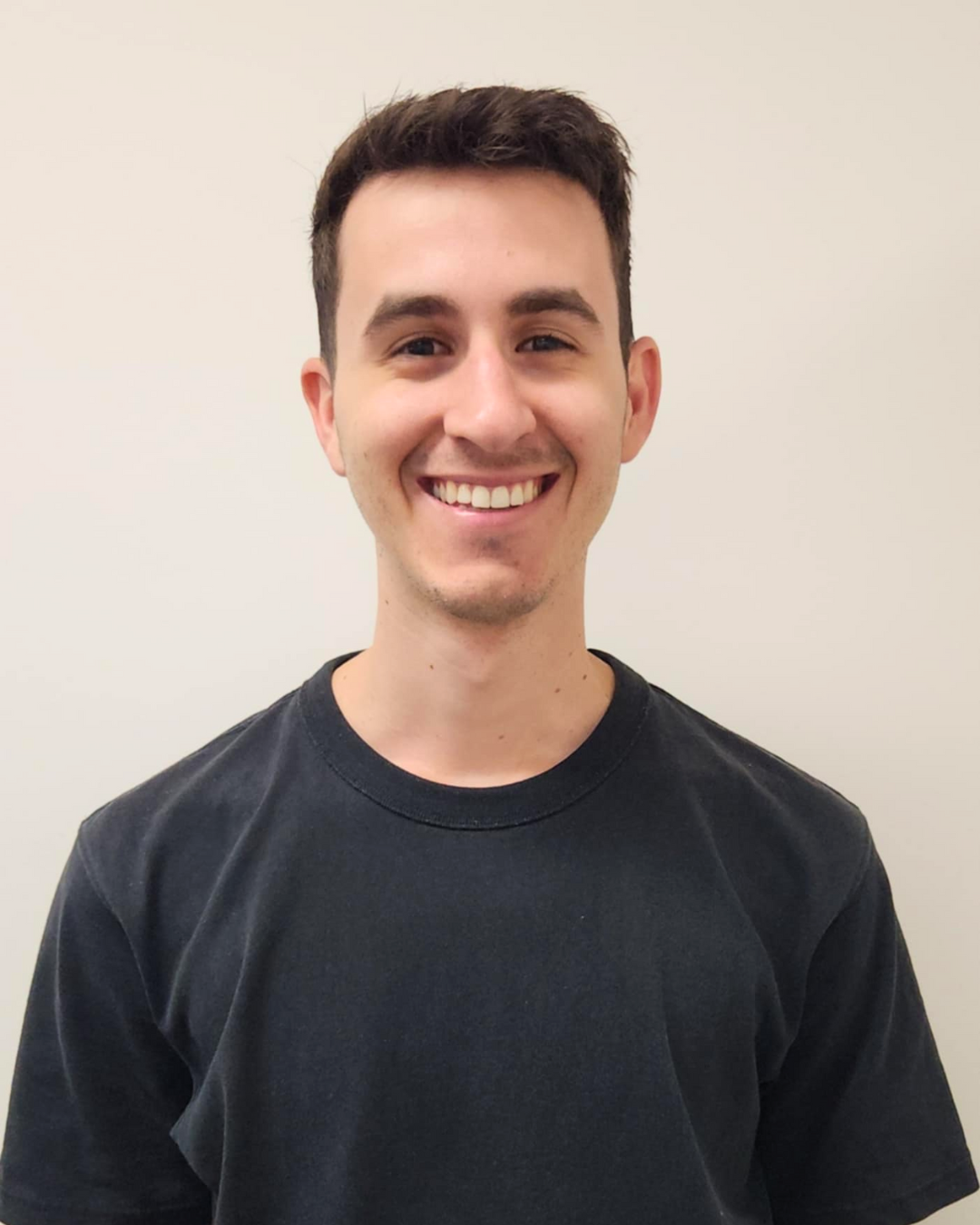
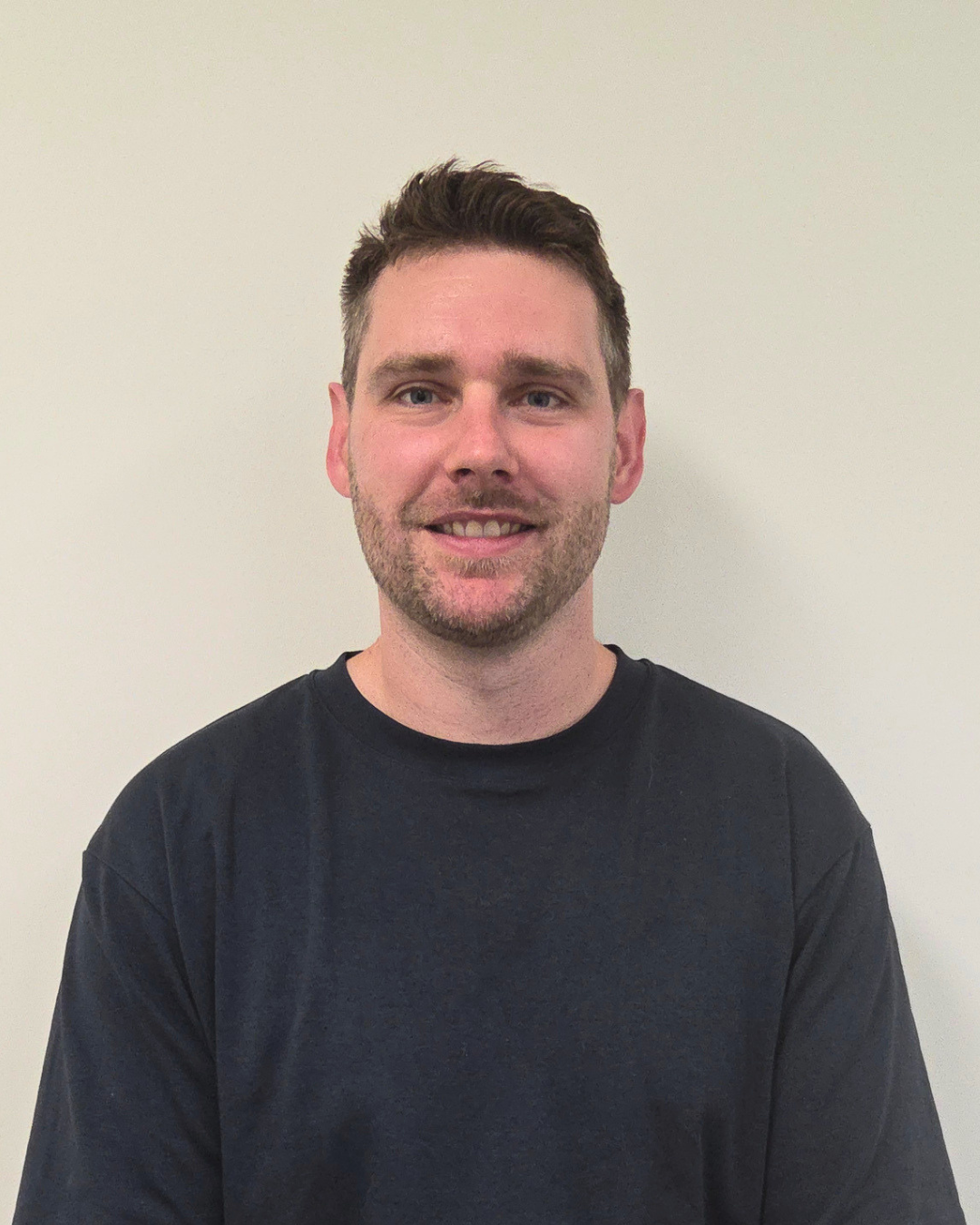
Alexander Muscat
Physiotherapist
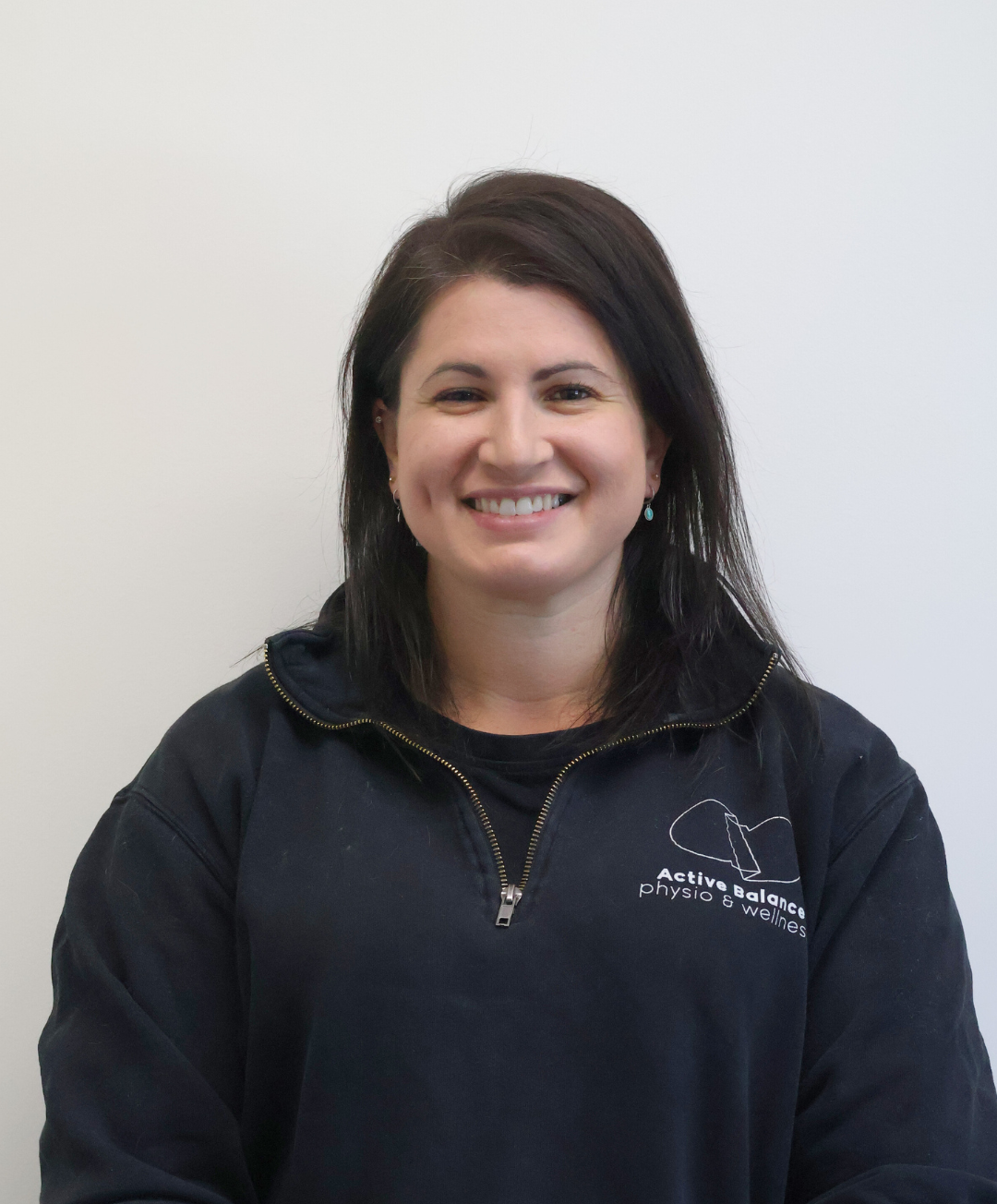
Talia Alt
Physiotherapist