
Physiotherapy Services
Manual Therapies
Hands-on treatment to reduce pain, improve movement, and support recovery
Our physiotherapists use a range of manual therapy techniques to help relieve pain, reduce muscle tension, and restore normal movement. We often prioritise these treatments early in the rehab process help settle symptoms quickly. Then we can then focus on building strength, improving movement, and preventing future issues.
Our physios take a hands-on, manual therapy–focused approach to care. We prioritise treatment to settle pain and symptoms first, so you can move more comfortably and get the most out of your rehab. From there, we can guide you through the right exercises and movement strategies for long-term results.
Myofascial Cupping
Myofascial cupping uses suction cups to create a vacuum effect on the skin, lifting and separating layers of fascia and muscle. This helps to improve circulation, reduce tension, and increase range of motion.
It’s often combined with other hands-on treatments, such as massage or manual therapy, to support recovery and enhance results.
It’s commonly used for:
- Tight or overworked muscles
- Post-exercise recovery
- Persistent areas of stiffness
Joint Mobilisation
Joint mobilisation is a manual therapy technique that works by moving a joint through its natural range of motion. This helps address stiffness, restricted movement, or discomfort caused by injury, inflammation, or other musculoskeletal conditions.
How It Works:
Slow, controlled, movements are used to target affected joints. This technique differs from joint manipulation, which involves a quick, high-velocity thrust. Joint mobilisation is gentler and focuses on gradually improving movement, making it suitable for those recovering from injury, experiencing pain, or needing a careful approach to joint function.
Benefits of Joint Mobilisation:
- Improved joint mobility in stiff or restricted joints.
- Reduced discomfort caused by joint dysfunction or abnormal movement patterns
- Helps restore normal movement patterns by encouraging smooth, coordinated movement of joints and surrounding tissues.
- Safe and gradual – mobilisation offers a controlled approach for sensitive joints or during early rehab stages.
Trigger Point Therapy
Trigger point therapy, also known as myofascial trigger point therapy or trigger point massage, is a hands-on treatment that targets tight knots or “trigger points” within muscles. These areas of tension can be painful, sensitive, and sometimes refer discomfort to other parts of the body.
By applying sustained pressure to the affected points, this helps to ease the muscle tension, reduce pain, and restore normal movement. The therapist monitors the tissue closely, applying the pressure until the muscle softens and relaxes, promoting better overall muscle function.
Dry needling uses fine needles to target tight muscles and trigger points. This can help release tension, reduce pain, and improve muscle function. It’s commonly used for persistent tightness and musculoskeletal pain.
Helpful for:
- Sports injuries
- Chronic muscular pain
- Ongoing muscle tightness
Myofascial Release
Myofascial release involves applying sustained pressure to tight or restricted fascia (connective tissue). This can help release tension, improve flexibility, and restore normal movement. It’s commonly used for general stiffness and reduced mobility.
Helpful for:
- Muscle tightness and stiffness
- Reduced flexibility
- Ongoing muscular discomfort
Electro Dry Needling
Electro dry needling involves attaching electrode cables to end of fine needles, which are attached to electrical stimulation machine. This sends an electric impulse through the needle, into the tissue, and can be excellent for reducing pain and sensitivity.
The addition of electrical stimulation (e-stim) helps to enhance the treatment pain relieving effect of dry needling. E-stim helps to stimulate blood flow and provide pain relief, often providing long-term relief of symptoms. The increased blood circulation also promotes the delivery of nutrients to tissues, accelerating the healing process.
What can it help with?
Electro dry needling can help treat a huge range of conditions including:
- Neuropathy, sciatica
- Spasm, strains, cramping, trigger points, tightness
- Sprains, arthritis, joint stiffness, disc pathologies, tendinitis
Instrument Assisted Soft Tissue Mobilisation (IASTM)
IASTM is a hands-on manual therapy technique using specialised tools to target muscles, fascia, and connective tissue. It works by stimulating the nervous system to reduce tension, improve movement, and support functional recovery.
While it may look intense, IASTM is generally not painful and is safe, gentle, and well-tolerated if done correctly.
Benefits of IASTM:
- Pain Relief
- Improved Movement
- Supports Recovery
- Restores Function
- Safe and Reassuring
When combined with strengthening, stretching, and other manual therapies, IASTM can help you move more freely, reduce pain, and support long-term recovery.
Frequently Asked Questions
Is manual therapy safe?
Yes. All techniques are performed by qualified physiotherapists and tailored to your comfort level, condition, and stage of recovery. Your physio will be able to advise on any techniques that may be aggravating or inappropriate for you & your injury.
Will treatment be painful?
Most techniques are comfortable, though some may feel slightly intense, particularly when treating tight or sensitive areas. Your physio will always adjust based on your tolerance.
Do I need dry needling or cupping to get results?
No, no necessarily. These are just tools. Your treatment is tailored to you, and we’ll only use techniques that are appropriate and beneficial for your condition, and that you are comfortable with.
How many sessions will I need?
This depends on your injury, how long it’s been present, and your goals. Some people feel relief quickly, while others benefit from a structured rehab plan or maintenance schedule.
Is manual therapy enough on its own?
Manual therapy can be great for short-term relief, but the best long-term results come from combining it with exercise, strength work, and movement retraining.
What should I expect after treatment?
You may feel immediate relief, or sometimes mild soreness (similar to post-exercise soreness) for 24–48 hours. This is normal and usually settles quickly. If you’ve had cupping treatment, it’s common to see some areas of bruising or marking, however these will usually fade within a few days.
Ready to Get Started?
Book an appointment with one of our experienced physiotherapists today.
Other Physiotherapy Services Available at Active Balance
Vertigo & BPPV Treatment
Treatment for dizziness and vertigo with targeted, evidence-based treatment.
Supervised Injury Rehab
Tailored rehab in our fully equipped gym to restore movement, strength, and confidence.
Running Assessments
Comprehensive running analysis to help you move better, run further, and reduce injury risk
Return to Sport Testing
Advanced testing with VALD ForceDecks & Dynamo to ensure you’re ready to return safely
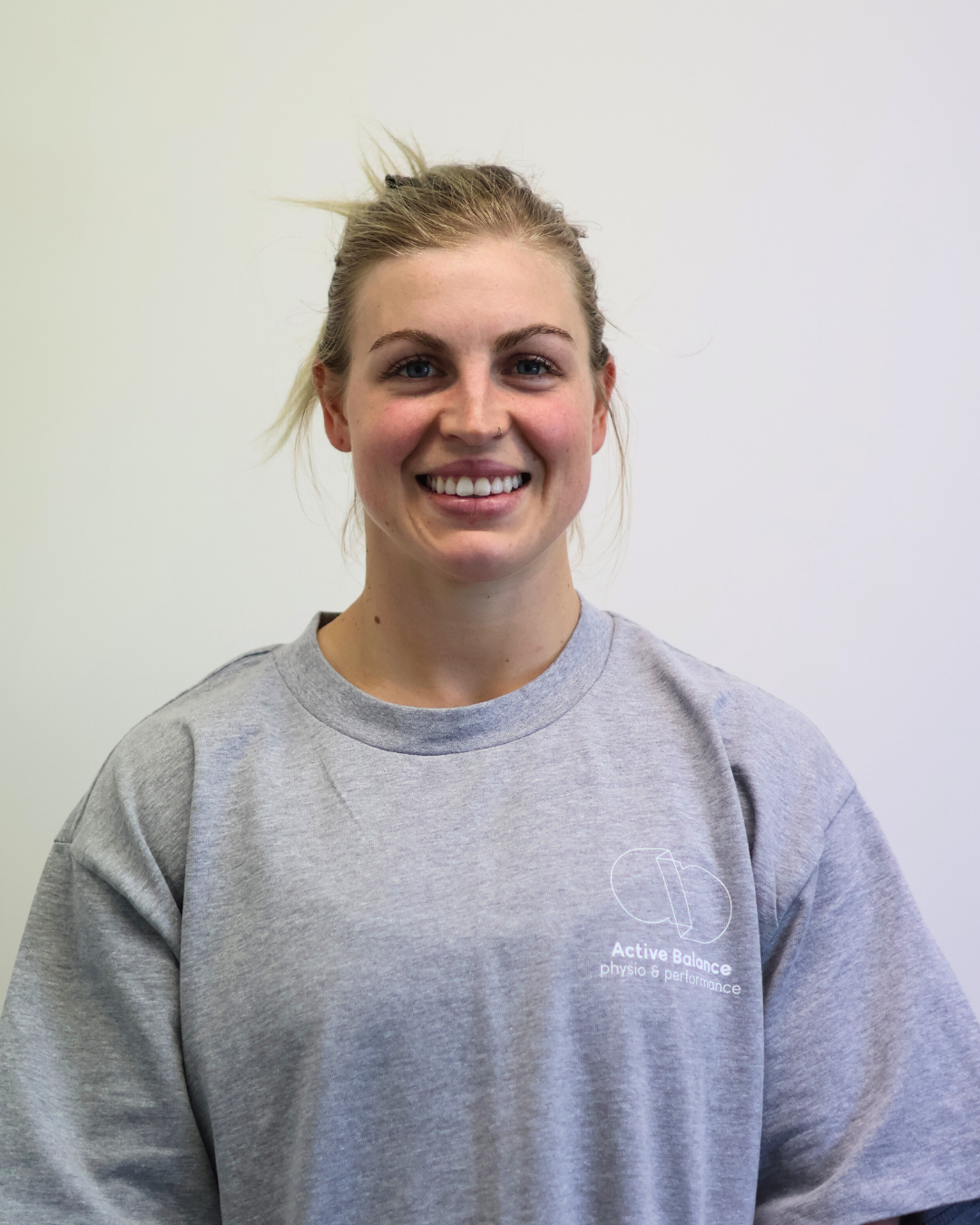
Emily Clements
Physiotherapist
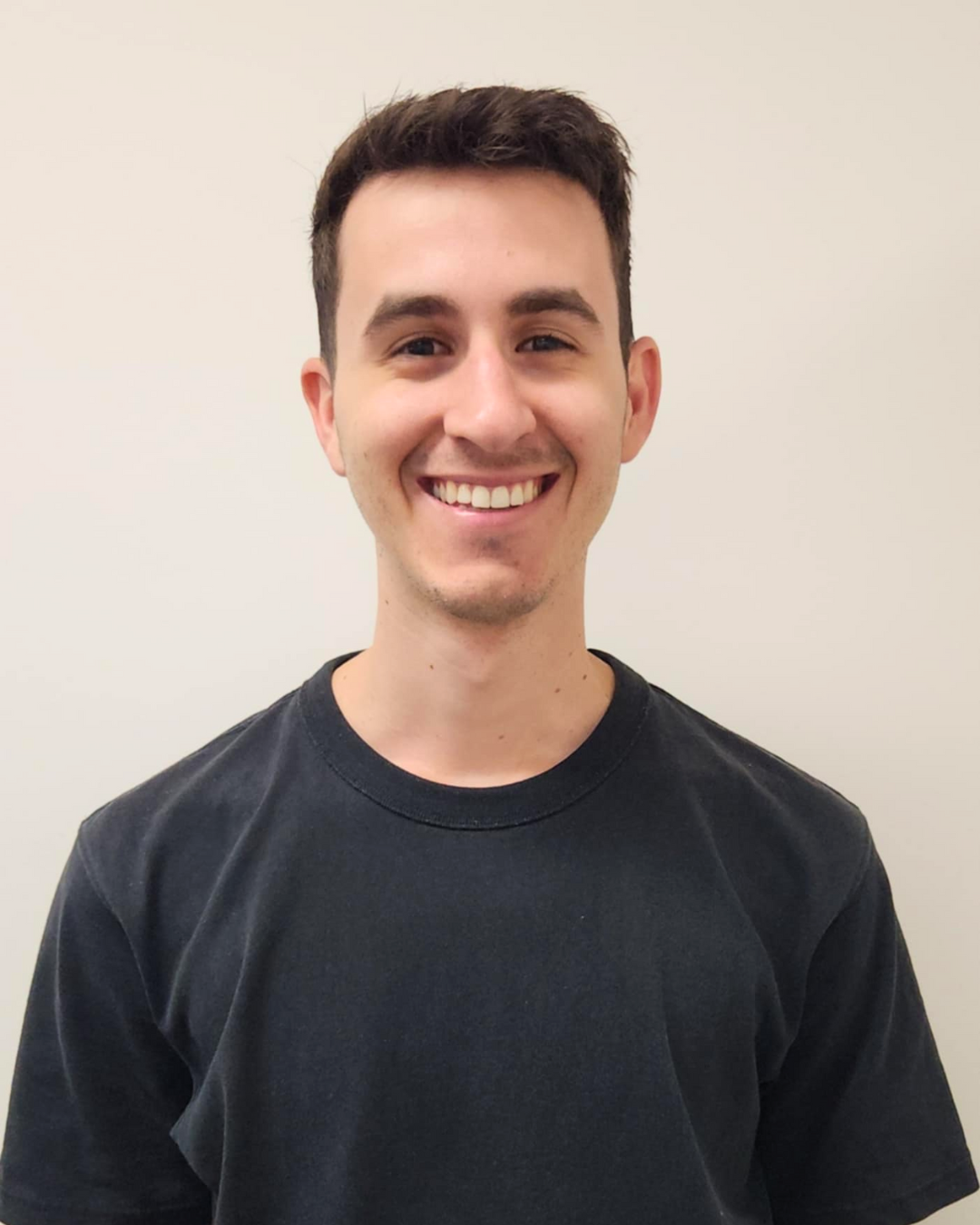
Alexander Muscat
Physiotherapist
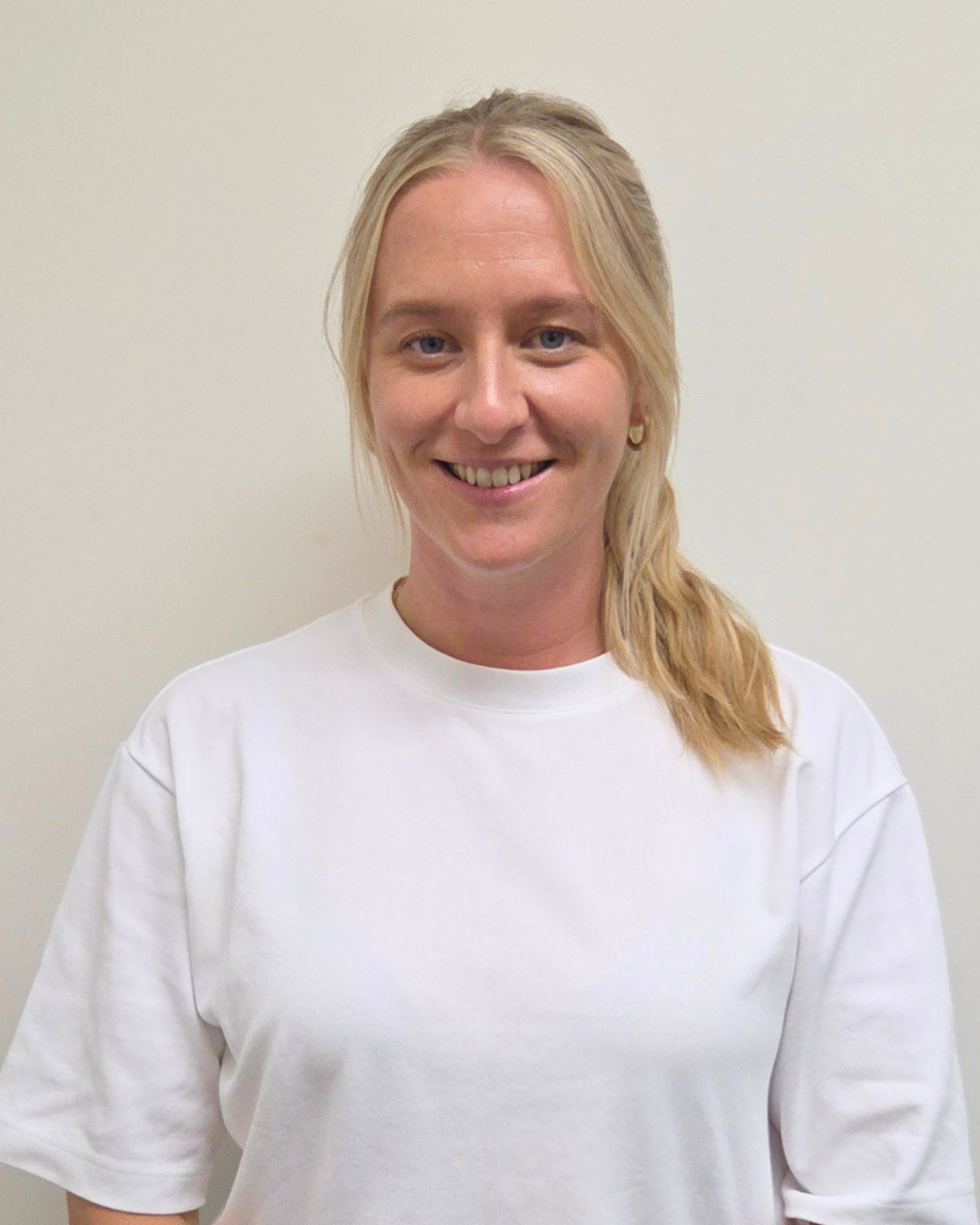
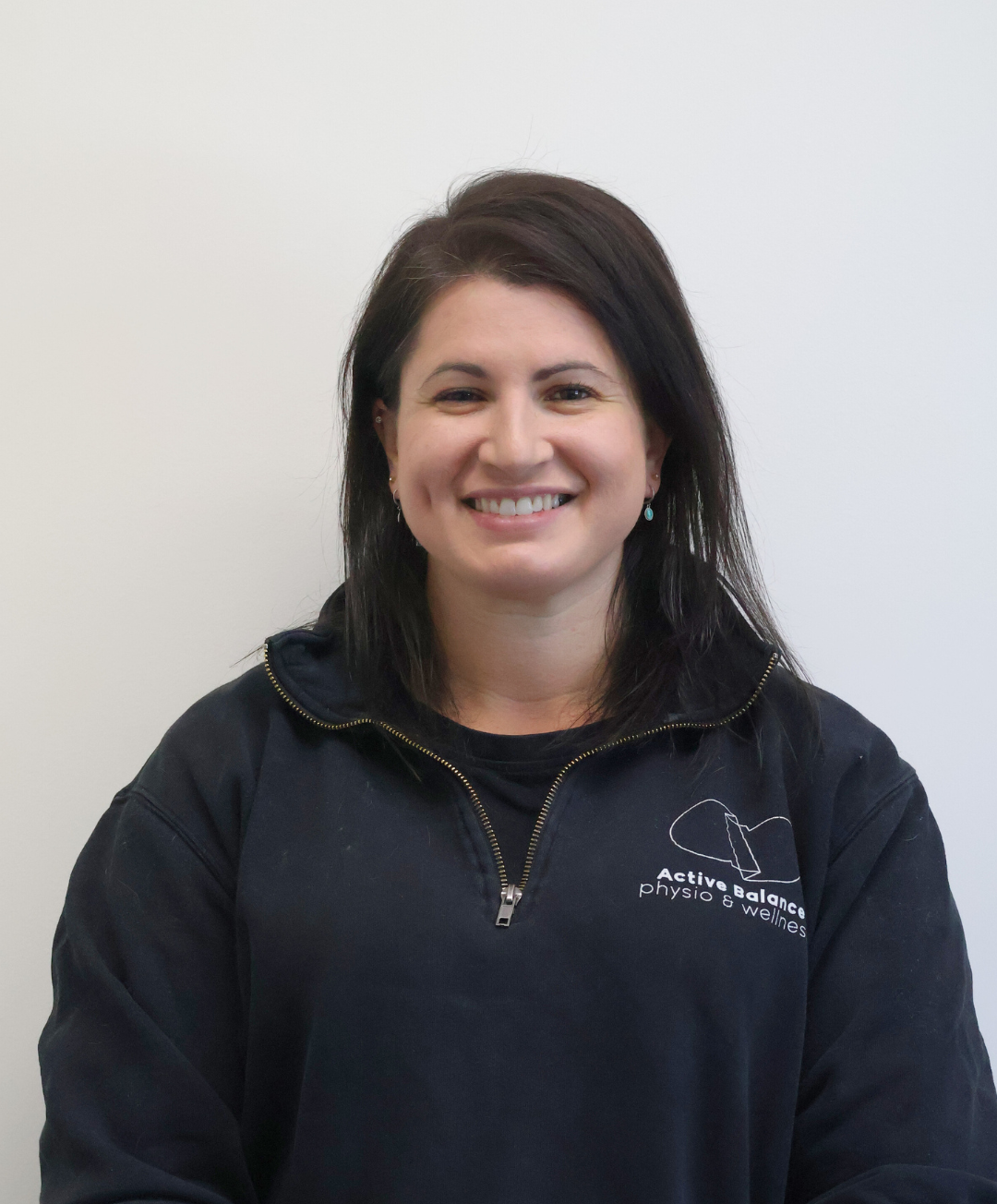
Talia Alt
Physiotherapist