
Active Balance ACL Clinic
Torn your ACL? Active Balance has a special focus on ACL rehab in Adelaide. Understand your injury, explore surgical and non-surgical options, and find out how to get back to sport safely.
ACL Injuries: What You Need to Know
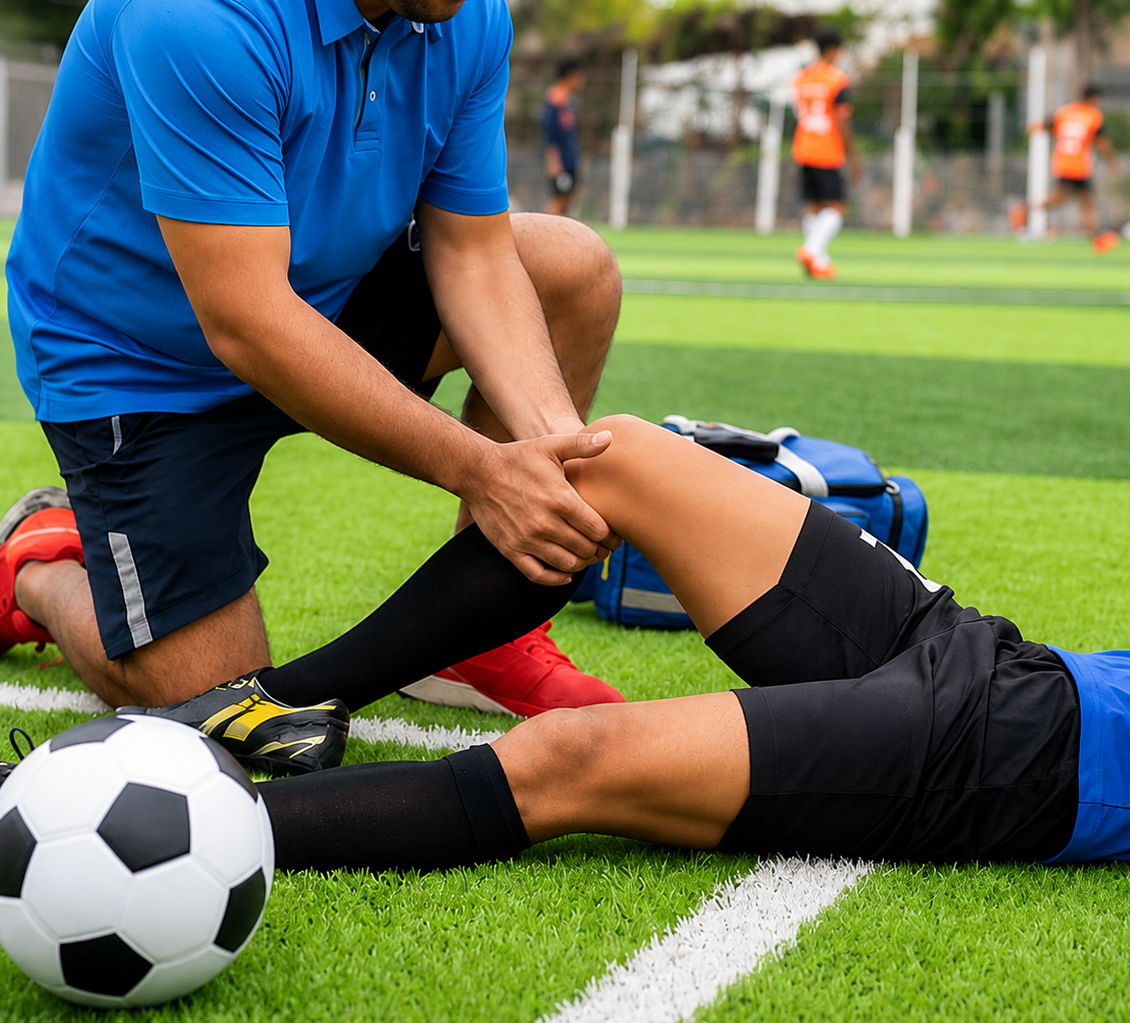
Whether you heard a pop on the field, felt your knee give way on a landing, or you've just come out of an MRI with a diagnosis in hand, you're in the right place. ACL injuries are one of the most significant sporting injuries you can face, but with the right management and the right team, the vast majority of people get back to doing what they love.
At Active Balance, ACL rehabilitation is something we're deeply passionate about and have pursued well beyond standard training. We've invested in the knowledge, the equipment, and the systems to manage ACL injuries at a high level, and we're here to walk you through every step of the process.
What Is the ACL?
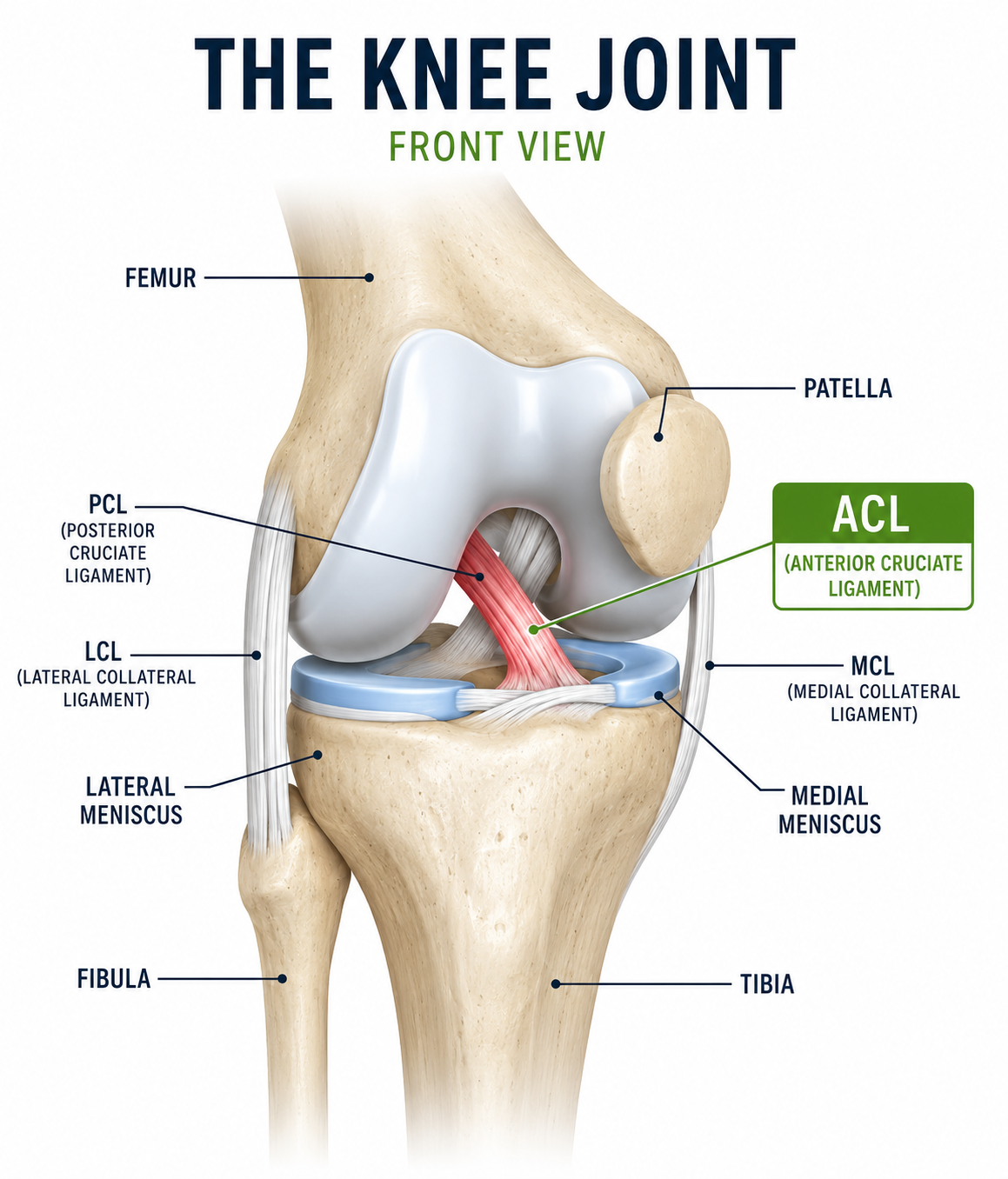
The anterior cruciate ligament (ACL) is one of the four main ligaments of the knee. It runs diagonally through the middle of the joint and is responsible for controlling rotational stability and preventing the shin bone from sliding forward on the thigh bone. In plain terms: it's one of the primary structures keeping your knee stable when you change direction, land, or absorb contact.
When it tears (partially or fully) that stability is compromised. The knee may feel like it gives way, particularly during dynamic movement, and without appropriate management that instability can cause ongoing damage to other structures in the joint including the meniscus and cartilage.
How Does an ACL Tear Happen?
The majority of ACL tears are non-contact injuries, meaning no collision or tackle is involved. They typically occur during:
- A sudden change of direction or pivot
- Landing awkwardly from a jump
- Decelerating rapidly
- A direct blow to the knee causing it to twist
The classic story is a sporting moment: a cut in netball, a landing in basketball, a tackle in AFL, followed by a pop, immediate pain, and rapid swelling over the following few hours. Many people describe feeling or hearing the pop clearly. In some cases the knee swells so significantly within the first 24 hours that movement becomes very limited.
That said, not every ACL tear presents dramatically. Some people walk off the field and don't realise the extent of the injury until an MRI confirms it. If your knee swelled after an incident and hasn't felt quite right since, particularly if it gives way during dynamic movement, it's worth getting it properly assessed.
How Common Are ACL Tears?
More common than most people realise. Around 15,000 ACL reconstructions are performed in Australia every year — and that figure doesn't include the growing number managed conservatively without surgery.
ACL tears occur across all ages and activity levels, but rates are highest in sports involving cutting, pivoting, and jumping. Netball, AFL, basketball, and soccer carry the highest incidence in Australia. Female athletes are at significantly higher risk than male athletes — research suggests two to eight times higher depending on the sport — due to a combination of anatomical, hormonal, and biomechanical factors.
Will I Need Surgery?
Not necessarily.
This is one of the first and most important conversations to have after an ACL tear diagnosis.
There are two legitimate pathways for managing an ACL tear: surgical reconstruction and conservative (non-surgical) management. Both are valid. Both require serious, long-term rehabilitation. The right choice depends on your age, your sport, your activity goals, the nature of the injury, and your personal preferences after a thorough discussion with your medical team.
The Most Important Thing to Understand
Surgery (if you have it) does not fix your knee. It replaces the ligament. That's an important distinction.
The graft that replaces your ACL needs to be trained, loaded, and progressively challenged over many months before it functions like a native ligament. In the meantime, the muscles, balance systems, and movement patterns around the knee need to be rebuilt from the ground up. Without that rehabilitation, the graft is significantly more likely to fail, and you're significantly more likely to reinjure.
This applies equally to the non-surgical pathway. Conservative management relies on the muscles and surrounding structures to compensate for the absent ligament, which they absolutely can do, but only with intensive and sustained rehabilitation.
The rehab is what determines your outcome. Not the surgery.
How Long Does Recovery Take?
9 to 12 months minimum, regardless of pathway. This isn't a conservative estimate, it's where the evidence consistently sits for safe return to sport.
The 9-month minimum is driven by two things: the biology of graft maturation (the graft actually gets weaker before it gets stronger, reaching its lowest point around 6–8 weeks post-op), and the time genuinely needed to rebuild the strength, neuromuscular control, and movement quality required for sport. Athletes who return before 9 months, or before reaching objective strength benchmarks, reinjure at significantly higher rates.
We know that's a long time. We also know it's the right call,and we build our entire program around making those months as productive, supported, and clearly progressed as possible.
What Makes Active Balance Different?
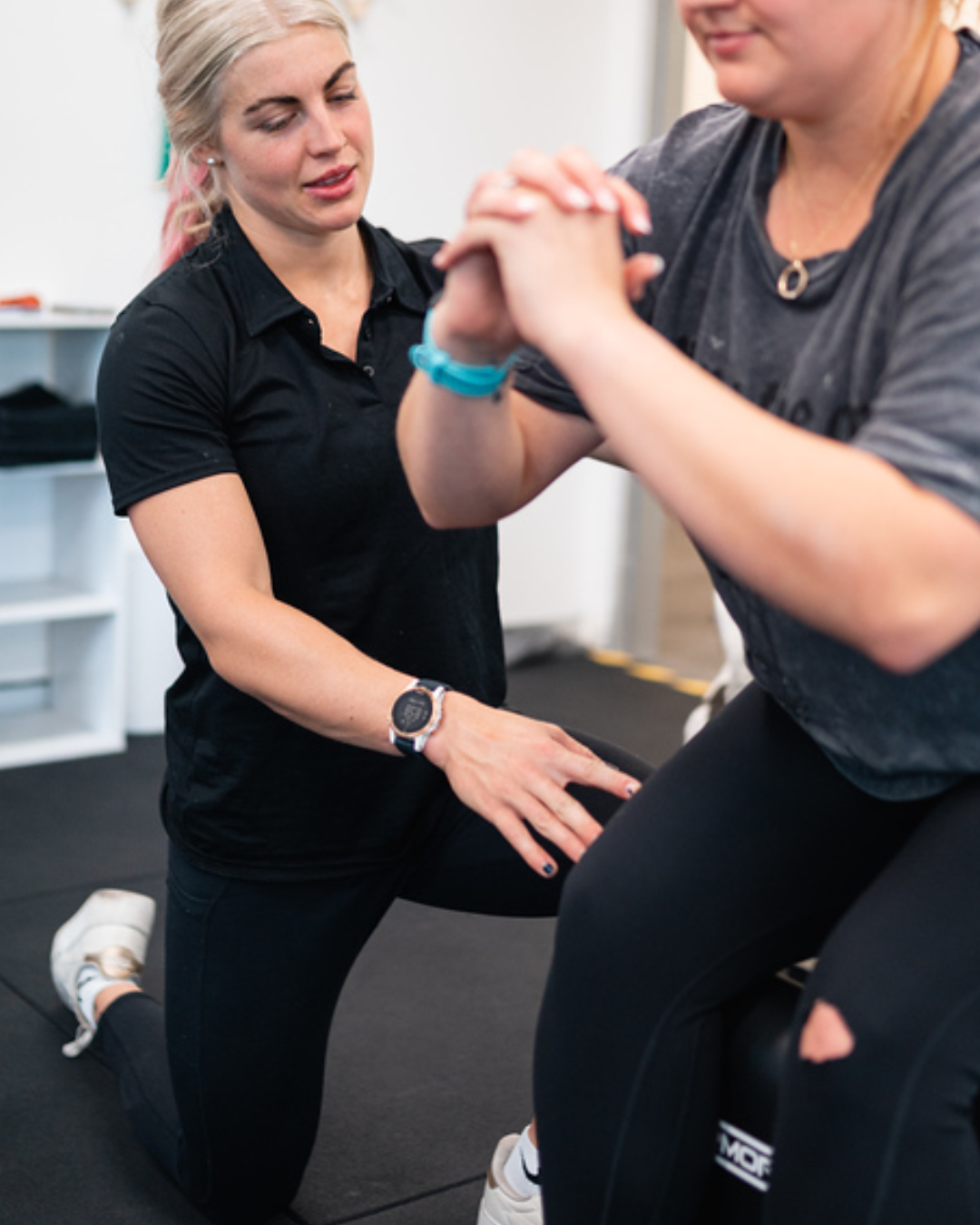
- A special focus on ACL rehab Our physios have completed additional study and clinical development in ACL management — surgical and non-surgical — beyond standard physiotherapy training. ACL rehab is something we care deeply about and have worked hard to do well.
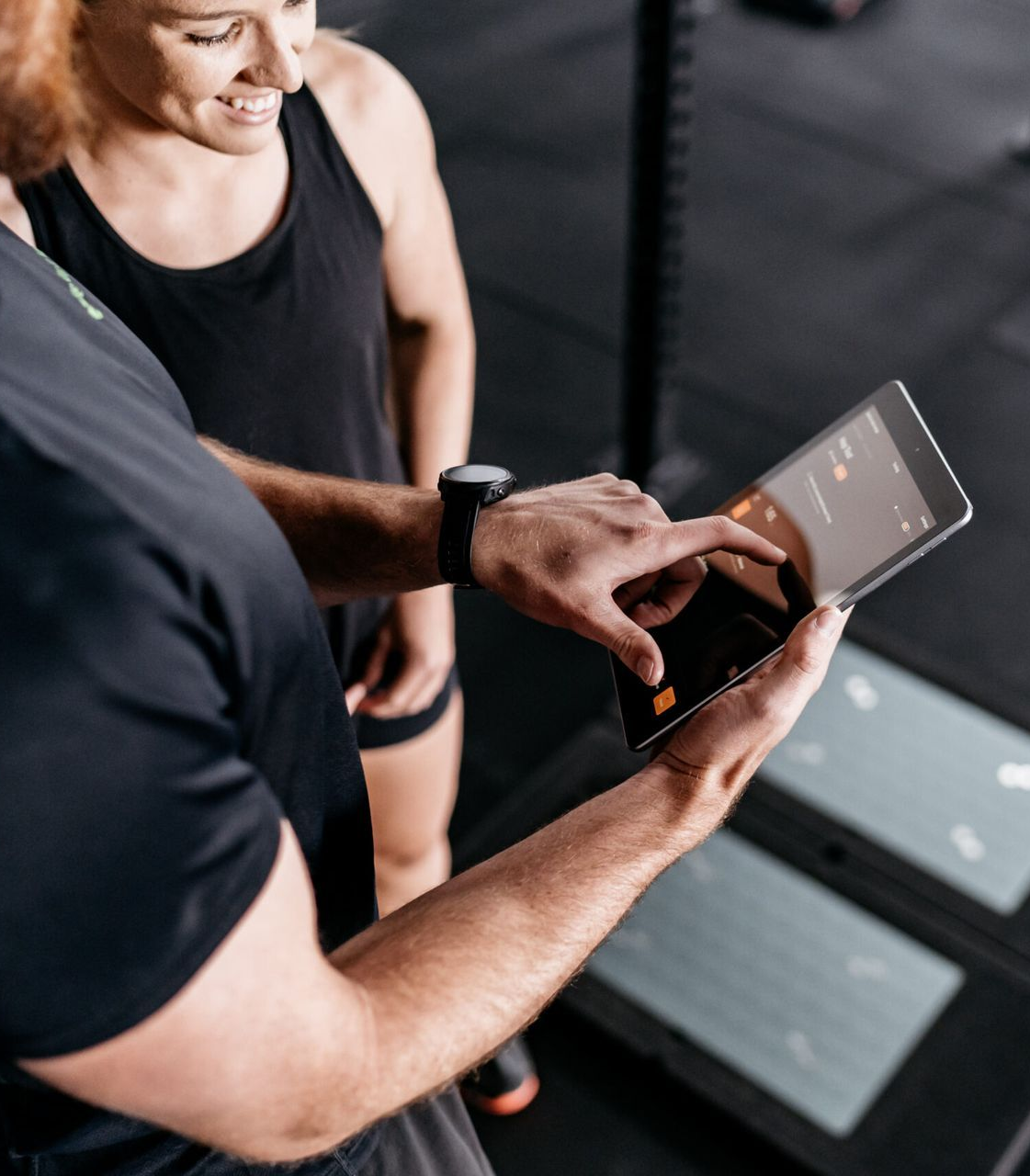
- Objective testing throughout We use VALD ForceDecks and Dynamo for strength and balance testing at every key stage of your rehab. Every decision about your progress is based on data, not on how you feel or how much time has passed. You'll always know exactly where you stand.
- The facilities to match Our onsite gym is fully equipped with barbells, racks, and cardio equipment. For end-stage rehab such as running, cutting, jumping, change of direction, we have access to local sporting facilities so your training actually mimics what returning to sport demands.
- A program built around you Your age, sport, goals, lifestyle, and how your body responds all shape your program. No two ACL rehabs look the same here. No cookie-cutter programs.
- You're never left in the dark We communicate regularly with your surgeon, GP, and coaches, and provide formal progress reports at key milestones. You have direct access to your physio throughout via Zanda messaging or email.
- A community going through the same thing We run dedicated ACL group sessions run each week. Small groups of 3–4 people, fully individualised programs, physio supervised. Doing this alongside someone who understands what you're going through makes a genuine difference.
- Strong relationships across Adelaide We have established working relationships with a number of Adelaide's orthopaedic surgeons and sports medicine clinics. If you need a referral, a second opinion, or better coordination between your surgical and rehab teams, we can help make that happen.
Not Sure Where to Start?
An ACL diagnosis can feel overwhelming, and the decisions that follow aren't always straightforward. Surgery or no surgery? Which surgeon? What does rehab actually involve? How long will it take?
You don't need to have any of those answers before you come and see us.
One of the most valuable things we do is sit down with you early, before those decisions are made, and help you understand what you're actually dealing with, what your options are, and what the road ahead looks like for your specific situation. We'll look at your scan, talk through your sport, your goals, and your lifestyle, and give you an honest picture of both pathways so you can make an informed decision alongside your medical team.
We also work closely with a number of Adelaide's orthopaedic surgeons and sports medicine doctors, so if you need a referral or a second opinion, we can point you in the right direction.
There's no obligation and no pressure, just clarity at a time when you probably need it most.
Frequently Asked Questions
How do I know if I've done my ACL? The classic presentation is a non-contact injury during a change of direction or landing, often with a pop, followed by rapid swelling within a few hours. The knee may feel unstable or like it gives way during dynamic movement. That said, the only way to confirm an ACL tear is through clinical assessment and MRI. If you suspect you've injured your ACL, particularly if the knee swelled after an incident and hasn't felt right since, it's best to get it assessed promptly. For those considering conservative management, early intervention matters significantly.
How common are ACL tears? Very common in Australian sport. Around 15,000 ACL reconstructions are performed each year in Australia, with netball, AFL, basketball, and soccer carrying the highest rates. Female athletes are at significantly higher risk, though the injury affects athletes of all ages, genders, and levels.
Do I need surgery? Not necessarily. Both surgical and non-surgical management are legitimate pathways, both require serious, long-term rehabilitation. The right choice depends on your age, sport, activity goals, and the nature of the injury. We work with you and your medical team to make sure you understand both options fully before anything is decided.
Other Physiotherapy Services Available at Active Balance
Get back to your sport stronger with tailored rehab and performance support.
Comprehensive running analysis to help you move better, run further, and reduce injury risk
Our Physiotherapy Team
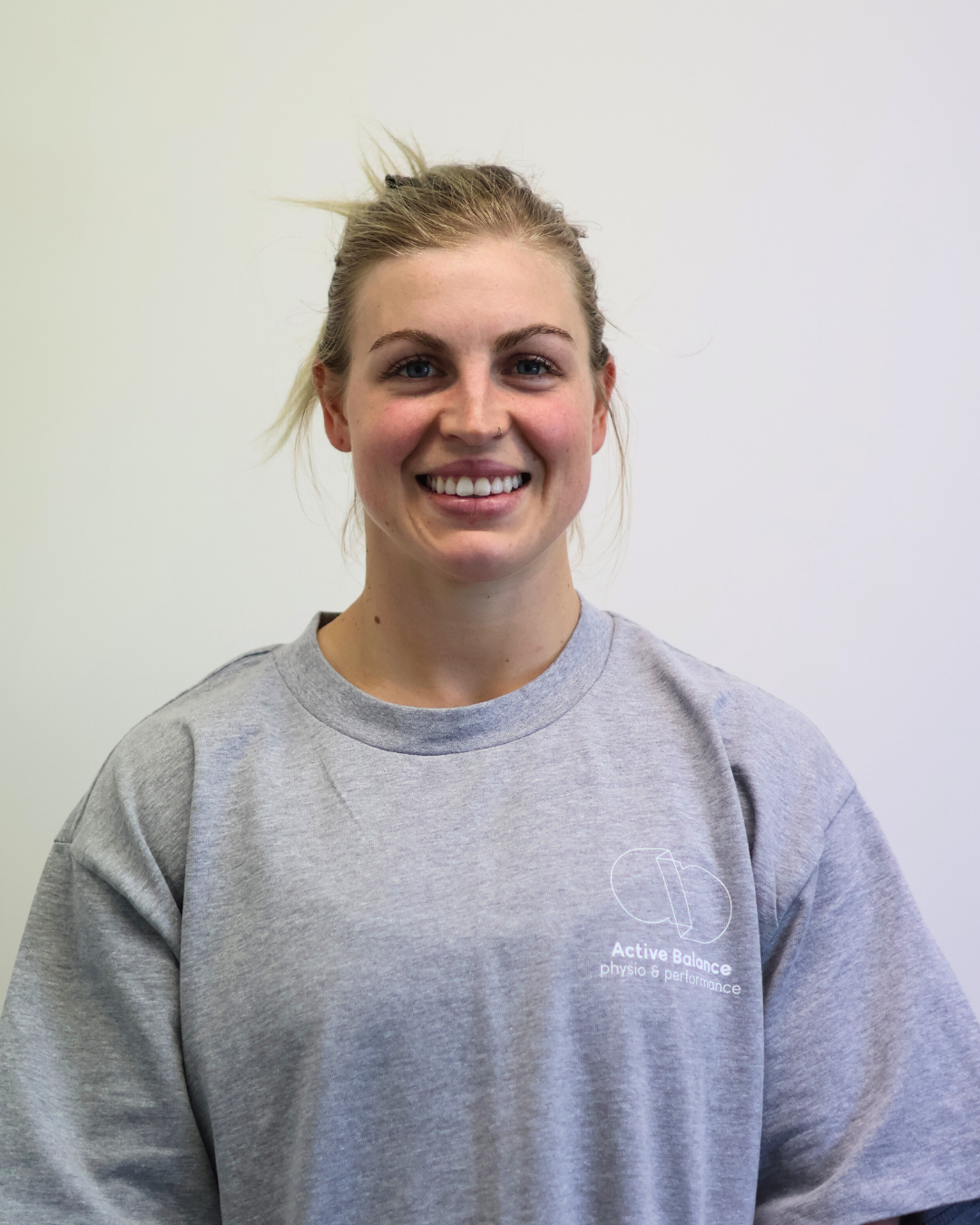
Emily Clements
Physiotherapist
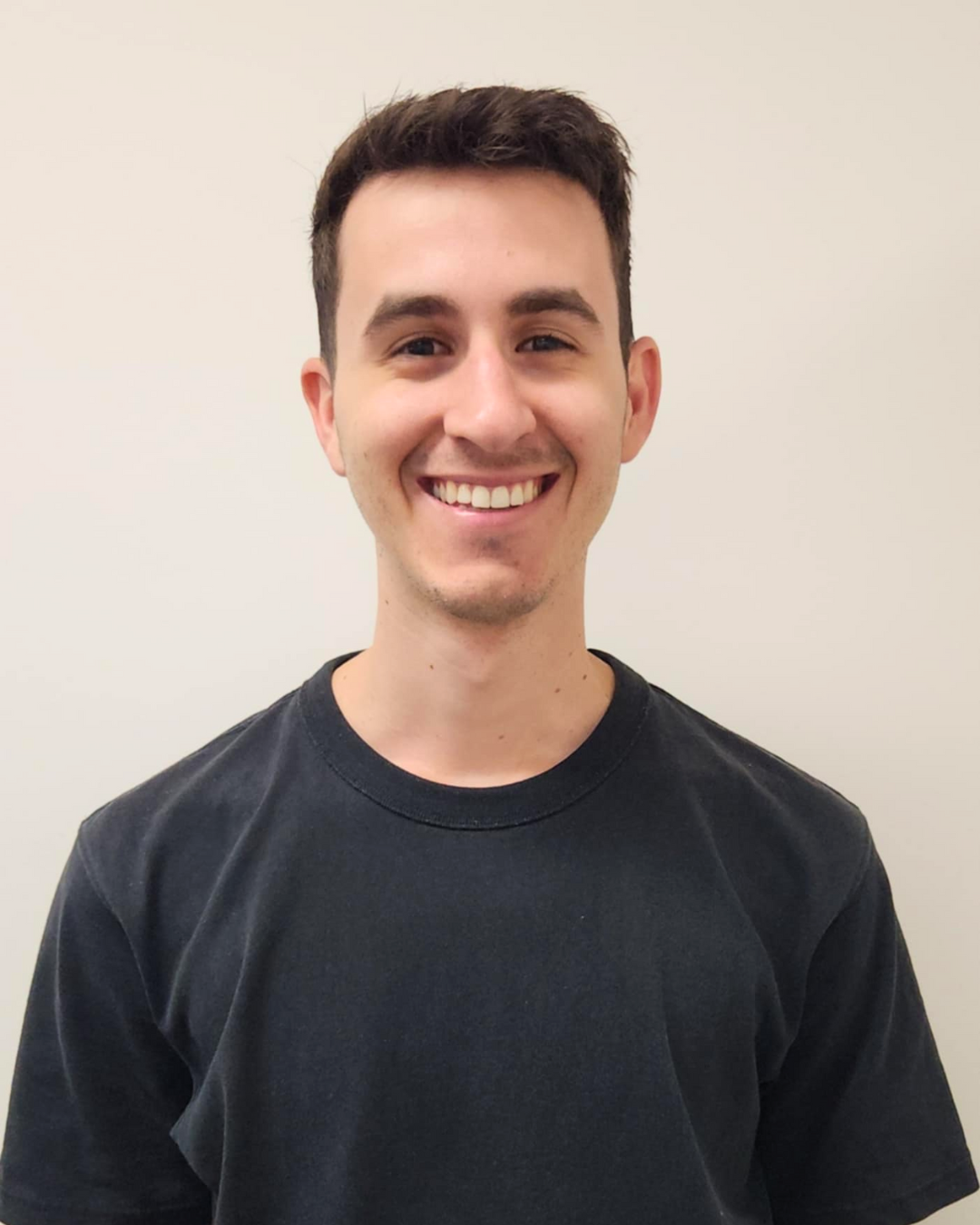
Alexander Muscat
Physiotherapist
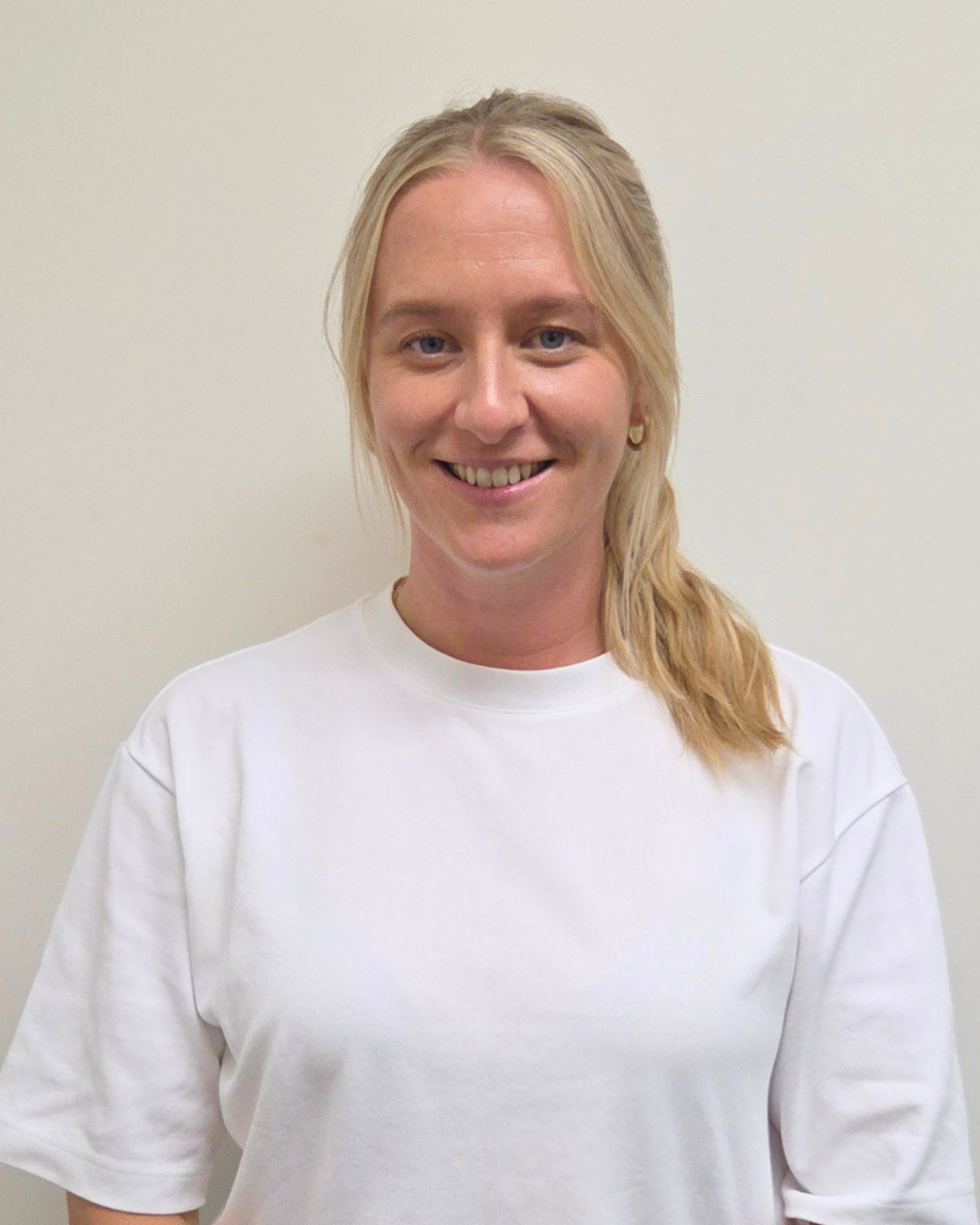
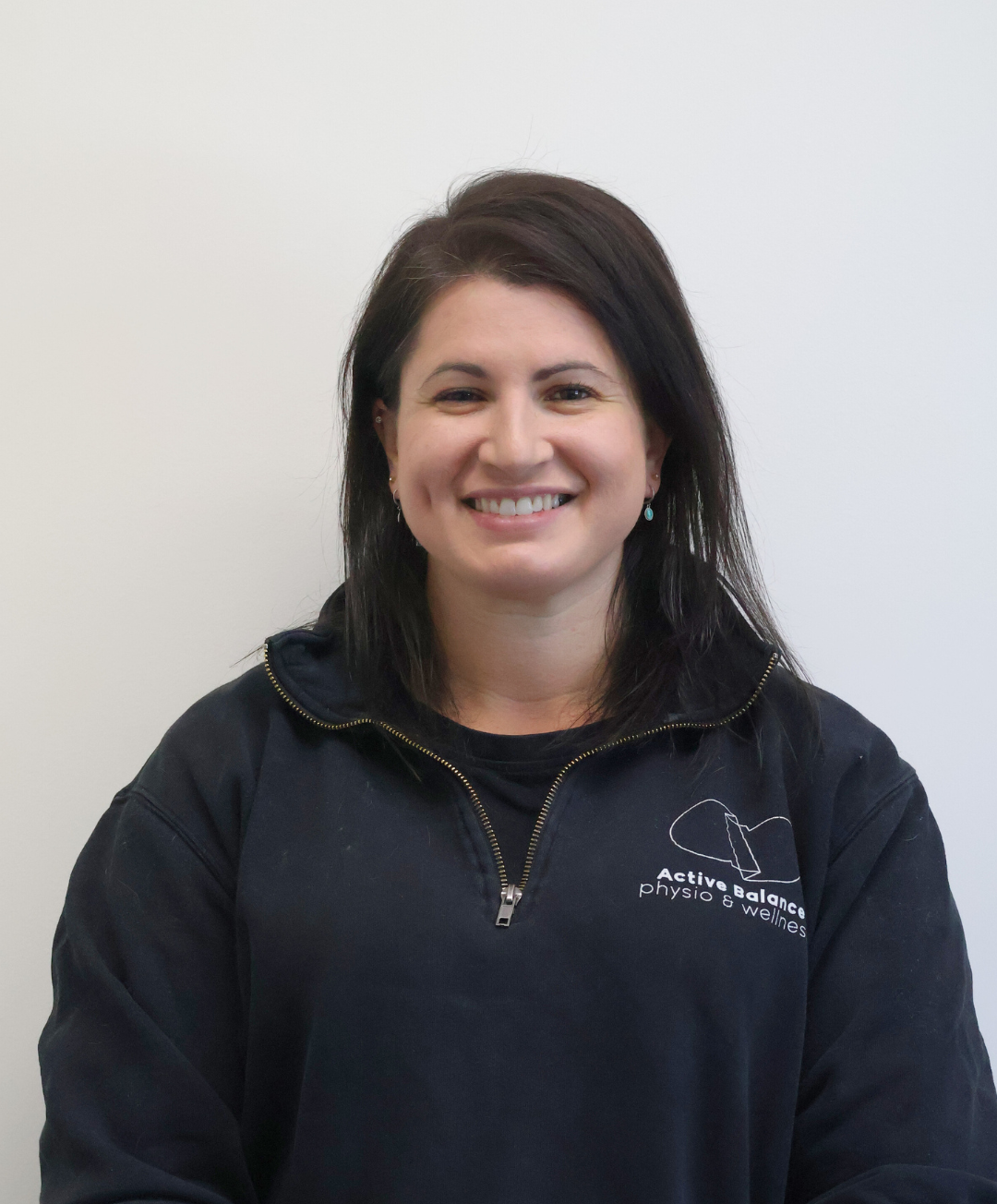
Talia Alt
Physiotherapist