
Active Balance ACL Clinic
Non-Surgical ACL Management
Not every ACL tear requires surgery. Explore conservative ACL management in Adelaide, including the Cross Bracing Protocol, who it suits, and what recovery involves at every stage.
Non-Surgical ACL Management
An ACL diagnosis doesn't automatically mean surgery. For the right person, conservative — or non-surgical — management is a legitimate, evidence-supported pathway that can produce excellent outcomes. It's not the easy option, and it's not right for everyone, but it's an option worth understanding fully before any decisions are made.
This page explains what non-surgical ACL management involves, who it tends to suit, what the Cross Bracing Protocol is, and what recovery looks like at every stage.
Is Surgery Always Necessary?
No, and the conversation around this has shifted considerably in recent years.
Historically, surgery was considered the default recommendation for active patients with an ACL tear, particularly those involved in pivoting and cutting sports. That thinking has evolved. A growing body of research supports conservative management as a viable pathway for a broader range of patients than was previously recognised, and the decision between surgical and non-surgical management is now understood to be more nuanced than a simple yes or no.
What hasn't changed is this: whichever path you choose, intensive and sustained rehabilitation is non-negotiable. Conservative management is not a shortcut. The rehab is just as demanding, the timeline is just as long, and the commitment required is just as significant.
The Cross Bracing Protocol
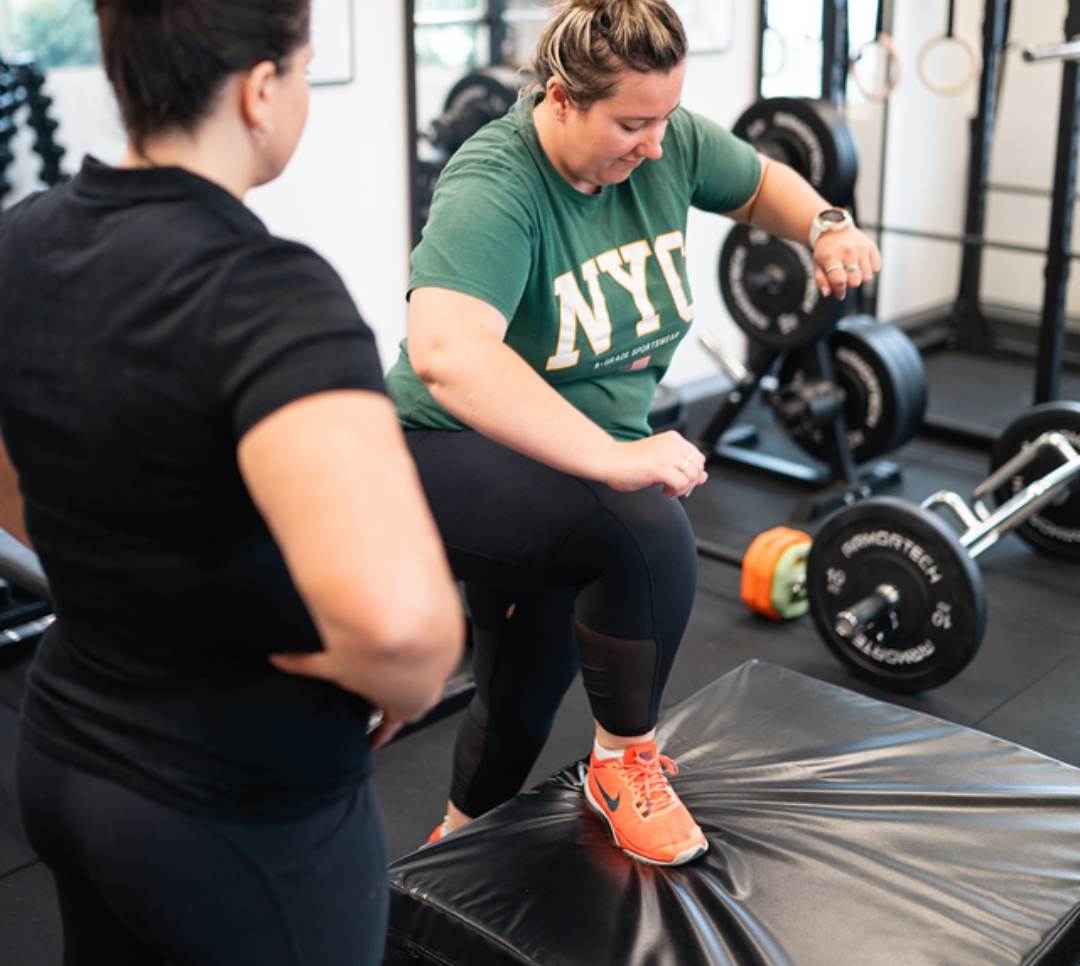
One of the most significant recent developments in non-surgical ACL management is the Cross Bracing Protocol (AKA the CBP).
The CBP is a structured conservative management approach based on the idea that ACL tears may heal biologically under the right conditions. The protocol involves bracing the knee in a specific position of flexion in the acute phase following injury (typically within the first few days) which positions the torn ends of the ligament closely to encourage healing.
Early research has produced exciting results. Many patients managed with the CBP show evidence of ligament healing on follow-up MRI, and functional outcomes in selected patients have been encouraging.
Important:
- The evidence, while promising, is still developing. The CBP is not yet considered standard of care and should be understood as an emerging approach rather than an established protocol
- It is not suitable for all tear types, all injury presentations, or all patients
- It requires very early intervention (ideally within the first few days of injury). The window for the protocol closes quickly
- Strict adherence to the bracing schedule is essential
- Even with successful healing on MRI, structured rehabilitation is still required
If you've recently injured your knee and are wondering whether the CBP might be relevant to your situation, the most important thing is to get assessed as quickly as possible. Time matters significantly with this approach.
Who Might Be Suited to Non-Surgical Management?
There is no single answer. The right pathway depends on a combination of factors specific to you. As a general guide, non-surgical management tends to be more suitable for:
- Patients whose sport or activity doesn't involve high-level cutting, pivoting, or contact
- Older or less active individuals whose functional demands are lower
- Those with isolated ACL tears and good baseline strength and neuromuscular control
- Patients who want to thoroughly explore conservative options before committing to surgery
- Athletes and individuals who, after a full and honest discussion with their medical team, choose this pathway with a clear understanding of what it involves
It tends to be less suitable for:
- High-level athletes in pivoting sports — netball, AFL, basketball, soccer — where rotational and cutting demands are extreme
- Patients with significant associated injuries such as meniscus tears or multi-ligament involvement
- Those who experience persistent giving way of the knee despite quality rehabilitation
- Younger athletes with long sporting careers ahead of them in high-demand sports
These are guidelines, not rules. We've seen patients defy expectations in both directions. The most important thing is that the decision is made carefully, and with a full understanding of both pathways, not in a rush and not based on assumptions.
What the recovery pathway looks like in the non-surgical pathway
Recovery from ACL tear takes 9 to 12 months minimum, regardless of whether you have surgery or not. This isn't a conservative estimate, it's where the evidence consistently sits for safe return to sport.
Recovery from an ACL tear managed without surgery follows the same broad structure as the surgical pathway — Foundation, Strength, and Performance — with the same objective criteria used to guide progression. The key differences are the absence of a post-operative acute phase and graft maturation timeline, and an even greater emphasis on proprioception and neuromuscular control throughout, since the knee is relying on muscular stability rather than a reconstructed ligament.
Most people spend 8–12 weeks in each phase, though this varies depending on how the knee responds, your baseline fitness, and your goals. Progression is never based on time alone.
Phase 1
Foundation (weeks 1–12)
Goal: Settle the knee, restore movement and basic strength, establish functional stability.
The early weeks are about establishing stability through muscular control, doing for the knee what surgery would otherwise do mechanically. Swelling management, range of motion restoration, and gait normalisation are the immediate priorities, followed by progressive loading to build the quad and hamstring strength that will become the primary source of knee stability.
If you're following the Cross Bracing Protocol, this phase also involves strict adherence to the bracing schedule and close monitoring with your medical team.
- Range of motion
- Quad activation
- Calf raises
- Basic strengthening pain and swelling
- Balance work
- Low-impact cardio
- Gait retraining
Because there's no surgical graft to protect, loading can sometimes progress slightly faster than the surgical pathway, but this is always guided by swelling, pain, and how the knee is responding, not a fixed timeline.
Ready to progress when: swelling is consistently settled, range of motion is full or near-full, you're walking normally without a limp, quad strength reaches 70% of your other leg on ForceDecks, pain is 2/10 or less, and there are no episodes of giving way with daily activity.
Phase 2
Strength (weeks 12–24)
Goal: Build the strength and neuromuscular control the knee needs to handle dynamic movement.
This phase is identical in structure to the surgical Strength phase — the difference is context. Without a reconstructed ligament, the muscles, tendons, and nervous system around the knee need to work harder to provide stability, which makes the proprioception and neuromuscular control work even more important here than in the surgical pathway.
- Weeks 12–16: Barbell squats, Romanian deadlifts, single leg press, Bulgarian split squats, Nordic hamstring curls, loaded step-ups, heavy single leg calf raises, and advanced proprioception work on unstable surfaces.
- Weeks 16–20: Heavier compound lifting, double leg plyometric introduction, lateral hip work, straight line jogging, and Y-balance testing.
- Weeks 20–24: Single leg plyometrics, early controlled change of direction, running progressions, sport-specific movement patterns, and agility ladder drills.
Ready to progress when: quad and hamstring strength both reach 85% of your other leg, single leg hop distance reaches 85%, single leg balance is solid with eyes closed, pain is zero with all gym activity, there are no episodes of giving way, and ACL-RSI psychological readiness score reaches 56/100.
Phase 3
Performance (6 months post-op and beyond)
Goal: Return to sport safely, with objective data to confirm readiness.
By this point you're strong, moving well, and building toward the specific demands of your sport. The focus shifts to complex movement, landing mechanics, high-speed cutting, reactive agility, and psychological readiness for full return.
The clearance criteria are identical to the surgical pathway, the body needs to meet the same standards regardless of how the knee was managed. For some non-surgical patients this point can occasionally be reached slightly earlier in calendar time, but the objective criteria remain non-negotiable.
- Ongoing gym work: Heavy compound lifting maintained, loaded single leg work, advanced and reactive plyometrics including depth drops and bounding.
- On-field work: Sprint progressions to full speed, cutting and change of direction at match intensity, reactive agility drills, bounding, and sport-specific patterns tailored to your code and position, with structured reintegration from non-contact to full contact.
- Landing mechanics: Repeated drop jump assessment throughout the phase, single and double leg landing drills from varying heights and directions, and fatigue-state landing — because that's when mechanics break down in a game.
Cleared to return when: quad and hamstring strength reach 90%, three hop tests all reach 90%, landing mechanics are sound, a full sport-specific progression is completed without pain or apprehension, there are no episodes of giving way under any training load, ACL-RSI score reaches 65/100, and a
minimum of 9 months from injury has passed.
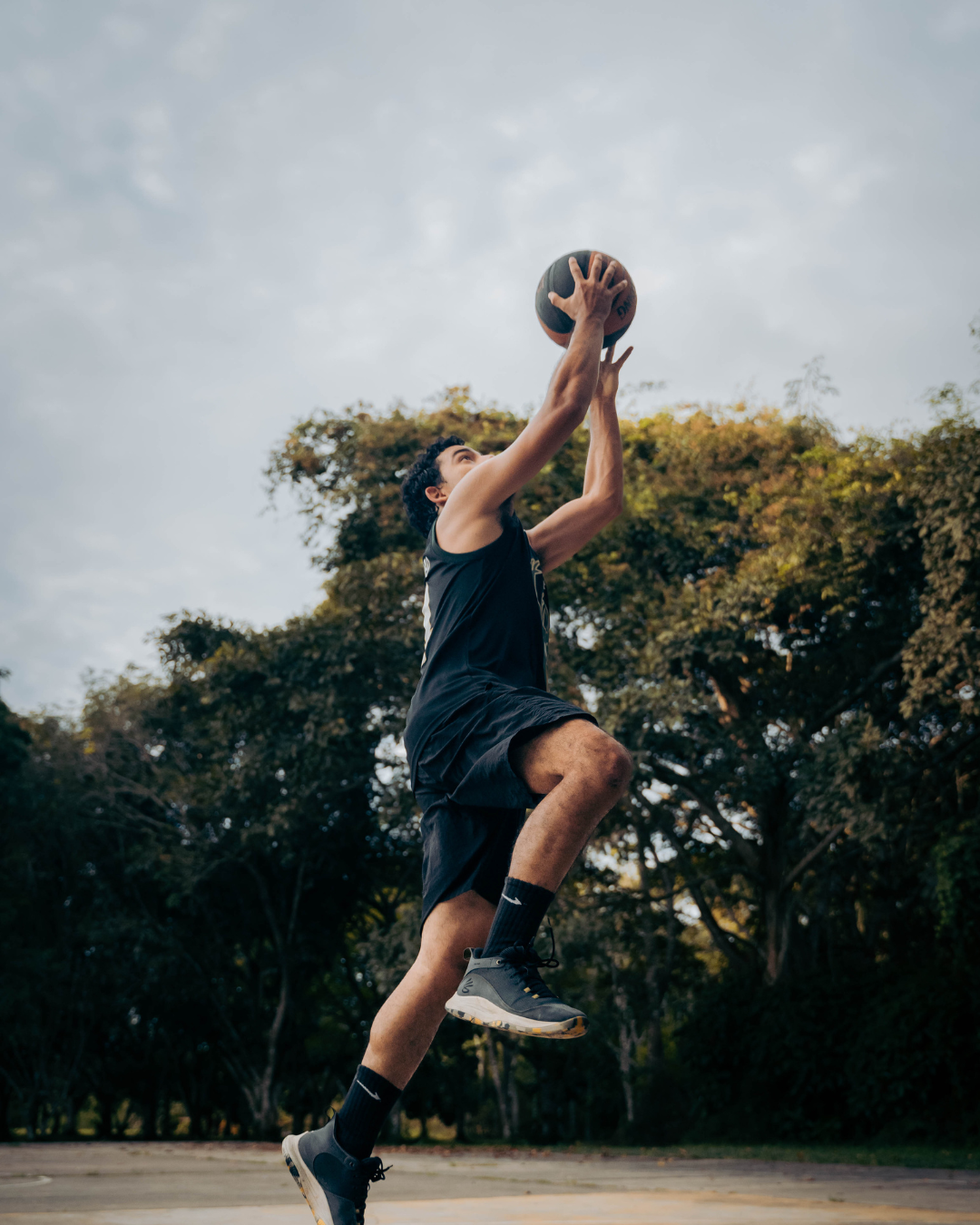
After Clearance
Clearance is a significant milestone — but for non-surgical patients in particular, it's the beginning of an ongoing commitment rather than the end of one. Without a reconstructed ligament, the muscular system around the knee is doing more work permanently, and letting that slip creates real risk. Reinjury risk remains elevated for the first one to two seasons back.
Your physio will discuss what ongoing support looks like at the time of clearance. Periodic re-screening, ongoing gym access, and maintenance check-ins are all options we offer to support long-term outcomes.
What Makes Active Balance Different?
- A special focus on ACL rehab Our physios have completed additional study and clinical development in ACL management — surgical and non-surgical — beyond standard physiotherapy training. ACL rehab is something we care deeply about and have worked hard to do well.
- Objective testing throughout We use VALD ForceDecks and Dynamo for strength and balance testing at every key stage of your rehab. Every decision about your progress is based on data, not on how you feel or how much time has passed. You'll always know exactly where you stand.
- The facilities to match Our onsite gym is fully equipped with barbells, racks, and cardio equipment. For end-stage rehab such as running, cutting, jumping, change of direction, we have access to local sporting facilities so your training actually mimics what returning to sport demands.
- A program built around you Your age, sport, goals, lifestyle, and how your body responds all shape your program. No two ACL rehabs look the same here. No cookie-cutter programs.
- You're never left in the dark We communicate regularly with your surgeon, GP, and coaches, and provide formal progress reports at key milestones. You have direct access to your physio throughout via Zanda messaging or email.
- A community going through the same thing We run dedicated ACL group sessions run each week. Small groups of 3–4 people, fully individualised programs, physio supervised. Doing this alongside someone who understands what you're going through makes a genuine difference.
- Strong relationships across Adelaide We have established working relationships with a number of Adelaide's orthopaedic surgeons and sports medicine clinics. If you need a referral, a second opinion, or better coordination between your surgical and rehab teams, we can help make that happen.
Frequently Asked Questions
Do I need surgery? Not necessarily. Both surgical and non-surgical management are legitimate pathways — both require serious, long-term rehabilitation. The right choice depends on your age, sport, activity goals, and the nature of the injury. We work with you and your medical team to make sure you understand both options fully before anything is decided.
What is the Cross Bracing Protocol? A conservative management approach involving early bracing of the knee in a flexed position to encourage natural ACL healing. Developed in New Zealand, it has shown promising early results in appropriately selected patients but requires very early intervention and is not suitable for all tear types. Time matters significantly — if you're wondering whether it's relevant to your injury, get assessed as soon as possible.
Is non-surgical management as effective as surgery? For the right patient, yes — outcomes can be excellent. The key word is right patient. Non-surgical management in someone who isn't well suited to it, or without adequate rehabilitation, carries real risk. The honest answer is that the evidence continues to evolve, and the best approach for any individual depends on a thorough assessment of their specific situation. We'll give you an honest picture of what the evidence says for your circumstances.
Our Physiotherapy Team
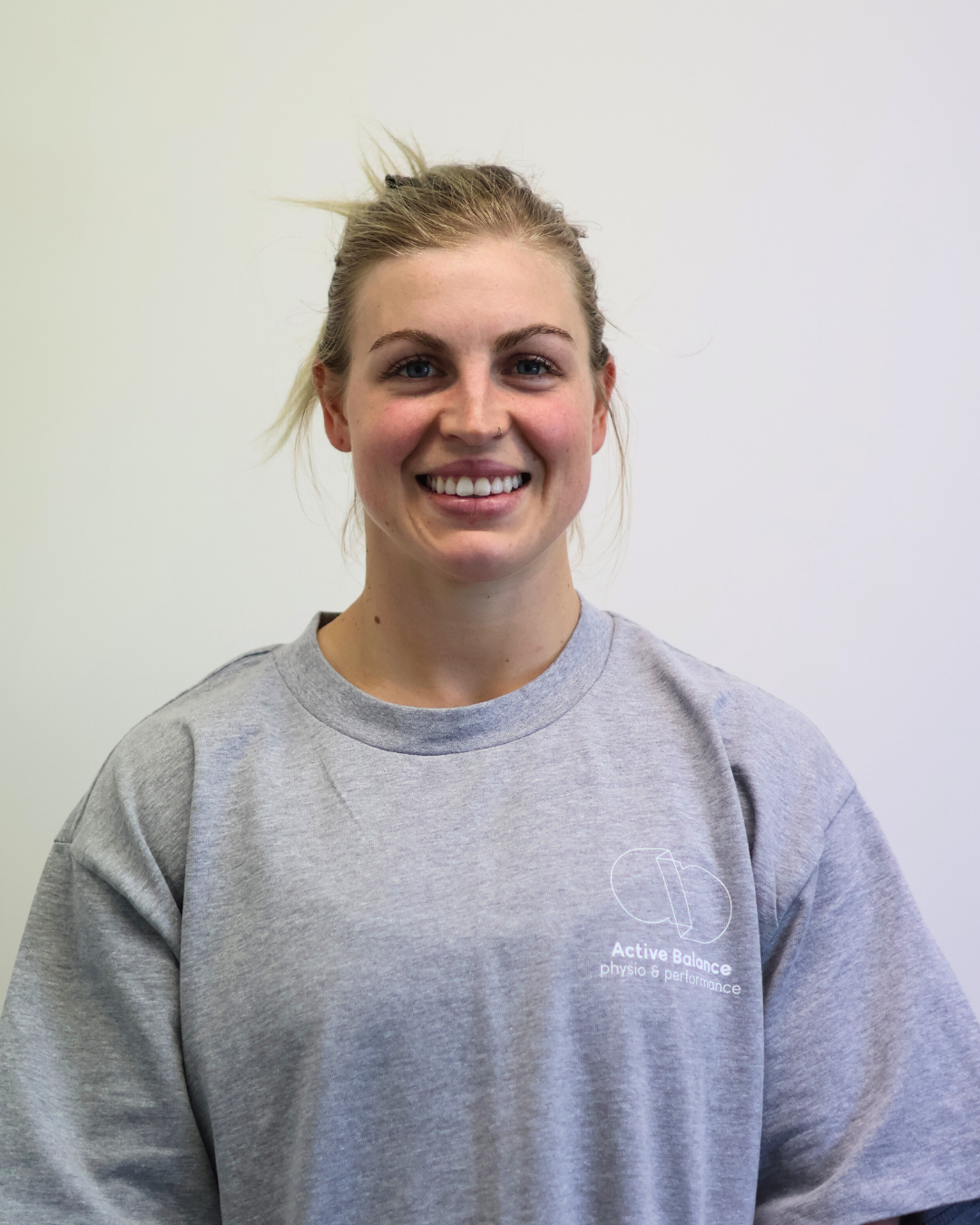
Emily Clements
Physiotherapist
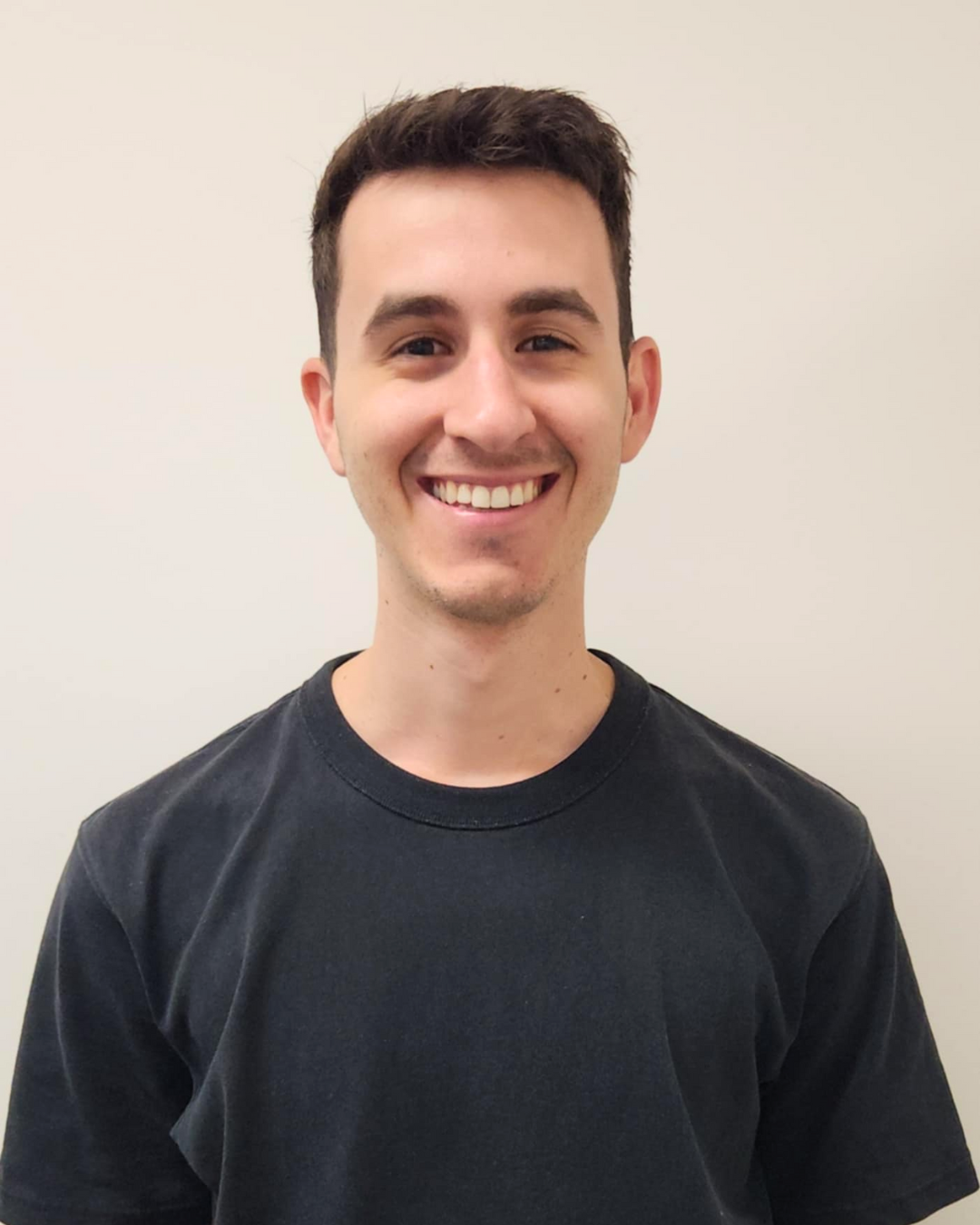
Alexander Muscat
Physiotherapist
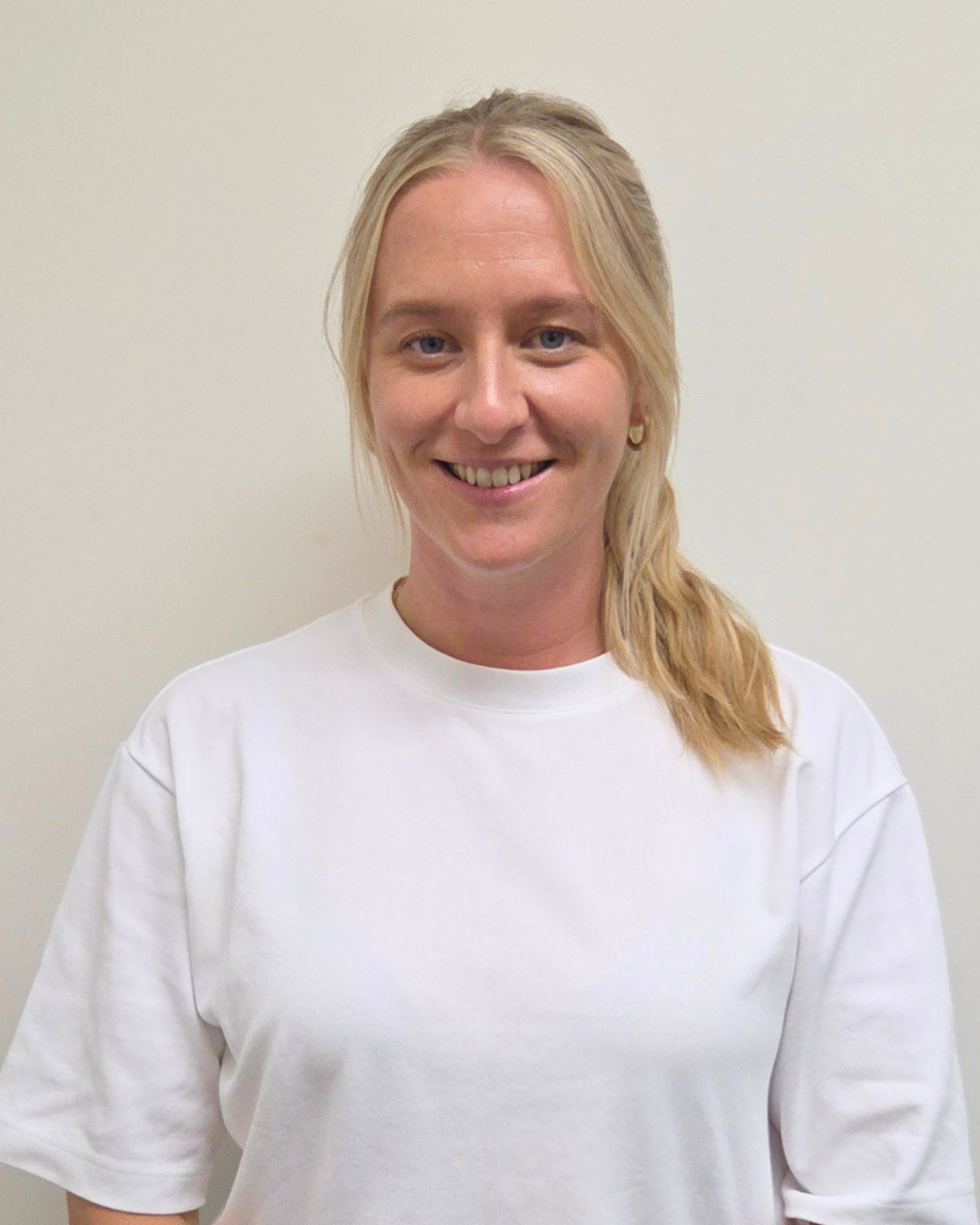
Talia Alt
Physiotherapist