
Active Balance ACL Clinic
Surgical ACL Management
Considering ACL surgery? Understand your graft options, what recovery involves at every stage, and how Active Balance supports you from prehab through to return-to-sport clearance.
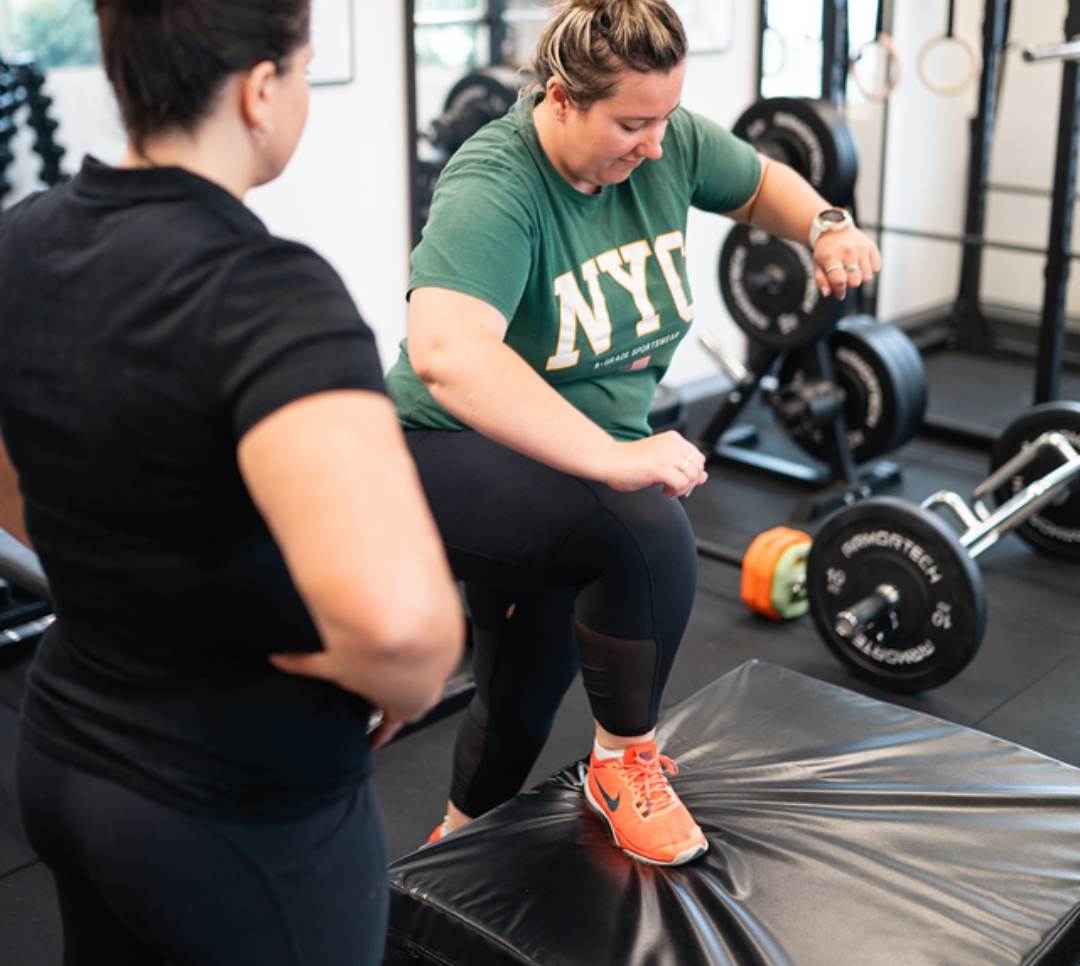
Surgical ACL Management
If you've been advised that surgery is the right path for your ACL injury, you're likely facing a mix of relief that there's a plan and apprehension about what comes next. That's completely normal. This page is designed to give you a clear, honest picture of what surgical ACL management involves; from choosing a graft through to getting back on the field.
The most important thing to understand upfront: the surgery is the beginning, not the end. What happens in the months of rehabilitation that follow is what determines whether you get back to sport, stay there, and reduce your risk of reinjury.
Understanding Your Graft Options
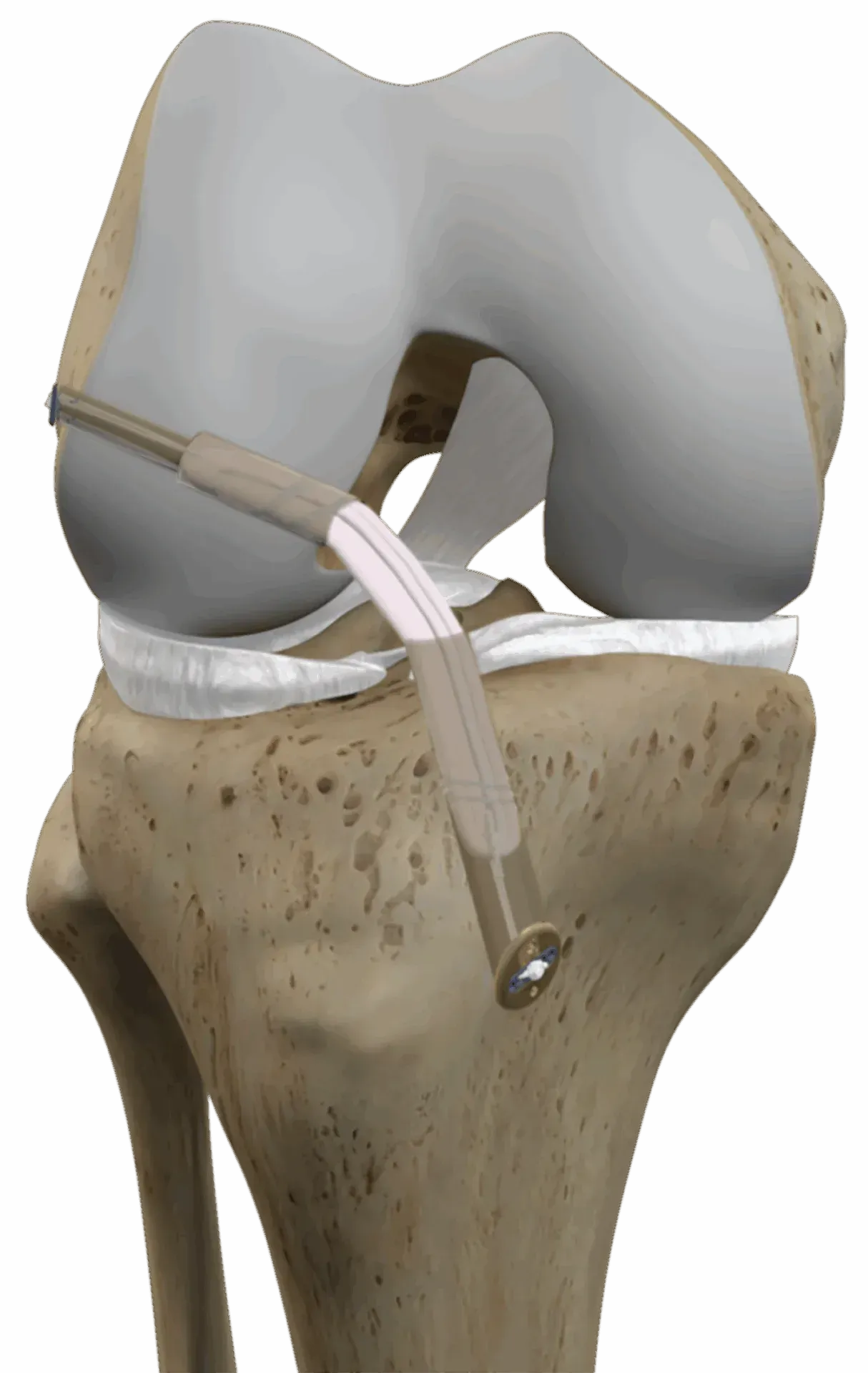
When your ACL is reconstructed, the torn ligament is replaced with a graft — a piece of tendon used to recreate the ligament. There are several options, each with their own considerations. Your surgeon will recommend based on your age, sport, activity goals, and anatomy, but it's worth understanding what's available so you can have an informed conversation.
- Hamstring graft — the most common in Australia. Two strands of hamstring tendon are used together to create a strong, multi-strand graft. Good outcomes, minimal donor site disruption, and the hamstring typically recovers well with appropriate rehab.
- Patella tendon graft — taken from the tendon connecting your kneecap to your shin, with small bone blocks at each end for reliable fixation. Many surgeons consider this the gold standard for high-demand athletes. Donor site soreness at the front of the knee can be more pronounced early in recovery, but outcomes are very strong.
- Allograft — donor tendon from a tissue bank, so nothing is harvested from your own body. No donor site discomfort makes early recovery smoother. Historically used more in revision surgeries or for less active patients, though outcomes have improved considerably with modern processing techniques.
- Synthetic graft — a newer option using a synthetic ligament rather than biological tissue. No donor site, and potentially faster early return to activity. The long-term evidence base is still developing compared to biological grafts, so a detailed conversation with your surgeon is worthwhile.
Should I Do Prehab Before Surgery?
Yes — and the evidence behind it is strong.
Research consistently shows that patients who complete structured prehab before ACL surgery have significantly better outcomes post-operatively. The reasons are straightforward: arriving at surgery with better quad strength, less swelling, and full range of motion gives you a head start on the recovery that follows. The graft still needs to mature and the rehab still needs to happen — but you're starting from a better place.
The gold standard is 12 weeks of prehab before surgery. We understand this isn't always achievable — sometimes surgery is scheduled quickly, sometimes the injury is part of a competitive season with time pressures. Even 4–6 weeks makes a meaningful difference. We'd encourage anyone facing ACL surgery to use the waiting period as productively as possible rather than resting and waiting.
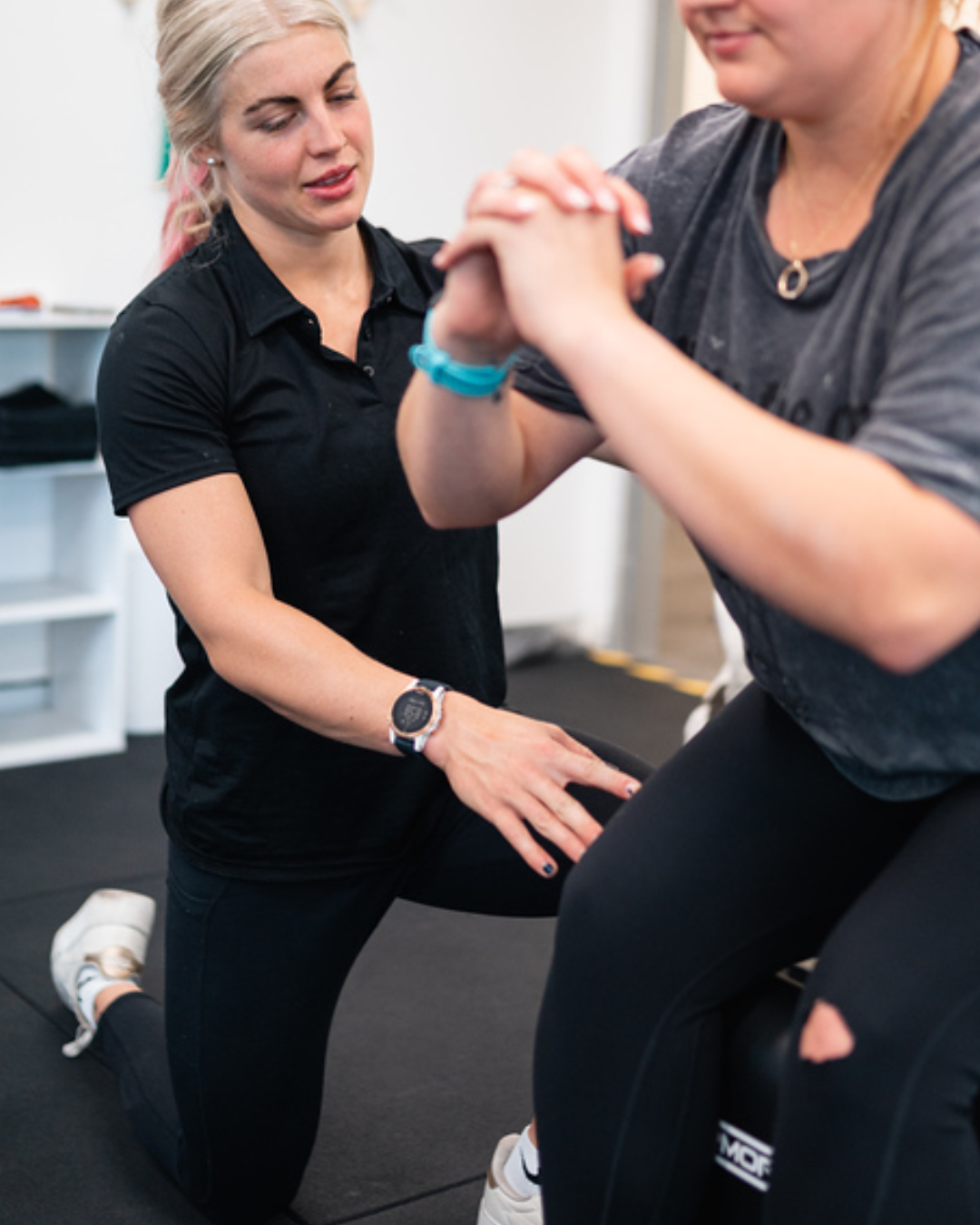
What the recovery pathway looks like
Recovery from ACL tear takes 9 to 12 months minimum, regardless of whether you have surgery or not. This isn't a conservative estimate, it's where the evidence consistently sits for safe return to sport.
The 9-month minimum is driven by two things: the biology of graft maturation (the graft actually gets weaker before it gets stronger, reaching its lowest point around 6–8 weeks post-op), and the time genuinely needed to rebuild the strength, neuromuscular control, and movement quality required for sport. Athletes who return before 9 months, or before reaching objective strength benchmarks, reinjure at significantly higher rates.
We know that's a long time. We also know it's the right call,and we build our entire program around making those months as productive, supported, and clearly progressed as possible.
Prehab (Before Surgery)
Goal: Arrive at surgery as strong, mobile, and prepared as possible.
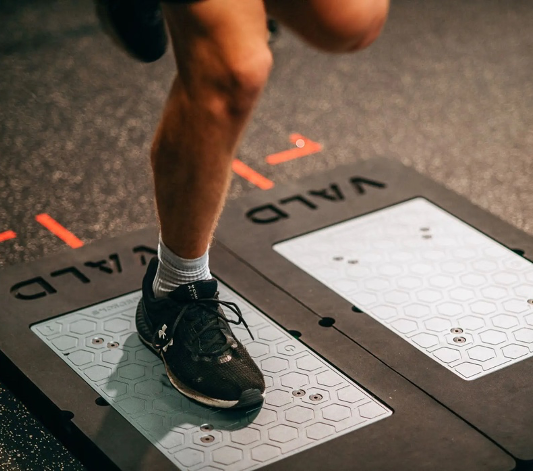
We also use this phase to establish baseline strength measurements on the VALD ForceDecks, giving us data to track your progress against throughout recovery. Exercises in this stage will generally involve the following:
- Range of motion
- Quad activation
- Basic strength
- Balance work
- Low-impact cardio
Phase 1
Foundation (weeks 1–12 post-op)
Goal: Restore normal movement, manage pain and swelling, begin building strength.
The first weeks are the most physically and emotionally demanding part of the journey. The goals are getting swelling down, restoring full movement, learning to walk normally again, and beginning to build strength. Nothing is rushed , everything is guided by how your knee responds week to week.
- Weeks 1–3: Range of motion work, quad activation, calf raises, stationary bike, and gait retraining to restore a normal heel-to-toe walking pattern.
- Weeks 3–8: Leg press, mini squats, step-ups, progressively loaded calf raises, balance board work, and swimming as wounds allow.
- Weeks 8–12: Deeper squats and lunges, single leg press, hip strengthening (glute bridges, clamshells, lateral band walks), proprioception progressions, and stationary bike intervals.
Ready to progress when: swelling is consistently settled, knee bends and straightens to the same degree as the other side, you're walking normally without a limp, quad strength reaches around 70% of your other leg on testing, and pain is 2/10 or less with daily activities.
Phase 2
Strength (weeks 12–24 post-op)
Goal: Build the physical foundations the knee needs to handle sport.
This is where the real physical work happens. The focus shifts to building quad, hamstring, glute, and calf strength, alongside proprioception training that retrains the brain-to-knee connection disrupted by the injury. Toward the end of this phase, early return-to-sport movement patterns are introduced as testing results allow.
- Weeks 12–16: Barbell squats, Romanian deadlifts, single leg press, Bulgarian split squats, Nordic hamstring curls, loaded step-ups, heavy single leg calf raises, and advanced balance work.
- Weeks 16–20: Heavier compound lifting, double leg plyometric introduction (box jumps, broad jumps), lateral hip work, straight line jogging, and Y-balance testing.
- Weeks 20–24: Single leg plyometrics, early change of direction, running progressions, sport-specific movement patterns, and agility ladder drills.
Ready to progress when: quad and hamstring strength both reach 85% of your other leg, single leg hop distance reaches 85%, single leg balance is solid with eyes closed, pain is zero with all gym activity, and ACL-RSI psychological readiness score reaches 56/100.
Phase 3
Performance (9 months post-op and beyond)
Goal: Return to sport safely, with data to back it up.
By this point you're strong and moving well. The work now is specifically about preparing you for the real demands of your sport such as landing from height, cutting at speed, reactive change of direction, and sport-specific patterns under fatigue. We also address the psychological side of return to sport deliberately, because fear of reinjury is real, common, and directly linked to reinjury risk.
- Ongoing gym work: Heavy compound lifting maintained, loaded single leg work, advanced and reactive plyometrics including depth drops and bounding.
- On-field work: Sprint progressions to full speed, cutting and change of direction at match intensity, reactive agility drills, bounding, and sport-specific patterns relevant to your sport.
- Landing mechanics: Repeated drop jump assessment, single and double leg landing drills from varying heights and directions, and fatigue-state landing — because mechanics breaking down when you're tired is when real injuries happen.
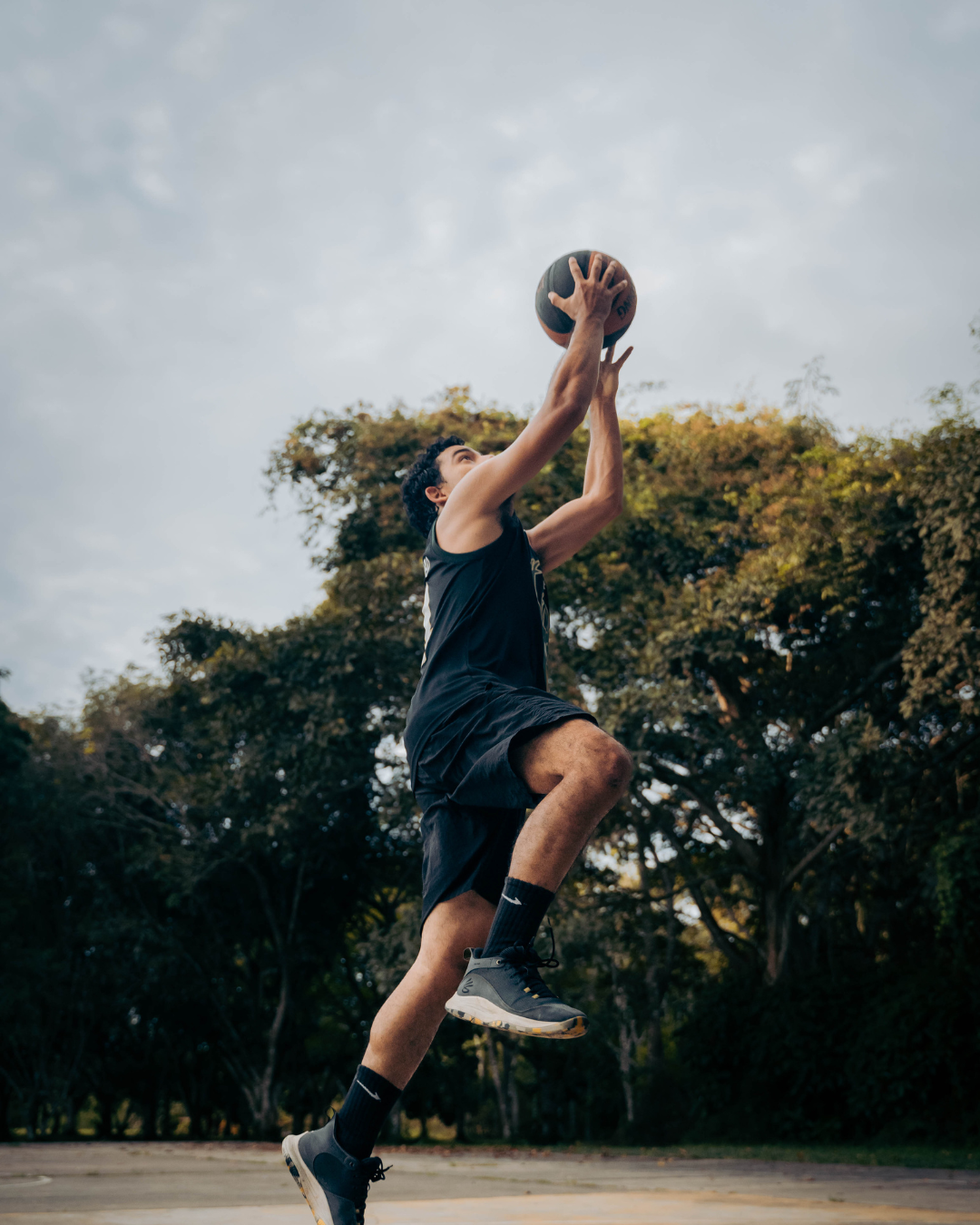
Cleared to return when: quad and hamstring strength reach 90% of your other leg, three hop tests all reach 90%, landing mechanics are sound, you've completed a full sport-specific progression without pain or apprehension, ACL-RSI score reaches 65/100, and a minimum of 9 months post-op has passed.
After Clearance
Getting cleared is a significant milestone — but it's not the end of the story. The first 1–2 seasons back carry an elevated reinjury risk, and ongoing maintenance of strength, proprioception, and movement quality is something we'd strongly recommend for as long as you're playing sport. Your physio will talk through what ongoing support makes sense for your situation at the time of clearance.
What Makes Active Balance Different?
- A special focus on ACL rehab Our physios have completed additional study and clinical development in ACL management — surgical and non-surgical — beyond standard physiotherapy training. ACL rehab is something we care deeply about and have worked hard to do well.
- Objective testing throughout We use VALD ForceDecks and Dynamo for strength and balance testing at every key stage of your rehab. Every decision about your progress is based on data, not on how you feel or how much time has passed. You'll always know exactly where you stand.
- The facilities to match Our onsite gym is fully equipped with barbells, racks, and cardio equipment. For end-stage rehab such as running, cutting, jumping, change of direction, we have access to local sporting facilities so your training actually mimics what returning to sport demands.
- A program built around you Your age, sport, goals, lifestyle, and how your body responds all shape your program. No two ACL rehabs look the same here. No cookie-cutter programs.
- You're never left in the dark We communicate regularly with your surgeon, GP, and coaches, and provide formal progress reports at key milestones. You have direct access to your physio throughout via Zanda messaging or email.
- A community going through the same thing We run dedicated ACL group sessions run each week. Small groups of 3–4 people, fully individualised programs, physio supervised. Doing this alongside someone who understands what you're going through makes a genuine difference.
- Strong relationships across Adelaide We have established working relationships with a number of Adelaide's orthopaedic surgeons and sports medicine clinics. If you need a referral, a second opinion, or better coordination between your surgical and rehab teams, we can help make that happen.
Frequently Asked Questions
How do surgeons decide what graft to use? Your surgeon will consider your age, sport, activity goals, anatomy, and personal preferences. Hamstring grafts are the most common in Australia. Patella tendon is favoured by some surgeons for high-demand athletes. Allografts suit certain patients well, particularly those wanting to avoid donor site discomfort. Synthetic grafts are a newer option with a developing evidence base. A thorough pre-operative conversation with your surgeon is essential — and we're happy to help you prepare for it.
Why does ACL rehab take so long? Primarily because of graft biology and the time needed to build genuine neuromuscular readiness. A hamstring or patella tendon graft goes through a process called ligamentisation — where it gradually remodels into functional ligament tissue — which takes the better part of a year. During this process the graft is actually at its weakest around the 6–8 weeks post-op, which is why the early months are so carefully managed. Rebuilding the strength, balance, and movement quality needed for sport safely also simply takes time. The 9-month minimum isn't arbitrary — it's where the evidence sits for meaningful reinjury risk reduction.
Can I re-tear it? Yes — and this is something we take very seriously throughout the entire program. Reinjury rates for athletes who return to sport before hitting objective strength benchmarks are alarmingly high. Returning at 9 months with quad and hamstring strength at 90% of the other side dramatically reduces that risk. This is why the data matters, and why we don't rush the process.
Our Physiotherapy Team
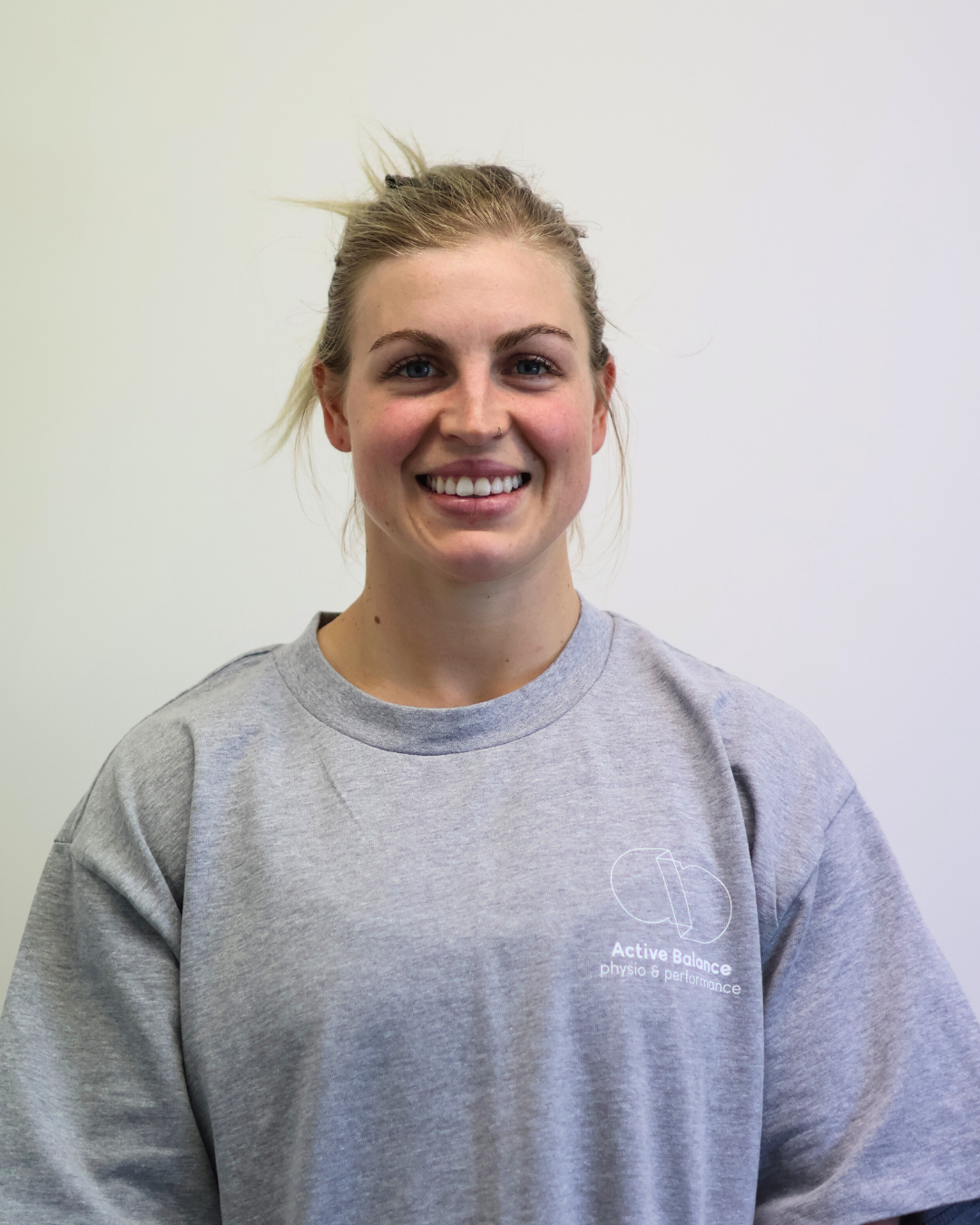
Emily Clements
Physiotherapist
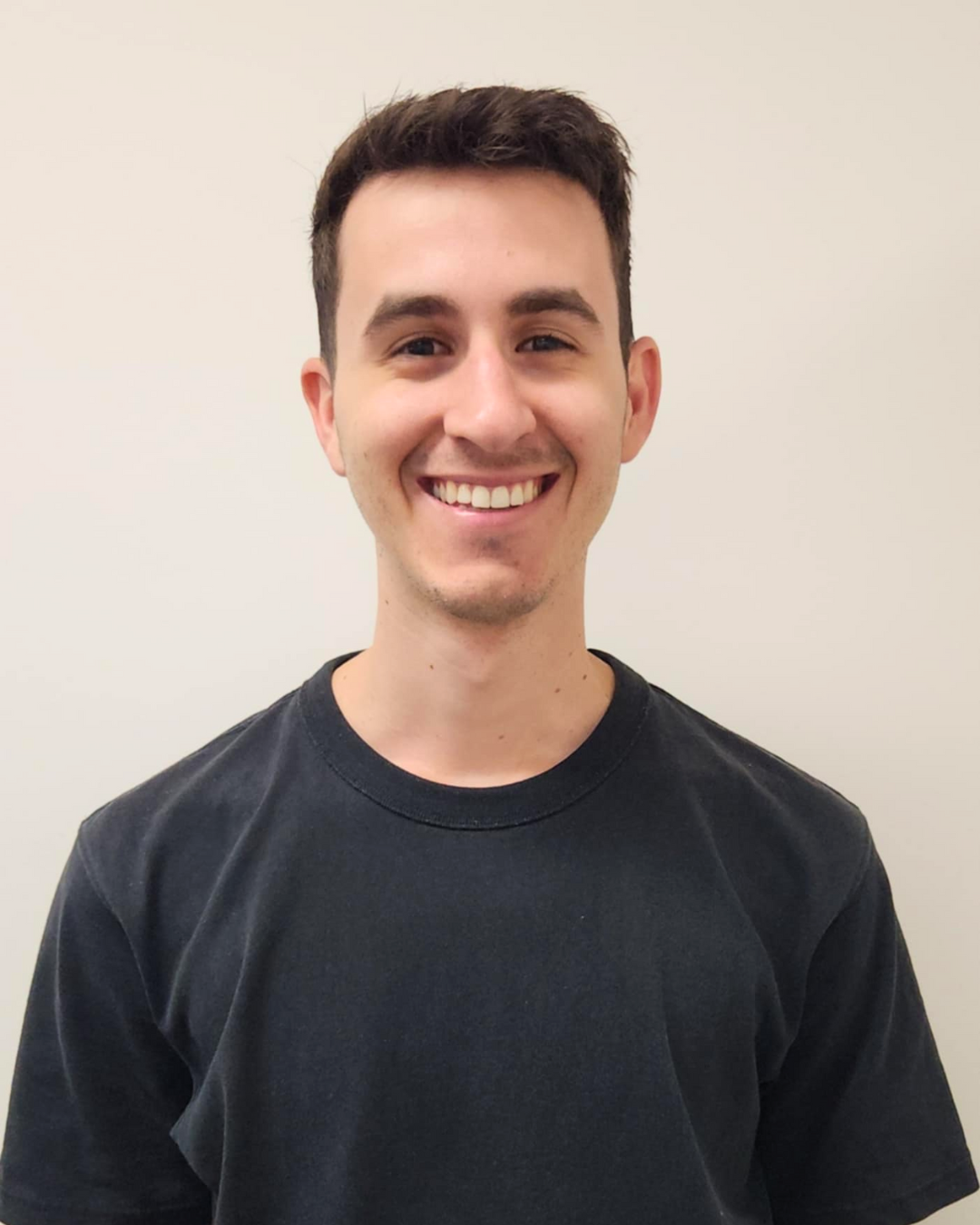
Alexander Muscat
Physiotherapist
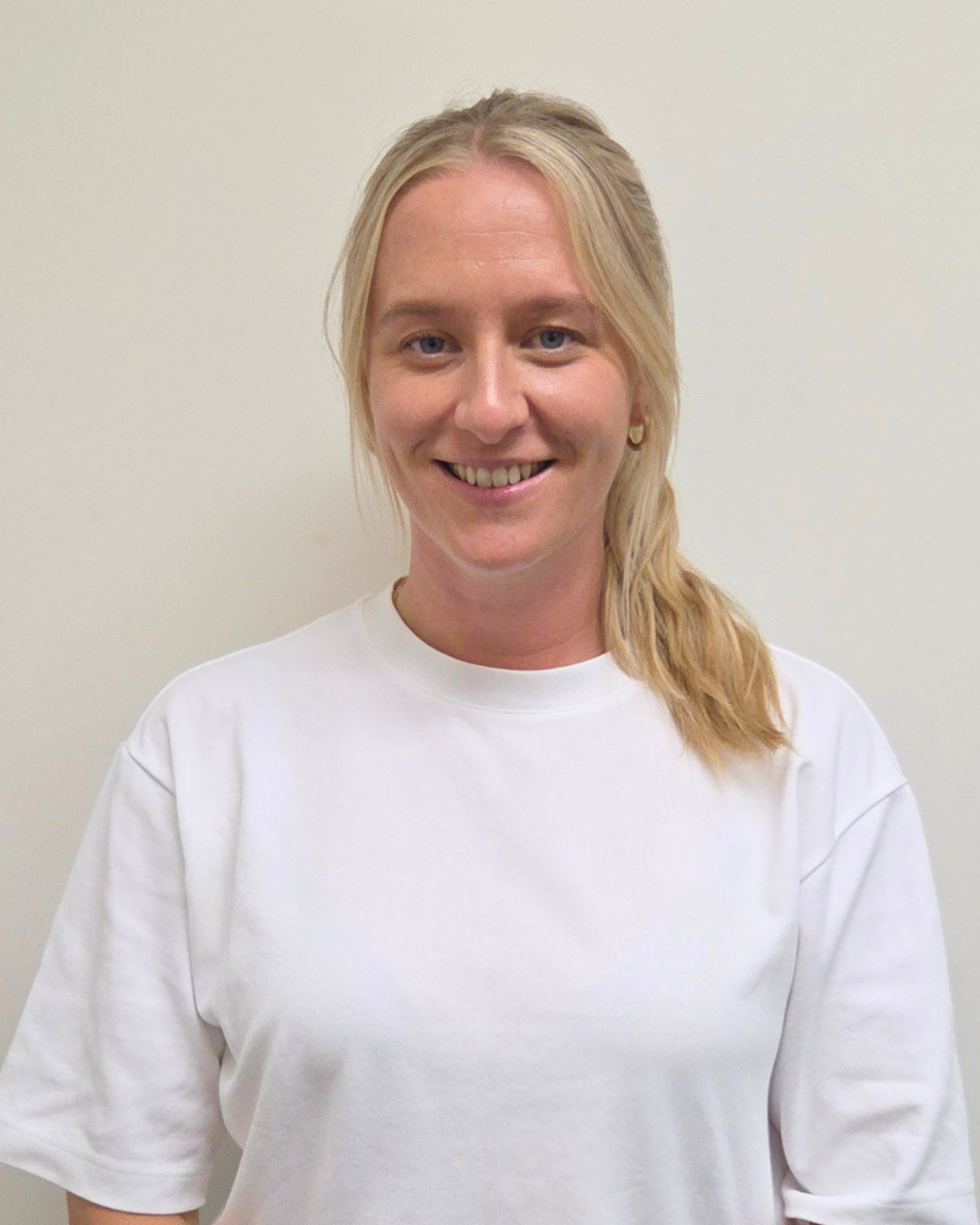
Talia Alt
Physiotherapist