
ACL Rehab Membership Programs
Introducing Our ACL Rehabilitation Membership Packages: Fully structured, physio-led programs that takes you from day one through to return-to-sport clearance.
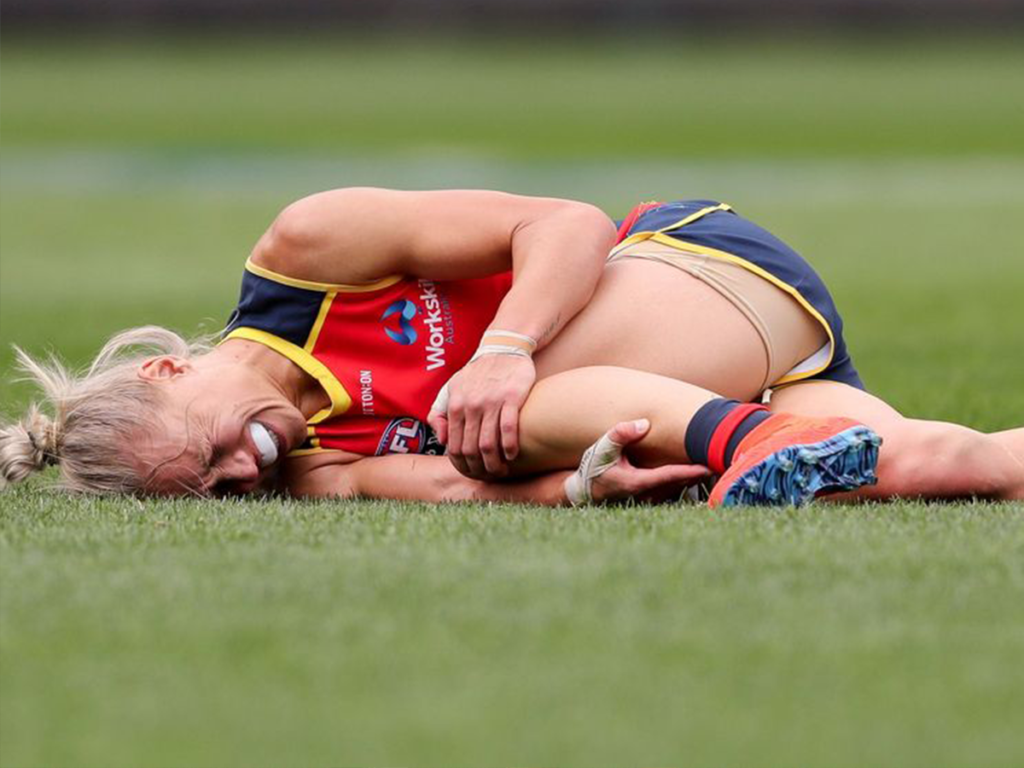
ACL Injuries: What You Need to Know
An ACL injury still is one of the most significant injuries an athlete can face. The road back is long, and how you manage it matters enormously, not just for getting back to sport, but for staying there.
The reality is that a full ACL rehabilitation takes 9–12 months minimum. Whether you piece it together session by session or follow a structured program, you'll need to invest significant time, money, and energy either way. The difference is whether you arrive at the end with confidence, data, and clearance, or just hoping for the best.
Introducing Our ACL Rehabilitation Packages
A fully structured, physio-led program that takes you from day one through to return-to-sport clearance. Every phase is designed around what your knee actually needs at that point in recovery, not a one-size-fits-all approach.
Who This Is For?
If you want to get back to sport such as footy, netball, basketball, soccer, tennis, skiing, or anything else that involves running, cutting, jumping, or change of direction, this page is written for you.
Intensive, structured, ongoing rehabilitation isn't just an in the case of returning after ACL tear. It's the only path that gives you a proper chance of returning to sport safely and staying there.
The research on this is unambiguous. Athletes who go through half-measures, rush the timeline, or skip the objective testing and criteria-based progression are often the ones who re-tear. Many of them never get back to the level they were at before.
That said, we'd recommend structured rehabilitation to every ACL patient regardless of sporting goals. Even if returning to competitive sport isn't on your radar, proper rehab protects your knee long-term, reducing the risk of reinjury, premature arthritis, ongoing instability, and the kind of compensatory issues that follow a poorly rehabilitated knee for years. The difference is that for non-sporting patients there's a little more flexibility in how intensive and structured that looks.
For athletes, there really is no flexibility. If you want to get back on the field, the court, or the slope, this is what it takes.
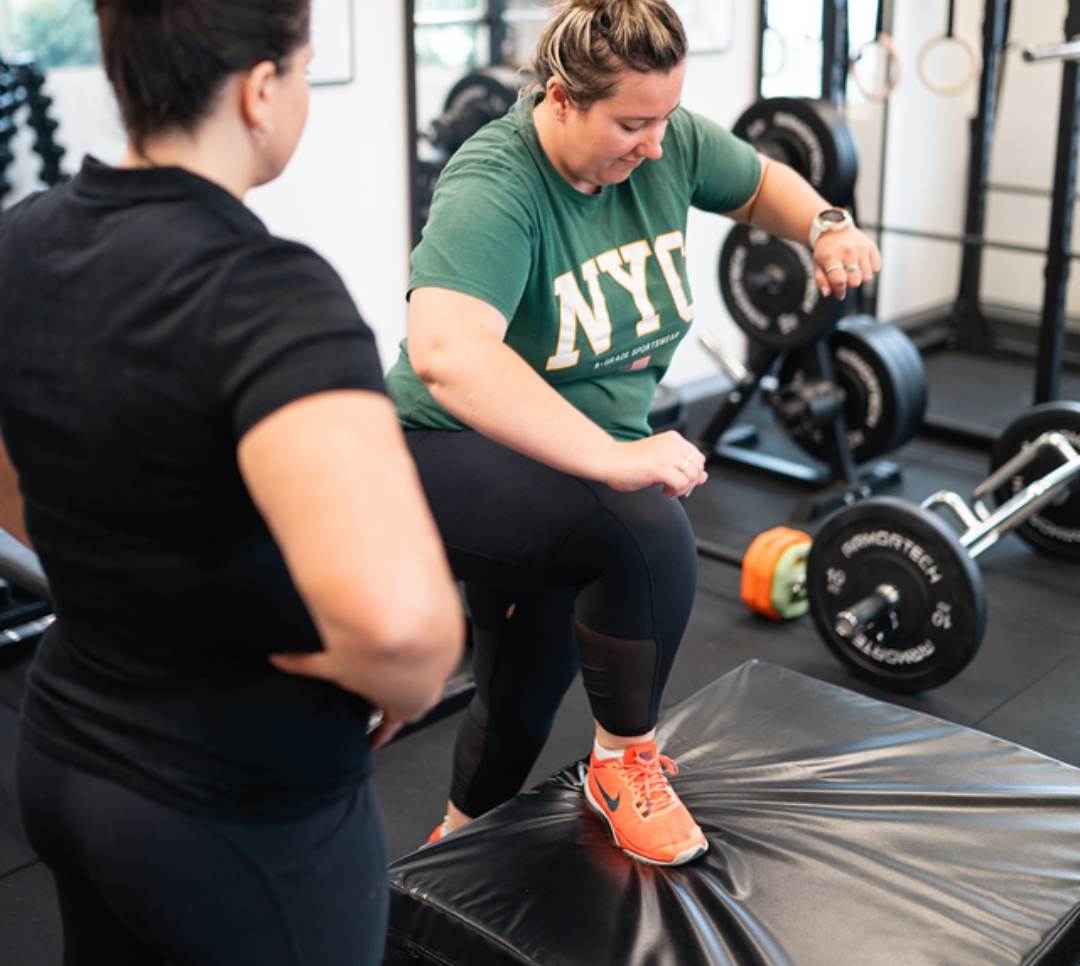
ACL Rehab Is Hard.
For Athletes, It's Also Non-Negotiable.
Whether you have surgery or manage conservatively, whether you're 17 or 50, whether you play elite or weekend competition - if you want your knee to handle the demands of sport again, you need rehabilitation. Intensive, ongoing, tailored rehabilitation. The kind that doesn't stop when you feel better. The kind that continues until the data says you're ready.
This isn't optional. It isn't something you can do halfway and get full results from. The graft placed during surgery, or the healing ligament in conservative management, needs to be progressively loaded, challenged, and tested over many months before it's ready to handle cutting, landing, pivoting, and contact. The muscles around the knee need to be rebuilt from scratch. The balance and neuromuscular systems disrupted by the injury need to be retrained deliberately. The psychological readiness to cut at full speed, contest a mark, or drive to the basket without hesitation needs to be developed, not assumed.
Skip any of that, or rush it, and the consequences can be serious. Athletes who return to sport before hitting objective strength benchmarks are significantly more likely to re-tear. A second ACL injury is not just another setback, for many athletes it's a career-defining one.
The minimum benchmark for return to sport is 9 months. Not because it's a round number, but because that's where the evidence sits for meaningful reinjury risk reduction. And even at 9 months, you need to have earned it with data..
Unfortunately It's Also Expensive, However You Do It.
This is worth being honest and upfront about. A full ACL rehabilitation protocol, done properly, over the 9–12 months it actually takes, costs money. Whether you piece it together through individual appointments, manage it through a hospital program, or follow a structured private rehab pathway, the cumulative cost of consultations, gym programming, testing, and ongoing monitoring typically lands somewhere between $8,000 and $12,000 for most people.
That's not a reason to cut corners. It's a reason to make sure every dollar is working toward something, like clear milestones, measurable progress, and a team that knows where you're going and how to get you there.
The question isn't whether ACL rehab is going to cost you time and money. It will. The question is whether that investment is coordinated, progressive, and building toward a clear outcome, or scattered, reactive, and leaving too much to chance.
For athletes especially, the cost of doing it poorly, like another surgery, another 12 months out, potentially never returning to the same level, is far greater than the cost of doing it right the first time.
What a Structured Program Actually Gives You
Our ACL Rehabilitation Program exists because we've seen what happens when rehab is done well, and also what happens when it isn't.
Done well, it looks like this: an athlete who knows exactly where they are in their recovery, what they need to achieve to progress, and what the data says about their readiness at every stage. A physio who is tracking that data, adjusting the program, communicating with the surgical and coaching teams, and making decisions based on evidence, not intuition or time elapsed. An athlete who arrives at return-to-sport clearance with objective proof that their knee is ready, not just a feeling that it probably is.
That's what this program is built to deliver. And for athletes who want to get back to the sport they love and stay there, it's the standard of care we believe they deserve.
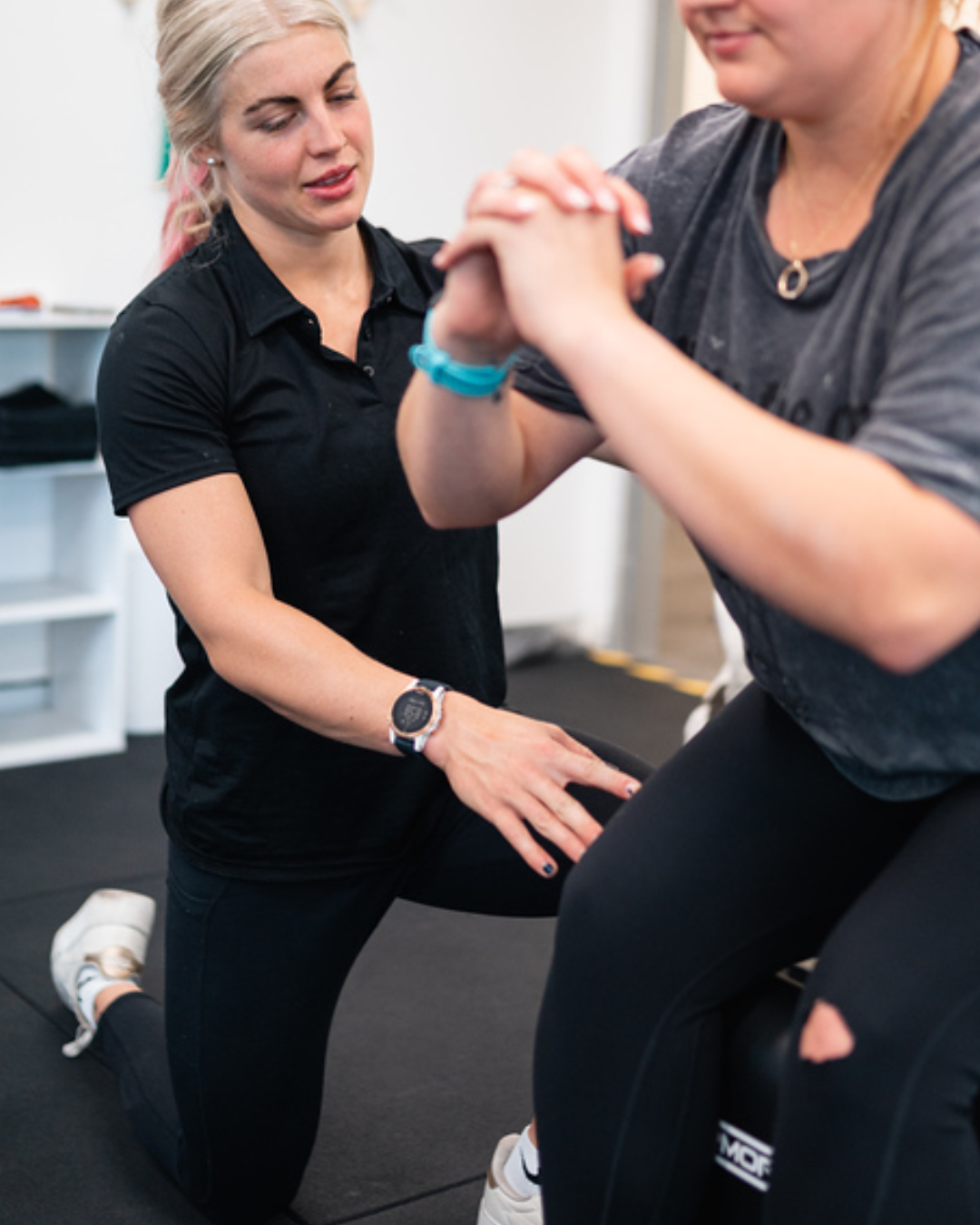
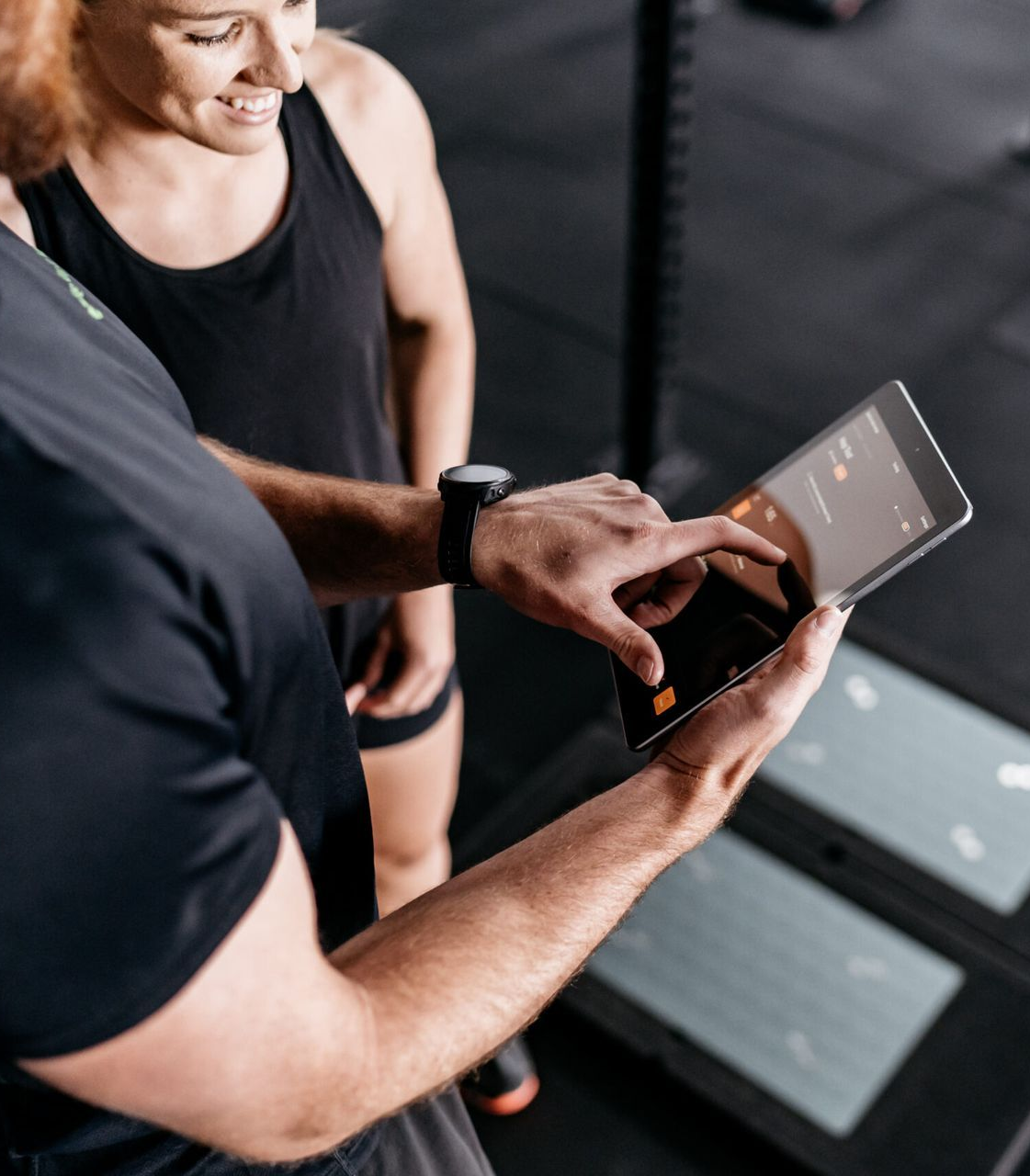
What's Included Across Every Phase
Regardless of which phase you're in:
- Hands-on physio contact tailored to your stage of recovery
- Supervised gym sessions (1:1 and group) so you're never training blind
- An individualised program to complete independently at home or your own gym
- Unlimited Normatec compression boots and infrared sauna for recovery
- Direct access to your physio via Zanda messaging or email within business hours
- Regular VALD ForceDecks strength and dynamometer testing so your progress is measured, not assumed
- Progress reports to your surgeon, GP, coach, or club at key milestones
The Four Phases
*A Note on Timing and Progression
The minimum duration for each phase (not including prehab) is generally 4 weeks, but most clients spend 8–12 weeks in each. Progression is never automatic and is never based on time alone, it requires meeting the objective criteria for that phase and a readiness conversation with your physio. Your physio will always be honest with you about where you are and what needs to happen before you move forward.
Phase 0 - Prehab
Duration 2–6 weeks (most clients 4–8 weeks)
Price $175/week
Goals
- Reduce swelling and effusion
- Restore quad strength
- Optimise range of motion
- Establish baseline movement and strength data
Inclusions
- 1 x hands-on physio session per week
- 1 x supervised 1:1 gym session with your physio per week
- Individualised program to complete independently (at home or your own gym) where appropriate
- Unlimited Normatec compression boots
- Unlimited infrared sauna
- Physio access via Zanda messaging or direct email (within business hours)
- Baseline VALD ForceDecks LSI assessment and report
Available to both pre-operative surgical patients and those pursuing conservative management. For conservative patients, the treating physio may recommend transitioning directly to Phase 1 depending on presentation.
Phase 1 - Acute Rehabilitation
Duration 6–16 weeks (minimum 4 weeks)
Price $250/week
Goals
- Pain and swelling management
- ROM restoration
- Gait retraining
- Restoration of daily function and confidence
- Introduction to supervised gym-based rehab
Inclusions
- 1 x hands-on physio session per week
- 1 x supervised 1:1 gym session per week with your physio
- 2 x supervised group gym sessions per week
- Individualised program to complete independently (at home or your own gym) where appropriate
- Unlimited Normatec compression boots
- Unlimited infrared sauna
- Physio access via Zanda messaging or direct email (within business hours)
- VALD ForceDecks & Dynamo assessment at phase entry and exit
Phase 2 - Strength & Proprioception
Duration 12–24 weeks (minimum 4 weeks)
Price $150/week
Goals
- Progressive lower limb strength
- Neuromuscular control
- Balance and proprioception
- Introduction to RTS movement drills as appropriate
Inclusions
- 1 x hands-on physio session per fortnight
- 1 x supervised 1:1 gym session per fortnight (alternating with hands-on)
- 1 x group gym session per week
- Unlimited unsupervised gym access
- Individualised program to complete independently (at home or your own gym) where appropriate
- Unlimited Normatec compression boots
- Unlimited infrared sauna
- Physio access via Zanda messaging or direct email (within business hours)
- VALD ForceDecks LSI assessment at phase entry and exit
Phase 3 -Performance (Return-to-Sport Preparation)
Duration 10–16 weeks (minimum 4 weeks)
Price $99/week
Goals
- Return to sport drill progression
- Advanced proprioception
- Landing mechanics and deceleration training
- Psychological readiness for return to full training and competition
Inclusions
- 1 x 1:1 physio check-in per fortnight
- Unlimited unsupervised gym access
- Individualised program to complete independently (at home or your own gym) where appropriate
- Unlimited Normatec compression boots
- Unlimited infrared sauna
- Physio access via Zanda messaging or direct email (within business hours)
- Final VALD ForceDecks LSI hop testing battery and RTS clearance report
- Coach/club notification and clearance documentation as required
Progress When You're Ready — Not When the Calendar Says So
Every transition between phases is based on objective criteria: strength benchmarks on ForceDecks, movement quality, hop testing, pain levels, psychological readiness scores, and a direct conversation with your physio. This program doesn't tick boxes — it earns them.
Research consistently shows that athletes who return to sport before reaching 90% limb symmetry strength are significantly more likely to re-injure. We use ForceDecks and dynamometer testing throughout to make sure that never becomes your story.
Private Health Insurance
All phases are claimable with eligible private health funds.
Payment is made in full via direct debit or advance payment, with receipts provided for private health claiming on completion of sessions.
Ready to Start?
Whether you're pre-op, freshly post-surgery, or somewhere in the middle of a rehab that's lost direction — we can assess where you are and get you into the right phase.
The road is long. But it has an end. And for athletes who do it properly, it ends back on the field — with data to prove they're ready to be there.
Frequently Asked Questions
Are all ACL rehab programs the same?
No — and this matters more than most people realise. A generic gym program or standard weekly physio consult without objective testing, structured progression, and criteria-based advancement is a very different proposition to a program built around ForceDecks data, regular supervised sessions, and documented milestones. The rehab determines whether the surgery (and the recovery) succeeds. It deserves the same level of attention.
What does ACL rehab actually cost?
A full ACL recovery, however it's managed — typically costs somewhere between $8,000 and $12,000 when you account for all the consultations, testing, gym programming, and support involved across 9–12 months. Our program structures that investment into a clear, progressive pathway with private health rebates available on eligible consultations.
Can I claim on private health insurance?
Yes. All phases are claimable with eligible private health funds. Payment is made in full via direct debit or advance payment, with receipts provided for private health claiming on completion of sessions.
What if I'm not ready to commit to the full program?
That's completely fine — the program isn't the only way to work with us. We see many ACL clients through regular appointments and can build a structured approach that suits your situation. A consultation is a good place to start regardless of which direction you go.
Can I join the program if I'm already partway through my rehab?
Yes. We can assess where you are and place you into the appropriate phase based on your current strength, movement, and clinical presentation. You don't need to start from the beginning.
What if I'm not returning to sport?
The program is designed with athletes in mind, but the principles apply to everyone. We'd still recommend structured, criteria-based rehabilitation for all ACL patients — the goals and timeline just look a little different when high-level sport isn't the endpoint. Talk to us about what's right for your situation.
Our Physiotherapy Team
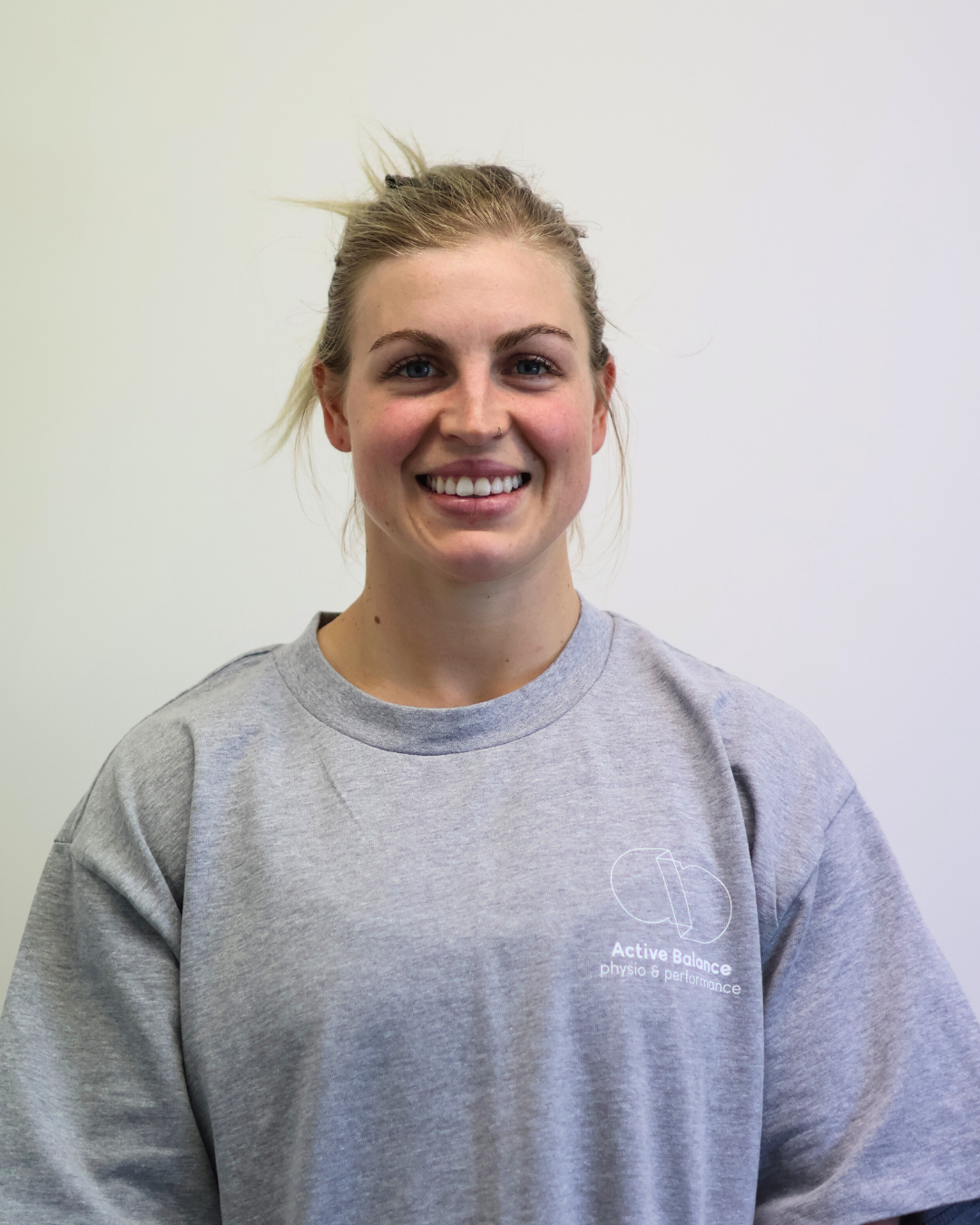
Emily Clements
Physiotherapist
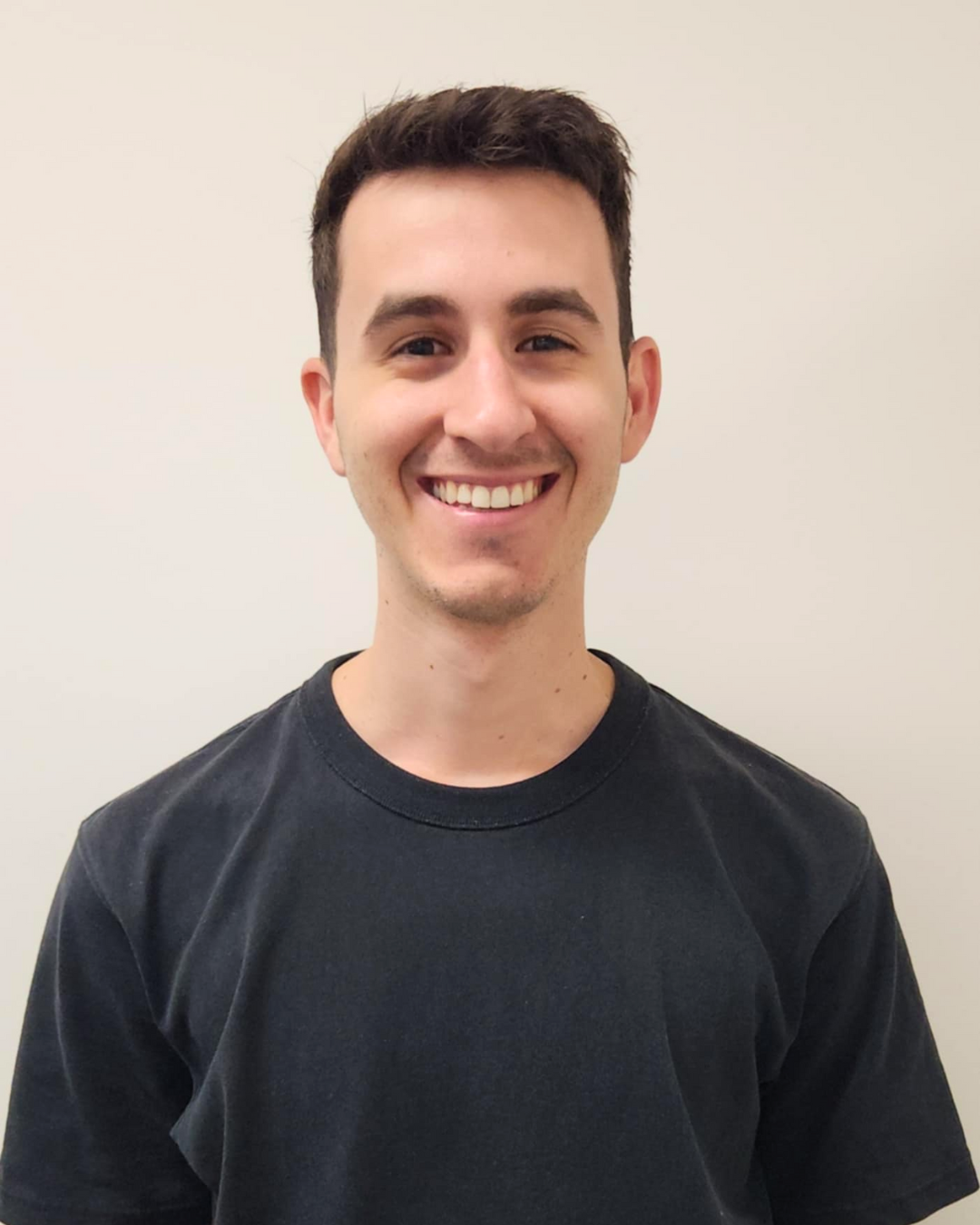
Alexander Muscat
Physiotherapist
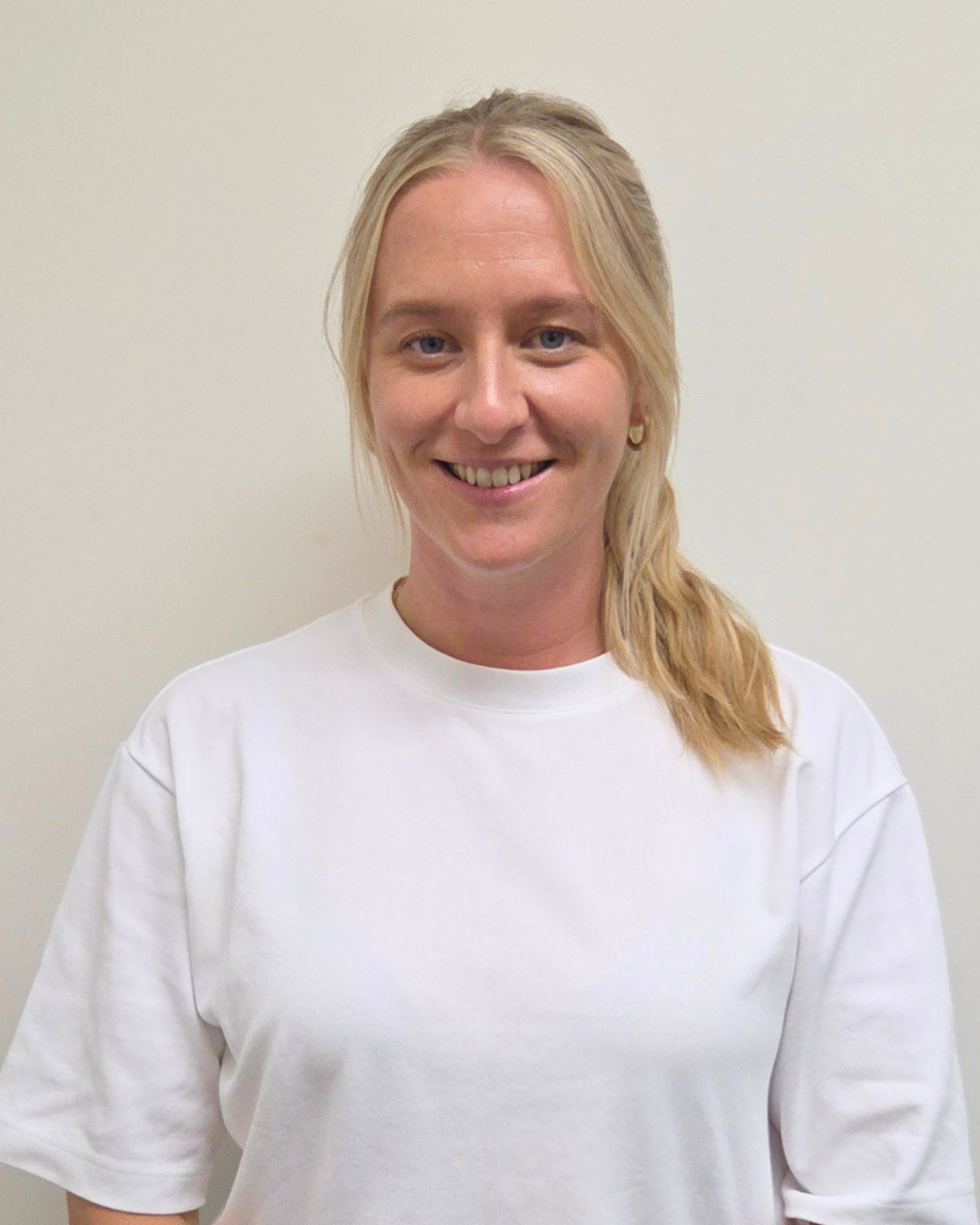
Talia Alt
Physiotherapist