
SLAP Lesion Treatment Adelaide
Deep shoulder pain, clicking or a feeling of instability that just won't settle? A SLAP lesion can be frustrating and limiting — especially for active people and those who use their arms overhead. Our experienced team can help you understand your injury, reduce pain and work towards a confident return to the activities you love.
Acute Wry Neck Treatment Adelaide | Sudden Neck Pain Physio St Marys
Slap lesion Treatment in Adelaide
What Is a SLAP Lesion?
A SLAP lesion (or SLAP tear) is an injury to the labrum of the shoulder. The labrum is a ring of fibrocartilage that lines the shoulder socket, deepening the joint and helping keep the ball of the upper arm bone stable. SLAP stands for Superior Labrum Anterior to Posterior, describing the location of the tear at the top of the labrum, running from front to back.
The labrum also serves as the attachment point for the long head of the biceps tendon, which is why SLAP lesions often cause pain with lifting, throwing and overhead activities.
SLAP tears range in severity and are classified into types based on the extent and pattern of the tear. Not all SLAP lesions require surgery — many respond well to physiotherapy, particularly when managed early and appropriately.
The shoulder labrum:
- Deepens the shallow shoulder socket to improve stability
- Acts as a bumper that keeps the ball of the joint centred
- Serves as the anchor point for the long head of the biceps tendon
- Works alongside the rotator cuff and surrounding muscles to control shoulder movement
Common Symptoms of a SLAP Lesion
Symptoms can vary depending on the severity and type of tear. You may notice:
- Deep aching pain inside the shoulder joint
- Pain with overhead activities such as reaching or throwing
- A clicking, catching or popping sensation in the shoulder
- Feeling of shoulder instability or that the joint may give way
- Pain or weakness with lifting
- Discomfort at the front of the shoulder where the biceps attaches
- Pain sleeping on the affected side
- Reduced throwing speed or accuracy in throwing athletes
- Pain when carrying objects at your side
- Symptoms that are difficult to pinpoint to one specific spot
Symptoms are often worsened by activities that load the biceps tendon or place the arm in an overhead or behind-the-body position.
What Can Cause a SLAP Lesion?
SLAP tears can result from a single injury or develop gradually over time through repetitive stress. Common causes and contributing factors include:
- A fall onto an outstretched arm
- A sudden pull or traction force through the arm
- Repetitive overhead movements in sport or work (throwing, swimming, tennis, painting, trade work)
- Dislocation or subluxation of the shoulder
- Gradual wear and degeneration, particularly in those over 40
- Weightlifting movements such as bench press or overhead press
- Contact sport impacts to the shoulder
- Poor shoulder blade control placing excess load on the labrum
SLAP lesions are particularly common in overhead athletes — including cricketers, baseball players, swimmers and tennis players — as well as in people who perform repetitive overhead tasks at work.
A thorough assessment helps clarify the diagnosis and determine whether physiotherapy, further investigation or specialist referral is the most appropriate next step.
How Physiotherapy Can Help a SLAP Lesion
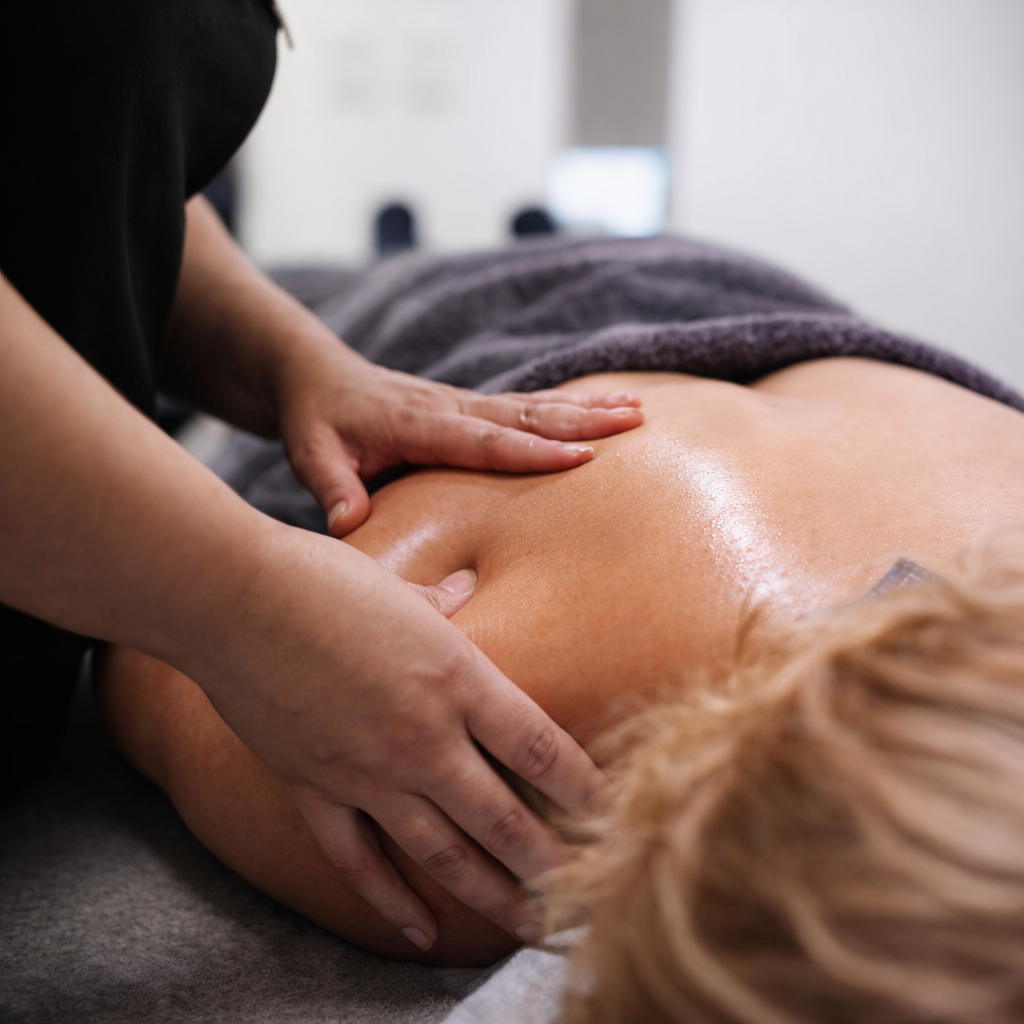
Our physiotherapists are highly hands-on in their approach — using manual therapy and soft tissue techniques as a core part of treatment, not just as an afterthought. For SLAP lesions in particular, restoring joint mechanics, reducing muscle guarding and improving the way the shoulder moves are all critical to a successful outcome, and these are areas where skilled hands-on treatment makes a real difference.
Our physiotherapists take time to understand your specific injury, your activities and your goals — and build a treatment plan around them.
Where appropriate, treatment may include:
- Joint mobilisation of the shoulder, thoracic spine and shoulder blade to restore movement and reduce pain
- Soft tissue release to the rotator cuff, biceps, pectorals and posterior shoulder to reduce guarding and improve mobility
- Manual therapy to the neck and upper back to address any referred pain or compensatory stiffness
- Dry needling to tight or overloaded muscles around the shoulder girdle where appropriate
- Taping to support the shoulder and improve movement patterns during recovery
- Rotator cuff and scapular stabilisation exercises
- Activity modification to allow tissue recovery
- Sport-specific or work-specific rehabilitation
- Guidance on returning to throwing, overhead sport or manual work
- Pre-surgical preparation if surgery is planned
- Post-surgical rehabilitation following SLAP repair
The right approach depends on the type and severity of your tear, your age, activity level and what you need to get back to doing.
How Strengthening and Rehabilitation Helps
Whether you are managing your SLAP lesion conservatively or recovering from surgery, rehabilitation is the foundation of a successful outcome.
Shoulder Stabilisation
- Rotator cuff activation and progressive strengthening
- Scapular control and positioning
- Posterior shoulder and upper back flexibility
- Shoulder blade and thoracic mobility work
- Joint position sense and neuromuscular control
Return to Activity
- Progressive upper limb loading
- Sport-specific drills and throwing progressions
- Overhead strength and endurance training
- Return-to-work task conditioning
- Gradual return to gym, contact sport or manual labour
The goal is a shoulder that is not just pain-free, but strong, stable and able to meet the demands of your lifestyle.
Do I Need Surgery for a SLAP Lesion?
Not necessarily. The decision depends on several factors including the type and extent of the tear, your age, activity level and how your shoulder responds to conservative management.
Physiotherapy alone is often successful for:
- Lower-grade SLAP tears (Type I and II in some cases)
- Degenerative tears in older or less active individuals
- Patients who do not require high-level throwing or overhead sport
- Those who respond well to a structured rehabilitation programme
Surgical referral may be considered if:
- Symptoms persist despite adequate physiotherapy
- There is significant instability or a large complex tear
- You are a competitive overhead athlete requiring full return to throwing
- There is an associated biceps tendon injury requiring repair
- If you are unsure whether your shoulder needs surgery, a physiotherapy assessment is a sensible starting point. We can also liaise with your GP or specialist as needed.
Why Choose Active Balance Physio & Wellness?
Experienced multidisciplinary team
Physio-led integrated care
Physio, massage, myo & rehab under one roof
Individualised treatment plans
Friendly, caring team focused on results
Convenient Adelaide location
After-hours appointments available
Frequently Asked Questions
- What is a SLAP lesion? A SLAP lesion is a tear of the superior labrum — the ring of cartilage that lines the top of the shoulder socket. The tear runs from the front to the back of the labrum (anterior to posterior), at the point where the biceps tendon attaches. SLAP lesions can cause deep shoulder pain, clicking and instability, particularly with overhead or throwing activities.
- Can a SLAP tear heal without surgery? Many SLAP tears, particularly lower-grade or degenerative tears, can be managed successfully with physiotherapy without surgery. A structured rehabilitation programme focusing on rotator cuff strength, scapular control and load management can lead to excellent outcomes. Higher-grade tears in younger competitive athletes may require surgical repair, but this is assessed case by case.
- How long does recovery from a SLAP lesion take? Recovery time varies considerably depending on whether the injury is managed conservatively or surgically. Physiotherapy-managed SLAP lesions may show meaningful improvement within 3 to 6 months. Post-surgical recovery from a SLAP repair typically takes 4 to 6 months or longer before return to overhead sport, depending on the type of repair performed.
- How is a SLAP lesion diagnosed? A SLAP lesion is suspected based on a clinical assessment including your history, specific shoulder tests and symptom pattern. An MRI — often with contrast injected into the joint (MRI arthrogram) — is the most common imaging used to confirm the diagnosis. Your physiotherapist can guide you on whether imaging is warranted and provide a referral letter for your GP if needed.
- What sports are most associated with SLAP tears? SLAP lesions are most common in overhead throwing athletes — including cricketers, baseball players, swimmers, water polo players and tennis players. They also occur in weightlifters and in people who perform repetitive overhead tasks at work such as painters, plasterers and tradies.
- Is a SLAP lesion the same as a labral tear? A SLAP lesion is a specific type of labral tear — one that occurs at the top (superior) portion of the labrum. Other labral tears can occur at the front (Bankart lesion, associated with shoulder dislocation) or the back of the socket. The location and type of tear determines the symptoms and treatment approach.
- Can I still exercise with a SLAP lesion? In most cases, yes — with appropriate modifications. Your physiotherapist can guide you on which exercises are safe, which to avoid and how to progressively load your shoulder during recovery. Complete rest is rarely required and often counterproductive.
- What happens if a SLAP lesion is left untreated? An unmanaged SLAP lesion can lead to ongoing pain, progressive instability and difficulty returning to sport or work. Compensatory movement patterns may develop over time, placing excess load on surrounding structures. Early assessment and appropriate management leads to better outcomes.
When Should I Seek Further Medical Advice?
Seek prompt medical review if you experience:
- Significant trauma to the shoulder before symptoms began
- Sudden severe pain or inability to move the arm
- A shoulder dislocation or feeling the joint has come out
- Numbness, tingling or weakness travelling down the arm
- Marked swelling or bruising after an injury
- Symptoms that are rapidly worsening
- Concerns about the need for surgical review
✅Private Health Rebates
✅Same Week Appointments
✅Experienced Team
✅Onsite Parking
Ready to Get Your Shoulder Back on Track?
Whether you are managing a recent injury or a long-standing problem, our team can help you find the right path forward. Book with us today for a personalised assessment and treatment plan.