
BPPV & Vertigo Treatment Adelaide
Feeling dizzy, unsteady or like the room is spinning? Our experienced physiotherapy team specialises in diagnosing and treating BPPV and vestibular conditions — with hands-on treatment designed to get you back on your feet, often within just a few sessions.
Acute Wry Neck Treatment Adelaide | Sudden Neck Pain Physio St Marys
vertigo Treatment in Adelaide
What Is BPPV?
Benign Paroxysmal Positional Vertigo — commonly known as BPPV — is the most common cause of vertigo in adults. It causes sudden, intense episodes of dizziness triggered by specific head movements, such as rolling over in bed, looking up, or bending forward.
Despite how alarming the symptoms can feel, BPPV is not dangerous. It occurs when tiny calcium crystals (called otoliths or "ear rocks") become dislodged from their normal position inside the inner ear and migrate into one of the semicircular canals. This disrupts the signals your inner ear sends to your brain about head position — causing the characteristic spinning sensation.
The good news is that BPPV responds very well to physiotherapy. With the right assessment and repositioning technique, many people experience significant relief within one to three sessions.
Key Clinical Assessment
The Dix-Hallpike test is a simple positional assessment your physiotherapist performs to confirm BPPV and identify which ear canal is affected. This guides the specific repositioning technique used in your treatment.
Who Does BPPV Affect?
- Most common in adults over 40, though it can affect any age
- More common in women than men
- Can follow a head knock, prolonged bed rest or inner ear infection
- Can recur — effective management reduces future episodes
- Associated with migraine, osteoporosis and vestibular conditions
- Often appears without a clear cause
Common Symptoms of BPPV & Vertigo
Symptoms typically come on suddenly and are linked to changes in head position. You or a family member may notice:
- A sudden spinning sensation lasting seconds to a minute
- Dizziness when rolling over, lying down or sitting up
- Nausea — and occasionally vomiting — during an episode
- Unsteadiness or feeling "off balance" between episodes
- Dizziness when looking up or bending forward
- Brief but intense episodes triggered by head movements
- Fatigue and difficulty concentrating from persistent dizziness
- Anxiety about movement or falling, especially in older adults
- Difficulty with tasks requiring head movement (driving, screen work)
- A sense of the room moving even when you are still
What Can Contribute to BPPV & Dizziness?
BPPV can arise spontaneously, but certain factors are associated with higher risk:
- Age-related changes in the inner ear
- Head trauma or concussion
- Prolonged bed rest or immobility
- Inner ear infections (labyrinthitis or vestibular neuritis)
- Migraine-associated vestibular dysfunction
- Low vitamin D levels (linked to otolith dysfunction)
- Osteoporosis — associated with crystal fragility
- History of prior BPPV episodes
- Certain medications affecting the inner ear
- No identifiable cause (idiopathic) — very common
A thorough physiotherapy assessment helps identify the specific type and canal involved, and any contributing factors that may need addressing alongside primary treatment.
How Physiotherapy Can Help BPPV & Vertigo
Our physiotherapists take a structured, evidence-based approach from your very first appointment. Treatment begins with a careful assessment to confirm the diagnosis, identify which ear canal is affected and rule out other causes of dizziness that may require further medical review.
Rather than simply providing a home exercise sheet, we use hands-on repositioning techniques as the core of treatment — guiding the displaced crystals back to where they belong and restoring normal inner ear function. The goal is fast, effective symptom relief combined with the right rehabilitation to restore balance, reduce recurrence risk and improve your confidence with movement.

Treatment is tailored to your specific diagnosis, symptom severity and activity levels. Where appropriate, it may include:
- Epley Manoeuvre & Repositioning The gold-standard hands-on procedure to return displaced crystals to their correct position. Highly effective when applied to the correct canal — often providing relief within one to two sessions.
- Vestibular Rehabilitation A progressive programme to retrain your brain's processing of balance signals and reduce residual dizziness, gaze instability and sensitivity to head movement.
- Balance & Fall Prevention Structured balance retraining and dynamic stability exercises — particularly important for older adults at increased fall risk from vestibular dysfunction.
- Neck Treatment for Dizziness Manual therapy, soft tissue release and sensorimotor retraining for cervicogenic (neck-related) dizziness — a frequently missed cause of unsteadiness that responds well to targeted neck treatment.
- Gaze Stabilisation Exercises Targeted exercises to improve visual steadiness and reduce dizziness with head movement — addressing visual-vestibular mismatch common in ongoing vestibular conditions.
- Education & Self-Management Clear guidance on what to expect during recovery, safe head positioning, activity modification and how to manage a recurrence quickly and independently.
Many people come to us after weeks or months of dizziness — sometimes following multiple practitioners without a clear diagnosis or effective treatment. A targeted physiotherapy assessment and repositioning procedure can make a remarkable difference, often from the very first session.
How Vestibular Rehabilitation Helps
Once acute BPPV is resolved, some people continue to experience residual dizziness, unsteadiness or sensitivity to movement. A structured vestibular rehabilitation programme addresses these ongoing symptoms and prepares you to return to full activity with confidence.
| Vestibular Rehabilitation | Balance & Fall Prevention |
|---|---|
| • Habituation exercises to reduce movement sensitivity | • Single-leg balance and dynamic stability training |
| • Gaze stabilisation and visual-vestibular integration training | • Walking and turning exercises |
| • Postural and core stability work | • Dual-task activities for real-world demands |
| • Progressive balance challenges on stable and unstable surfaces | • Home environment advice to reduce fall risk |
| • Education on pacing and symptom management | • Graduated return to driving, sport and daily activities |
The aim is not just to stop the spinning — it is to restore your confidence in movement, reduce your risk of falls and equip you to manage any future episodes quickly and independently.
Can Dizziness Come From the Neck?
Yes — and it is more common than most people realise. Dizziness that originates from the neck is called cervicogenic dizziness, and it is one of the most frequently missed causes of ongoing balance problems and head unsteadiness.
The neck contains a dense network of sensory receptors — particularly in the joints and muscles of the upper cervical spine — that send constant signals to the brain about head position and movement. When these structures are irritated, stiff or injured, those signals can become distorted, leading to dizziness, unsteadiness and a vague feeling of being "off." This is distinct from the spinning vertigo of BPPV, and it does not respond to repositioning manoeuvres — it requires treatment directed at the neck itself.
How the Neck Causes Dizziness
Your brain cross-references signals from three sources to maintain balance: the inner ear, the eyes, and the sensory receptors in your neck joints and muscles. If the neck sends inaccurate signals — due to stiffness, joint dysfunction or muscle tension — the brain receives conflicting information. The result is dizziness, unsteadiness or a sensation of the environment feeling slightly unstable.
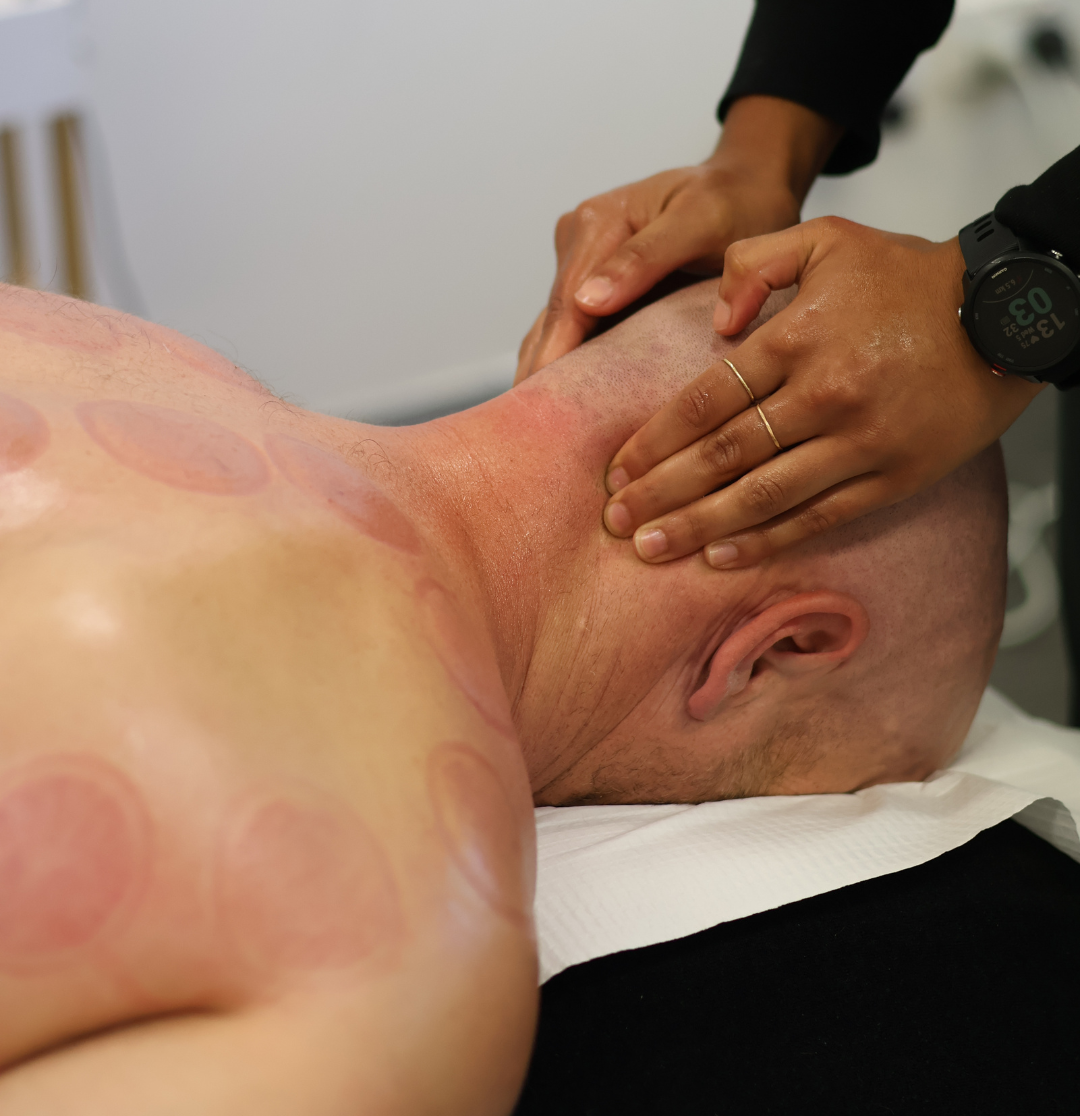
-Common features of cervicogenic dizziness
- Dizziness linked to neck movement or sustained postures
- Symptoms that follow neck pain, stiffness or a whiplash-type injury
- Worse with prolonged sitting, driving or screen use
- Headaches originating from the base of the skull
- Tightness or restricted movement in the upper neck
- A vague "floaty" or foggy feeling rather than true spinning
-How neck treatment helps
- Manual therapy to stiff cervical joints to restore accurate position sense
- Soft tissue release to tight suboccipital and neck muscles
- Cervical sensorimotor retraining — exercises that retrain the neck's positional signalling to the brain
- Postural correction and ergonomic advice
- Dry needling to the upper cervical & shoulder region where appropriate
- Graded return to driving, sport and sustained postures
It is also common for BPPV and cervicogenic dizziness to coexist — particularly following a head injury or whiplash. A thorough physiotherapy assessment will identify which component is driving your symptoms, and treatment can address both at the same time where needed.
Why Choose Active Balance Physio & Wellness?
Experienced multidisciplinary team
Physio-led integrated care
Physio, massage, myo & rehab under one roof
Individualised treatment plans
Friendly, caring team focused on results
Convenient Adelaide location
After-hours appointments available
When Should I Seek Further Medical Advice? 🚩
Physiotherapy is appropriate for most cases of BPPV. However, seek urgent medical review if you experience:
- Sudden severe headache alongside dizziness
- Dizziness following significant head trauma
- Double vision, slurred speech or difficulty swallowing
- Weakness or numbness in the face, arm or leg
- Constant dizziness that is worsening (not positional)
- Sudden new hearing loss or significant new tinnitus
- Difficulty walking or sudden loss of coordination
- Chest pain or palpitations alongside dizziness
- No improvement with appropriate management
Frequently Asked Questions
What is BPPV and is it serious? BPPV stands for Benign Paroxysmal Positional Vertigo. The word "benign" is important — the condition is not dangerous or life-threatening, even though the symptoms can be frightening. It does not cause permanent damage to the inner ear and responds very well to physiotherapy. If you are unsure whether your dizziness is BPPV, a physiotherapy assessment can clarify the diagnosis and determine the best treatment path.
How quickly can BPPV be treated? Many people experience significant or complete relief after one to three physiotherapy sessions. The Epley manoeuvre and other repositioning techniques are highly effective when applied to the correct canal. Some people need a follow-up session if symptoms partially resolve or if a different canal is involved.
Do I need a GP referral to see a physiotherapist for vertigo? No. You can book directly with our physiotherapy team without a GP referral. A referral is not required to access our services, though your GP may have provided one if they have already assessed you for dizziness. For most private health insurance claims, a GP referral is also not required to access physiotherapy rebates — though it is worth checking your specific policy.
Can BPPV come back? Yes — BPPV has a recurrence rate of around 15–50% over five years. People who have had it once are more likely to experience future episodes. Vestibular rehabilitation, vitamin D optimisation and addressing contributing factors can help reduce this risk. Many people who do experience a recurrence find that it resolves more quickly with a repeat repositioning session, particularly if they know what to expect.
What is the difference between BPPV and other causes of dizziness? BPPV causes brief, intense spinning vertigo triggered by head position changes. Other conditions — such as vestibular neuritis, labyrinthitis, Ménière's disease and cervicogenic dizziness — cause different patterns of dizziness and require different management. A physiotherapy assessment is the first step in identifying the cause and choosing the right treatment approach for your specific symptoms.
Is the Epley manoeuvre safe? Yes. The Epley manoeuvre is a gentle, well-researched repositioning technique that is safe for the vast majority of people. Temporary dizziness during the procedure is normal and typically settles within a minute. Your physiotherapist will guide you through the process, ensure you are comfortable at each stage and modify the technique if needed based on your response.
Can physiotherapy help with dizziness that is not BPPV? Yes. Vestibular rehabilitation is effective for a range of dizziness conditions beyond BPPV, including vestibular neuritis, post-concussion dizziness, persistent postural-perceptual dizziness (PPPD) and age-related balance problems. A physiotherapy assessment will determine whether your symptoms are appropriate for vestibular rehabilitation and what type of programme is most suitable.
Can BPPV cause falls? Yes — dizziness and unsteadiness from BPPV can increase fall risk, particularly in older adults. Balance and fall prevention training is an important part of management for those at higher risk. If you or a family member has had a fall related to dizziness, please mention this at your appointment so we can prioritise balance assessment and safety as part of your treatment plan.
Does BPPV need an X-ray or scan? In most cases, BPPV is diagnosed clinically — based on your history, symptoms and the Dix-Hallpike test — without the need for imaging. Imaging may be requested to rule out other causes if the diagnosis is unclear or symptoms are not improving as expected, particularly if you have any of the red-flag symptoms listed above.
Can dizziness come from my neck? Yes — cervicogenic dizziness is a well-recognised condition where dysfunction in the upper neck joints or muscles causes dizziness, unsteadiness and a vague "floaty" feeling. It is different from the spinning vertigo of BPPV and does not respond to ear repositioning techniques. Instead, treatment is directed at the neck — using manual therapy, soft tissue release and sensorimotor retraining exercises that help recalibrate the signals your neck sends to the brain. Many people with persistent dizziness who have not improved with inner ear treatment find significant relief once the neck is assessed and treated.
How do I know if my dizziness is coming from my neck or my inner ear? The pattern of symptoms can provide important clues. BPPV tends to cause brief, intense spinning episodes triggered by specific head position changes — rolling over in bed is a classic trigger. Cervicogenic dizziness more often presents as a vague unsteadiness or foggy sensation linked to neck posture, prolonged sitting or sustained head positions. Neck pain, stiffness or a history of whiplash alongside dizziness also raises the likelihood of a cervical component. In practice, both can coexist — a thorough physiotherapy assessment distinguishes between them and guides the right treatment approach.
Can massage or myotherapy help with dizziness? In some cases — particularly where dizziness has a cervical (neck) component — massage and myotherapy can complement physiotherapy management by reducing muscle tension and improving neck mobility. Your physiotherapist will advise whether combined treatment is appropriate for your presentation and can coordinate care across our team where relevant.
✅Private Health Rebates
✅Same Week Appointments
✅Experienced Team
✅Onsite Parking
Stop letting dizziness hold you back. Book with our team today and start a personalised plan to resolve your vertigo, restore your balance and get back to doing the things you love.