What Is Osteoarthritis?
Osteoarthritis is a degenerative joint condition characterised by the breakdown of cartilage — the smooth tissue that cushions the ends of bones within a joint. As cartilage wears, the joint can become painful, stiff and swollen. It most commonly affects the knees, hips, hands and spine, and becomes increasingly common with age.
It's important to understand what osteoarthritis is not. It is not simply "wear and tear" that worsens inevitably with movement. It is not a death sentence for the joint. And — critically — the severity of changes on imaging does not reliably predict the level of pain or disability a person experiences. Many people with significant osteoarthritis on an X-ray have minimal symptoms. Many people with significant pain have relatively mild imaging findings.
This disconnect between structure and symptoms is important because it means that improving how the joint functions — not fixing what it looks like on a scan — is the goal of treatment.
Why Strength Training Works
The muscles surrounding a joint are its primary shock absorbers and stabilisers. When they are strong and functioning well, they absorb load, distribute force evenly across the joint surface and reduce the stress placed on the cartilage and underlying bone.
When they are weak — which is almost universally the case in people with osteoarthritis, partly due to pain-related disuse — the joint is under-supported, load is distributed unevenly and pain and damage can worsen.
Strengthening these muscles doesn't just reduce pain in the short term. It addresses one of the primary mechanical drivers of osteoarthritis symptoms, producing lasting improvements in function and quality of life.
What the research shows
The evidence base for exercise and strength training in osteoarthritis is one of the strongest in musculoskeletal medicine. Major systematic reviews and clinical guidelines consistently show that:
- Progressive resistance training significantly reduces pain in knee and hip osteoarthritis
- Exercise produces comparable pain relief to anti-inflammatory medications in many people — without the side effects
- Strength training improves functional capacity — the ability to walk, climb stairs, stand up from a chair and perform daily activities
- Exercise reduces the risk of requiring joint replacement surgery, or delays the need for it
- The benefits are maintained long-term with consistent training
The American College of Rheumatology, Arthritis Australia and virtually every major musculoskeletal health body now lists exercise as a first-line treatment for osteoarthritis — above medication and well ahead of surgery for most people.
The Specific Benefits
- Increased muscle strength
Progressive resistance training builds the muscles around the affected joint — quadriceps and hamstrings for knee OA, gluteals and hip muscles for hip OA. Stronger muscles mean better joint support, more even load distribution and reduced pain with activity.
Osteoarthritis often produces a sense of instability or the joint "giving way" — particularly in the knee. Strengthening the surrounding musculature restores the dynamic stability that passive structures like cartilage and ligaments can no longer provide as reliably.
- Increased range of motion
Stiffness is one of the most common and limiting symptoms of osteoarthritis. Progressive exercise — particularly through a full range of motion — maintains and often improves joint mobility by reducing the muscular tightness and guarding that accompanies pain, and by stimulating synovial fluid production which lubricates the joint.
- Reduced pain and inflammation
This is perhaps the most counterintuitive benefit for people who assume that loading an arthritic joint will make it worse. Exercise has well-documented anti-inflammatory effects — reducing systemic inflammatory markers and producing local adaptations in the joint environment that reduce pain over time. Many people notice that consistent exercise actually reduces their baseline pain level, even if individual sessions feel challenging initially.
- Improved balance and coordination
Osteoarthritis — and the pain-related disuse that comes with it — reduces proprioception, the joint's ability to sense its own position and respond quickly to unexpected perturbations. This increases falls risk, which is a significant concern particularly in older adults. Strengthening exercises, particularly those performed on one leg or in unstable positions, restore proprioceptive function and meaningfully reduce falls risk.
All of the above combine to produce what ultimately matters most — the ability to do what you want and need to do with less pain and more confidence. Getting up from the floor to play with grandchildren, walking the dog without dreading the return journey, climbing stairs without holding the rail, continuing to work, garden or exercise — these are the outcomes that matter, and they are consistently achieved through progressive strength training in people with osteoarthritis.
Addressing the Fear of Making It Worse
The most common barrier to exercise in people with osteoarthritis is fear — fear of pain, fear of damaging the joint further, fear that movement is harmful.
This fear is understandable but largely unfounded. The research is clear that appropriately dosed exercise does not accelerate joint damage in osteoarthritis. Some discomfort during or after exercise is normal and expected — the body is adapting to a new load. The rule of thumb used in clinical practice is that mild discomfort during exercise that settles within 24 hours is acceptable and doesn't indicate harm.
What does cause harm is avoiding movement altogether — which leads to progressive muscle weakness, further joint instability and a worsening cycle of pain, disuse and decline.
What a Good Program Looks Like
For someone with osteoarthritis, a well-designed strength program should:
- Start conservatively and progress gradually — the joint and surrounding muscles need time to adapt
- Target the specific muscle groups most relevant to the affected joint — quadriceps, hamstrings and glutes for knee OA; glutes, hip abductors and hip flexors for hip OA
- Include both strengthening and functional movements — exercises that translate to the activities you want to get back to
- Be progressive — regularly increasing load, volume or complexity as capacity improves
- Be individualised — accounting for current strength level, any other health conditions and personal goals
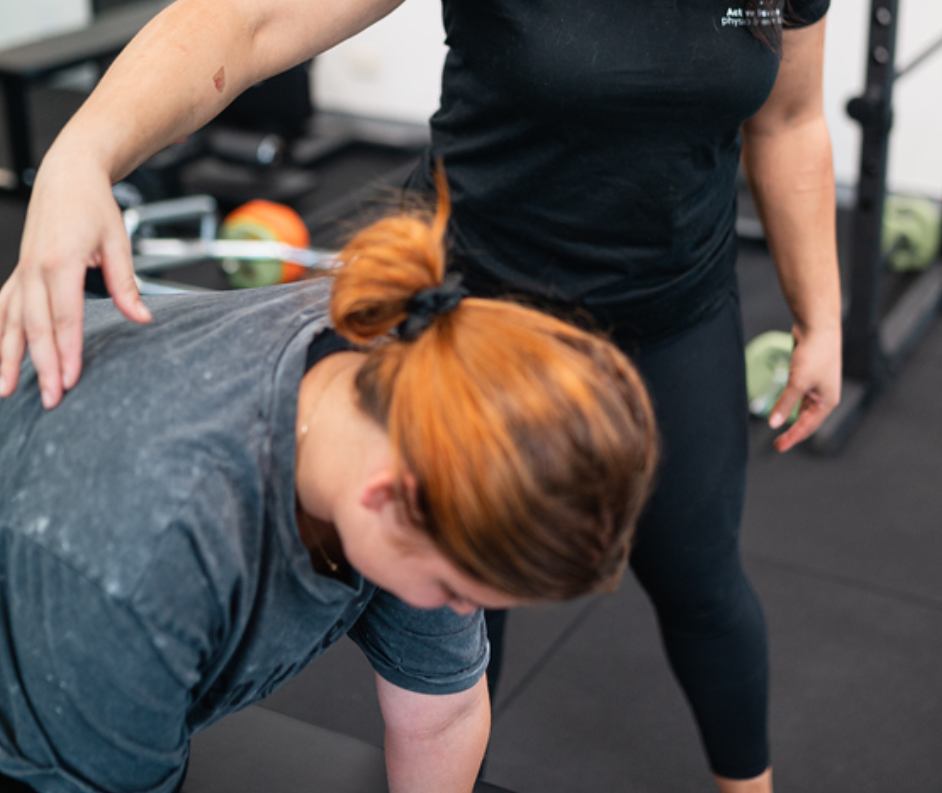
This is where working with a physiotherapist or exercise physiologist is valuable. A program designed around your body, your joint and your goals will produce better and safer results than a generic online program.
How We Can Help
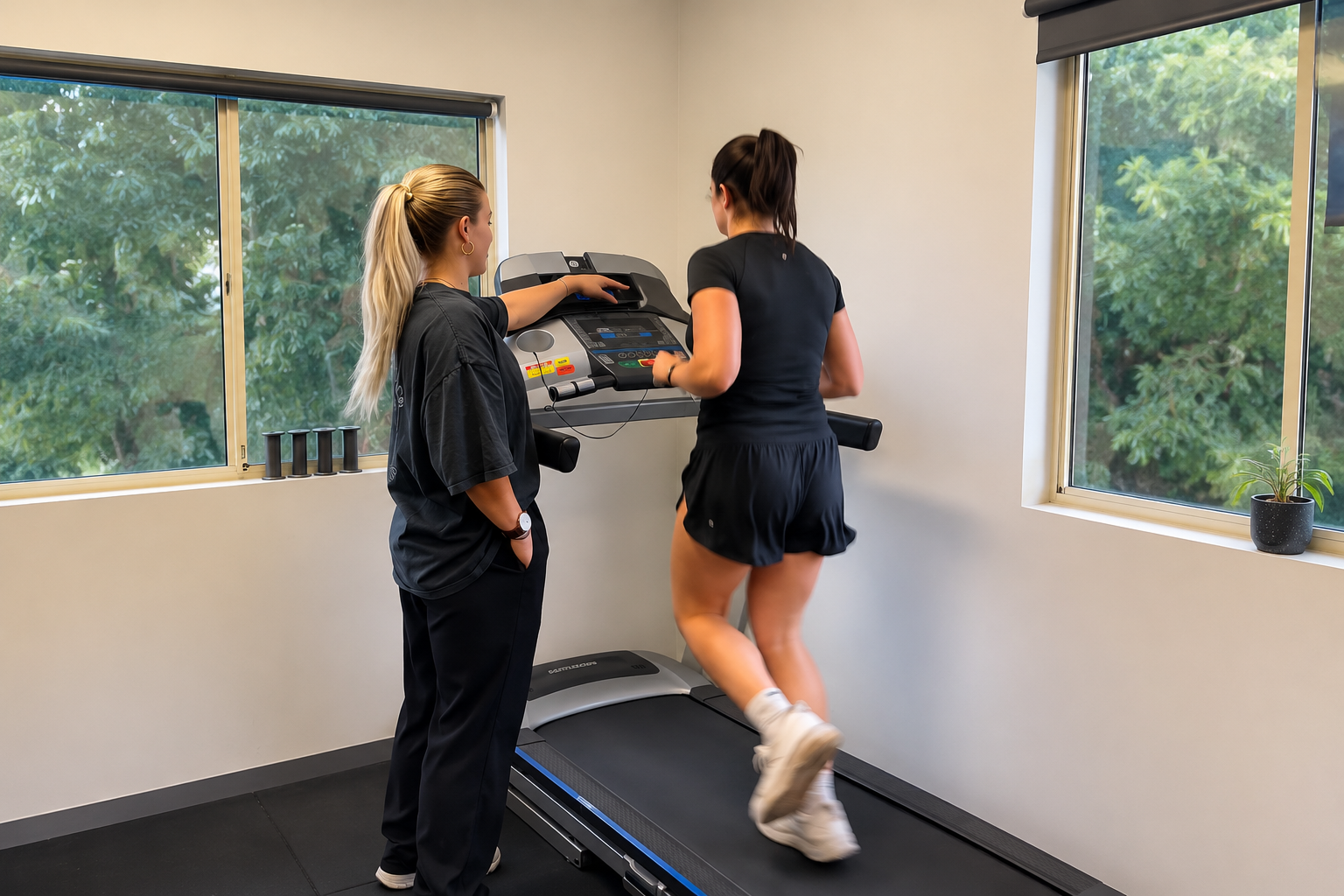
At Active Balance, our physiotherapists regularly work with people managing osteoarthritis — in the knee, hip, spine and elsewhere. We can assess your current strength and function, design a progressive program tailored to your joint and goals, and support you through the early stages when getting started can feel daunting.
Our
supervised rehabilitation gym,
Move Well classes and
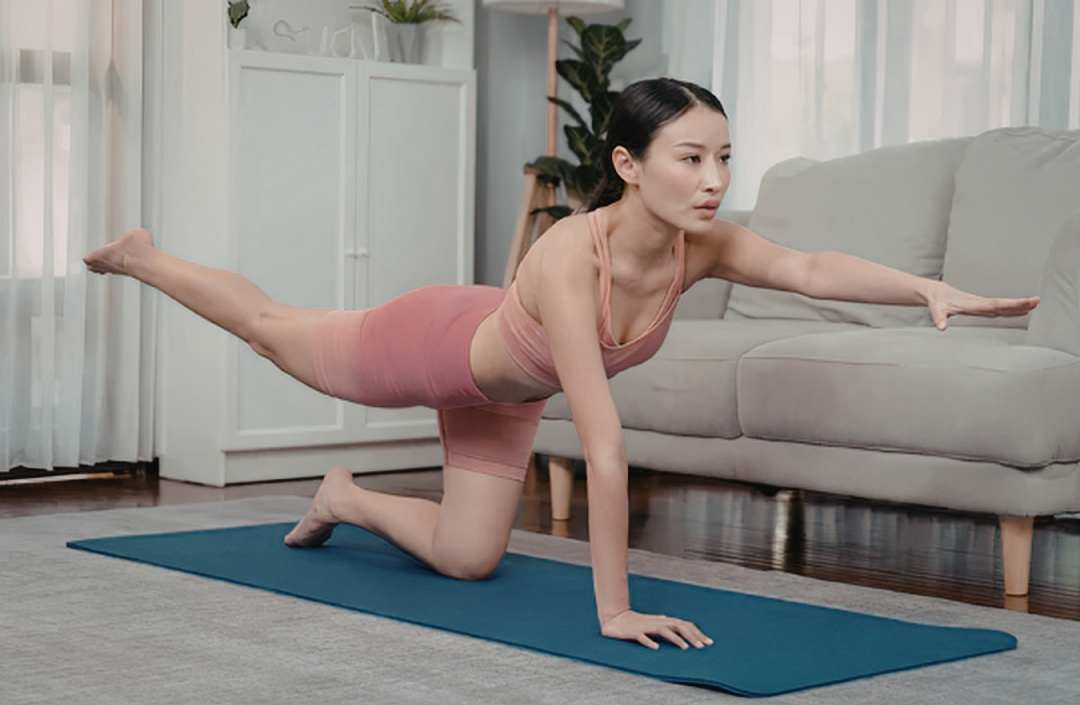
Clinical Pilates are all well suited to people with osteoarthritis who want a guided, progressive environment to build strength safely.
Book online or call us on (08) 7123 4148 to get started.