What Is Overtraining Syndrome?
Overtraining syndrome occurs when training stress consistently exceeds the body's capacity to recover. It's not just having a hard week — it's a sustained imbalance between load and recovery that accumulates over time until the system starts to break down.
The distinction between productive training stress and overtraining is important. Some fatigue is normal and necessary — it's the stimulus that drives adaptation. The problem is when fatigue accumulates faster than it can be cleared, and the body never fully recovers between sessions.
How to Tell If You're Overtraining
The early signs of overtraining are easy to dismiss. Here's what to watch for:
- Performance decline despite continued effort This is the hallmark sign. You're training the same or harder but getting slower, weaker or less explosive. Times are going backwards. Weights that felt manageable feel heavy. If your performance is consistently declining despite consistent training, something is wrong.
- Persistent fatigue that doesn't resolve with rest Normal training fatigue settles with a good night's sleep or a rest day. Overtraining fatigue is different — it's there in the morning, it doesn't lift through the day and a single rest day doesn't touch it.
- Elevated resting heart rate Your resting heart rate is a sensitive marker of recovery status. If you track it regularly, a consistently elevated resting heart rate — particularly first thing in the morning — is a reliable early warning sign of accumulated fatigue and potential overtraining.
- Mood disturbances and irritability The relationship between overtraining and mood is well established. Overreaching and overtraining are associated with increased anxiety, depression, irritability and reduced motivation. If training starts to feel like a chore rather than something you want to do, and your mood is consistently lower than normal, pay attention.
- Sleep disruption Paradoxically, overtraining can disrupt sleep despite the fatigue it causes — elevated cortisol and sympathetic nervous system activation interfere with sleep quality and onset. Difficulty falling asleep or waking through the night during periods of heavy training is a warning sign worth taking seriously.
- Increased susceptibility to illness and injury Chronic overtraining suppresses immune function. If you're picking up every cold going around, getting repeated minor infections or noticing that small niggles aren't resolving the way they normally would, your immune and recovery systems are likely compromised.
- Persistent muscle soreness and heaviness Muscle soreness that extends well beyond the normal 24 to 72 hour post-training window, or a constant feeling of heaviness and stiffness in the legs or arms that doesn't clear between sessions, suggests inadequate tissue recovery.
Why Manual Therapy Helps
The primary treatment for overtraining syndrome is reduced training load and improved recovery — there's no getting around that. But manual therapy plays a genuinely useful role in both the prevention and management of overtraining, and here's how.
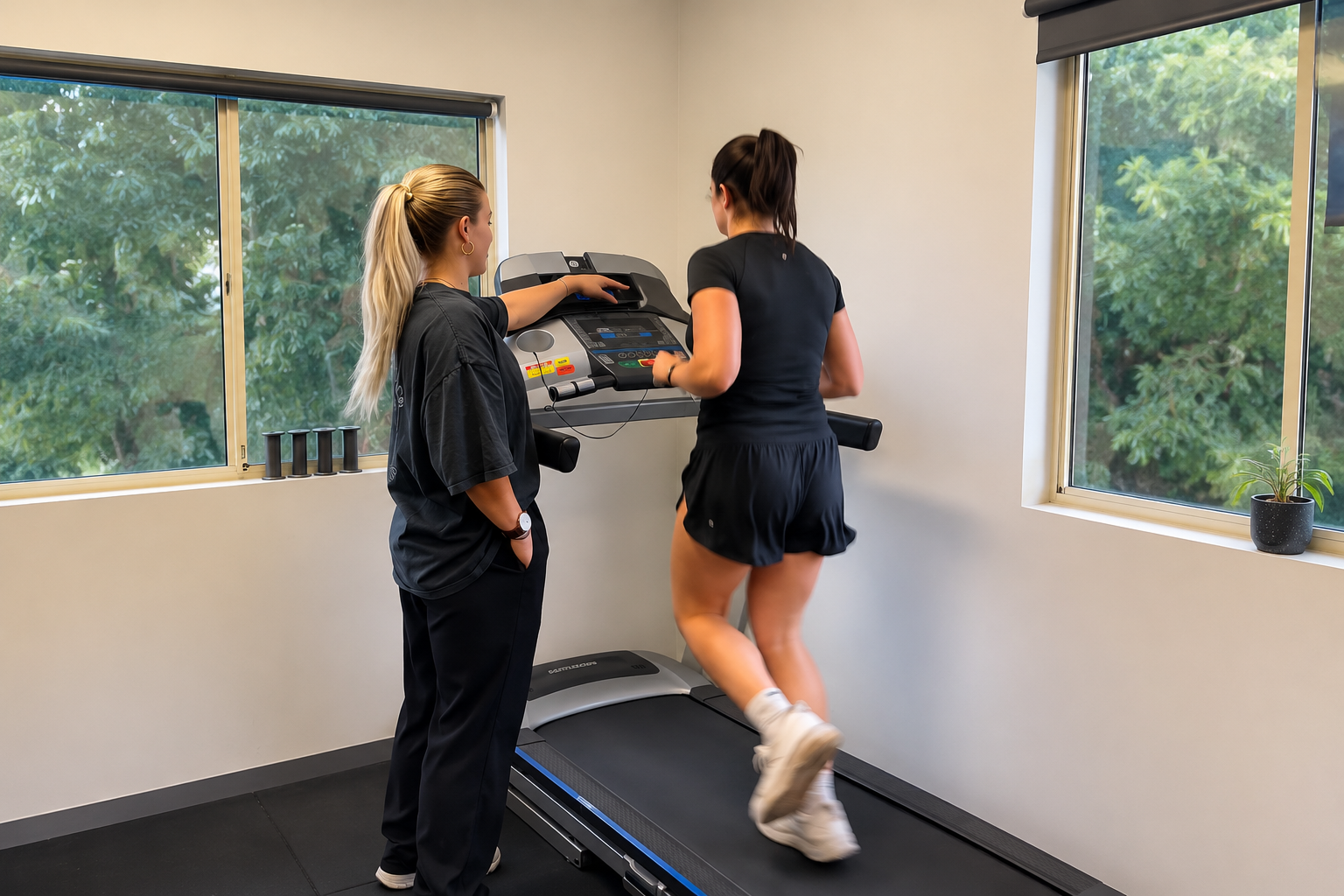
Physiotherapy — managing the load before it becomes a problem
A physiotherapist can help you identify the biomechanical and structural factors that make your body more susceptible to overtraining injury. Muscle imbalances, movement compensations and training program design all contribute to how efficiently your body handles load. Regular check-ins during heavy training blocks — not just when something hurts — allow adjustments to be made before the system fails.
Load management advice from a physio isn't about training less. It's about training smarter — understanding the relationship between your acute training load and your chronic training capacity, and keeping that ratio in a range your body can handle.
Remedial massage — accelerating recovery between sessions
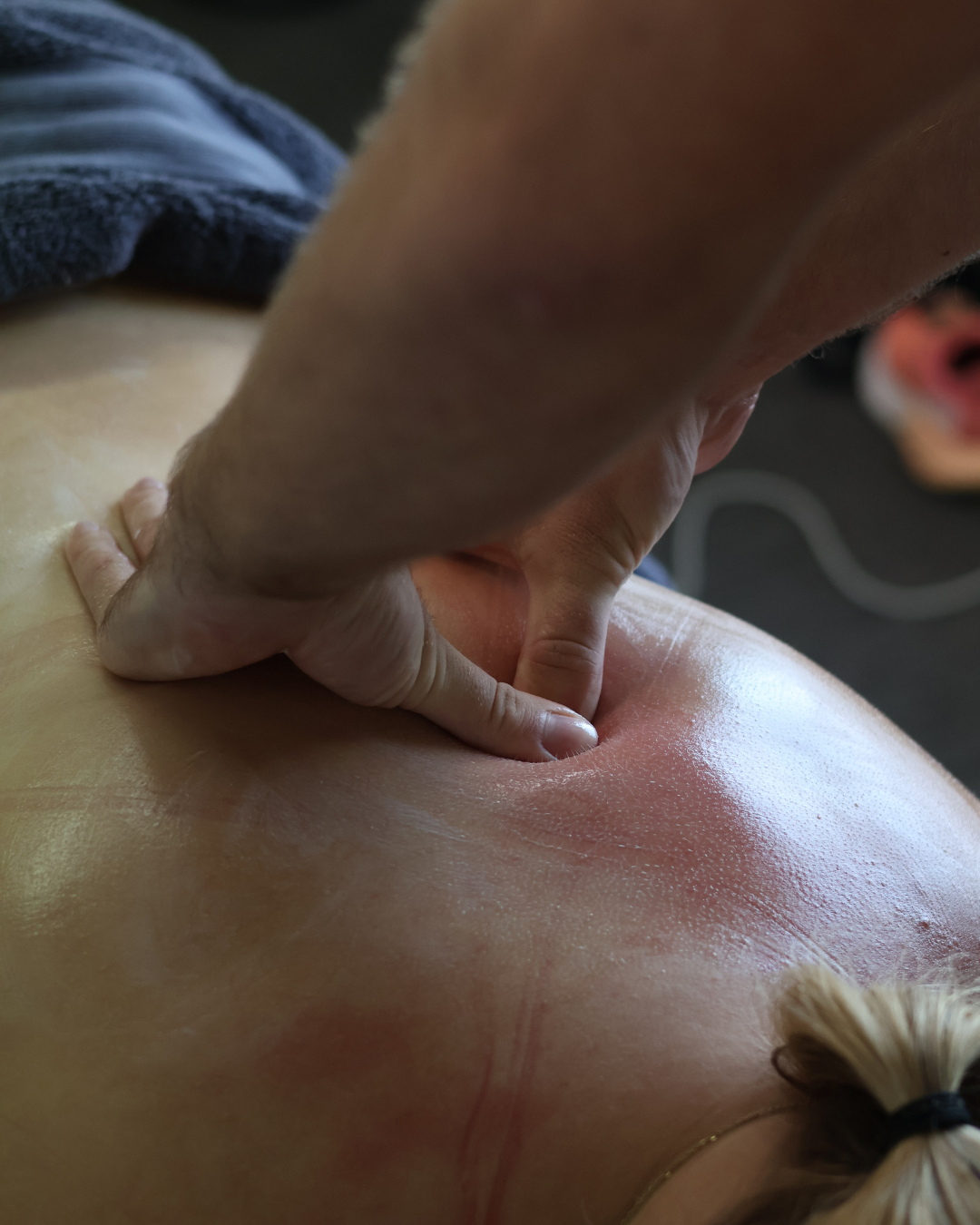
Remedial massage directly addresses the muscular fatigue and tension that accumulates during heavy training. Improved blood flow speeds the clearance of metabolic waste products, reduces muscle tension and promotes the parasympathetic nervous system activity that is essential for tissue repair.
For athletes in high training blocks, regular massage isn't a luxury — it's a recovery tool with genuine physiological benefits. Research consistently shows that massage reduces delayed onset muscle soreness, improves subjective recovery and reduces cortisol levels — all directly relevant to overtraining prevention.
The stress reduction effect is worth emphasising. Overtraining has both physical and psychological components. The cortisol reduction and parasympathetic activation produced by massage therapy address the nervous system dysregulation that characterises overtraining syndrome, not just the muscular fatigue.
Myotherapy — addressing the deeper drivers
Myotherapy goes beyond surface muscle tension to address trigger points, nerve irritation and the deeper muscular dysfunction that develops with sustained overtraining. Repetitive training patterns create predictable trigger point activity in specific muscles — the calves and peroneals in runners, the pecs and lats in swimmers and lifters, the hip flexors and TFL in cyclists.
Left unaddressed, these trigger points create compensatory movement patterns that increase load on other structures and set the stage for injury. Regular myotherapy during heavy training periods keeps these patterns from becoming established, maintaining the muscle balance that underpins both performance and injury resilience.
Nerve mobilisation is another valuable tool — overtraining can cause nerve irritation and entrapment through chronically tight and overworked muscles. Addressing this early prevents the numbness, tingling and referred pain that can halt training entirely.
How to Integrate Manual Therapy Into Your Training
The most common mistake is using manual therapy reactively — booking a massage when something hurts rather than as a regular part of training management. By the time pain appears, the underlying problem is usually well established.
A more effective approach:
- During heavy training blocks — weekly or fortnightly sessions to manage accumulating tension, address trigger points early and monitor recovery status. Your therapist will notice changes in tissue quality that you may not be aware of.
- After competitions or intense training blocks — a session within 48 to 72 hours after a major event or training camp accelerates recovery and reduces the recovery debt carried into the next training phase.
- During deload periods — a deeper treatment session during a planned deload allows thorough work on accumulated tension without the concern of being sore before a hard session.
- As a monitoring tool — regular sessions with a therapist who knows your body provide an ongoing assessment of your recovery status. Changes in tissue quality, tension patterns and pain sensitivity are early indicators of overreaching that can prompt adjustments to training before they become overtraining.
The Bottom Line
Overtraining isn't just a problem for elite athletes pushing huge training volumes. It affects recreational runners building toward their first marathon, CrossFit athletes competing in the open, team sport players navigating a long season and gym goers who simply love training and find it hard to hold back.
The goal isn't to train less. It's to recover better — so the training you do actually produces the adaptation you're working toward rather than digging a hole you can't get out of.
Manual therapy is one of the most practical tools available for keeping that balance in check. Combined with adequate sleep, nutrition, load management and a willingness to listen to your body, it can make the difference between a training career that lasts decades and one that keeps getting derailed by the same preventable problems.
Book online or call us on (08) 7123 4148 to discuss how regular manual therapy can fit into your training program.