It's part of why we built a specific
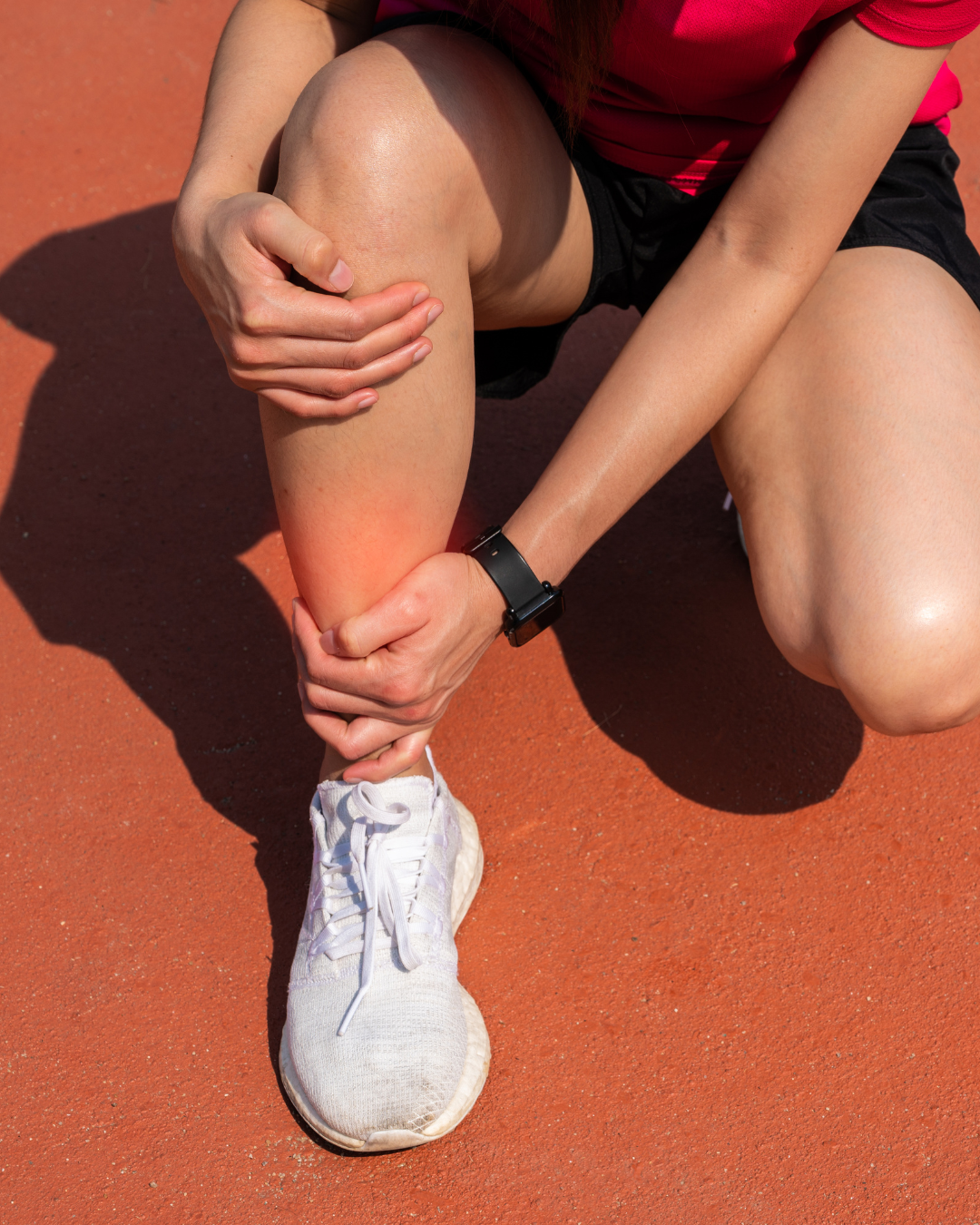
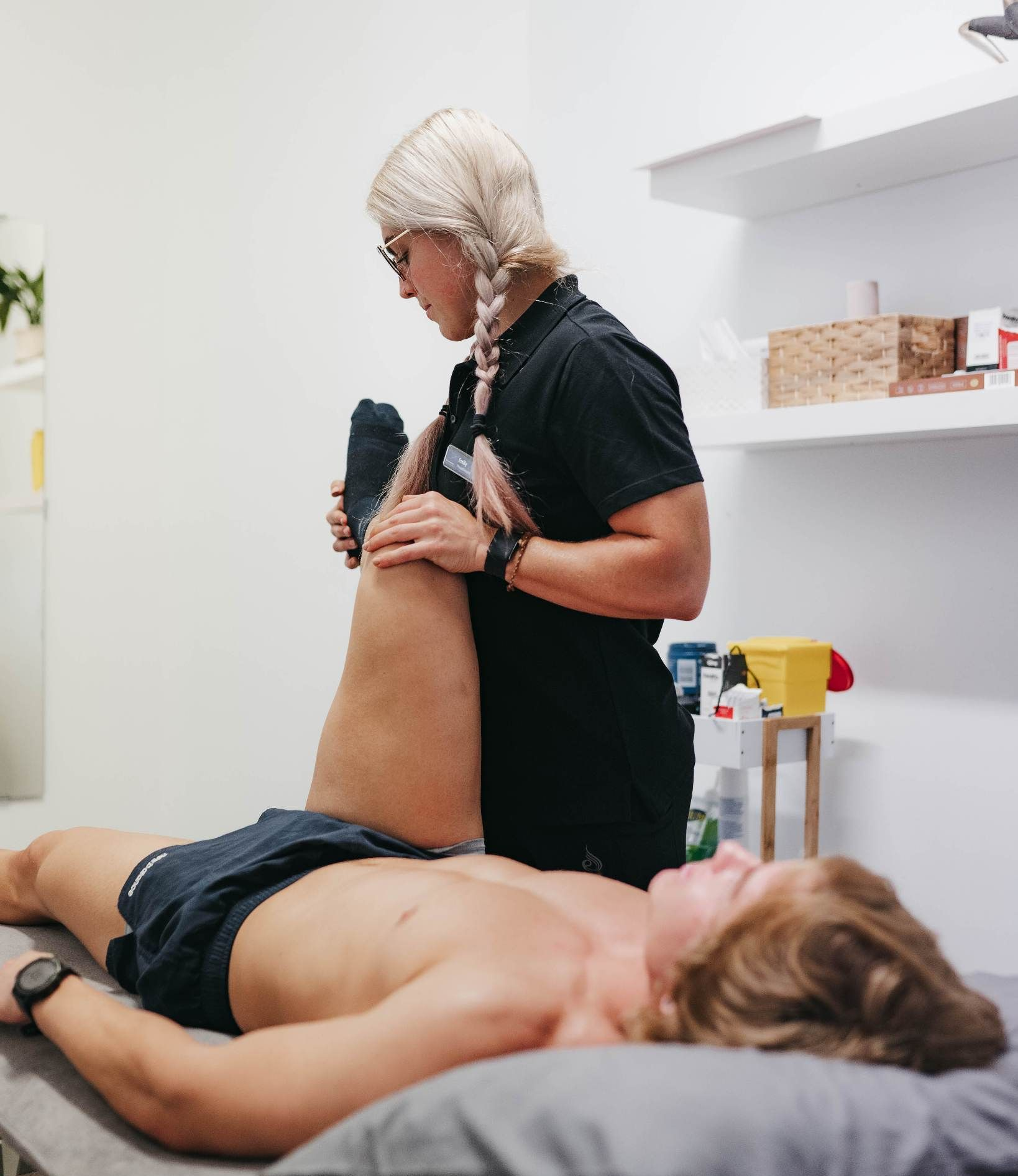
Athlete Tune Up appointment into our booking system, for the niggles that build up quietly in the background of regular training, long before they turn into an actual injury. Tight hamstrings before a big game, pinchy shoulders from heavy lifting, sore knees from a season of landings, the stuff most athletes just live with rather than book in for, until it stops them doing what they love. It's not a substitute for proper rehab when something's genuinely injured, but for staying ahead of the wear and tear that comes with training hard.
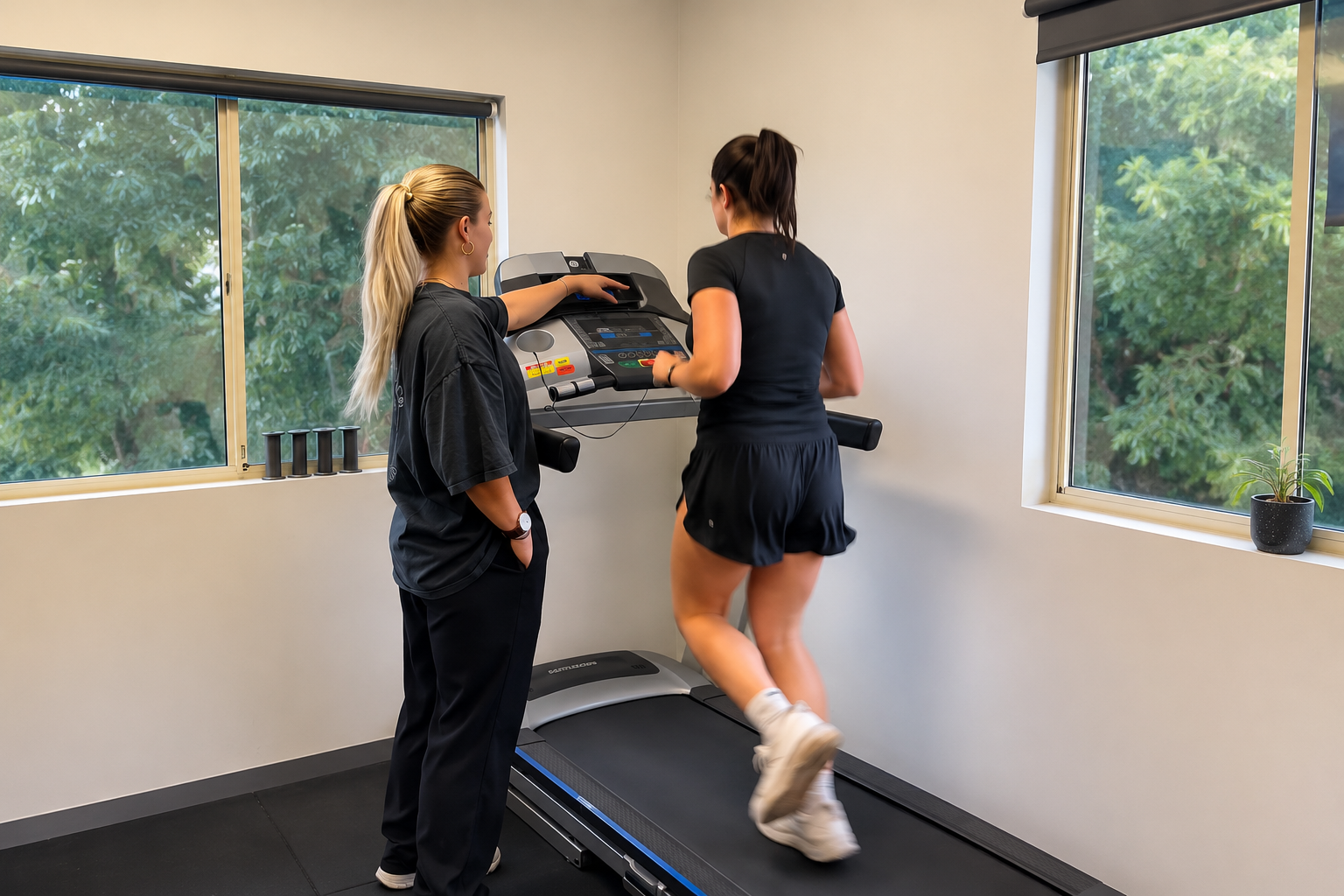
We see a similar pattern with runners. A lot of running injuries don't come from one bad session, they come from small inefficiencies in technique or loading that quietly compound over weeks and months. That's the thinking behind our
running clinic, which looks at how someone actually runs, not just where it currently hurts, so the fix addresses the cause rather than just calming the symptom down.
ACL injuries are another area we've put real focus into, partly because the rehab journey is so long and so easy to get wrong if it's rushed. Whether someone's heading down the surgical or non-surgical path, our
ACL clinic is built around staged, criteria-based progression rather than a generic timeline, because two people at "12 weeks post-op" can be in completely different places depending on how their rehab has actually gone.
That's also where objective testing earns its place. Pain and "feeling ready" are useful, but they're not the full picture, strength asymmetries and movement quality under fatigue often tell a more honest story. We use
VALD ForceDecks and Dynamo
testing to actually measure return-to-sport readiness rather than guess at it, particularly after significant injuries like ACL reconstructions where getting it wrong has real consequences.
And recovery itself matters more than people give it credit for. Training hard without recovering properly is one of the quickest ways to end up back in the clinic with an overuse injury. Our
Recovery Zone, with sauna and NormaTec compression, is there for exactly that, supporting the body's own repair process between sessions, not as a luxury add-on but as a genuine part of staying on top of training load.
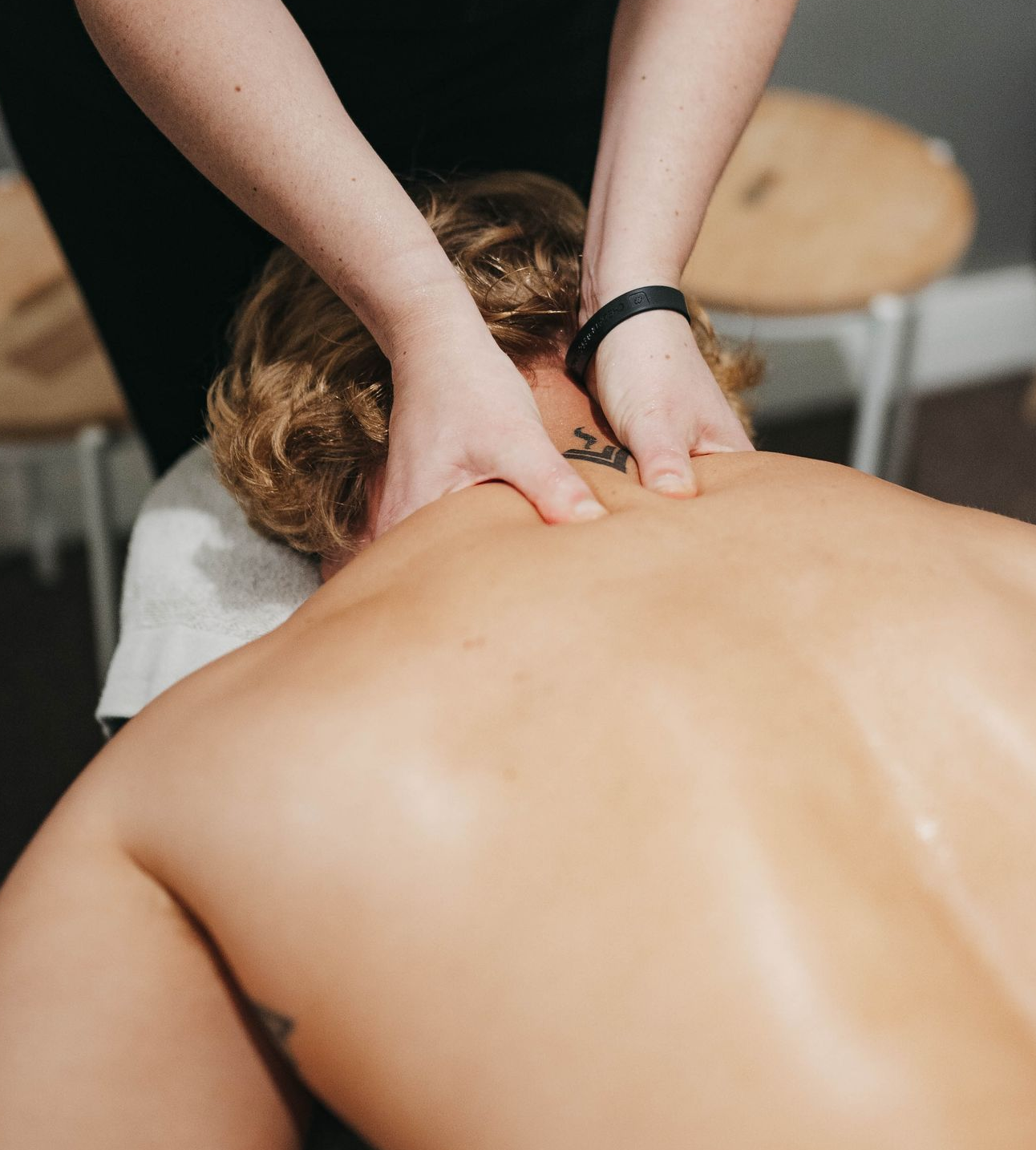
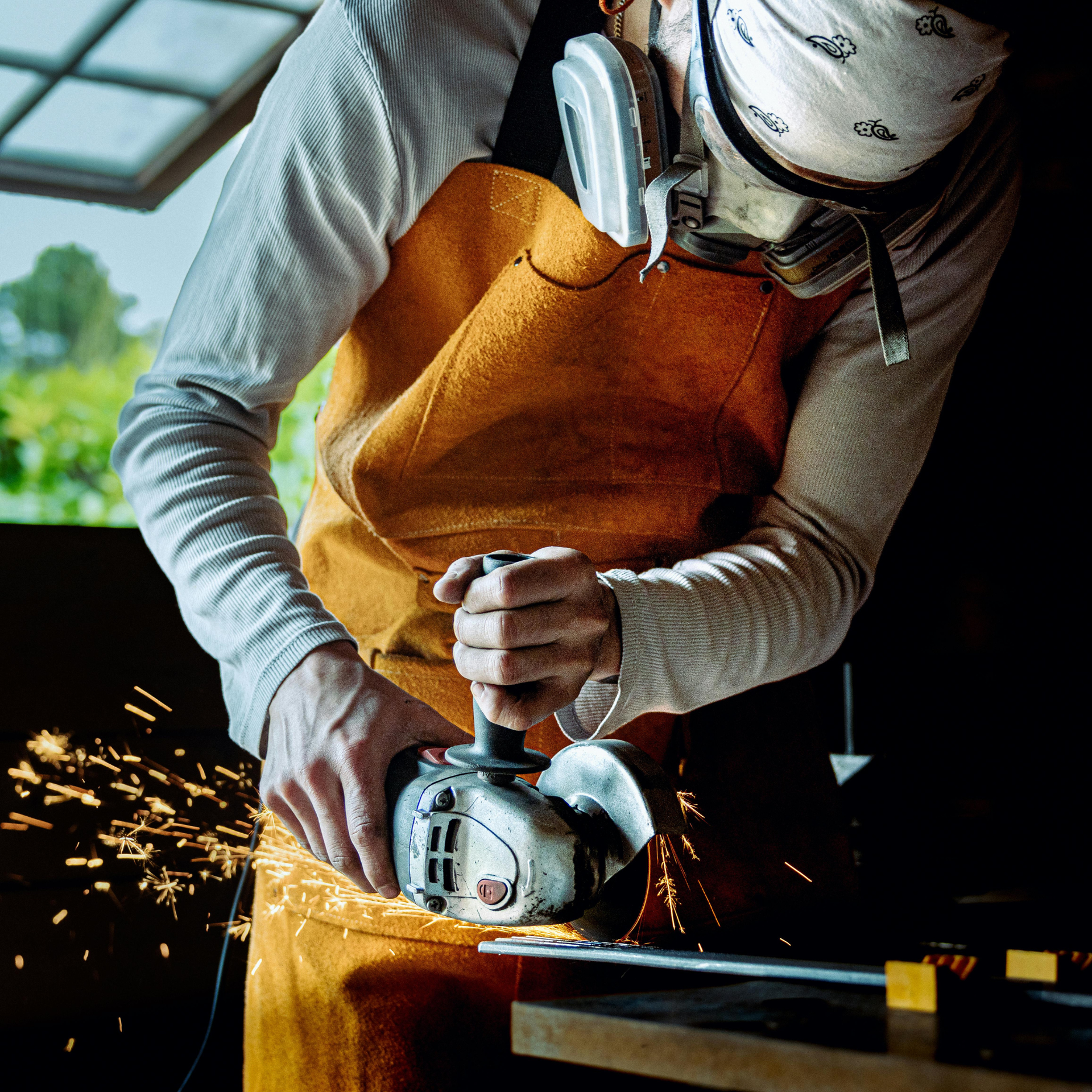
But here's the thing, we genuinely don't love any of that work more than the rest of what we do. Helping someone get back onto the field is rewarding. So is helping someone get through a full day at work without their back seizing up, or finally sleep through the night without their shoulder waking them up, or pick up their kid without wincing. There's no hierarchy in our heads where sport sits above "normal life" pain and dysfunction. It's all just people wanting to move and live without something getting in the way.
If anything, having that sporting background just gives us a slightly different lens, even for non-sporting injuries. Understanding how the body handles load under pressure, how movement patterns break down under fatigue, and how important it is to build things back up gradually rather than rushing, all of that applies just as much to someone returning to gardening after a knee replacement as it does to someone returning to club football after an ACL reconstruction. The principles don't really change. The goals are just different.
What sport-focused treatment really comes down to, for us, is paying close attention. Understanding what someone is trying to get back to, whatever that looks like for them, and building a plan around that, rather than a generic approach that doesn't account for what their week, their sport, or their life actually involves.
So if you're dealing with a sporting injury, or you've got a niggle that's stopping you doing whatever it is you love, sport or otherwise, that's exactly the kind of thing we want to help with. You can read more about our approach to
sports physio in Adelaide, or get in touch and we'll have a chat about what's going on.