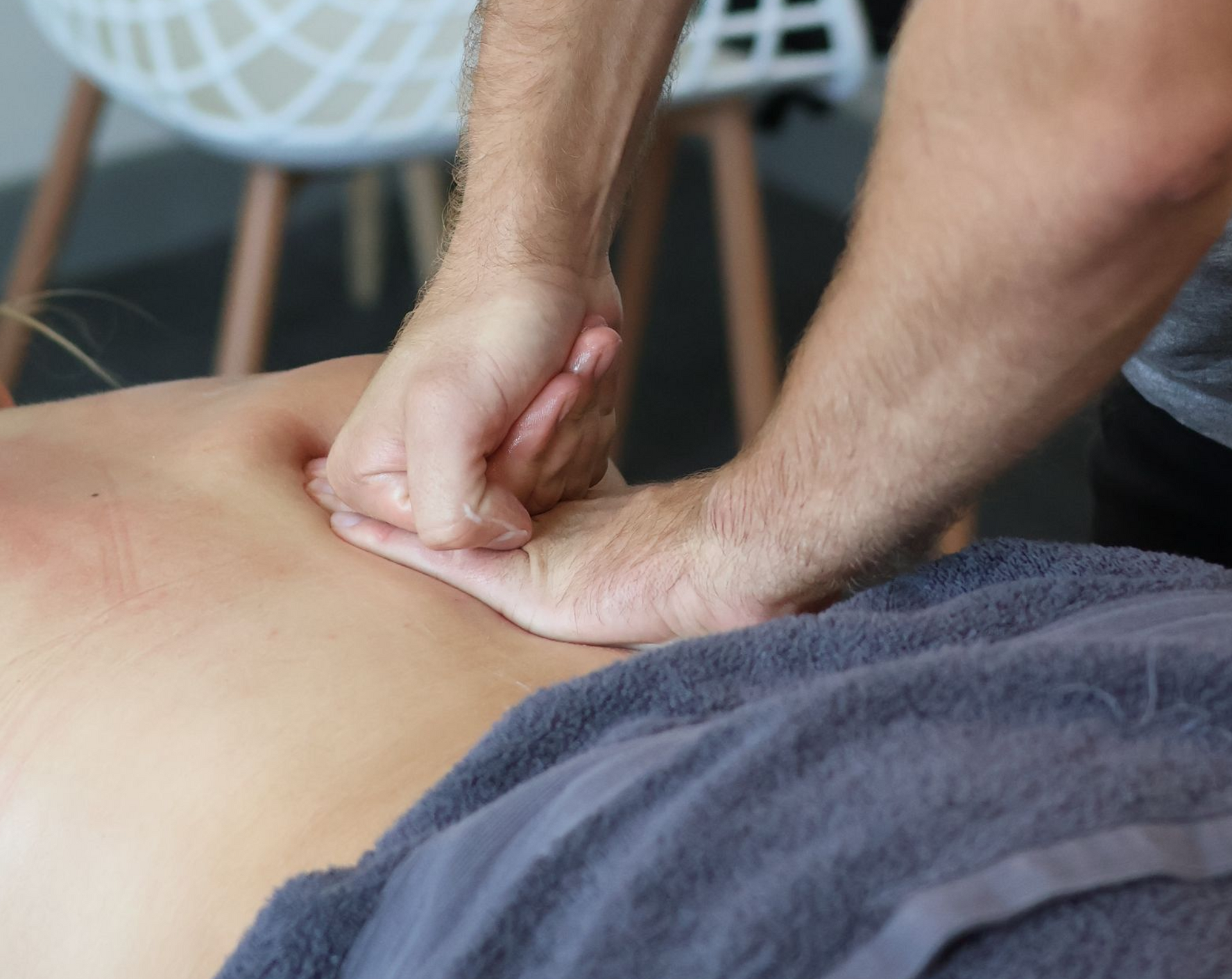
But "deep" isn't really about how hard someone presses, it's about working slowly enough, and with enough intention, that the tissue actually has a chance to release rather than just brace against the pressure. There's a difference between firm, controlled pressure that's working with the tissue, and pressure that's just intense for the sake of it. The first one changes something. The second one mostly just hurts, and your body tends to tense up against pain rather than let go of it, which can be counterproductive.
This is where a bit of honesty matters more than people expect. If someone comes in wanting "as hard as possible" because that's what they associate with a massage actually working, there's a conversation worth having about what they're actually trying to achieve. Is it a specific knot or trigger point that's been bothering them? General overall tightness from sitting at a desk all week? Recovery from a hard training block? Each of those might call for different pressure, different areas of focus, and a different pace, not just "as firm as you can manage."
There's also a fair amount of individual variation in how people respond to deep work. Some people carry a lot of guarding in their muscles and need a slower build-up before deeper pressure is actually useful rather than just defensive. Others have worked with a massage therapist for a while and know exactly what level of pressure gets results for their body. Part of the job is reading that, and being upfront when "harder" isn't necessarily going to get a better outcome, particularly if someone's walked away from a massage in the past feeling more sore and guarded than when they went in.
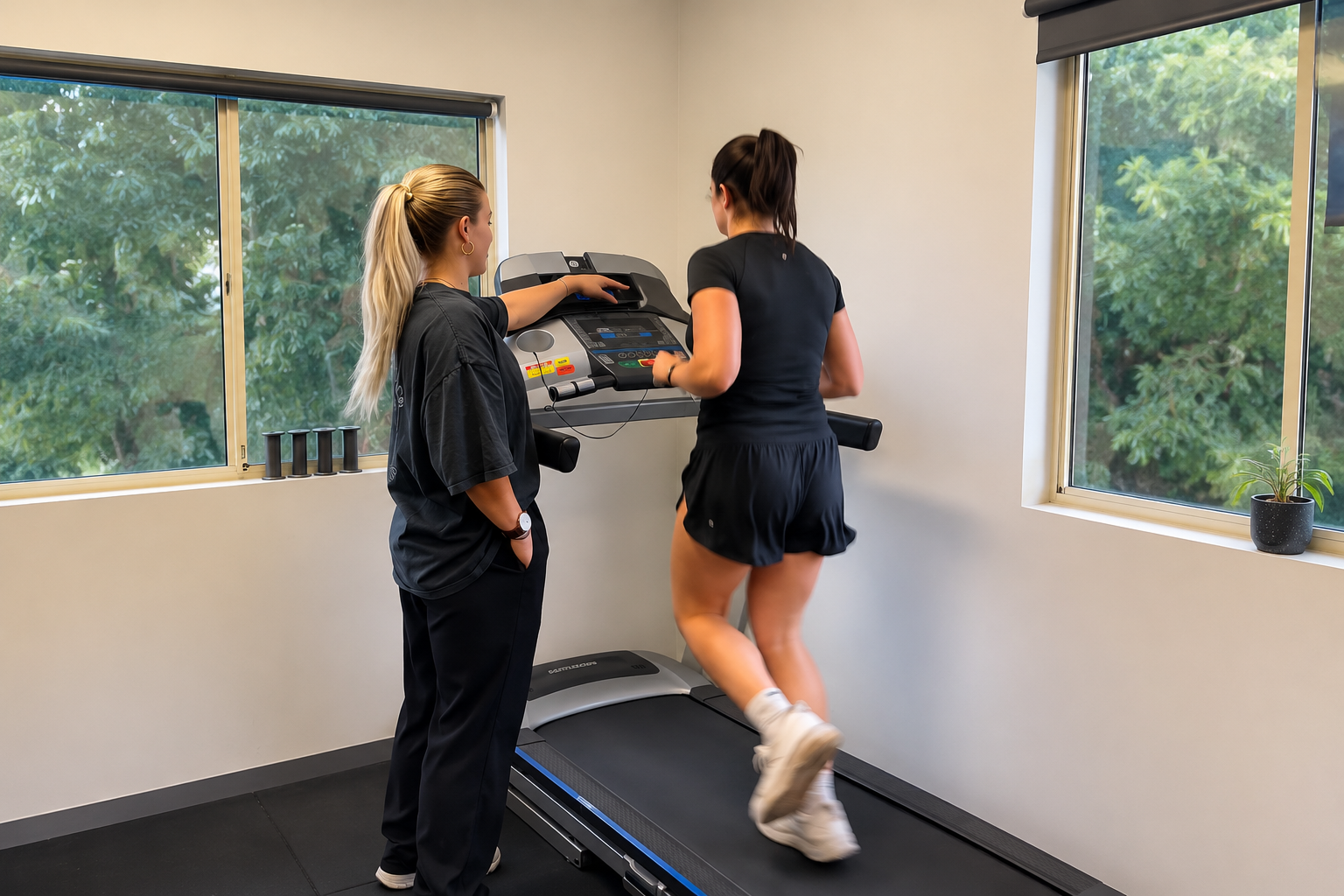
It's also worth saying plainly: deep tissue isn't always the right tool. Sometimes what someone actually needs is gentler, more rhythmic work to calm an overstimulated nervous system, or a myotherapy session that combines hands-on treatment with an actual assessment of why an area keeps getting tight in the first place. Going in hard on a muscle that's tight because of a postural issue or movement pattern somewhere else in the body might feel good in the moment, but it won't fix the underlying cause, it'll just be back again in two weeks.
What we're really aiming for with deep tissue massage isn't intensity for its own sake. It's targeted, sustained work on the specific areas that need it, at a pressure that actually achieves something rather than one that just feels like it should. Sometimes that does mean going firm. Sometimes it means starting lighter than someone expects and building from there, because that's what actually gets the result they're after.
If you're after
deep tissue massage in Adelaide and you're not sure whether it's the right fit for what's going on with you, it's worth having a chat first rather than just booking in and hoping for the best. You can find out more about our
massage and myotherapy services, including how to choose between deep tissue, remedial, and myotherapy depending on what you're actually trying to fix.