The thing most people don't realise about running fitness
Here's the bit that surprises people most. Your cardiovascular fitness and your tissue capacity are not the same thing, and they don't develop at the same rate.
Your heart and lungs adapt to training relatively quickly. A few weeks of consistent running and you'll notice you're breathing easier, recovering faster, and able to push a bit further. This is encouraging, but it can also be deceptive, because your tendons, bones, and connective tissue are adapting on a much slower timeline.
Tendons in particular need eight to twelve weeks of progressive loading to meaningfully increase their capacity. So if you go from barely running to hammering out five sessions a week because the event is close, your cardiovascular system might feel totally fine while your Achilles or your kneecap tendon is quietly taking on more than it can handle.
This is the gap where overuse injuries live. And it's almost entirely preventable with a bit of lead time.
The injuries we see every September
We're not trying to scare you. But it's worth knowing what tends to show up in the clinic in the weeks around City to Bay, because recognising an early warning sign is a lot better than ignoring it until it becomes a real problem.
- ITB syndrome: that sharp, burning pain on the outer knee — is probably the most common running complaint we see. It tends to flare when people rapidly increase their weekly distance without adequate recovery. It usually gives early warning in the form of tightness on the outside of the thigh, and if caught early it responds well to load management and some targeted hip strengthening.
- Plantar fasciitis is the other big one. Classic presentation is heel pain in the first few steps of the morning that eases as you warm up, until it doesn't anymore. It doesn't like sudden spikes in volume, and it can be stubborn once it's established. Catching it when it's just starting to grumble is much easier than managing it at full irritation.
- Shin splints, or medial tibial stress syndrome if we're being technical — are a sign that the bone and surrounding tissue is being loaded faster than it can adapt. Usually shows up as a diffuse ache along the inner shin during or after running. Worth taking seriously, because in a small number of cases it can progress to a stress fracture if training isn't modified.
None of these are dramatic injuries. All of them are manageable with the right approach. The common thread is that they develop gradually and give you signals before they become serious, if you're paying attention.
Simple principles that actually work
You don't need a complicated training plan. The fundamentals are pretty simple.
- The 10% rule is a good starting point. Don't increase your total weekly running volume by more than 10% from one week to the next. It feels slow, especially when motivation is high, but it's the pace at which your tissues can actually adapt. With enough lead time, you can build to whatever distance you need without loading the body faster than it can handle.
- Three sessions a week is plenty for most people preparing for a 12km event. Two of those should be at a comfortable, easy pace, the kind where you could hold a conversation without gasping. One session a week can be a bit longer to build your base. That's genuinely enough.
- Walk-run intervals are completely legitimate and often underrated. There's no rule that says you have to run the whole thing. Plenty of people finish City to Bay feeling fantastic having run the flats and walked the hills, and they line up again the following year. People who tried to run every step when they weren't quite ready often don't.
- Add some strength work. One session a week of basic lower body strength, calf raises, split squats, step-ups, single leg work, makes a meaningful difference to how your body handles running load. It doesn't have to be complicated or take long. Twenty minutes is enough.
- And sleep. Genuinely. Not as an afterthought. Recovery happens when you sleep, and training without adequate sleep is a reliable way to accumulate fatigue faster than fitness.
If something's already niggling
First of all, don't ignore it and hope it resolves in the week before the event. That strategy has a poor track record.
A general rule of thumb: pain that rates two out of ten or less and disappears within the first ten minutes of running is usually okay to train through carefully, with close monitoring. Pain that gets worse as you run, or that's still present the following day, is a signal to back off and get it looked at.
The earlier you come in, the more options we have. An issue that's caught six or eight weeks before an event is almost always manageable. The same issue ignored until two weeks out is a much harder conversation.
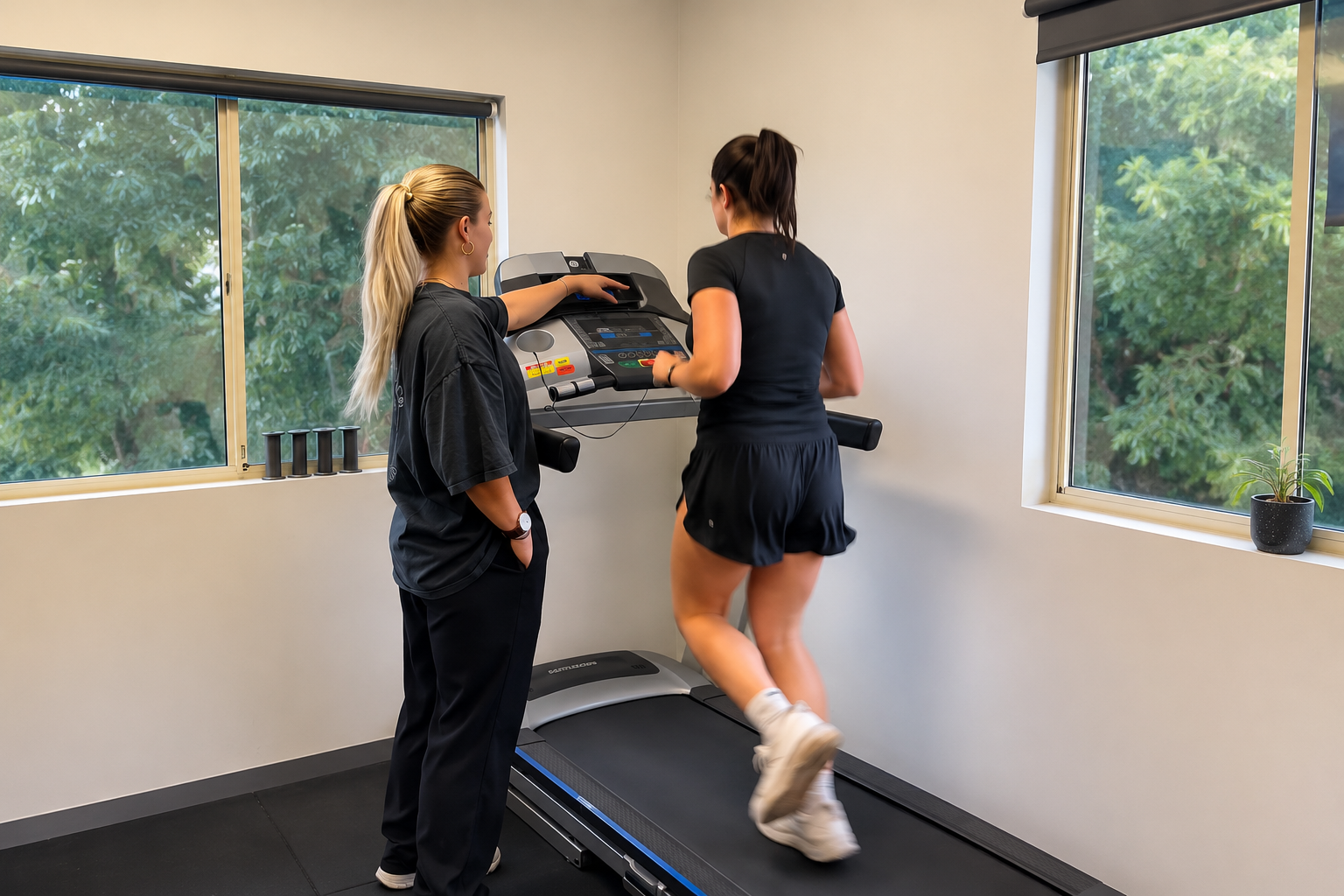
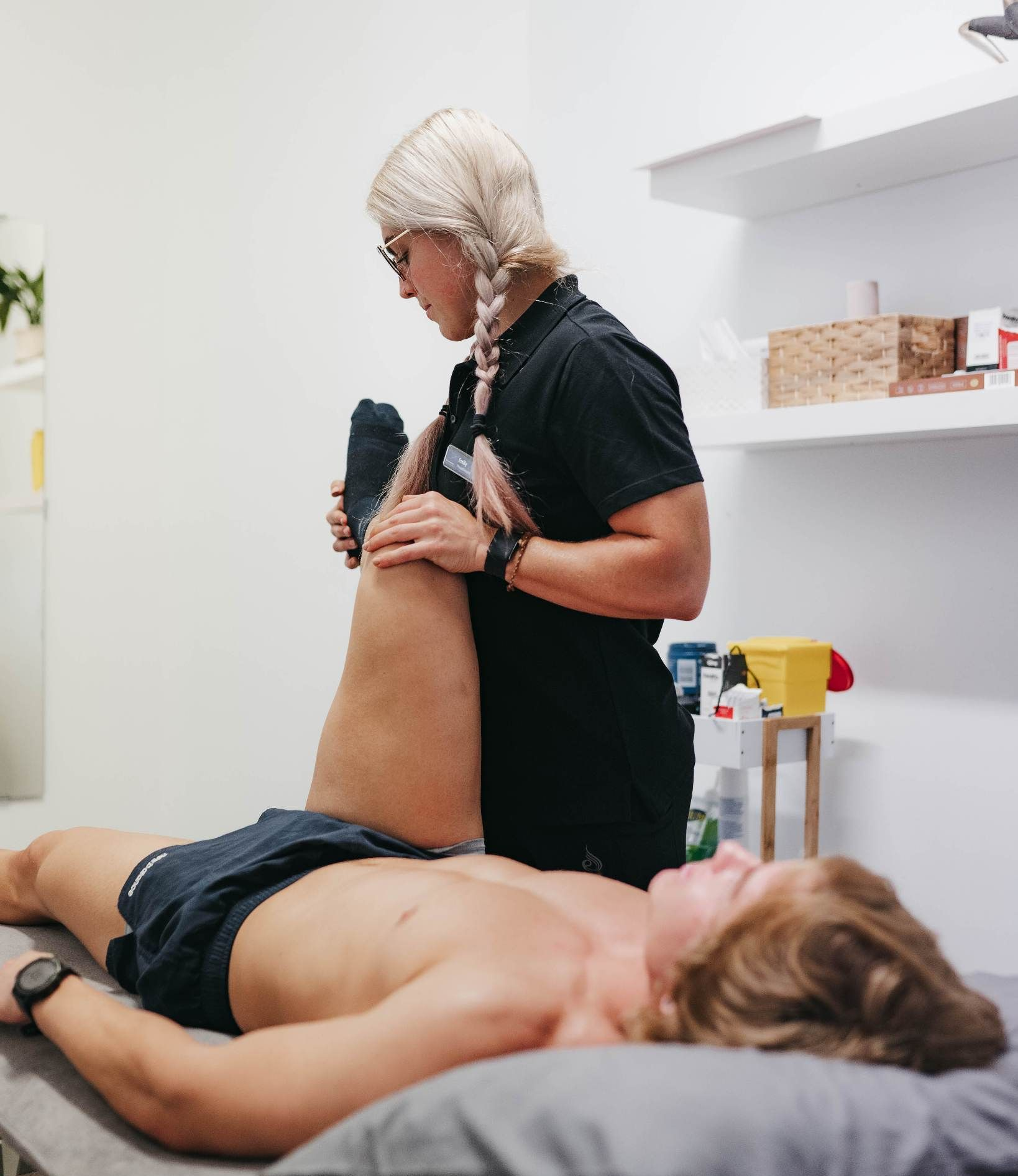
A running assessment at Active Balance looks at your movement patterns, load history, and any areas of concern — and gives you a clear plan rather than just "rest and see how it goes." Our athlete tune-up appointments are a good option if you want a targeted pre-event check-in.
The goal is to enjoy the day
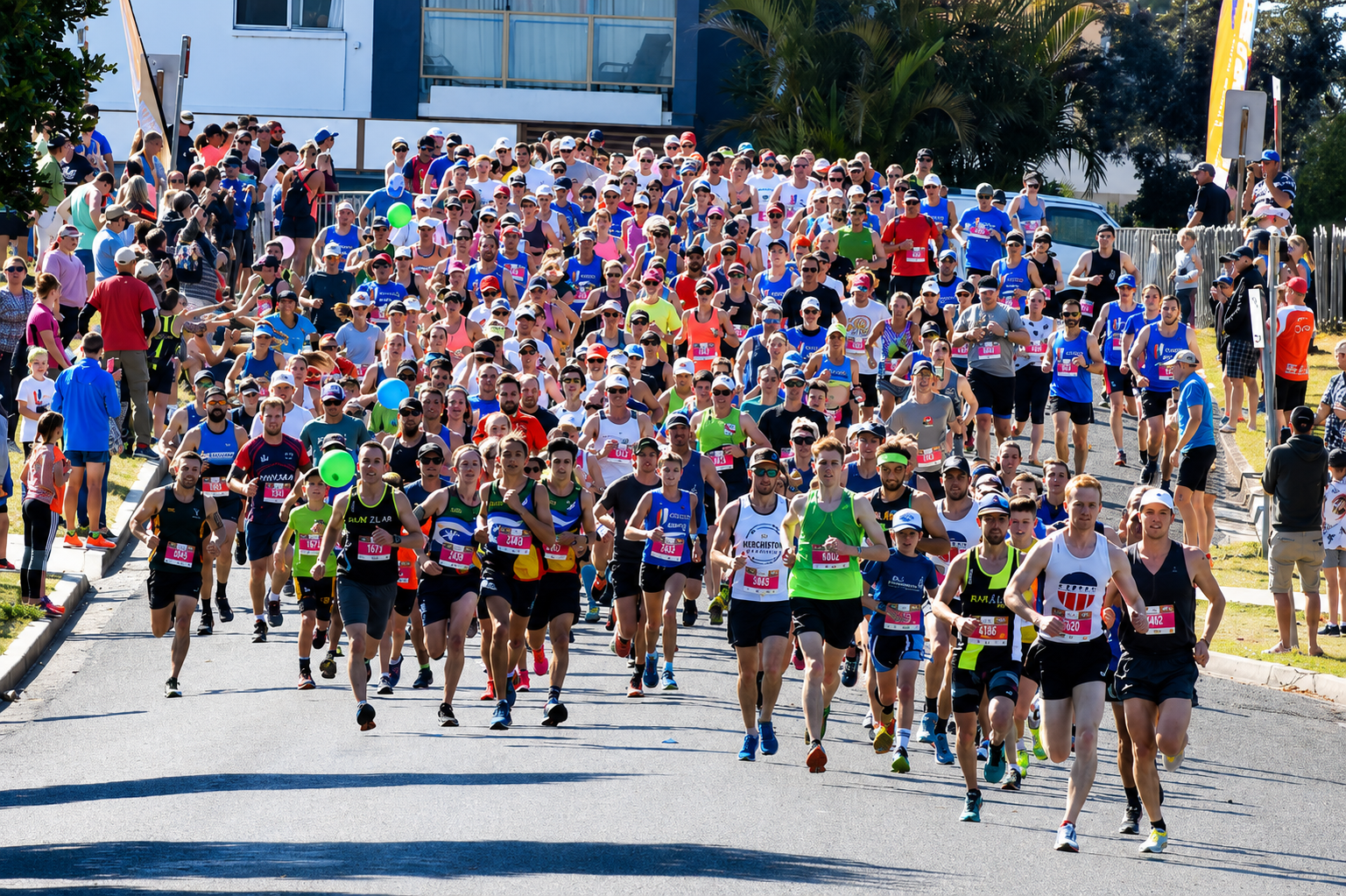
City to Bay is supposed to be fun. The atmosphere on the course is great, Glenelg in September is usually beautiful, and crossing the finish line feels good regardless of whether you walked, jogged, or ran the whole way.
Getting there with a body that's been prepared properly, trained progressively, rested adequately, and looked after along the way, makes the whole experience better. It also means you're not spending the following two weeks on the couch wondering why you didn't start earlier.
Start now. Train sensibly. See you at the finish line.
Emily Clements — Physiotherapist (BPhysio, BPsych Hons), Active Balance Physio