Recovery starts with what's on your plate
Recovery isn't just about rest — it's an active process that requires the right building blocks. After training or a match, your muscles need protein to repair and adapt, and your energy stores need replenishing with carbohydrates. Timing matters too; eating within a couple of hours of intense activity can support this process more effectively than leaving it until much later in the day.
Hydration is another piece that's easy to overlook. Even mild dehydration can affect concentration, muscle function, and how sore you feel the next day. This isn't about obsessively tracking numbers — it's about building simple, consistent habits around meals and fluids that support the work you're already doing in your training and rehab.
Nutrition and injury risk
There's a growing body of understanding around how nutrition status can influence injury risk. Athletes who aren't eating enough to meet their training demands — whether due to a busy schedule, restrictive eating patterns, or simply not realising how much fuel their body needs — can be at greater risk of fatigue-related injuries, stress fractures, and slower healing when injuries do occur.
Bone health is a good example. Adequate calcium, vitamin D, and overall energy intake all play a role in bone density and resilience, which matters for anyone in a high-impact or repetitive-load sport. This is part of why our team often looks at nutrition and movement together, particularly for athletes returning from injury or those in load-heavy training blocks.
Fuelling performance, not just surviving it
Performance nutrition isn't about extremes — it's about matching your intake to what your body actually needs for the training and competition you're doing. Under-fuelling is far more common than people expect, especially among athletes trying to manage weight or body composition alongside a heavy training load. This can quietly erode performance over time, even when training itself looks consistent on paper.
Carbohydrates remain a key focus for most athletes, since they're the body's preferred fuel for moderate-to-high intensity exercise. Protein supports the muscle repair and adaptation process. And micronutrients — iron, particularly for endurance athletes, being one common gap — can affect energy levels and performance if intake isn't quite right.
Why this works best as part of a team approach
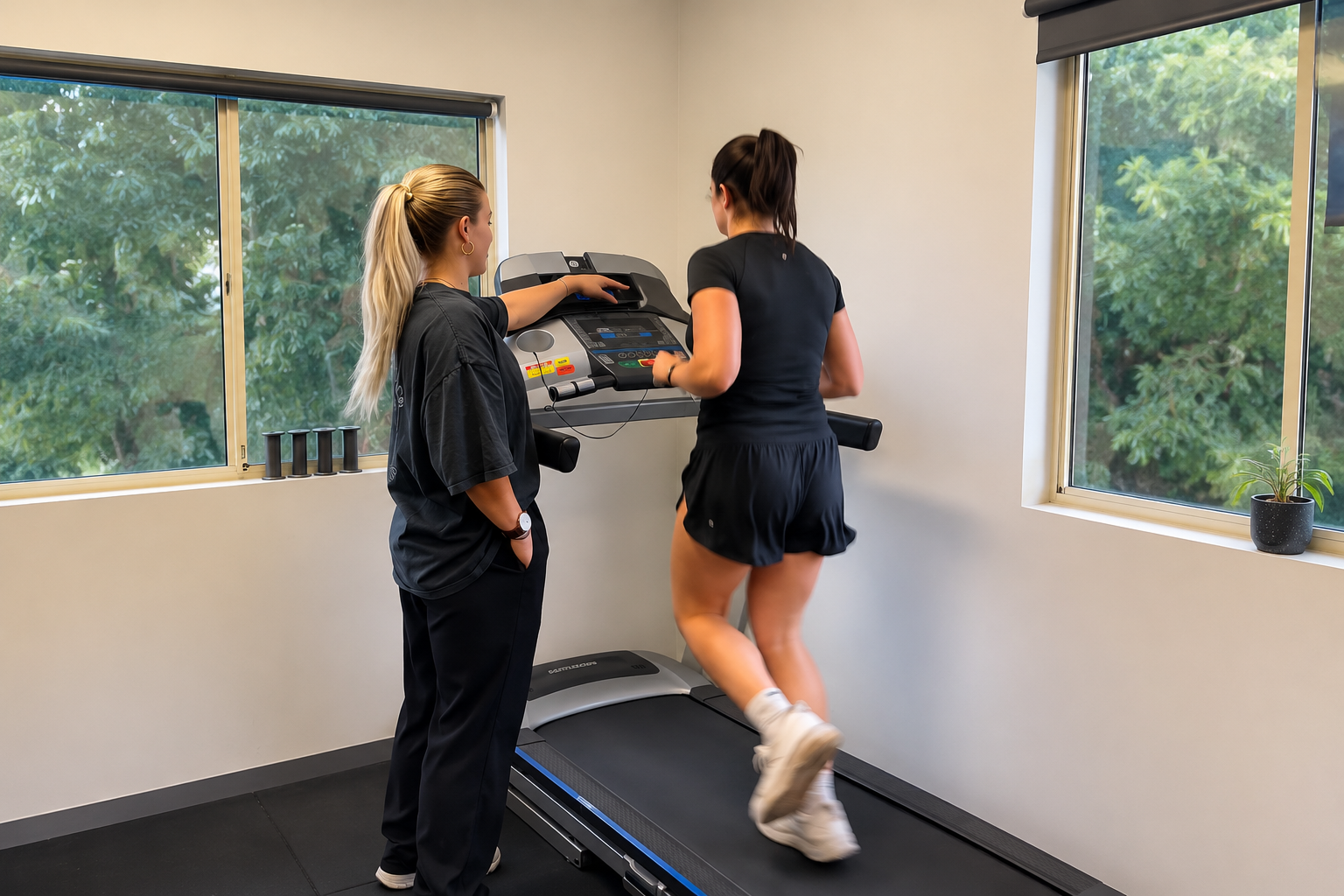
Nutrition doesn't work in isolation from strength, movement, and rehab — and it shouldn't be treated that way. When someone is working with a physiotherapist on load management or return-to-sport progression, having a dietitian involved means the nutrition side is supporting the same goals, rather than working against them or being an afterthought.
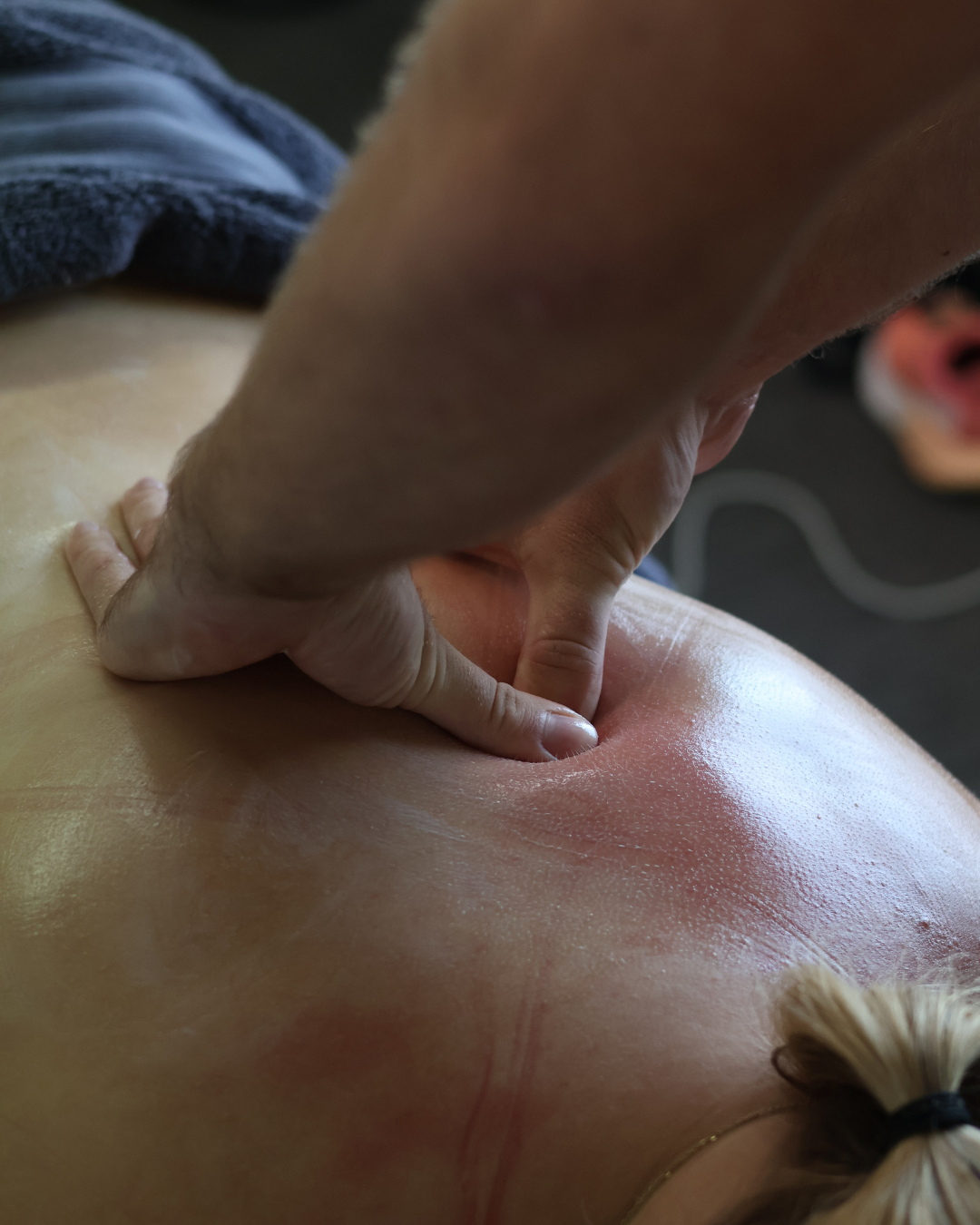
This is part of why we've brought sports nutrition into the clinic as a service alongside physiotherapy, myotherapy, and remedial massage. It means your training, recovery, and rehab can be looked at as one connected picture rather than separate pieces.
Getting started
You don't need to overhaul your entire diet to see benefit — often it's a handful of adjustments around timing, hydration, and making sure you're eating enough to support your training that make the biggest difference. If you're training seriously, returning from injury, or simply want to understand whether your nutrition is working for or against your goals, it's worth having a conversation about what's actually going on.