
TMJ/Jaw Treatment Adelaide
Jaw pain, clicking, and tension can affect so much more than just your jaw. TMJ dysfunction often shows up as headaches, facial tightness, and difficulty chewing comfortably.
At Active Balance, we don't just work on the sore spot — we look at what's actually causing your jaw pain, whether that's stress, grinding, clenching, or tension carrying through from your neck.
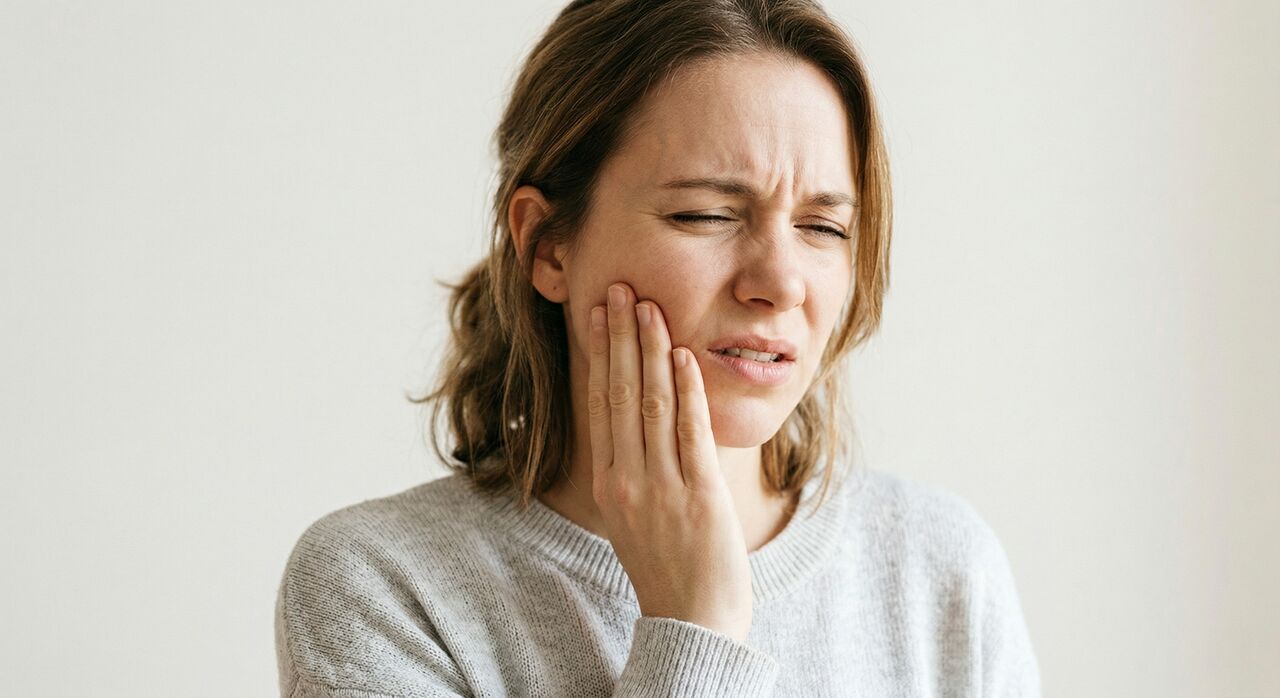
Has Your Dentist Told You That You Grind Your Teeth or Clench Your Jaw?
If you've walked out of a dental check-up being told you're grinding at night, clenching through the day, or showing signs of wear on your teeth — you're not alone, and you're not stuck just managing it with a mouthguard. The muscles doing that grinding and clenching (particularly the masseter and pterygoids) can be treated directly, which is often the missing piece that dental management alone can't address.
What Causes Jaw Pain and Clicking?
TMJ (temporomandibular joint) dysfunction refers to pain, tension, or dysfunction around the jaw joint and the muscles that control it. It's often linked to stress, teeth grinding (bruxism), clenching, or postural habits, and can build up gradually over time.
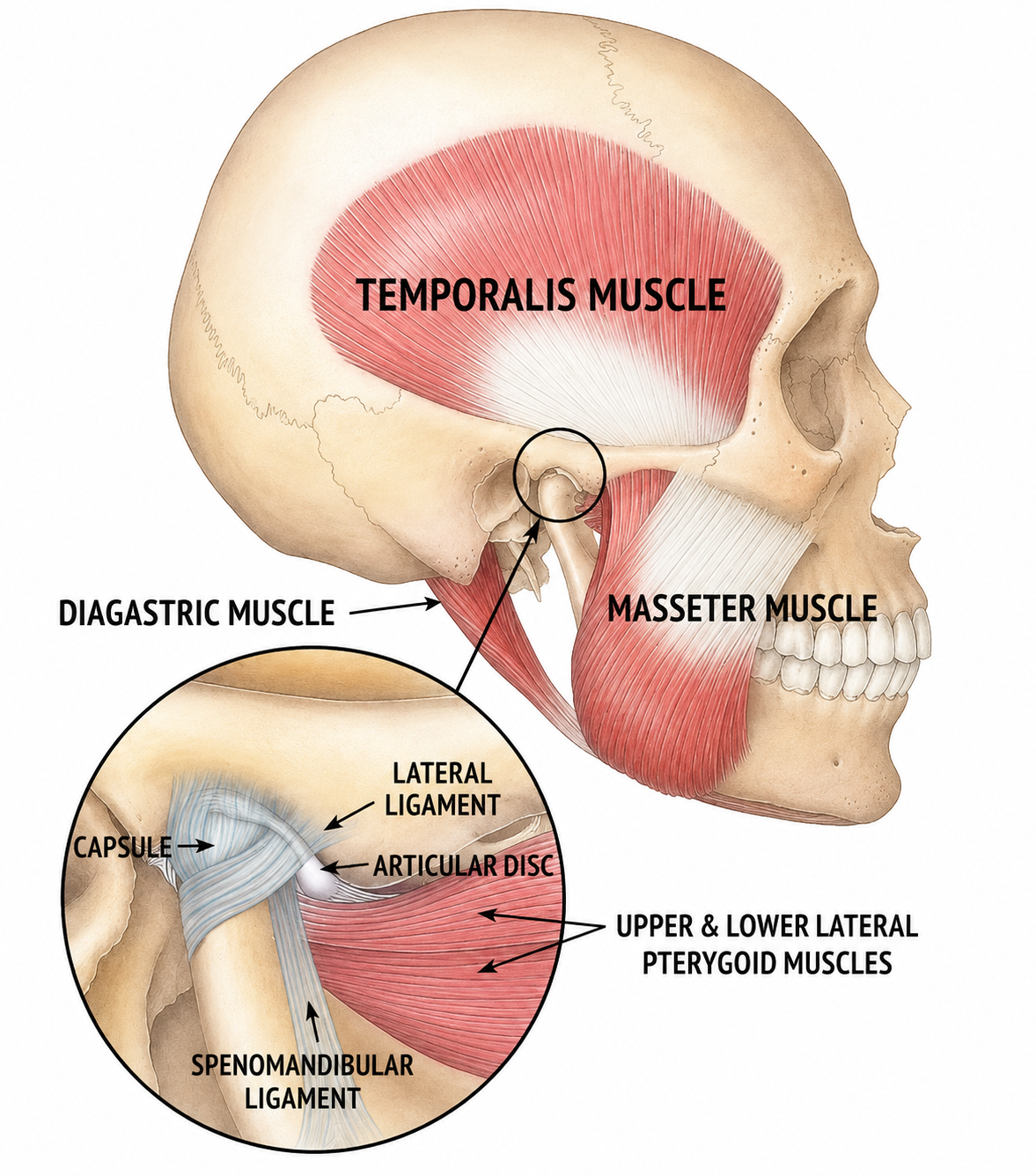
TMJ dysfunction rarely involves just one muscle. We look at the full picture: the muscles doing the clenching and grinding, and the ones around them that end up tight and overworked as a result:
- Masseter and pterygoids — the main muscles behind clenching and grinding
- Temporalis — a key jaw-closing muscle, often behind temple headaches
- Digastric — under the chin, involved in jaw opening and often overlooked
- Sternocleidomastoid (SCM) — can refer pain into the face, temple, and behind the ear
- Suboccipitals — closely linked to headaches alongside jaw tension
- Scalenes and upper trapezius — commonly tight where jaw tension carries into the neck and shoulders
Why Try Myotherapy for Jaw Pain?
Jaw pain and tension are often brushed off as something you just have to live with, but ongoing clenching, grinding, and tightness through the jaw can lead to real, persistent symptoms if left untreated, including:
- Constant or recurring jaw ache
- Sharp pain when chewing, yawning, or talking
- A jaw that clicks, locks, or feels like it's catching
- Tension headaches, especially around the temples
- Facial tightness or a "tired jaw" feeling by the end of the day
- Neck and shoulder tension that seems to trace back to the jaw
- Worn or damaged teeth from grinding
- Difficulty fully opening your mouth
Using hands-on release, intraoral techniques, and dry needling, the aim is to reduce tension at the source rather than just managing symptoms as they come up.
What Can TMJ Treatment Help With?
Whether it's ongoing jaw tension, clicking, or headaches that seem to stem from your jaw, treatment can be a great way to find relief and get back to chewing, talking, and yawning without discomfort.
Some conditions and symptoms that can benefit from TMJ treatment include:
- Jaw pain and tightness
- Clicking or popping in the jaw joint
- Headaches linked to jaw tension
- Teeth grinding and clenching (bruxism)
- Facial muscle tension
- Difficulty opening the mouth fully
- Ear pain or a feeling of fullness near the jaw
- Neck tension associated with jaw dysfunction
- Stress-related muscle tightness
Aside from treating symptoms, addressing TMJ tension early can help prevent it from becoming a more persistent, ongoing issue.
- Dry needling (particularly for masseter and pterygoid muscles)
- Masseter and pterygoid muscle release
- Intraoral release techniques (including buccinator and surrounding tissue where relevant)
- Soft tissue and trigger point therapy
- Myofascial release of the temporalis, SCM, suboccipitals, scalenes, and upper trapezius
- Stretching and mobility techniques
- Education on habits contributing to symptoms (grinding, clenching, posture)

FAQs
Is intraoral release uncomfortable?
It can feel unusual if you haven't experienced it before, but Tom will always explain the technique and check in on your comfort throughout.
Does dry needling for the jaw hurt?
Dry needling for the masseter and pterygoids can feel a little different to needling elsewhere, given how close it is to the mouth and face, but most people find it very manageable. Tom will always explain the technique and check your comfort before starting.
What's causing my jaw clicking?
Clicking can come from a range of causes, including muscle tension, joint alignment, or grinding/clenching habits. Tom will assess what's likely contributing to your symptoms during your first session.
How often should I book TMJ treatment?
This depends on the severity of your symptoms. For ongoing stress-related tension, every 2–4 weeks can help keep things settled; more acute cases may benefit from more frequent sessions initially.
Can TMJ treatment help with headaches too?
Yes — jaw tension is a common contributor to headaches, and many clients notice improvement in both once the underlying muscle tension is addressed.
Is This an Alternative to Botox for TMJ?
Botox is a treatment some people use for jaw clenching and TMJ symptoms, working by temporarily weakening the muscle. Myotherapy takes a different approach — treating the muscle and surrounding tissue directly through hands-on techniques and dry needling, without injections, and often alongside addressing contributing factors like posture and stress. For many people, it's worth trying this approach first, and some clients also use it alongside other treatments like Botox as part of a broader management plan.
Meet Your Myotherapist
Tom McCarthy
Myotherapist & Athletic Rehabilitation Therapist
Bachelor of Science (Sport Rehabilitation & Athletic Therapy)
Tom comes to us from the south west coast of Ireland. Since completing his Bachelor of Science in Sports Rehabilitation and Athletic Therapy, he has gained experience working as a therapist in America, Canada, Ireland and Australia.
Tom loves treating a wide range of conditions and injuries, but has a keen interest in treating lower back pain. He uses a variety of manual therapy techniques, as well as education and corrective exercises to help achieve great outcomes for his clients.
Outside of clinic hours, Tom spends a lot of time with Gaelic football and soccer teams both as a player and as a
therapist. When he's not involved with one of these teams, he’ll most likely be found at the beach or in the gym.
Other Hands On Treatments on Offer at Active Balance
Deep Tissue Massage
Strong, targeted relief for tight and overworked muscles
If you prefer a massage that really gets into the muscles, deep tissue massage is designed for you.
Relaxation Massage
Relaxation massage is a gentle, flowing treatment designed to help you slow down, switch off, and feel better both physically and mentally.
Remedial Massage
Remedial massage focuses on identifying and treating areas of muscle tension, imbalance, or discomfort to help you move & feel better.
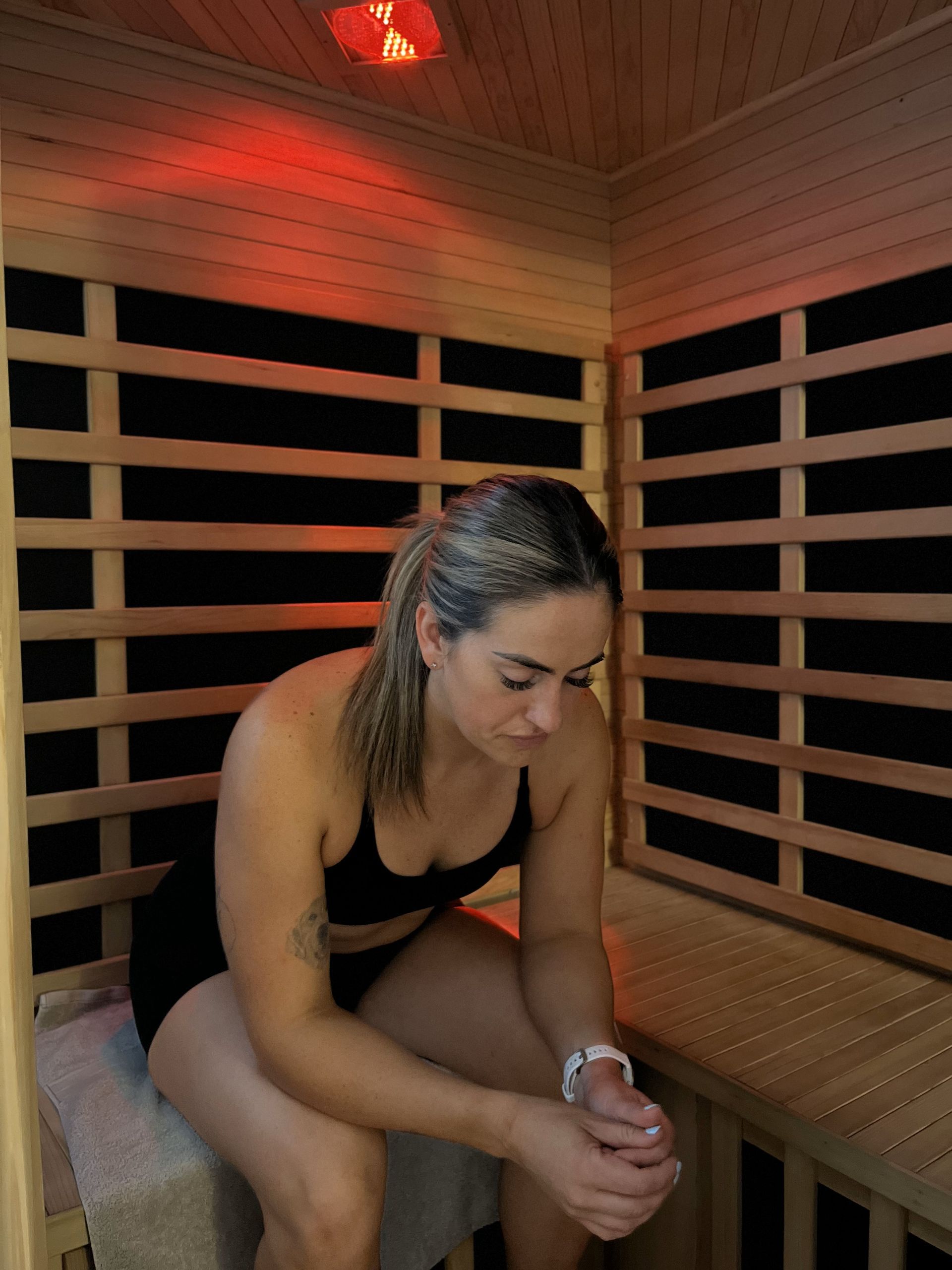
Recovery Zone Add On
Enhance your treatment with our Recovery Zone add-on for just $10 (if booked alongside treatment).
Enjoy:
- Infrared sauna to promote relaxation & recovery
- NormaTec compression boots to promote blood flow & circulation
It’s the perfect way to get even more out of your session, especially after hands on treatments.
Just let us know when you book, and we will aim to have your session booked directly before or after your treatment
Ready to Book?
Whether you're dealing with jaw pain, clicking, or tension-related headaches — we're here to help.