
Jaw Pain Treatment
If you're dealing with jaw pain, clicking, clenching, headaches or difficulty opening your mouth, our experienced team can help assess contributing factors and provide effective treatment to improve comfort and function.
TMJ Dysfunction Treatment Adelaide | Jaw Pain Physio St Marys
TMJ Dysfunction & Jaw Pain Treatment in Adelaide
What Is TMJ Dysfunction?
TMJ stands for the temporomandibular joint: the joint that connects the jaw to the skull. TMJ dysfunction refers to pain or reduced function involving the jaw joint, surrounding muscles or movement control of the jaw.
Symptoms can be mild and intermittent or significant enough to affect eating, speaking, sleep and daily comfort.
Common Symptoms of TMJ Dysfunction
You may notice:
- Jaw pain or tenderness
- Clicking, popping or grinding
- Difficulty opening wide
- Jaw locking or catching
- Pain chewing
- Morning jaw soreness
- Teeth clenching or grinding
- Headaches
- Ear discomfort or fullness
- Neck tension
What Can Contribute to TMJ Dysfunction?
Several factors may play a role, including:
- Jaw clenching or grinding
- Stress-related tension
- Tight jaw muscles
- Neck stiffness or dysfunction
- Poor posture
- Previous trauma
- Habitual chewing overload
- Sleep-related grinding
- Movement control issues
A proper assessment helps identify the key contributors.
Possible Causes of Jaw Pain
Jaw pain may relate to a number of conditions, including:
- TMJ dysfunction
- Jaw muscle tension
- Disc irritation within the joint
- Teeth grinding overload
- Neck-related referred pain
- Headache-related jaw pain
- Sinus or dental causes
An assessment can help determine the most likely cause and whether referral to a dentist, GP or specialist is recommended.
How Physiotherapy Can Help TMJ Dysfunction
Our physios can often provide effective conservative treatment for muscular and movement-related jaw pain by combining hands-on treatment with targeted rehabilitation. This aims to help ease symptoms and improve long-term control.
Treatment may include:
- Jaw joint mobility techniques where appropriate
- Soft tissue release for jaw, temple and neck muscles
- Neck assessment and treatment
- Postural correction strategies
- Movement retraining for jaw opening/closing
- Advice around clenching habits
- Load management strategies
- Headache management where relevant
Once symptoms settle, we can guide you through targeted rehab to improve movement quality and reduce recurrence.
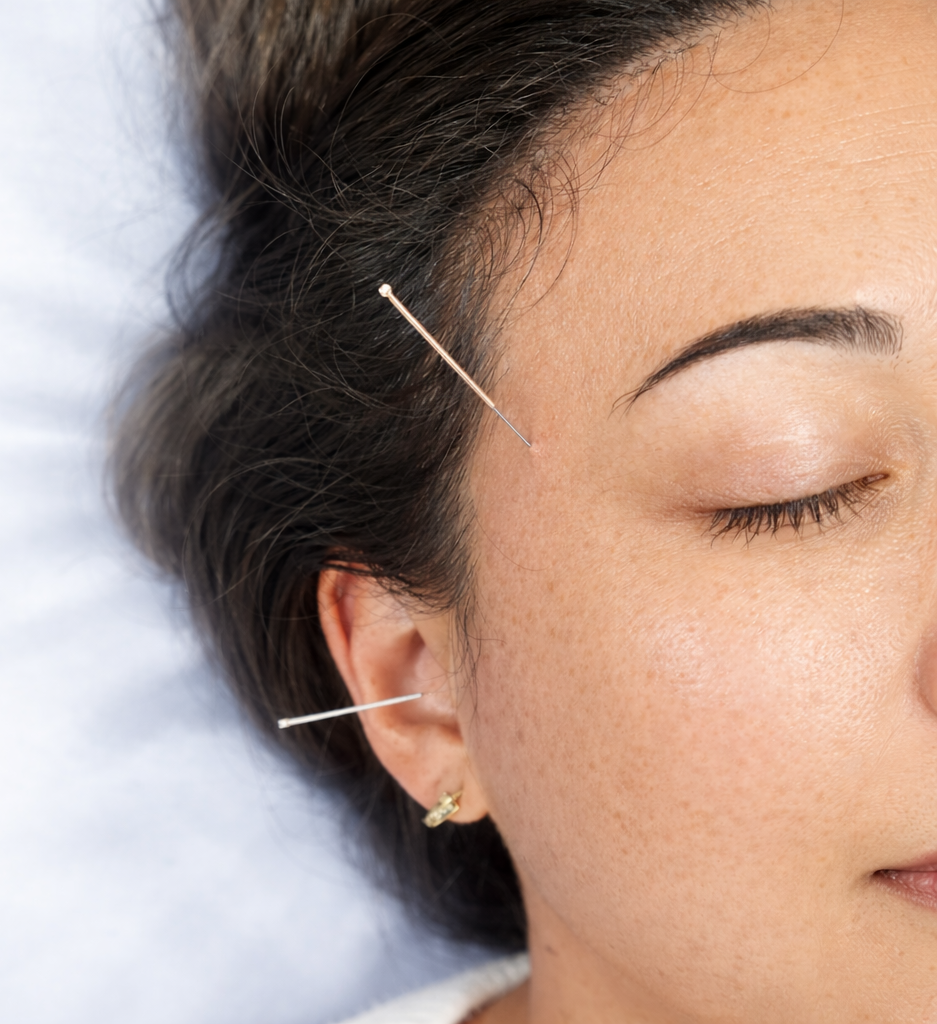
Dry Needling for TMJ Dysfunction
Where clinically appropriate, dry needling may be used to help reduce muscular tension and trigger point sensitivity in areas such as:
- Jaw muscles
- Temples
- Neck muscles
- Upper shoulders
-
This can be particularly helpful when jaw clenching or chronic muscular tightness is contributing to symptoms.
How Remedial Massage & Myotherapy Can Help
Massage and myotherapy may assist by:
- Releasing tension through the jaw, neck and shoulders
- Improving upper body mobility
- Reducing stress-related muscular guarding
- Supporting comfort between physio sessions
- Helping recurring tightness patterns
These services often complement physiotherapy well.
How Exercise Rehabilitation Can Help
Exercise rehab may include:
- Jaw control exercises
- Relaxation and breathing strategies
- Neck strengthening
- Postural endurance work
- Shoulder blade control
- Mobility drills
- Long-term tension management strategies
Why Choose Active Balance Physio & Wellness?
Experienced multidisciplinary team
Physio-led integrated care
Physio, massage, myo & rehab under one roof
Individualised treatment plans
Friendly, caring team focused on results
Convenient Adelaide location
After-hours appointments available
Frequently Asked Questions
Can physio help TMJ dysfunction?
Yes, many cases involving muscle tension, neck dysfunction, posture or jaw movement control can respond well to conservative treatment.
Do you do dry needling for jaw pain?
Yes, where clinically appropriate and after assessment.
Is TMJ treatment only for the jaw?
Not always. The neck, posture, breathing patterns and surrounding muscles can all influence symptoms.
Do I need a dentist instead?
Some people may benefit from dental review, splints or specialist input. We can help identify when referral is appropriate.
When Should I Seek Further Medical Advice?
Seek review from a dentist, GP or specialist if you experience:
- Persistent jaw locking
- Significant difficulty eating
- Major bite changes
- Recent trauma
- Severe night grinding damaging teeth
- Unexplained swelling
- Ongoing symptoms not improving
- We can also help guide referrals where appropriate.
✅Private Health Rebates
✅Same Week Appointments
✅Experienced Team
✅Onsite Parking
Ready to Get on Top of Your Jaw Pain?
Book with our team today and start a personalised plan to reduce jaw pain, improve movement and feel more comfortable day to day.