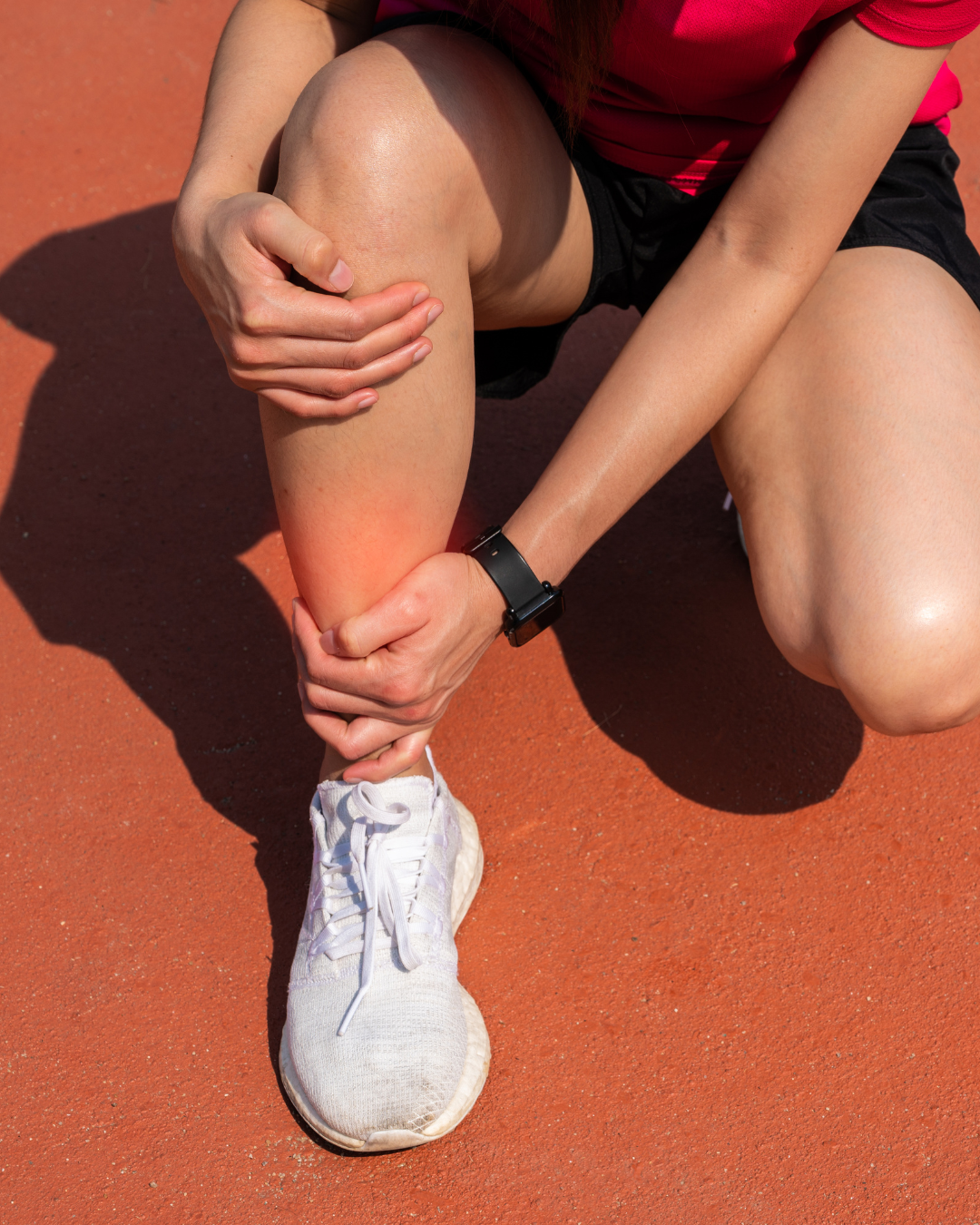
These movements aren't dangerous in themselves. Your spine is designed to bend. Your knees are designed to bend under load. Your shoulders are designed to reach overhead. When one of these movements becomes painful, it's usually not because the movement is "bad", but because your body wasn't ready for that load on that day.
What happens when we avoid specific movements
When we stop doing something, our body adapts to not doing it. Over time:
- The muscles and tissues involved get less used to load.
- We lose strength and range in that position.
- The movement starts to feel unfamiliar, and sometimes more worrying.
So the next time you have to do that movement in everyday life, like lifting a heavy box or reaching up to a top cupboard, your body is less prepared for it than before. Avoidance can quietly shrink what your body can handle.
Hurt doesn't always mean harm
This is a big one. Feeling some discomfort during a movement doesn't automatically mean you're damaging something. Pain is your body's protective system, and after an injury it can stay a little more sensitive than it needs to be, especially if you're worried about the movement.
That doesn't mean ignoring pain. It means understanding that some discomfort while you rebuild is often normal, and a good physio can help you work out what's okay and what isn't.
Modify, don't avoid
As physios, our goal is to keep you moving, however that looks for you. There are exceptions, but in most cases our approach is to modify, not avoid. In the majority of cases, there's something we can do to load and strengthen the area, with the aim of building your tolerance and strength over time. It might not look like the full movement straight away, and that's okay. It might mean:
- Lighter weight: Deadlifting a kettlebell instead of a loaded barbell.
- Less range: Squatting to a box or chair before going deeper.
- Slower tempo: Taking the movement slowly so it feels more controlled.
- A different variation: Lifting from a raised height, or pressing at an angle before going fully overhead.
- Fewer reps: Doing a little, often, and building up gradually.
Over weeks, you slowly increase the challenge. Your body adapts, your confidence comes back, and the movement becomes normal again.
When to get it checked
There are times when easing off a movement for a while is the right call, particularly soon after an injury or if pain is severe, getting worse, or coming with other symptoms like numbness or weakness. That's where an assessment helps, so you know whether it's a "not yet" or a "go for it, gradually".
How we can help
Our physiotherapists can assess what's going on, work out a starting point that feels manageable, and guide you back to the movements you've been avoiding, whether that's lifting at the gym, squatting down to play with the kids, or reaching overhead without thinking twice.