Why complicated programs often don’t stick
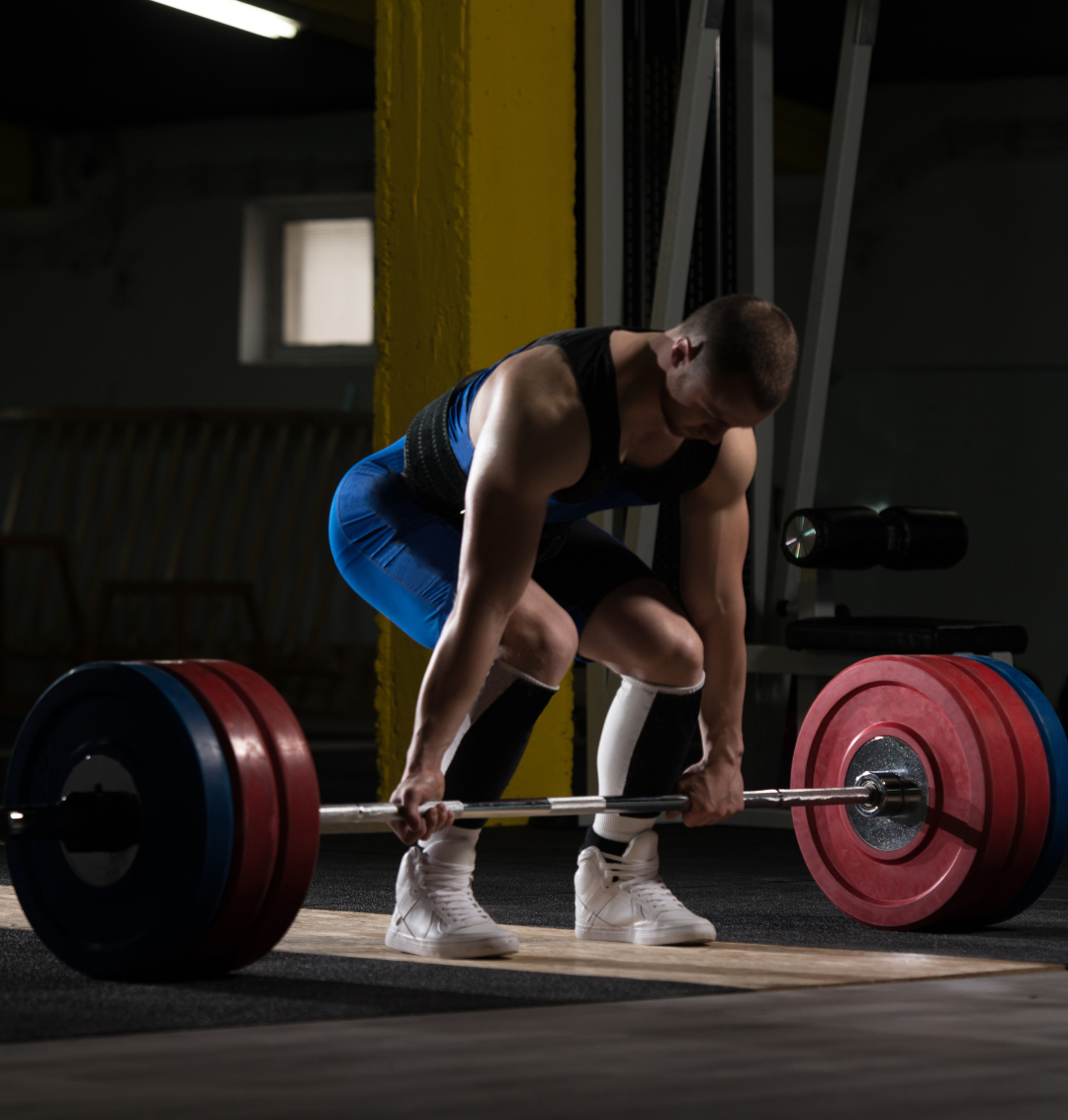
There’s nothing wrong with a detailed program. But in real life, complexity tends to get in the way.
They take too long. A 45-minute routine might feel achievable on day one. By week two, when work is busy, the kids are sick and you’re tired, it’s easy to skip it. And once you’ve skipped it a few times, it’s easy to stop altogether.
They’re hard to remember. If a program has 12 exercises with different sets, reps and positions, you’ll probably need to look it up every time. That’s another small barrier between you and actually doing it.
They can feel overwhelming. When something feels like a big task, we tend to put it off. A long list of exercises can make starting feel harder than it needs to be.
The “perfect” exercise doesn’t exist. It’s easy to get caught up searching for the one best exercise for your knee, back or shoulder. In reality, many different exercises can do a similar job. What matters more is that you do them regularly.
Why consistency matters so much
Your body adapts to what you do regularly, not what you do occasionally.
Muscles get stronger, tendons become more resilient and joints feel more comfortable when they’re given a steady, repeated challenge over time. That process doesn’t happen in one session. It builds gradually, week by week.
Think about brushing your teeth. Brushing twice a day for two minutes does far more for your teeth than one marathon brushing session once a month. Exercise works in a similar way. Little and often builds up.
Doing one exercise once won’t change much. Doing that same exercise most days for six weeks can make a real difference.
Simple doesn’t mean ineffective
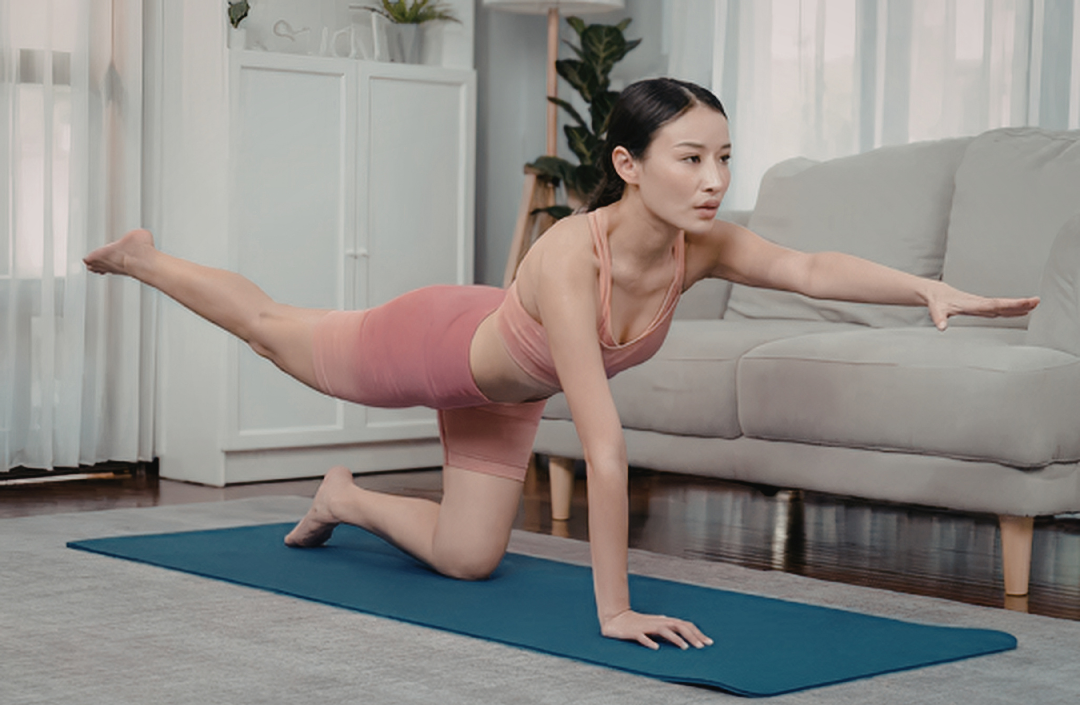
Some of the most useful exercises are also the most basic. Squats, sit-to-stands, calf raises, bridges, step-ups and walking all look ordinary, but they’re the foundation of a lot of rehab and strength programs for good reason.
They work a lot of muscles at once, they relate to things you do in everyday life, and they can easily be made harder or easier as you progress. A sit-to-stand from a chair, for example, can be built up by slowing it down, holding a weight or lowering the chair height.
You don’t need fancy equipment, a perfect setup or an hour of spare time. You just need something you’ll keep doing.
How to make consistency easier
- Start small. One or two exercises is plenty to begin with. It’s much better to do a little and keep it up than to do a lot and burn out.
- Attach it to something you already do. Do calf raises while the kettle boils, squats before your shower or a few stretches while your dinner is cooking. Linking new habits to existing ones makes them easier to remember.
- Keep it short. A few minutes a day is often more realistic, and more effective in the long run, than one long session a week you keep putting off.
- Make it visible. Leave your resistance band somewhere you’ll see it, set a phone reminder or tick off each day on a calendar.
- Don’t aim for perfect. Missing a day isn’t a problem. Just pick it back up the next day. Consistency is about the overall pattern, not a perfect streak.
- Build up gradually. Once your exercises feel easy and part of your routine, that’s the time to add a little more challenge or another exercise.
Where your physio comes in
A good exercise program isn’t about how impressive it looks. It’s about whether it suits you, your goals and your life.
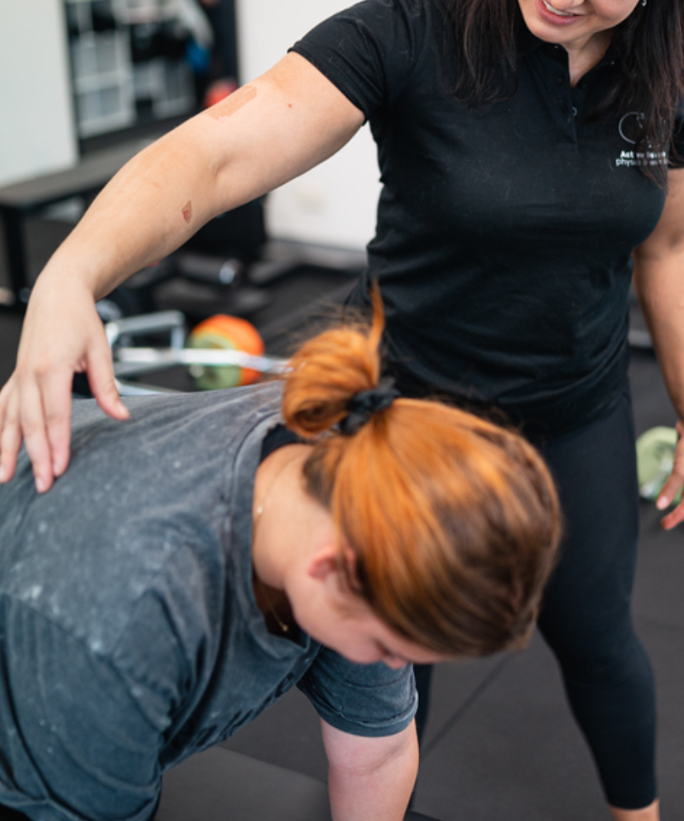
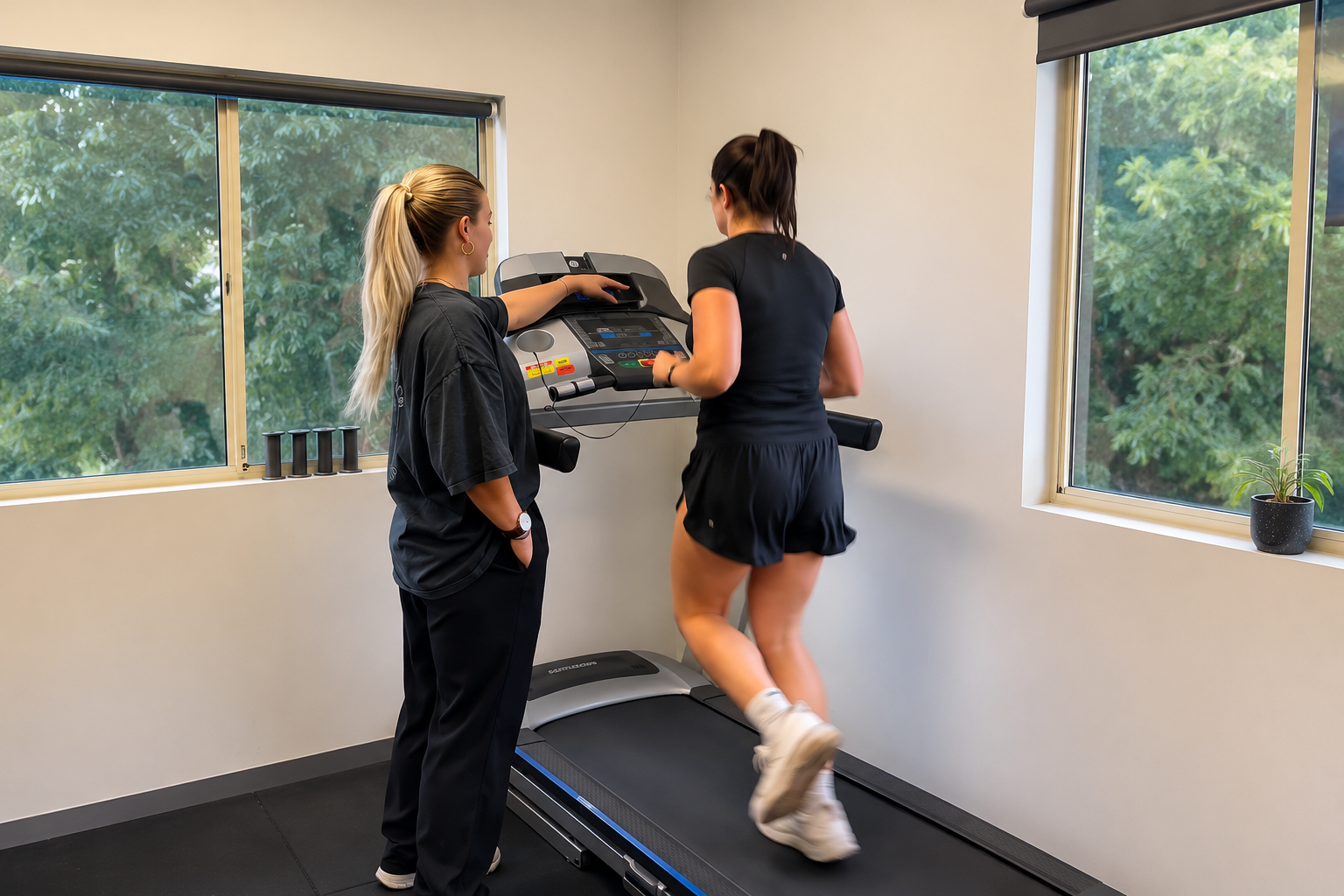
When we put together a program at Active Balance, we look at what you’re working towards, what your body needs and, just as importantly, what you’ll realistically be able to fit into your week. Sometimes that means fewer exercises, not more. We’ll also help you progress them over time, so your program keeps up as you improve.
If you’ve been given a long program in the past and found it hard to stick with, let us know. We’d much rather give you two exercises you’ll actually do than ten you won’t.
The takeaway
Fancy exercises might look great online, but your body doesn’t need complicated to make progress. It needs consistent.
Pick something simple, do it regularly and build from there. Over time, those small efforts add up.
If you’d like help putting together a simple, realistic exercise plan, our team is here to help.
Book online, or call us on 08 7123 4148.
Julia Flett, Physiotherapist, Active Balance Physio & Wellness