Posture gets more blame than it deserves
When researchers have looked at the link between posture and back pain, they haven’t found the strong connection most people assume is there. People who slouch don’t reliably have more back pain than people who sit perfectly upright. Plenty of people with “textbook” posture still get sore, and plenty of people who sit however they like feel fine.
Think about ballerinas. They spend years training to hold beautiful, upright posture, and they’re incredibly strong and controlled. Yet dancers can still get sore backs. If perfect posture were the answer, they’d be immune. They’re not, because posture is only a small part of the picture.
So does posture matter at all?
Yes, it does. We’re not saying you should spend your day hunched over with your neck poking towards the screen. How you sit and stand still plays a part in how comfortable you feel, and setting yourself up well is worthwhile.
But posture usually isn’t as important as most people think. What matters more is how often, and how easily, you can move in and out of a position.
If you’ve slumped into the couch and can sit up, stretch and shift around without any trouble, that’s not much of a worry. Your body is doing exactly what it’s meant to do. It’s when you get
stuck
in a position, either because you’ve stayed there for hours or because your body has become stiff and struggles to move out of it, that it becomes more of an issue.
In other words, the goal isn’t to hold a perfect posture all day. It’s to have a body that can move freely between lots of different ones.
The bigger issue:
not moving enough
Our bodies are built to move. Muscles, joints and the tissues around them generally feel and work their best when they get regular variety. The problem usually isn’t the position you’re in. It’s how long you stay there. Hold any position for hours, whether that’s slumped on the couch or sitting bolt upright at your desk, and your body will eventually start asking for a change. Muscles tire, joints stiffen, and that ache starts to creep in.
That’s why we often say your best posture is your next posture. Rather than hunting for the one “correct” way to sit, the goal is to change position often and keep moving throughout your day.
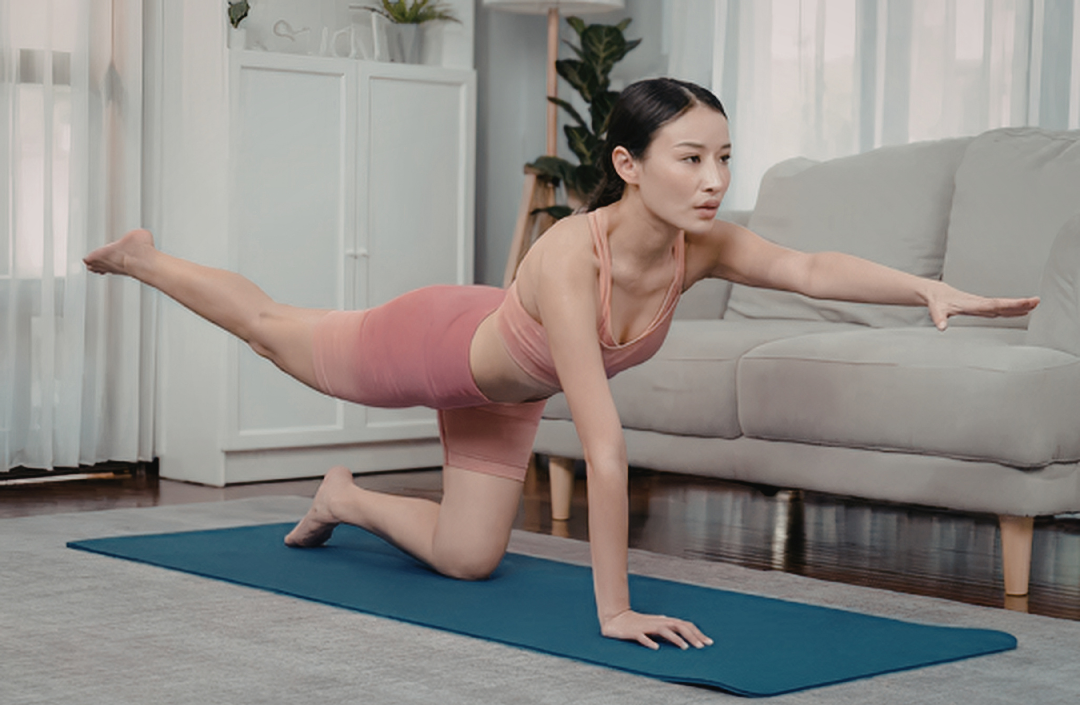
It’s also worth looking at movement more broadly. If most of your day is spent sitting at work, in the car and then on the couch, your body may simply not be getting enough movement overall. Regular activity, whether it’s walking, swimming, Pilates, strength training or playing with the kids, helps keep your body strong, capable and more resilient to the demands of daily life.
Other things that can make your back sore
Here’s the part that surprises a lot of people. Back pain isn’t just about muscles and joints. A range of everyday factors can influence how sensitive your body is and how much pain you feel.
- Stress. When life gets busy or overwhelming, your body feels it too. Stress can increase muscle tension and make your nervous system more sensitive, which can mean aches feel stronger or hang around for longer.
- Fatigue and poor sleep. A few rough nights can leave your whole body feeling more achy and less able to recover. Sleep plays a big role in how your body repairs itself and how you experience pain.
- Sudden changes in load. Doing much more than usual, like a big weekend in the garden or jumping back into the gym after a long break, can leave your back feeling it, especially if your body hasn’t built up to it.
- General health and lifestyle. Things like overall fitness, activity levels and how you’re feeling emotionally can all play a part.
So if you’ve had a sore back during a stressful stretch at work, or after a week of terrible sleep, that’s not a coincidence. Your posture probably hasn’t changed much. But the rest of what’s going on in your life has.
What you can do
The good news is that many of these factors are things you can influence.
- Move more, and more often. Get up from your desk every 30 to 45 minutes, even just to stretch or grab a glass of water. Mix up your positions through the day. Find an activity you enjoy. You’re far more likely to stick with exercise you actually like. It doesn’t need to be intense to be helpful.
- Look after your sleep. A regular bedtime routine and some wind-down time away from screens can make a difference.
- Manage stress where you can. Walking, time outdoors, breathing exercises or catching up with friends can all help take the edge off.
- Build up gradually. If you’re starting something new or returning to activity, ease into it and give your body time to adapt.
- Stop stressing about sitting “wrong.” Worrying about your posture can actually make you tense up more. Aim for a comfortable, supported position, and keep changing it regularly.
When to see a
physio
Most everyday back aches settle with time and movement. But if your pain is sticking around, getting worse, affecting your sleep, or coming with symptoms like pins and needles, numbness or weakness, it’s worth getting it checked.
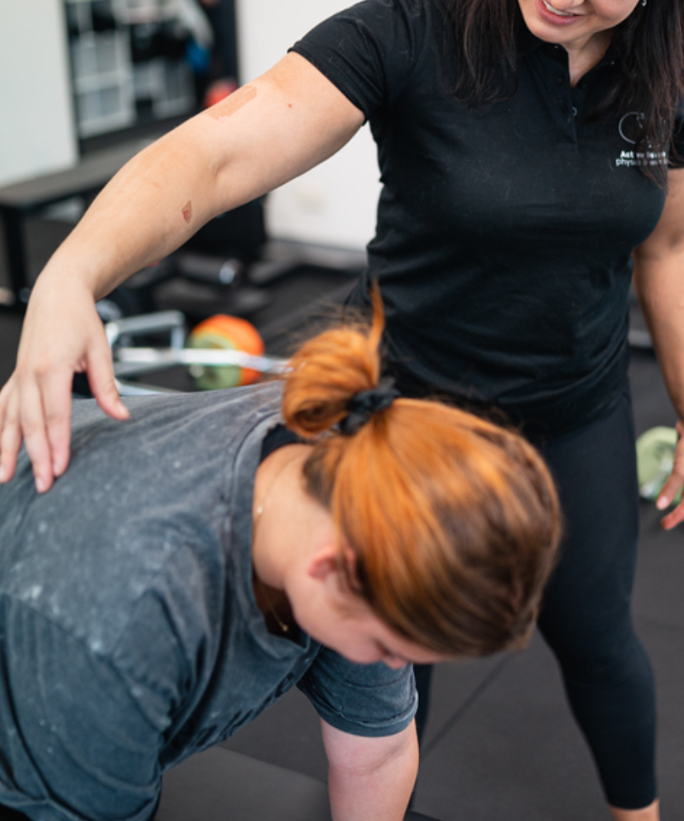
A physiotherapist can assess how your body is moving, talk through what else is happening in your life, and help you understand what’s contributing to your symptoms. From there, we can put together a plan that suits you, which might include exercise, hands-on treatment and practical strategies to keep you moving.
The takeaway
Posture matters, but probably not as much as you’ve been led to believe. Back pain is usually about the bigger picture: how much you move, how easily you can change positions, how well you’re sleeping, how stressed you are and how your body is coping with everything you ask of it.
So next time you catch yourself slouching, don’t stress. Just get up and move.
If your back has been bothering you, our team is here to help.
Book Online, or call us on 08 7123 4148.