Why Your Back Pain Probably Isn't Your "Weak Core"

"You need to strengthen your core" is one of the most common things people hear about back pain, and one of the most oversimplified. It's become a kind of default answer, the thing everyone says regardless of what's actually going on. And while it's not wrong exactly, it's usually only a small part of a much bigger picture.


Your core plays a role in supporting your spine, sure. But for a lot of people with back pain, the issue isn't a lack of core strength at all. It might be how your body is moving day to day, how load is being shared across your hips, spine, and legs, how much variety is (or isn't) in your movement patterns, or simply a back that's had a rough patch and needs the right kind of loading to settle and recover. Sometimes it really is about strength and control. Often it's something else entirely, or a mix of several things working together.


The trouble with the "weak core" story is that it tends to send people down a narrow path: endless crunches, planks, and bird-dogs, done in isolation, while the actual contributing factors go unaddressed. It can also plant an unhelpful idea, that your back is inherently unstable or fragile and needs to be protected and braced. That mindset tends to make people more cautious and guarded around movement, not less, which often isn't what a recovering back actually needs.


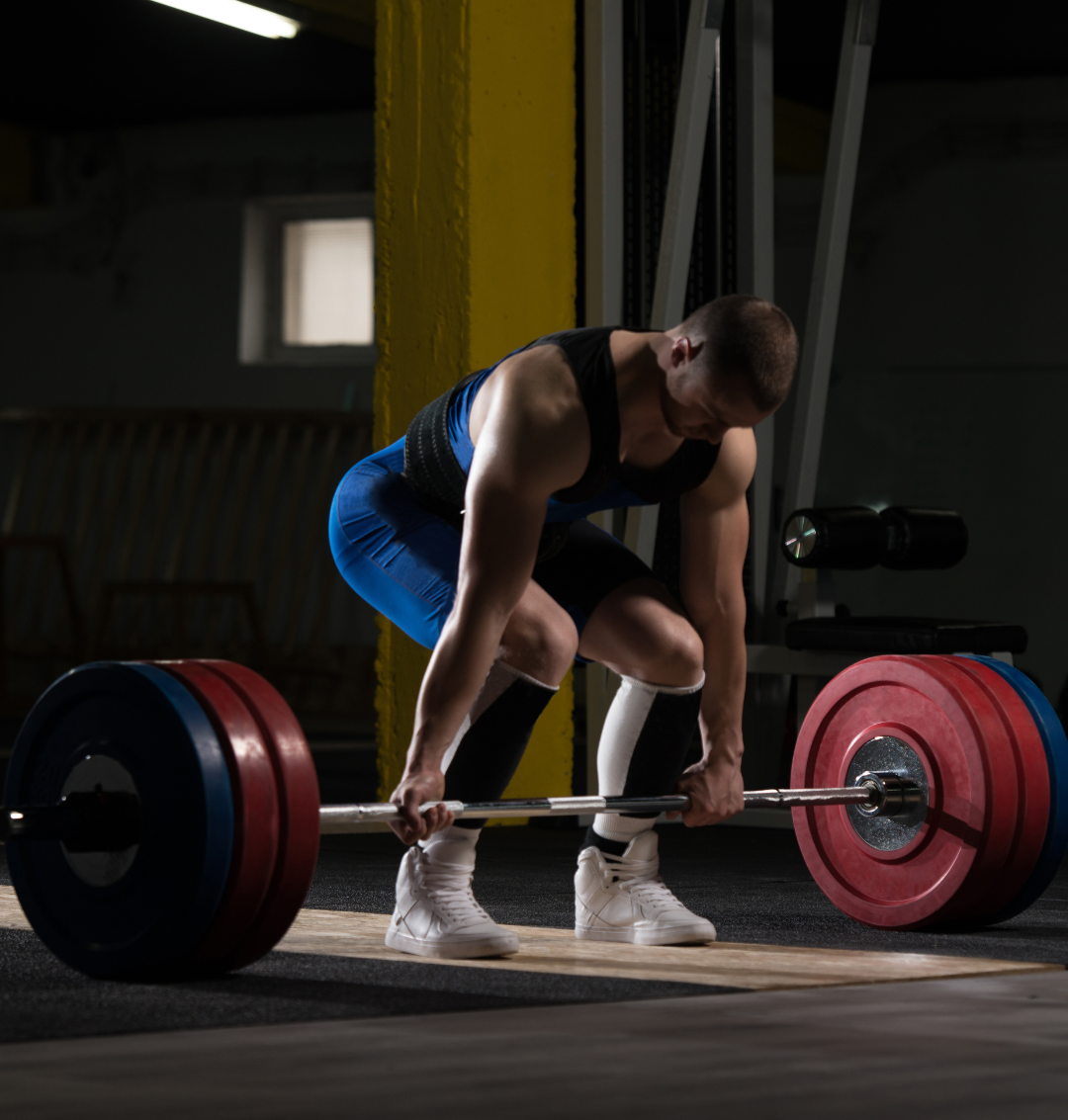
Here's the piece that gets missed most often: backs generally don't get resilient from isolated core exercises alone. They get resilient from being loaded, progressively and sensibly, through real movement patterns. Something like a deadlift, a squat, or a loaded hinge asks your whole system, core included, but also hips, legs, and the muscles either side of your spine, to work together under load. That's a fundamentally different stimulus to lying on the floor doing crunches, and it's often the piece missing from a "just strengthen your core" plan. If all you're doing is isolated core work, you're leaving out a huge chunk of what your spine actually needs to cope with everyday life, like lifting, carrying, twisting, bending, under real load.


A proper assessment looks at the full picture - how you move, what aggravates things, your history, your goals, and what your spine is and isn't currently being asked to tolerate, rather than jumping straight to "core weakness" as the default answer. From there, a plan can be built around what your back actually needs, which might include some targeted core work, but usually also involves progressively loading the bigger patterns your spine relies on every day.


If your back pain hasn't budged despite months of crunches and planks, it might be time to ask a different question than "how do I strengthen my core."


Emily Clements, Senior Physiotherapist, Active Balance Physio & Wellness

September 30, 2026
Is Deadlifting Bad for My Back? Why No Movement Is "Dangerous"
September 30, 2026
Vertigo: Causes, Home Care, and Treatment Options
August 25, 2026
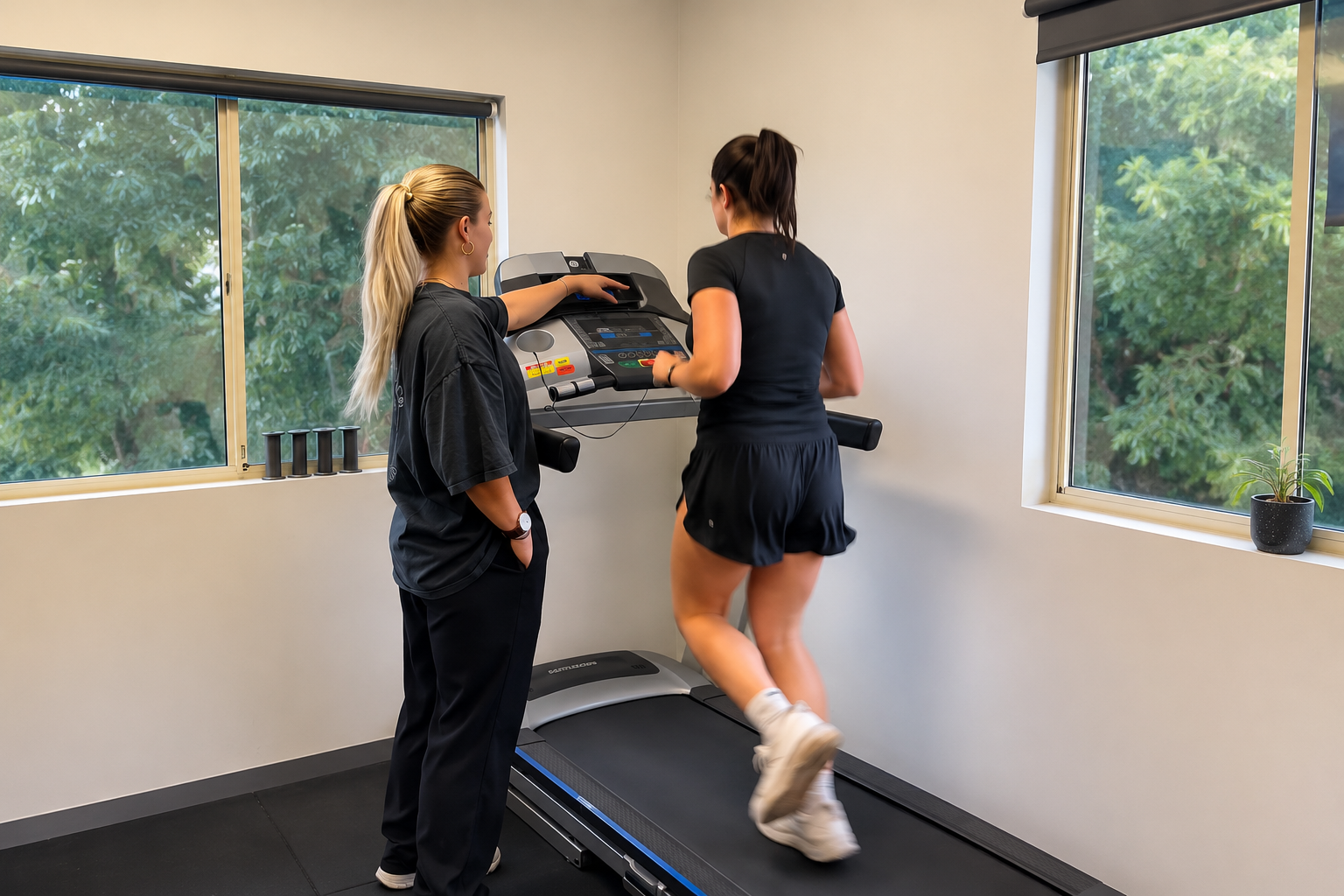
What's Actually Involved in a Running Assessment (It's More Than Watching You Jog)
Remedial massage therapy session at Active Balance Physio & Wellness, St Marys
August 25, 2026
Weekly, monthly, or somewhere in between? Here's how to know how often remedial massage actually helps, and what changes your quality of life.
July 31, 2026
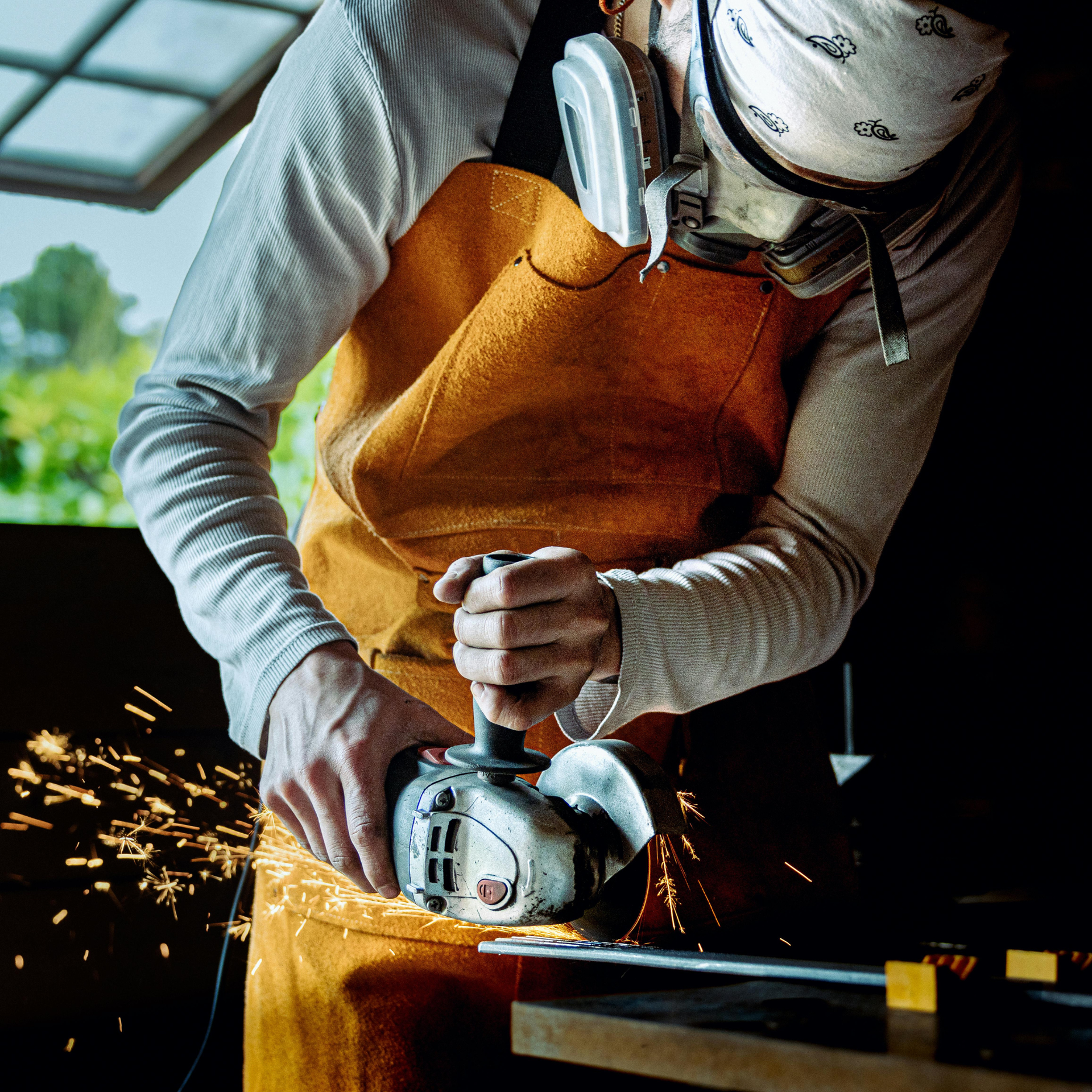
Tradies carry the physical load of the job. This Tradies National Health Month, find out how physio can help you keep working pain-free.
July 29, 2026
When most people think about improving their sport or getting back from an injury, they think about the gym, the physio room, or the training track. Food rarely gets the same attention, but what you eat has a direct impact on how well you recover, how resilient your body is to injury, and how you perform when it counts
July 29, 2026
It's becoming more common for people to research their pain or injury using AI chatbots before they ever see a physiotherapist. But there's an important difference between researching a topic and getting an actual clinical assessment.
July 1, 2026
Our Adelaide physios love treating sports injuries, and everything else. Here's what sports physio at Active Balance looks like.
More Posts