Strength, control and mobility come first
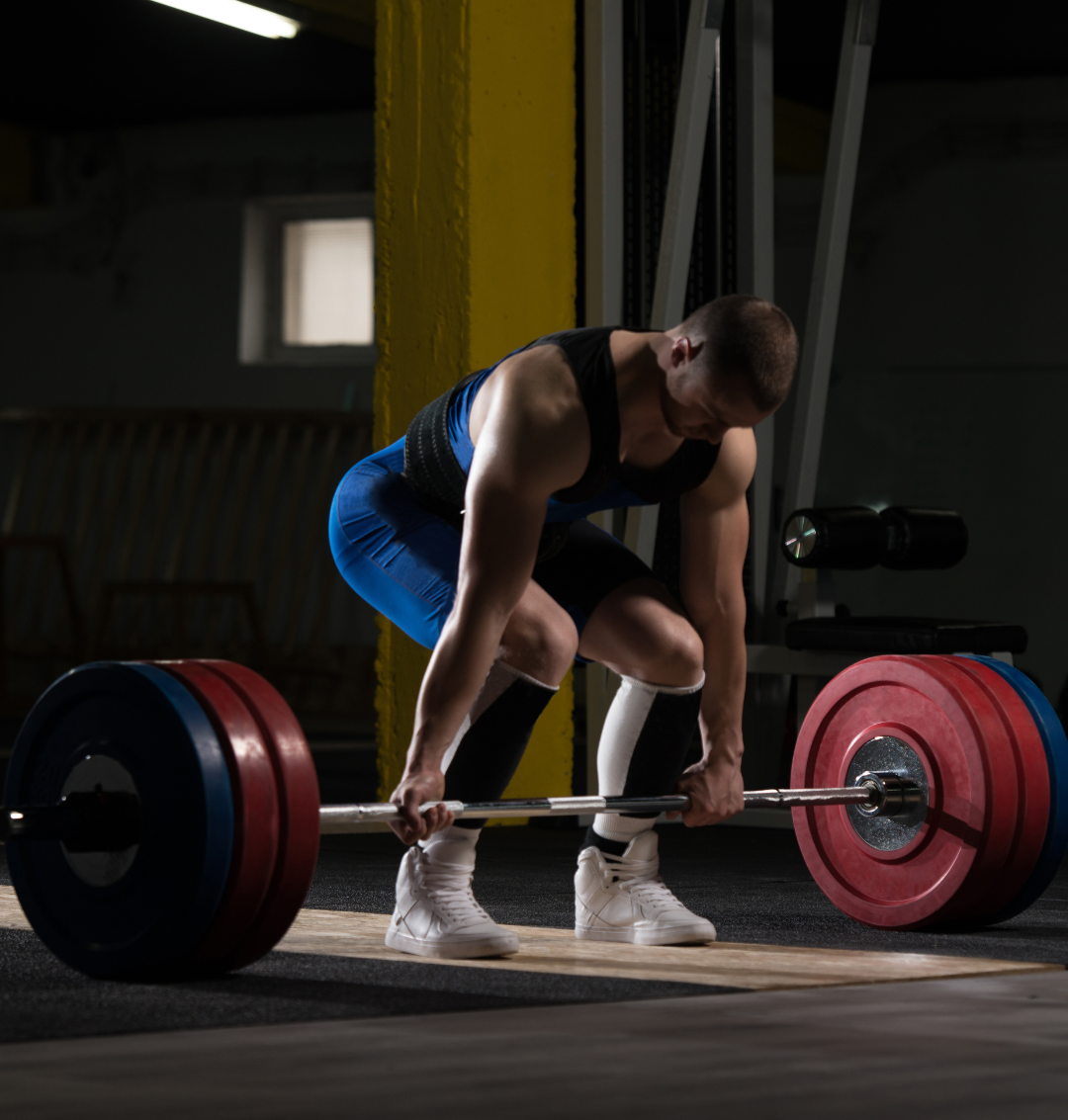
Running technique doesn't happen in isolation — it's a product of what your body can and can't do. That's why we screen hip strength, ankle mobility, single-leg stability and load tolerance before we even talk about stride. A lot of "gait flaws" people worry about (overpronation being the classic one) are really just downstream effects of a strength or mobility limitation somewhere else in the chain. Fix the cause, not the symptom.
Then the gait analysis
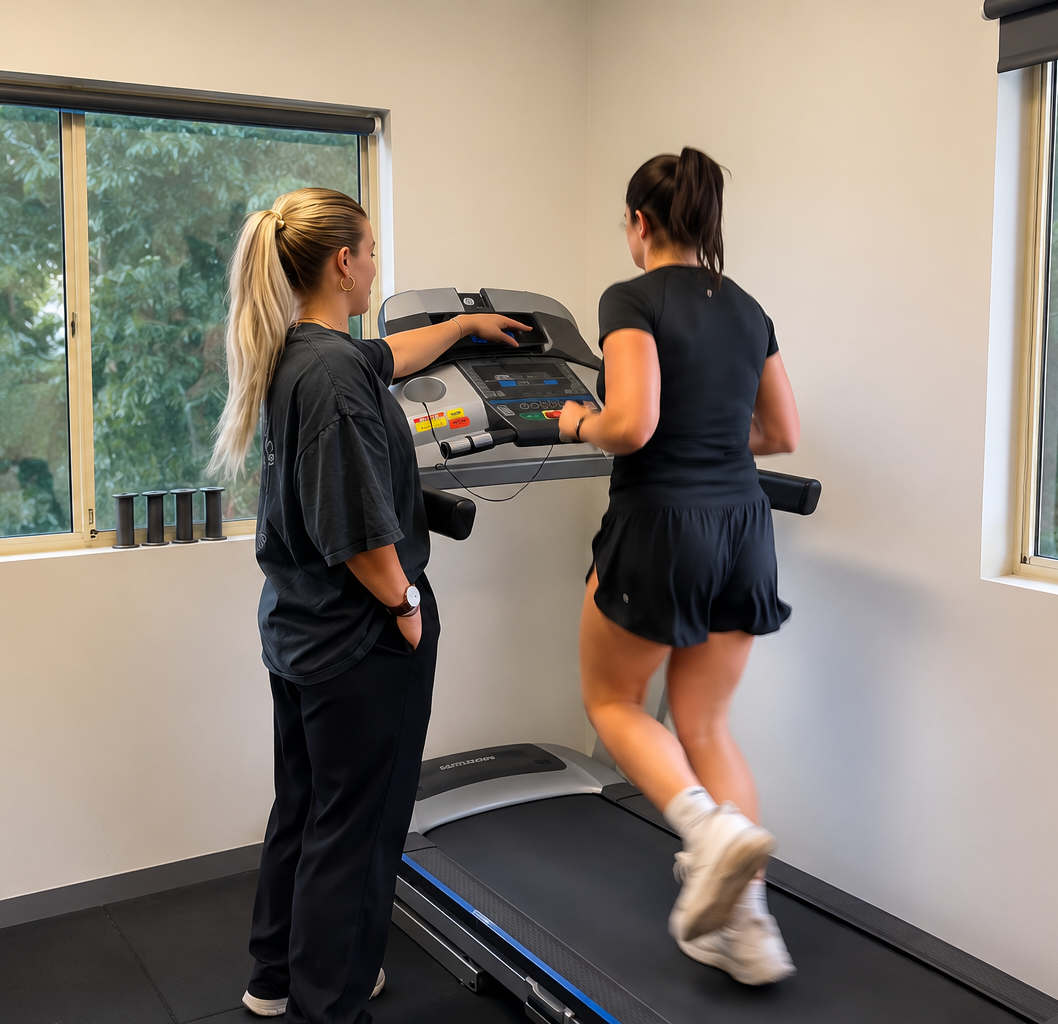
Once we understand your history and your physical baseline, we film you running — usually on a treadmill, sometimes overground — and break down what's happening at the hip, knee, ankle and foot through the gait cycle. We're looking at things like cadence, vertical oscillation, foot strike pattern and asymmetries between your left and right sides.
Where
VALD technology comes in
This is where we go beyond eyeballing a slow-motion video. We use VALD ForceDecks to measure force output, landing mechanics and left-right asymmetries objectively — so instead of "your left side looks a bit weaker," we can tell you the actual percentage difference between limbs, and track whether that gap is closing over time. It takes a lot of the guesswork out of both the assessment and the rehab that follows, because we're working from real numbers rather than visual impression alone.
Load management: the piece most assessments skip
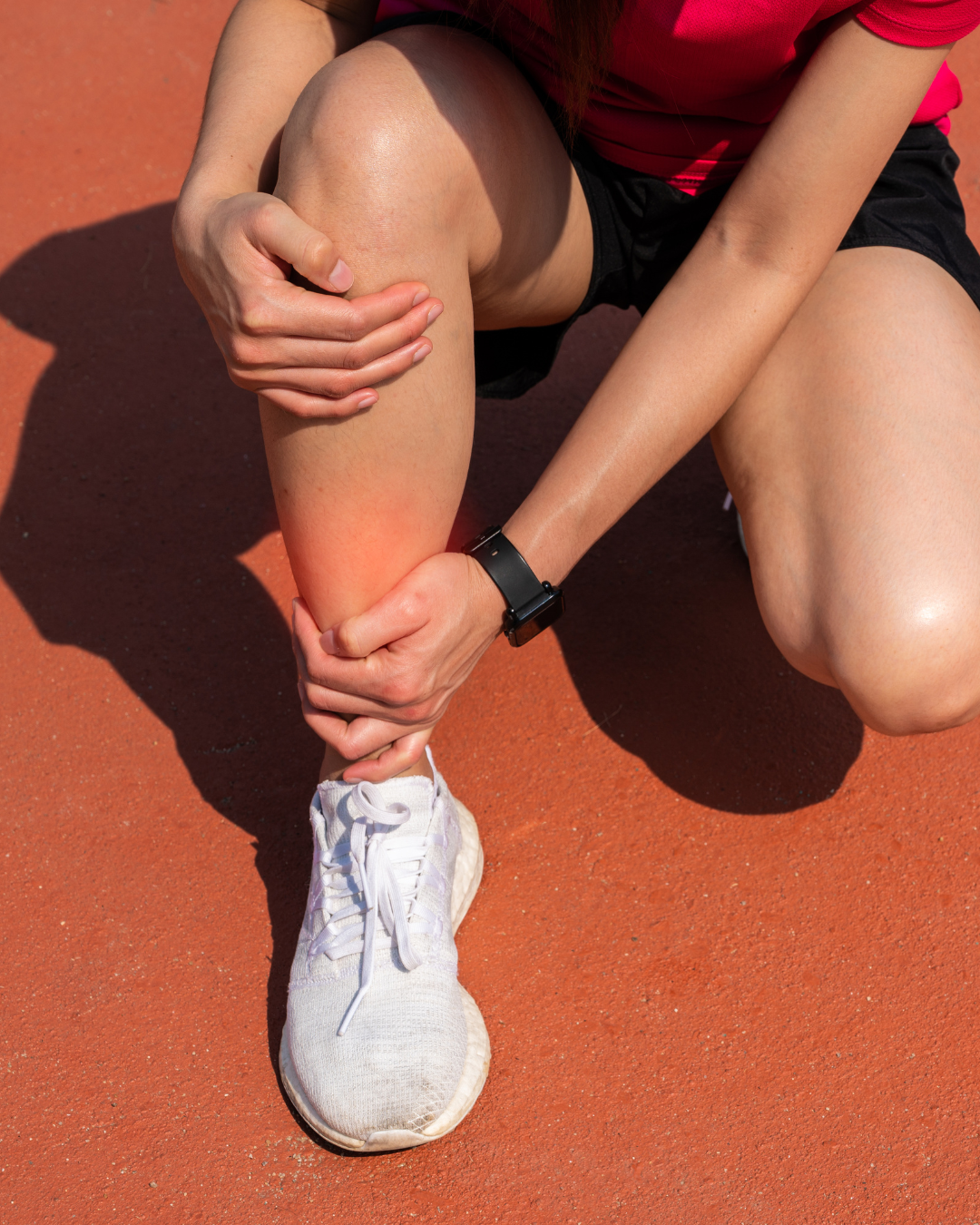
A gait analysis can tell you how you're running. It can't tell you if you're running too much, too soon, or on legs that haven't recovered from last week. That's why load management is part of the conversation — how your weekly mileage has changed recently, how it compares to what your body's adapted to, and whether your training plan is asking for more than your tissues can currently handle. A lot of running injuries aren't really technique problems at all — they're load problems wearing a technique costume.
Timing and surfaces matter more than people think
We'll also ask about when you run and where. Time of day affects things like tissue stiffness and fatigue levels — a 6am run on cold muscles loads the body differently to an evening run. Surface matters too: repeatedly running on hard, unforgiving surfaces (concrete footpaths, for instance) loads joints differently to trail or grass, and a sudden switch between surfaces is a common, underrated trigger for niggles. None of this is about telling you to stop running on your favourite route — it's about understanding what your body's dealing with so we can plan around it.
Nutrition and
recovery
Running performance and injury risk aren't purely mechanical — under-fuelling, particularly for runners increasing their volume, can affect bone health, recovery and tissue tolerance to load. Where relevant, this is something we'll flag and, if needed, refer on for — our in-house dietitian works with a number of our running clients on fuelling around training blocks and events.
Footwear gets a look too
Wear patterns on your current shoes, and whether your footwear actually suits your foot type and running goals, is part of the picture — though it's rarely the whole answer on its own.
The part that actually matters: what happens next
The assessment itself is only useful if it leads somewhere. You should walk away with a clear explanation of what's contributing to your pain (or your risk of pain), and a specific plan — strength work, load management, technique cues, or a combination — tailored to your goals and your timeline. A running assessment that ends with "here's what's wrong" and no plan for what to do about it isn't finished.
Why it matters who's doing it
A running assessment is a clinical skill, not a standard service checklist. It takes someone who understands biomechanics, load management and injury rehabilitation — backed by objective data rather than guesswork — to connect what they're seeing on the treadmill to what's actually going on in your body. That clinical reasoning, and the technology behind it, is the part that's hard to copy, even when the format looks the same on paper.
If you're building mileage, coming back from injury, or just want to run with fewer niggles, book a
running assessment with one of our physiotherapists.
Emily Clements, senior physiotherapist, Active Balance Physio & Wellness