
It's becoming more common for people to research their pain or injury using AI chatbots before they ever see a physiotherapist. In some ways, that's not a bad thing — someone who's thought about their body and done some reading arrives more engaged, and that's a good starting point for any appointment. But there's an important difference between researching a topic and getting an actual clinical assessment, and it's a difference worth understanding.
AI Knows a Lot. It Just Doesn't Know You.

AI doesn't examine you
A chatbot can only work with what you type into it — a description of symptoms, maybe where it hurts and when. What it can't do is watch how you move, test your strength and range of motion, feel for swelling or muscle guarding, or pick up on the small compensations your body makes without you realising. A huge amount of physiotherapy assessment comes from hands-on testing and observation, not just from a list of symptoms. Two people can describe almost identical pain and have completely different underlying causes.
A confident answer isn't the same as a correct one
AI tools are designed to give clear, confident-sounding responses. That can be reassuring, but it also means they can sound just as certain about the wrong answer as the right one. Without an actual examination, there's no way for a chatbot to know whether your knee pain is coming from the joint itself, from your hip, from your lower back, or from how you're loading it during a particular activity — all of which can present in similar ways but need very different treatment approaches.
Self-diagnosis can create its own problems
We sometimes see people arrive at their first appointment quite attached to a specific self-diagnosis they've landed on through their own research. When the clinical assessment points somewhere else, that can be a hard thing to hear — even when it's good news. This isn't about AI being "wrong" so much as it is about the limits of any tool that hasn't actually assessed you. A good assessment sometimes means ruling things out as much as ruling things in, and that process is hard to replicate without a real, hands-on evaluation.
Where AI research can actually help
None of this means AI is useless in the picture. Coming in with questions, having a general sense of what your symptoms might mean, or wanting to understand your diagnosis better after your appointment — these are all reasonable, sensible uses. The key difference is timing and purpose: research can prepare you for a conversation with your physio, but it shouldn't replace the conversation itself.
What a real assessment gives you that AI can't
When you see one of our physiotherapists, you're getting a hands-on evaluation of your movement, strength, and function, combined with your history and goals — not just a description matched against a database. It also means your treatment plan is built around your body specifically, not a generalised set of possibilities. And if something needs further investigation — imaging, a specialist referral, or input from another member of our team — that's something a real assessment can identify in a way a chatbot simply can't.
The bottom line
There's nothing wrong with doing some reading before your appointment. But when it comes to actually figuring out what's going on and what to do about it, there's no substitute for an experienced clinician who can put hands on you, watch how you move, and ask the right follow-up questions based on what they're seeing — not just what you've typed.
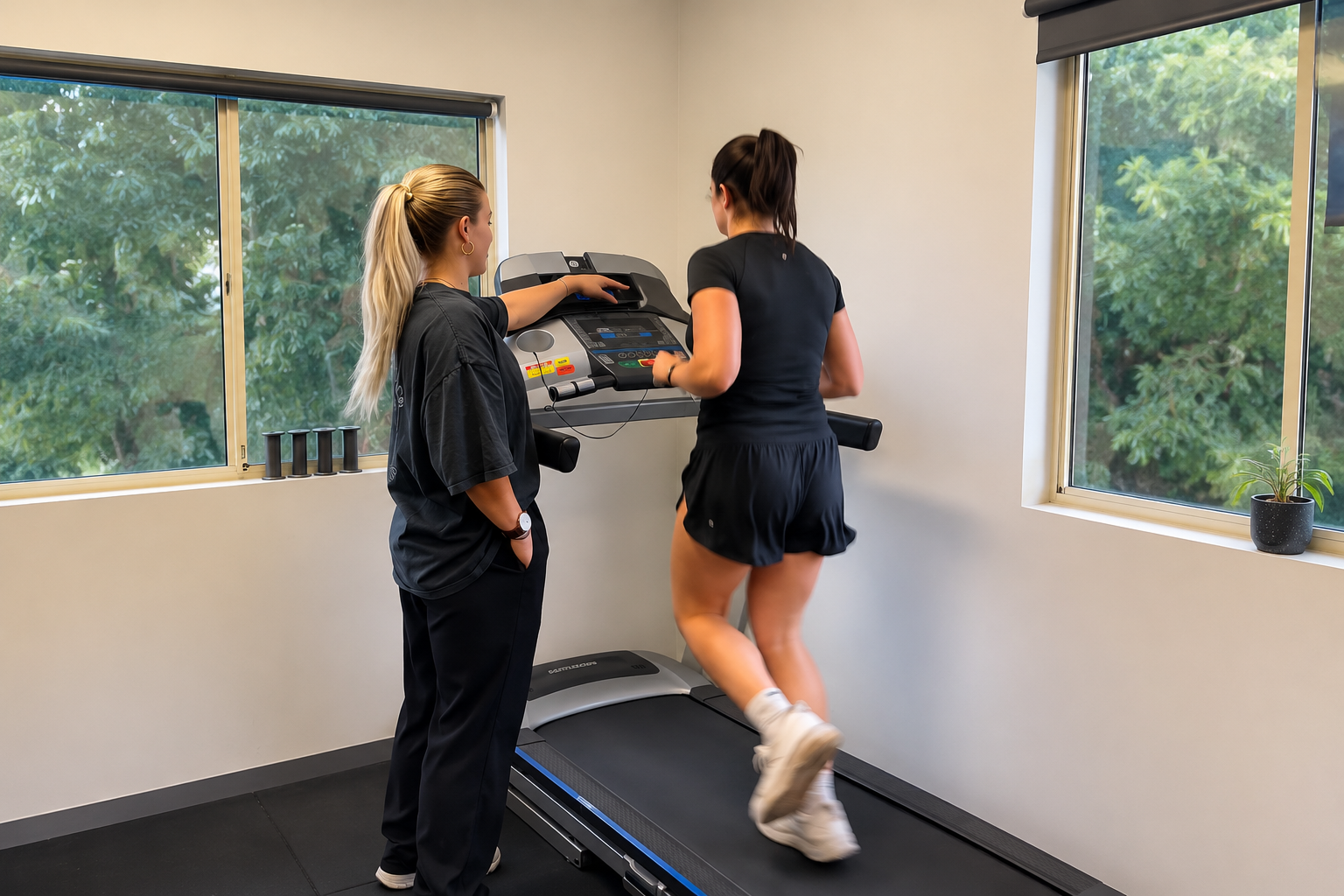
What's Actually Involved in a Running Assessment (It's More Than Watching You Jog)

Weekly, monthly, or somewhere in between? Here's how to know how often remedial massage actually helps, and what changes your quality of life.

Tradies carry the physical load of the job. This Tradies National Health Month, find out how physio can help you keep working pain-free.

When most people think about improving their sport or getting back from an injury, they think about the gym, the physio room, or the training track. Food rarely gets the same attention, but what you eat has a direct impact on how well you recover, how resilient your body is to injury, and how you perform when it counts

Our Adelaide physios love treating sports injuries, and everything else. Here's what sports physio at Active Balance looks like.
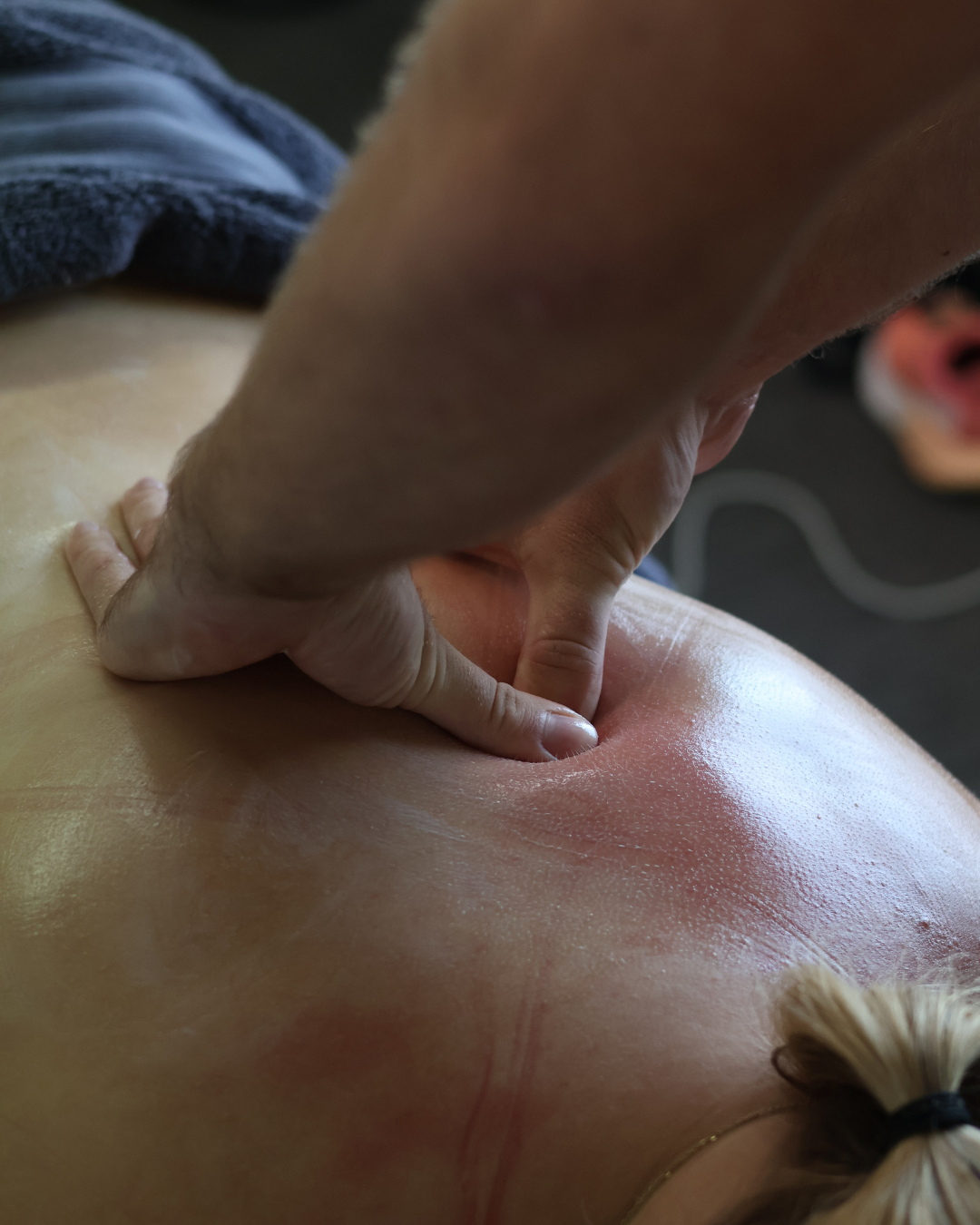
"Can You Go Harder?" - What People Usually Mean When They Ask for Deep Tissue Massage
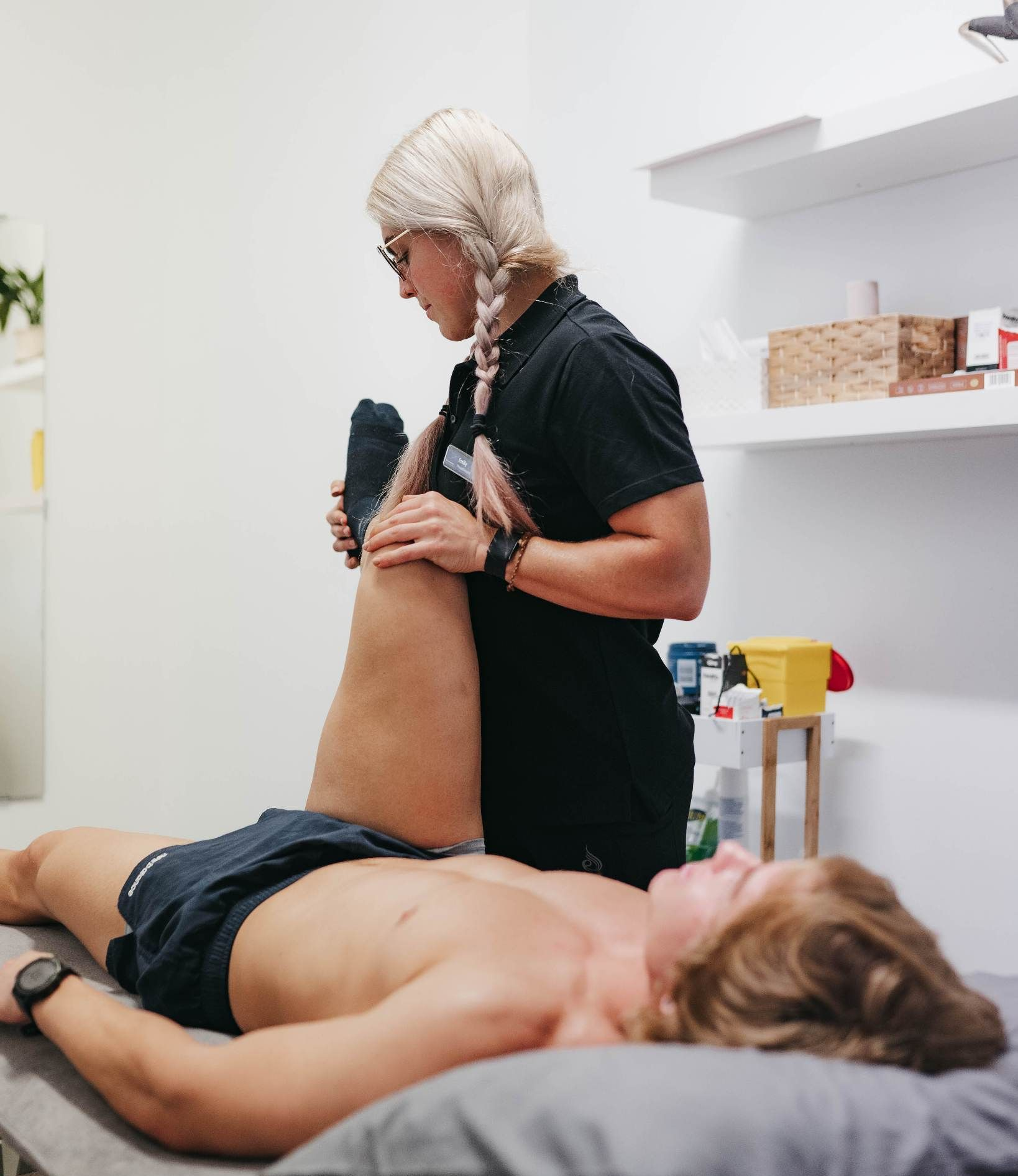
Most people wait too long before seeing a physio. Here's what good physiotherapy in Adelaide actually looks like.

Pain that ramps up at night is incredibly common, and there are real reasons behind it. Alex from Active Balance Physio explains what's going on, and when it's worth getting checked out.