What Most People Get Wrong About Seeing a Physiotherapist
A lot of people only think about seeing a physiotherapist once something's already gone wrong - a back that's locked up, a knee that's swollen, a shoulder that's stopped them sleeping properly for two weeks. And that's completely valid, that's exactly what physio is for. But there's a pattern we see constantly that's worth talking about: people waiting far longer than they need to, convinced their problem either isn't "bad enough" yet, or is already too far gone to bother.
Neither of those is usually true. The "not bad enough yet" group are often dealing with something that's actually quite straightforward to sort out early - a tight, irritable structure that hasn't had time to compensate and create secondary problems elsewhere. The "too far gone" group have often just been living with something so long they've stopped imagining it could be different. Chronic doesn't mean unfixable. It usually just means there's more layers to work through, and the timeline looks a bit different.
What a physiotherapist actually does, at its core, is figure out why something hurts or isn't moving properly, and build a plan to change that - not just calm the symptom down for a week and hope it doesn't come back. That means a proper assessment first: looking at strength, range of motion, how you move, and where the actual problem might be coming from, which isn't always where it hurts. A grumpy hip can show up as knee pain. A stiff upper back can show up as a shoulder that won't behave. Chasing the sore spot without asking what's driving it is how the same issue keeps quietly returning.
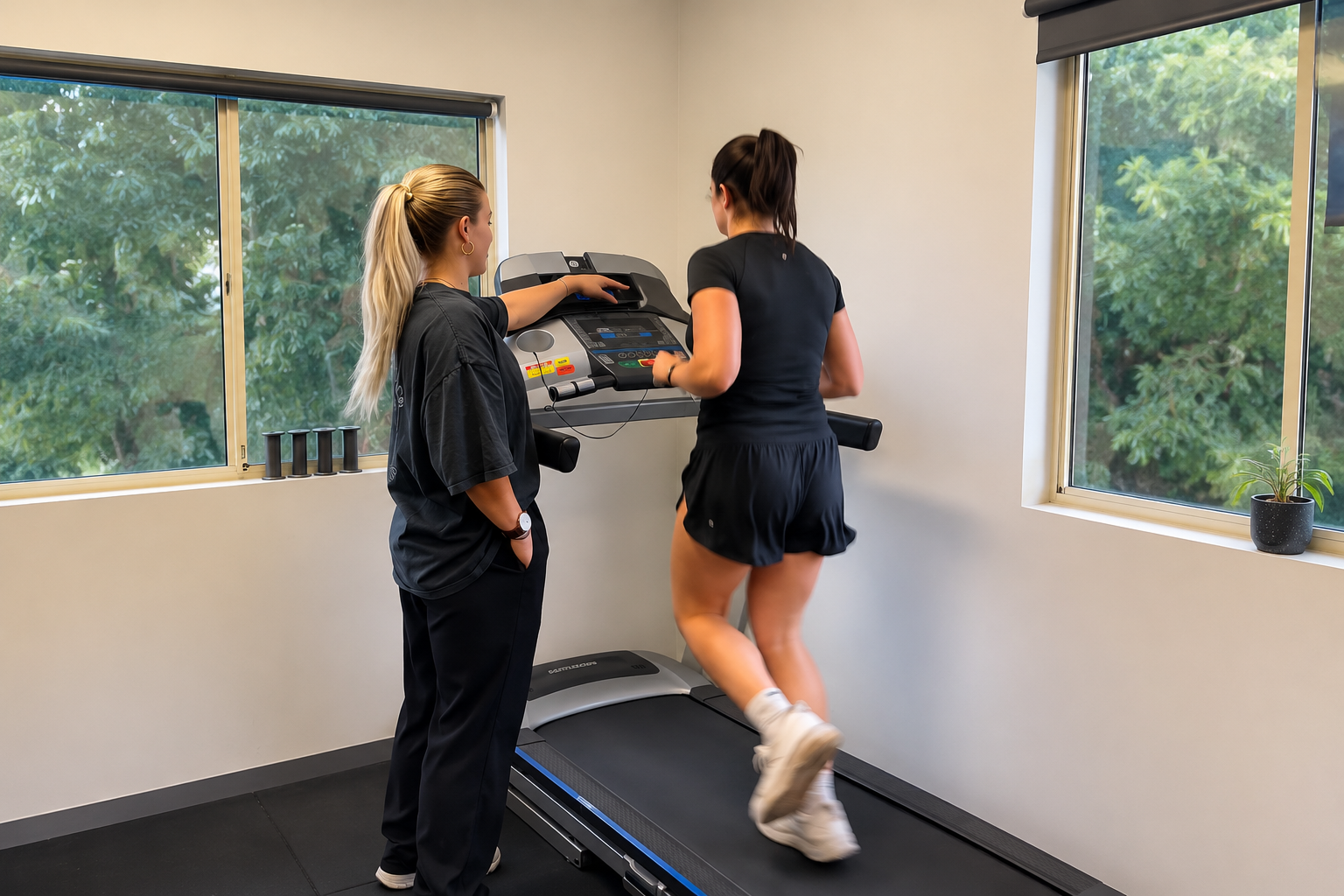
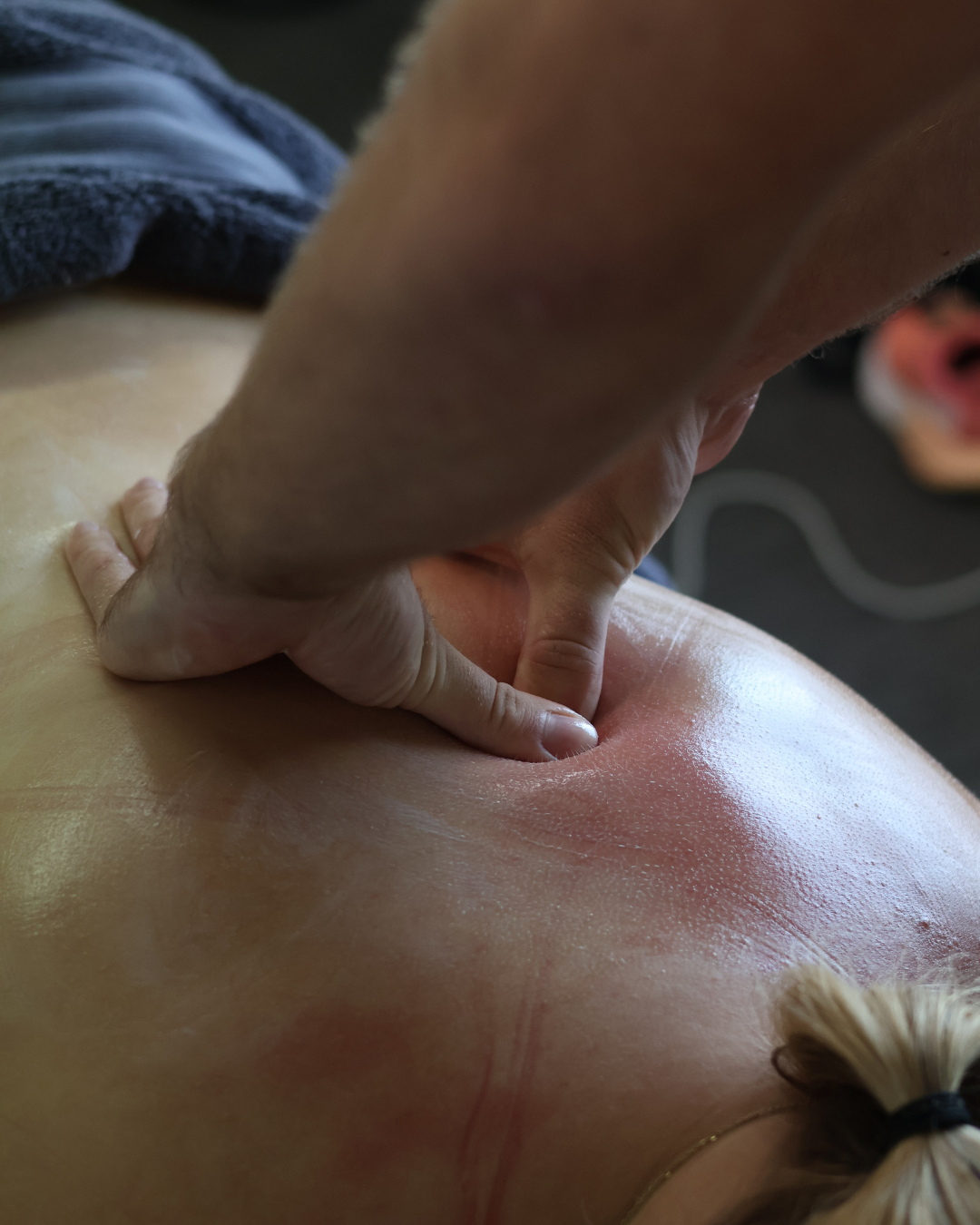
From there, treatment is usually a mix of things - hands-on work to settle symptoms and improve movement, and exercise that actually addresses the weakness or imbalance underneath. The hands-on part tends to get the most attention because it's the bit people feel happening in the room, but it's rarely the whole story. For more involved recoveries (post-surgery, a stubborn injury that needs consistent loading, or building strength back up after a long layoff) we'll often move people into supervised rehab in our gym space, so the exercise side gets the same attention as the hands-on treatment.
This is also where good physio differs a fair bit between practitioners and clinics, beyond just technical skill. Some of it comes down to communication: actually explaining what's going on in a way that makes sense, rather than a confusing diagnosis and a vague "do these exercises." Some of it is about genuinely listening to what someone's trying to get back to, whether that's running again, picking up grandkids without wincing, or just getting through a workday without constant distraction from pain. If running's the goal, that might mean a dedicated running assessment to find out what's actually driving an injury, rather than just treating the sore spot in isolation.
It's also worth saying that physio isn't just for injuries in the traditional sense. We see people for chronic conditions like osteoarthritis, for pre and post-surgical rehab, for persistent headaches and jaw pain, and for dizziness and balance issues (vertigo and BPPV being far more common, and far more treatable, than most people realise). We also see plenty of people who just want to stay ahead of things, like athletes booking in an athlete tune up to deal with niggles before they become injuries, or people getting return to sport testing done properly before jumping back into training after time off. The common thread isn't the diagnosis, it's wanting to move and feel better than they currently do.
If there's one thing worth taking from this, it's that "should I get this checked" is almost always worth answering with yes, sooner rather than later. Early problems are nearly always easier and quicker to resolve than the ones that have had months or years to settle in and create knock-on effects elsewhere. And if something's been bothering you for a long time and you've stopped expecting it to change, that's worth a second look too, sometimes it just needs a different angle on the problem, not a miracle.
If you're dealing with pain, stiffness, or something that's just not moving the way it used to, you can read more about our approach to physiotherapy in Adelaide, or get in touch and we'll point you in the right direction.