Strain vs Sprain: Understanding the Differences
They sound similar, but what's the difference between a sprain and strain?

Strain vs Sprain: Understanding the Differences
We hear the words sprain and strain quite often when it comes to injuries. Whilst they sound similar, they refer to two different tissue types that are damaged resulting in changes in the recovery period and treatment. Here, we will explain the differences between each injury, their symptoms, and how physiotherapy can aid in the recovery process.
What is a Strain?
A strain refers to an injury that occurs to a muscle or tendon (the tissue connecting in the muscle to bone) when it is stretched or torn. Generally, this can occur when the muscle is stretched too far quickly, or under excessive load. For example, when going to sprint, kicking, and heavy lifting.
Symptoms of a strain:
• Pain in the affected muscle or tendon
• Potentially swelling and bruising around the injury site
• Limited range of motion
• Muscle weakness
• Muscle spasms
Strains can be graded to demonstrate the severity of the injury and can aid in the understanding of healing time frames.
Grade l: small number of muscle fibers affected, localised pain, but no loss of strength
Grade ll: significant number of muscle fibers with associated pain and swelling. Activation of the muscle reproduces pain, strength and range of motion is limited.
Grade lll: complete tear of the muscle.
A number of factors can be looked at to prevent strains - head over to our injury prevention tip and tricks blog to read more.
What is a Sprain?
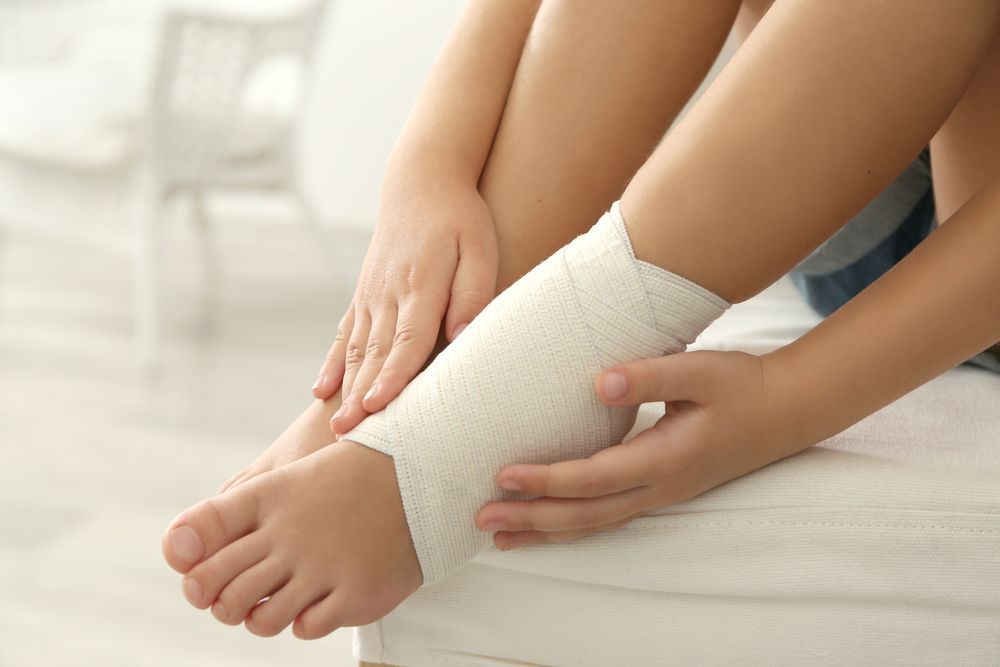
A sprain refers to an injury that occurs to a ligament (the connective tissue stabilising bones together). A sprain to a ligament generally occurs when a joint is forced beyond its normal range of motion. For example, ‘rolling’ your ankle, landing awkwardly from a jump, or an excessive twisting motion potentially increased by another person (i.e in sport).
Symptoms of a Sprain:
• Pain around the affected joint
• Swelling and bruising around the joint
• Limited mobility and difficulty moving the joint / instability in the joint
• In more severe cases, feeling of “giving way”
Sprains too can be graded to understand the severity of the injury, aiding in the understanding of healing periods.
Grade l: stretch of a few fibers of the ligament
Grade ll: considerable proportion of fibers involved resulting, in slight laxity of the joint
Grade lll: complete tear of the ligament.
How Physiotherapy Can Help
In the acute stages of a strain or sprain a physiotherapist can aid you understand which injury it is that you have and apply the P.R.I.C.E principals to reduce swelling and pain. Following from this physiotherapists can conduct a number of tests to understand your grade of injury, capabilities, and limitations to aid in your restoration of mobility, strength, and stability. This can be through stretching, strengthening, joint mobilisations, balance and coordination exercises, manual therapy, and much more.
Feel free to contact us if you have any questions or feel like an appointment with a physiotherapist would suit you.
Understanding Corticosteroid Injections: Benefit vs Risk
Corticosteroid injections have become a common treatment option for a variety of musculoskeletal conditions, particularly for those experiencing pain and inflammation. However, it is important to understand how these injections work, their benefits, risks, and how they can fit into a broader holistic rehabilitation strategy.
What Are Corticosteroids?
Corticosteroids are synthetic drugs that closely resemble cortisol, a hormone produced by the adrenal glands. With the synthetic form, it attempts to mimic the effects of the cortisol our body produces such as, reducing inflammation, suppressing the immune response, and alleviating pain.
Injections are often used to target specific areas of the body, such as joints, bursae, or tendons.
Indications for Corticosteroid Injections
Corticosteroid injections can be used for various conditions, including:
• Arthritis: Osteoarthritis and rheumatoid arthritis often lead to significant joint pain and stiffness.
• Tendinopathies: persistent tendinopathies where inflammation may be present, e.g lateral elbow tendinopathy, aka tennis elbow
• Bursitis: Inflammation of the bursae, small fluid-filled sacs that cushion bones, muscles, and tendons.
• Other inflammatory conditions: Conditions like carpal tunnel syndrome or certain skin disorders can also be treated with corticosteroids.
The Benefits of Corticosteroid Injections
One of the primary advantages of corticosteroid injections is their ability to provide rapid relief from inflammation and pain. Patients often experience significant improvement within a few days, allowing them to engage more actively in rehabilitation exercises and daily activities.
Additionally, corticosteroid injections can be combined with physiotherapy to enhance recovery. By alleviating pain, these injections can provide a window of opportunity for patients to more readily participate in their rehabilitation program, ultimately leading to better long-term outcomes.
Risks and Considerations
While corticosteroid injections can be effective, there are several risks and considerations to keep in mind:
• Side Effects: Possible side effects include temporary pain at the injection site, bruising, and in some cases, infection. Long-term use can lead to systemic effects such as osteoporosis and adrenal suppression.
• Potentially short-term relief: The length of time that it provides pain relief can vary significantly between clients. It is common for people not to feel any effect after the injection whilst others may have a positive effect for months.
• Limitations on Frequency: To avoid complications, corticosteroid injections are typically limited to a certain number per year (often three to four). Overuse can lead to joint damage or other adverse effects due to high steroid use.
• Not a Cure: It's essential to understand that corticosteroid injections are not a cure for the underlying condition. They provide symptomatic relief but do not address the root cause of pain or inflammation.
Integrating Corticosteroid Injections into Rehabilitation
As a physiotherapist, these are the steps that we could follow to help guide you if you should get an injection and the steps if you choose to get one.
1. Assessment: a thorough assessment helps determine the appropriateness of corticosteroid injections. We evaluate the patient’s condition, pain levels, and functional limitations. We will try a period of time with treatment to see if we can get any changes without the injection prior.
2. Post-Injection Rehabilitation: After the injection, a tailored rehabilitation program is essential. This program may include manual therapy, strengthening exercises, and modalities to improve function and reduce pain.
3. Education: Patients are educated on the purpose and potential side effects of the injections, as well as the importance of active participation in their rehabilitation.
4. Monitoring Progress: follow-ups to help track the effectiveness of the injections and the rehabilitation program. Adjustments can be made as needed to optimize recovery.
To opt for it or not to?
Ultimately, that will be based on you and your conversations and directions provided by medical and allied health clinicians. Corticosteroid injections can be a valuable tool in managing pain and inflammation in musculoskeletal conditions especially for conditions which seem to be persisting. Again to provide clients with a window to strengthen the muscles and surrounding tissues to allow for long-term relief. However, it is important to understand the variations of success people receive from them and the potential side-effects.
If you are suffering from an injury or niggle which is not going away and are querying whether a corticosteroid injection is what you need, contact one of our physiotherapists and we will be more than happy to help guide you.

One of the most common things we hear in the clinic is: “I’ve been resting it, but it’s not really improving…” It’s a logical approach. If something hurts, stopping the aggravating activity seems like the right thing to do. In the early stages of an injury, short-term rest can absolutely help settle pain and irritation. But, beyond that initial phase, relying on rest alone is often why injuries linger or keep coming back. Let’s look at why… Rest can certainly help reduce symptoms, but often not the cause of the issue Rest can be very effective at: Settling pain Reducing inflammation Avoiding further irritation However, most injuries aren’t just about irritation, they’re usually a result of the body not tolerating a certain load or demand. That could be: A spike in training load Repetitive work tasks Poor movement patterns Or simply not enough strength for what you’re asking your body to do Rest removes the stress, but it doesn’t improve your ability to handle it when you return. Here a few reasons why: Loss of strength and tissue capacity When an area isn’t being used, the body adapts: Muscles begin to weaken Tendons become less tolerant to load Joint support decreases This is particularly important in tendon-related injuries (like Achilles pain, shoulder pain or tennis elbow), where gradual loading is actually a key part of recovery. So, while rest may make things feel better in the short term, it can leave the area less prepared for activity in the long term. Reduced control, stability and confidence Injuries and rest don’t just affect strength, they also impact how your body moves. We often see: Reduced coordination Poorer joint control Altered movement patterns Over time, your body may start to: Compensate Avoid certain movements Or “protect” the area This can increase load elsewhere and actually keep the issue going. There’s also a confidence component. If you haven’t used an area for a while, it can feel unreliable, even if the tissue itself has healed. The Boom–Bust Cycle A very common pattern looks like this: Rest → pain settles Resume activity → feels okay initially Load increases → pain returns Back to rest This cycle can go on for months if the underlying capacity isn’t addressed. So, what should we do instead? Rather than complete rest, most injuries respond better to a guided, gradual return to movement and load. At our clinic, we focus on: Hands-On Treatment (When Needed) To help settle symptoms and improve movement early on, such as: Soft tissue therapy Joint mobilisation Dry needling This isn’t the end goal, but it can create a good starting point. Progressive Strength & Loading This is the cornerstone of recovery. We use targeted exercises to: Rebuild strength Improve tendon and muscle capacity Gradually reintroduce stress in a controlled way The key is progression : not too much, not too little. Load Management Although it’s required occasionally, completely stopping activity is generally not ideal, but neither is pushing through pain. We can help you find the middle ground: What you can safely continue What needs to be modified How to build back up without flare-ups Addressing Contributing Factors To reduce the risk of recurrence, we will look at: Movement patterns and technique Training or workload changes Strength imbalances Work and lifestyle demands The Takeaway Rest has a role, but it’s only one part of the recovery process. Too much rest, for too long, can lead to: Reduced strength Decreased stability and control Lower tolerance to load Which is exactly why pain often returns when activity resumes. The goal isn’t just to “rest until it feels better”— It’s to build your body back to a point where it can handle what you need it to do. If you’ve been stuck in the rest → flare-up cycle, you’re not alone, it’s something we work through with clients every day. If you’d like some guidance and support to get you back to full function, our team are here to help!

If you hear the word creatine and picture bodybuilders in a gym locker room, you’re not alone. But did you know, creatine is one of the most researched and well-supported supplements available — and its benefits extend far beyond muscle size. At Active Balance, we’re seeing interest from: Athletes wanting performance support Everyday gym-goers wanting to get stronger Women navigating perimenopause and menopause Adults wanting to age well and maintain muscle Let’s look at what the evidence actually says... What Is Creatine and How Does It Work? Creatine is a naturally occurring compound that is stored primarily in your muscles, with smaller amounts in your brain. You can also gain small amounts through foods like red meat and fish. Its main role is to support the production of ATP (adenosine triphosphate), which is the body’s primary energy currency. During short bursts of effort (like lifting weights, sprinting, or even standing up from a chair), ATP is used quickly. Creatine helps regenerate ATP more quickly, allowing you to sustain force production for slightly longer. That might sound minor, but those extra repetitions or slightly improved power outputs accumulate over time to big results. With consistent supplementation (typically 3–5g daily), muscle creatine stores increase, which may lead to: Improved strength output Increased training capacity Better recovery between sets Greater long-term adaptation to resistance training Creatine does not build muscle on its own (sorry 😂), but it does enhance your response to training. So, who can benefit from creatine supplementation? Creatine can benefit a wide range of people in number ways. From high level athletes, to everyday gym goers, to women navigating peri/menopause, creatine can have positive effects on muscle health, bulk and power output. Athletes Creatine is one of the most evidence-backed supplements in sports nutrition. Meta-analyses consistently show that when combined with resistance training, creatine can help improve: Maximal strength Power output Lean muscle mass Training volume For athletes, this can mean better adaptation to structured training programs and improved performance potential. The Everyday Person You don’t need to be an athlete to benefit from creatine. For someone who: Strength trains a few times per week Wants to build or maintain muscle Is working on body composition Feels fatigued from busy work or family life Simply wants to stay strong and capable long-term Creatine can be helpful in enhancing the positive effects of training. Even small improvements in training output can compound over months and years. If creatine allows you to perform one or two extra quality repetitions per set, that may seem small, but over time, that can contribute to greater strength and muscle preservation. Muscle plays a critical role in: Metabolic health Blood sugar regulation Joint support Injury resilience Long-term independence Current research also suggests that creatine may support cognitive performance during periods of stress or sleep restriction — something many everyday adults experience! It’s not a magic supplement. But for someone already exercising and prioritising their health, it can provide a meaningful edge. Women Creatine has historically been marketed toward men, but research shows women respond just as well, if not better, as they generally have lower baseline creatine stores than men. Studies demonstrate that women supplementing with creatine alongside strength training experience: Improved strength Increased lean muscle mass No adverse hormonal effects Importantly: Creatine does not cause fat gain It does not automatically make you “bulky” It is not a steroid For Perimenopause and Menopause This is an area of growing interest, and understandably so. During perimenopause and menopause, declining oestrogen levels are associated with: Accelerated muscle loss Reduced strength Increased visceral fat accumulation Reduced bone density Changes in energy and cognitive function Oestrogen has a protective role in muscle and bone metabolism. As levels decline, maintaining muscle mass becomes more challenging. Resistance training is one of the most powerful interventions during this stage of life, and creatine may help enhance the muscle-building response to that training. Research in midlife and older women suggests that creatine combined with progressive resistance training can: Improve strength gains beyond training alone Increase lean muscle mass Improve functional performance Potentially support bone health indirectly through increased mechanical loading There is also emerging research into creatine’s role in brain energy metabolism, as the brain is highly energy-dependent and influenced by hormonal shifts. It’s important to be clear: Creatine is not hormone therapy and does not “treat” menopause. But as part of a structured strength-based approach, it may be a helpful adjunct. Healthy Ageing Age-related muscle loss (sarcopenia) contributes to: Falls risk Reduced independence Slower metabolism Increased chronic disease risk Studies in older adults show that creatine supplementation alongside resistance training improves: Lean body mass Strength Functional capacity Preserving muscle is one of the most powerful strategies for maintaining long-term health and resilience. Safety and Dosage Creatine monohydrate is the most studied form and is considered safe for healthy individuals. Typical dose: 3–5 grams daily There is no need to “load.” Long-term research shows no harmful effects on kidney function in healthy individuals. Anyone with existing kidney disease or significant medical conditions should consult their GP first. Common myths: It does not damage healthy kidneys when used appropriately It is not a steroid It does not cause dehydration when used appropriately The most common side effect is mild gastrointestinal discomfort, which is usually resolved by taking it with food. Frequently Asked Questions Will creatine make me gain weight? Some people notice a small increase in body weight in the first 1–2 weeks due to water being stored inside muscle cells. This is not fat gain and typically stabilises. Do I need a loading phase? No. A consistent 3–5g daily dose is effective. When should I take it? Timing is not critical. Consistency matters more. Who shouldn’t take creatine? Individuals with kidney disease, significant medical conditions, or who are pregnant or breastfeeding should consult their GP first. What We Recommend at Active Balance At Active Balance, we stock ATP NOWAY!® Creatine Monohydrate, a high-quality, pharmaceutical-grade creatine monohydrate with no unnecessary additives. If you’re strength training, whether as an athlete, navigating midlife changes, or simply wanting to stay strong and capable, creatine may be a simple, evidence-based addition to your routine. As always, supplementation works best alongside: Progressive resistance training Adequate protein intake Sleep and recovery A well-structured program If you’re unsure whether creatine is appropriate for you, our team is happy to guide you 😊 S ome of the evidence base… • Kreider RB et al. (2017). International Society of Sports Nutrition position stand: safety and efficacy of creatine supplementation. JISSN. • Chilibeck PD et al. (2017). Creatine supplementation and resistance training in older adults: a meta-analysis. • Devries MC & Phillips SM. (2014). Creatine supplementation in older adults. Medicine & Science in Sports & Exercise. • Smith-Ryan AE et al. (2021). Creatine supplementation in women’s health. Nutrients. • Forbes SC et al. (2021). Creatine supplementation in females: review of literature. Nutrients. • Avgerinos KI et al. (2018). Creatine and cognitive function: systematic review. Experimental Gerontology.

You may have heard (probably from Instagram physios 🙈) that manual therapy is useless and shouldn’t be used in physiotherapy. We respectfully disagree... Is it a magic fix? No. Does it break up scar tissue, “realign” your spine, or release fascia permanently? Also no. But can it reduce pain and help you move better so rehab is more comfortable and effective? Absolutely. What Is Manual Therapy? Manual therapy refers to skilled, hands-on techniques performed by a physiotherapist (or other manual therapists such as massage therapists, osteopaths, chiros and myotherapists). These may include: Joint mobilisations Soft tissue techniques Trigger point therapy Muscle energy techniques Joint mobilisation These techniques are generally chosen based on your presentation and goals. They are not random, they are applied with a clear purpose: usually to reduce pain, improve movement, and make rehab & recovery more achievable. What Manual Therapy Doesn’t Do There are some persistent myths around hands-on treatment. Current research tells us that manual therapy does not: Physically break up adhesions Permanently “release” fascia Push joints back into place Structurally remodel tissue in a short session Your connective tissue is strong and resilient. It is not being reshaped in 30 minutes of treatment. So if it’s not mechanically changing tissue, what is happening? It Influences the Nervous System Pain does not always mean damage. It is often a protective response created by your nervous system. When an area becomes irritated or overloaded, the nervous system may increase sensitivity. This can lead to: Muscle guarding Stiffness Reduced range of motion Increased pain with movement Manual therapy can provide sensory input to the body. Research suggests that this input can help change how the nervous system processes pain signals. In simple terms, it can: Reduce pain sensitivity Decrease muscle tension Improve short-term movement tolerance Help you feel more comfortable moving Rather than “fixing” injured or tight tissues, manual therapy often works by calming a sensitised nervous system. When the system is calmer, movement becomes easier — and that’s where progress begins. It Can Improve Circulation and Tissue Health Hands-on therapy can also increase local blood flow. Improved circulation may support: Oxygen delivery Nutrient exchange Removal of metabolic waste Overall tissue health This doesn’t mean instant healing, but healthy circulation supports the body’s natural recovery processes. Creating a Window for Rehabilitation This is where manual therapy becomes particularly useful, and where we see a huge benefit. If pain levels are high, exercise can feel: Too uncomfortable Too threatening Hard to perform properly If we can reduce your pain with some hands on treatment (even temporarily) that reduction can create a window of opportunity. During that window, we can: Introduce strengthening & rehab movements Improve joint mobility Retrain movement patterns Gradually increase load & tolerance Build confidence Long-term recovery for most musculoskeletal conditions relies on progressive strengthening and improved load tolerance. Manual therapy doesn’t replace exercise. It helps make exercise possible. What Does the Evidence Say? Clinical guidelines for conditions such as low back pain, neck pain, and some shoulder conditions suggest manual therapy can be helpful, especially when combined with exercise. Research generally shows: Manual therapy can reduce pain in the short term It can improve short-term range of motion Outcomes are better when combined with active rehabilitation On its own, manual therapy tends to produce temporary effects. But when paired with strengthening, mobility work, and education, results are typically more meaningful and longer lasting. This reflects modern physiotherapy practice: use hands-on treatment strategically, not exclusively. What About “Maintenance” Treatments? Work, sport & life in general can place repeated demands on the body. If you do things like: Work in a physically repetitive job Sit at a desk for long hours Play regular sport Lift and carry children Train intensely You are regularly placing load on your tissues, and even strong, healthy tissues can become temporarily overloaded. For some people, regular hands on treatments can: Settle flare-ups early Reduce accumulated muscle tension Improve movement quality Help manage symptom build-up Importantly, this should not replace strength, recovery strategies, and load management. It works best as part of a broader plan that includes: Appropriate exercise Good training progression Rest and recovery Self-management strategies The goal of “maintenance” care is not dependency. It’s about supporting a body that is regularly exposed to high or repetitive demands. Think of it less as “fixing something broken” and more as helping your system stay adaptable and resilient. A Balanced Approach Physiotherapy is not “hands-on versus exercise.” It shouldn’t be an either/or decision. At our clinic, manual therapy is: A tool Used when clinically appropriate More often than not, combined with strengthening and mobility work Generally phased out as independence improves Our goal is never to make you reliant on treatment. Our goal is to: Reduce pain Improve movement Build strength Increase confidence Help you manage your condition independently The Bottom Line Manual therapy does not: Permanently change tissue structure Realign your body Act as a stand-alone cure But it can: Reduce pain Calm a sensitive nervous system Improve short-term mobility Support circulation Create a window for effective rehabilitation When combined with tailored, progressive exercise, it can be a very useful part of your recovery. If you’re unsure whether manual therapy is appropriate for your condition, our physios can assess you and design a plan that supports both short-term comfort and long-term goals.