What Is the ITB?
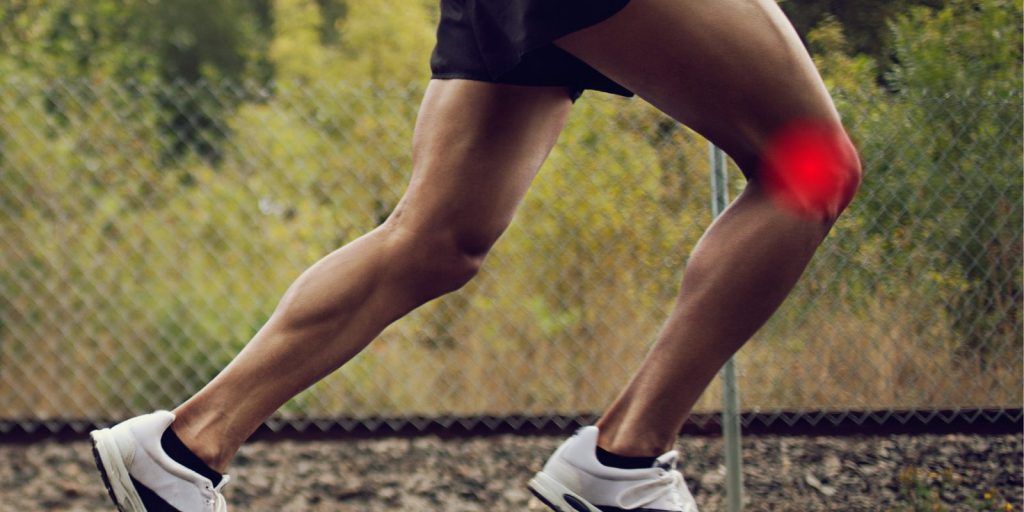
The iliotibial band is a thick band of connective tissue that runs along the outside of the thigh from the pelvis down to just below the knee. It's not a muscle — it has no ability to contract — but it plays an important role in lateral knee stability and is under significant tension during running and cycling.
ITB syndrome is one of the most common running injuries, accounting for around 12% of all running-related injuries. It's particularly prevalent in distance runners and cyclists, though it also appears in basketball players, skiers, hockey players and soccer players.
The Old Explanation — and Why It's Been Updated
For years ITB syndrome was explained as a friction injury — the ITB rubbing back and forth over the lateral femoral epicondyle (the bony prominence on the outside of the knee) as the knee flexes and extends during running. This became known as the "friction syndrome" model and drove treatment approaches focused on stretching the ITB, foam rolling the IT band itself and reducing friction.
More recent research has challenged this explanation. The ITB is structurally attached to the underlying tissue and doesn't actually slide back and forth the way the friction model suggested. What appears to happen instead is compression of a layer of fat and connective tissue beneath the ITB at the lateral knee — a compression rather than a friction phenomenon.
This matters for treatment because it means:
- Stretching the ITB itself is unlikely to be the most useful intervention — the ITB doesn't stretch meaningfully due to its dense connective tissue structure
- Aggressive foam rolling directly on the ITB may provide temporary relief but doesn't address the underlying cause
- The focus should be on why the ITB is under excessive tension — which is almost always a load and strength issue
What Causes ITB Syndrome?
The ITB becomes symptomatic when it is under excessive tension during repetitive knee flexion and extension. Several factors contribute to this:
- Hip abductor and glute weakness This is the most consistently identified contributor to ITB syndrome in runners. When the hip abductors — particularly gluteus medius — are weak, the pelvis drops on the swing leg side during the stance phase of running. This creates an adduction moment at the hip that increases tension through the ITB. Weak glutes are not just associated with ITB syndrome — they are arguably the primary driver in most cases.
- Training load — too much too soon A sudden increase in weekly mileage, adding hill work without preparation, or returning to running after a break at previous volumes are all common triggers. ITB syndrome is fundamentally a load management problem in most presentations.
- Running downhill Downhill running increases the knee flexion angle at which the ITB is most compressed and places significantly greater eccentric demand on the hip and knee stabilisers. Many runners notice their ITB symptoms are specifically triggered by downhill sections.
- Foot pronation and gait factors Excessive foot pronation increases tibial internal rotation which can increase ITB tension. However this is generally a contributing factor rather than a primary cause — addressing hip weakness and load management typically produces better results than focusing primarily on foot mechanics.
- Worn out footwear Running shoes that have lost their cushioning and support increase impact forces and can contribute to altered biomechanics. If your shoes have more than 600 to 800 kilometres on them, it's worth considering whether they need replacing.
Symptoms
ITB syndrome has a characteristic presentation that most runners recognise immediately once they've had it:
- Sharp or burning
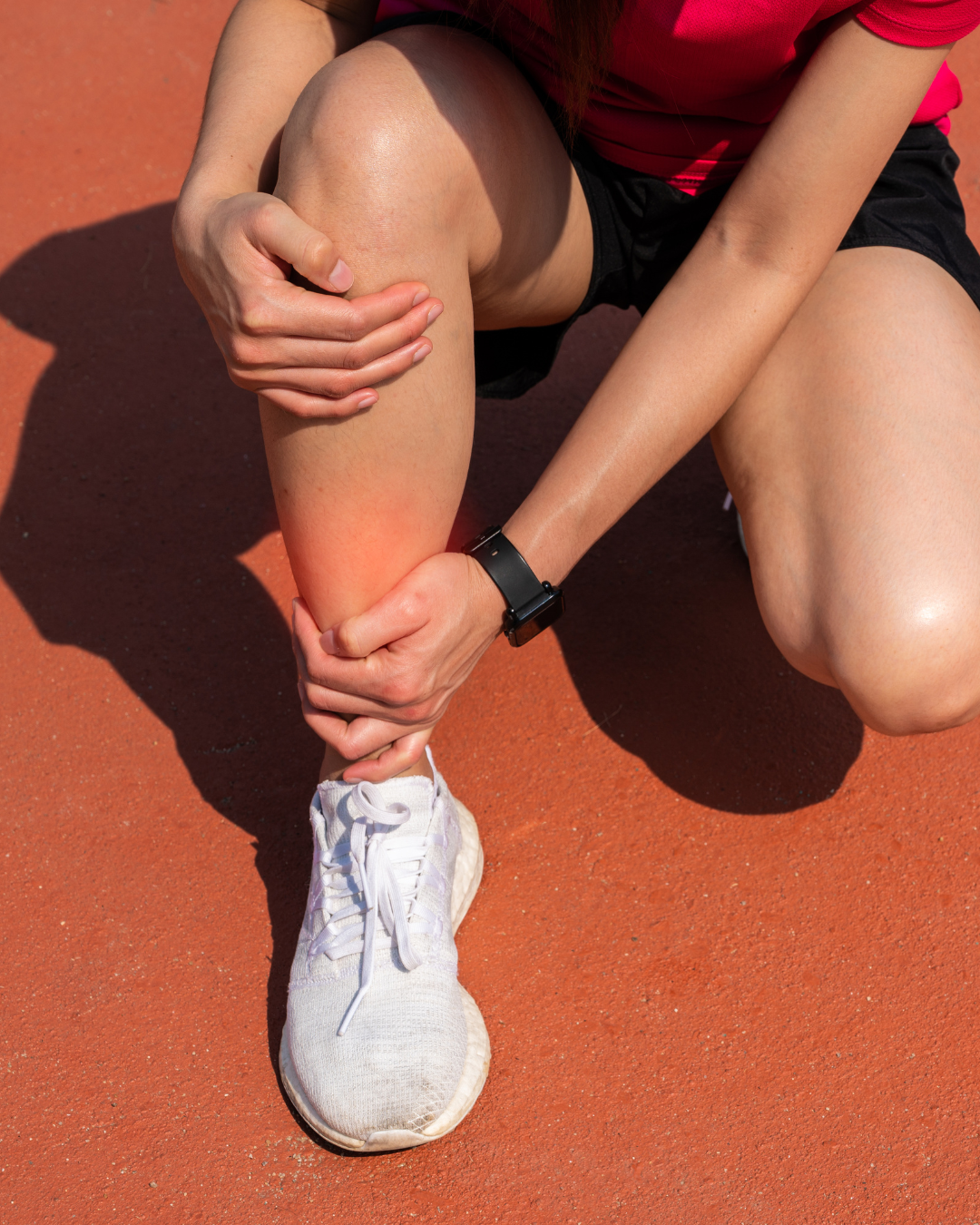
pain on the outside of the knee
- Pain that typically comes on at a predictable point in a run — often around the 10 to 15 minute mark — and worsens as running continues
- Pain that settles quickly with rest but returns as soon as running resumes
- A dull ache after activity that can persist for hours
- Occasional clicking or snapping sensation at the outer knee
- Hip pain in some presentations where the ITB is irritated at its proximal attachment
The "10 minute rule" — where symptoms appear at a consistent point in every run — is one of the most characteristic features of ITB syndrome and helps distinguish it from other causes of lateral knee pain.
What Actually Works
- Load management — the foundation
- Reducing running volume to a level the ITB can tolerate is the essential first step. This doesn't necessarily mean complete rest — for many people a significant reduction in mileage, avoiding hills and running on softer surfaces is sufficient to allow the irritation to settle while rehabilitation begins.
- Completely stopping running for 3 to 6 weeks while doing nothing else is not the most effective approach and is rarely necessary. The goal is to find a load that is manageable while you address the underlying causes.
- Hip strengthening — the most important intervention
- Progressive strengthening of the hip abductors and external rotators is the cornerstone of ITB syndrome rehabilitation and the intervention with the strongest evidence base. This is not a quick fix — meaningful strength improvements take 6 to 8 weeks of consistent training — but it addresses the primary mechanical driver of the condition.
- Key exercises include:
- Clamshells and side-lying hip abduction — early stage, low load
- Resistance band walks — lateral and forward
- Single leg squats — identifying and addressing the hip drop that loads the ITB
- Deadlifts and hip thrusts — building overall glute and posterior chain capacity
- Step-downs — specifically loading the glutes eccentrically in the position most relevant to running
- Manual therapy and soft tissue work
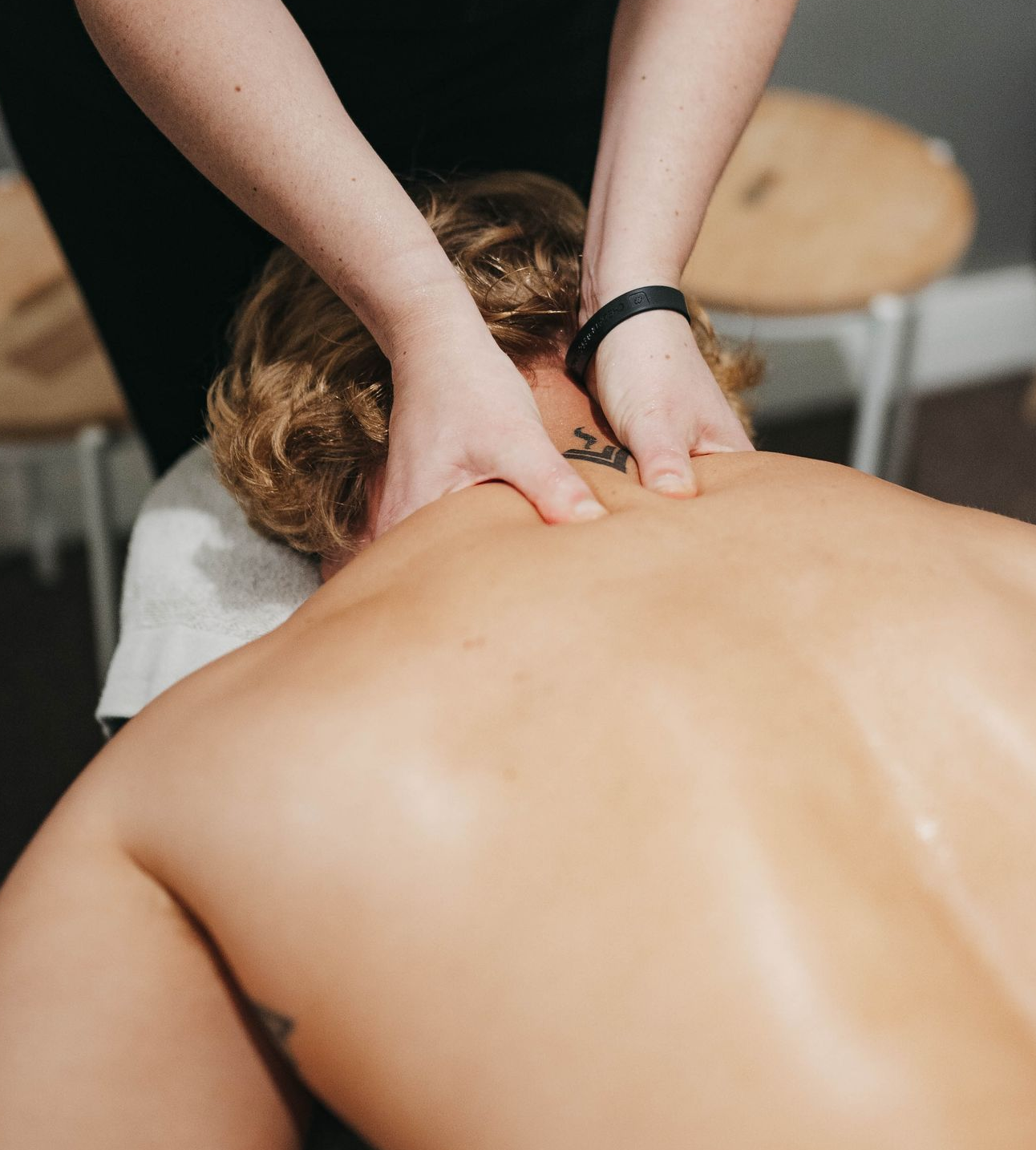
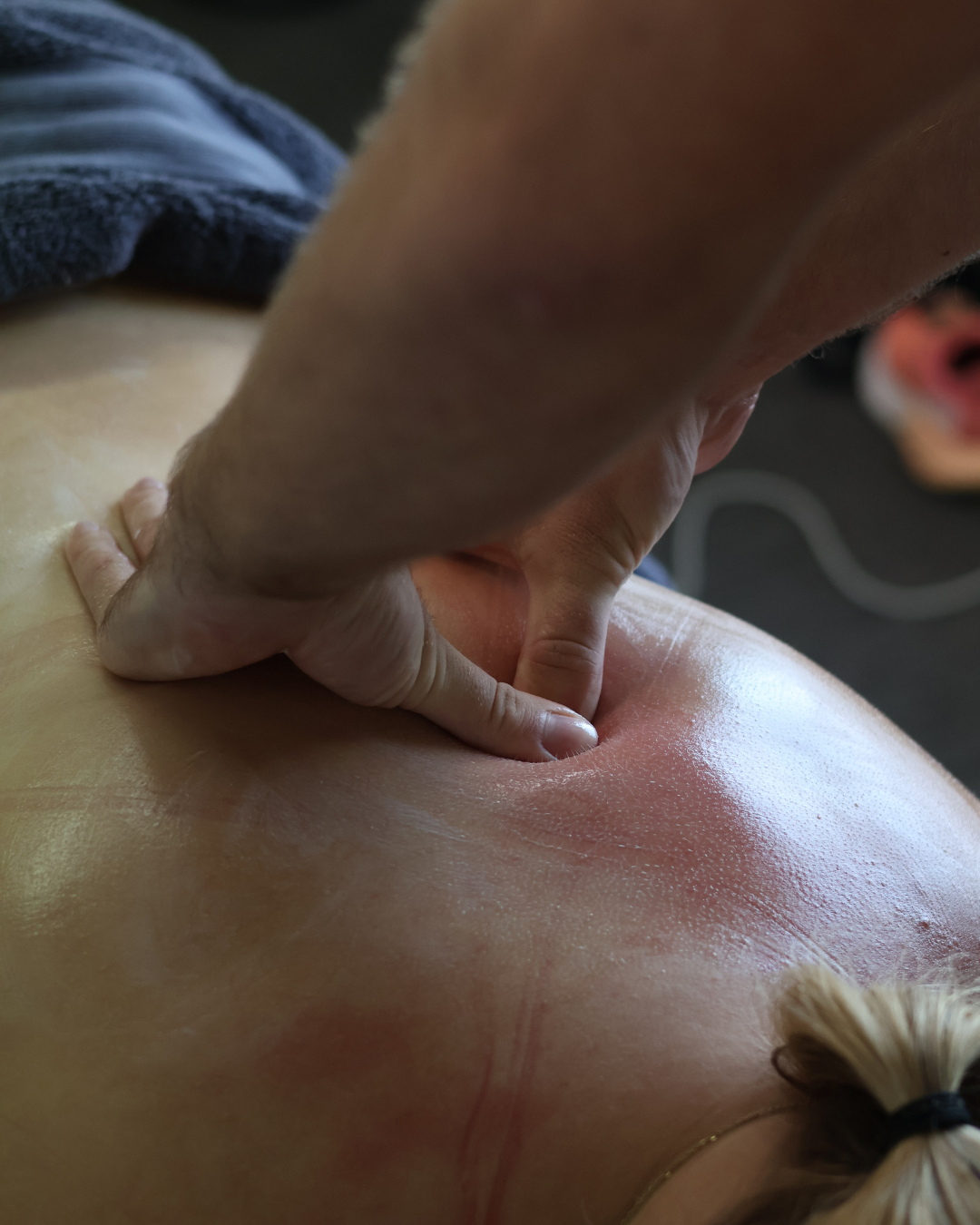
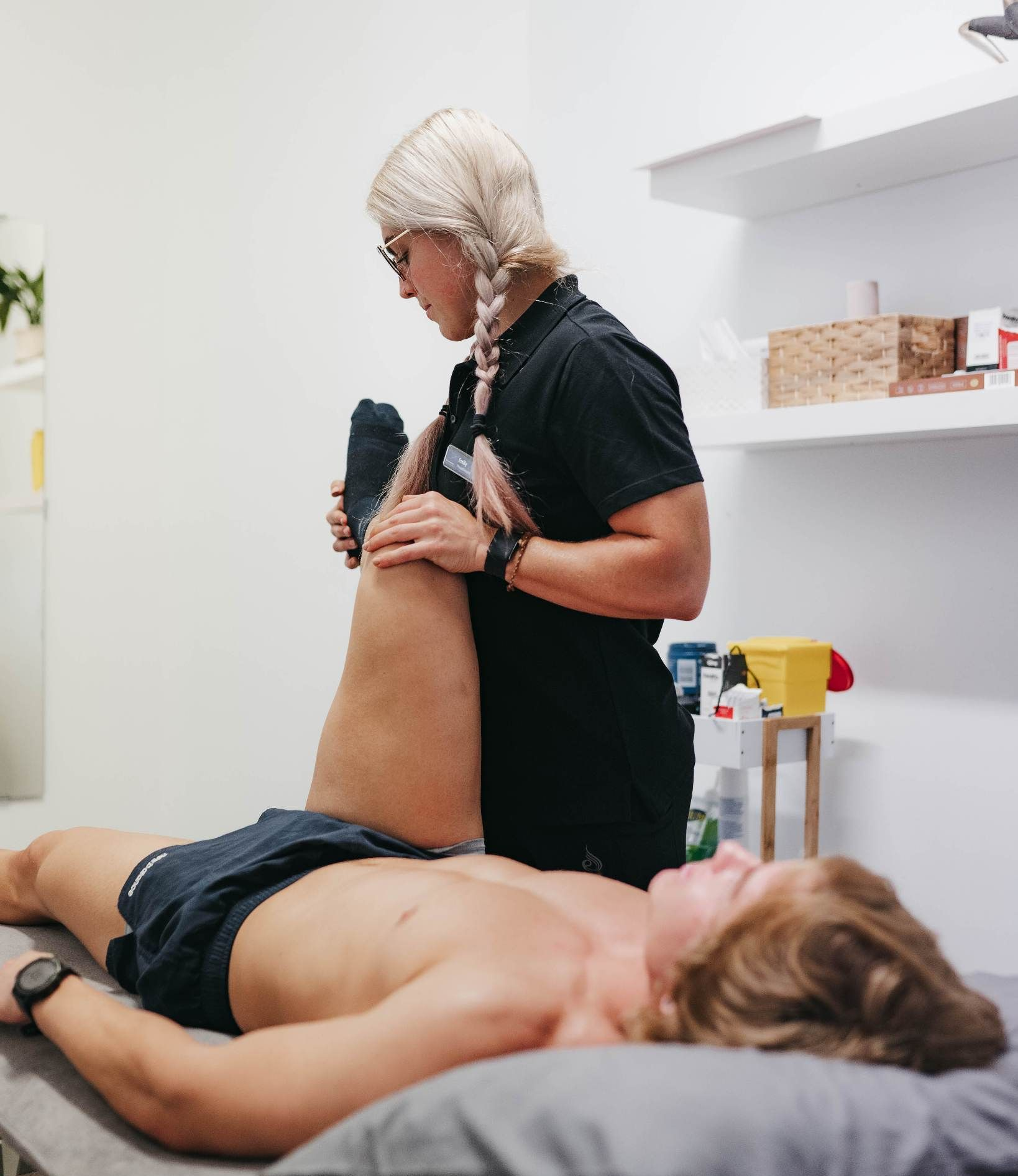
- Hands-on treatment targeting the TFL, gluteus medius, vastus lateralis and biceps femoris can reduce pain and improve tissue quality in the acute phase — creating the window needed to engage effectively with rehabilitation. Dry needling and myofascial cupping are particularly effective for the deep hip and lateral thigh muscles that contribute to ITB tension.
- Foam rolling directly on the ITB itself provides temporary relief for some people but as noted above doesn't address the compression mechanism. Foam rolling the TFL — the muscle at the top of the ITB — and the glutes is generally more productive.
- Gait retraining
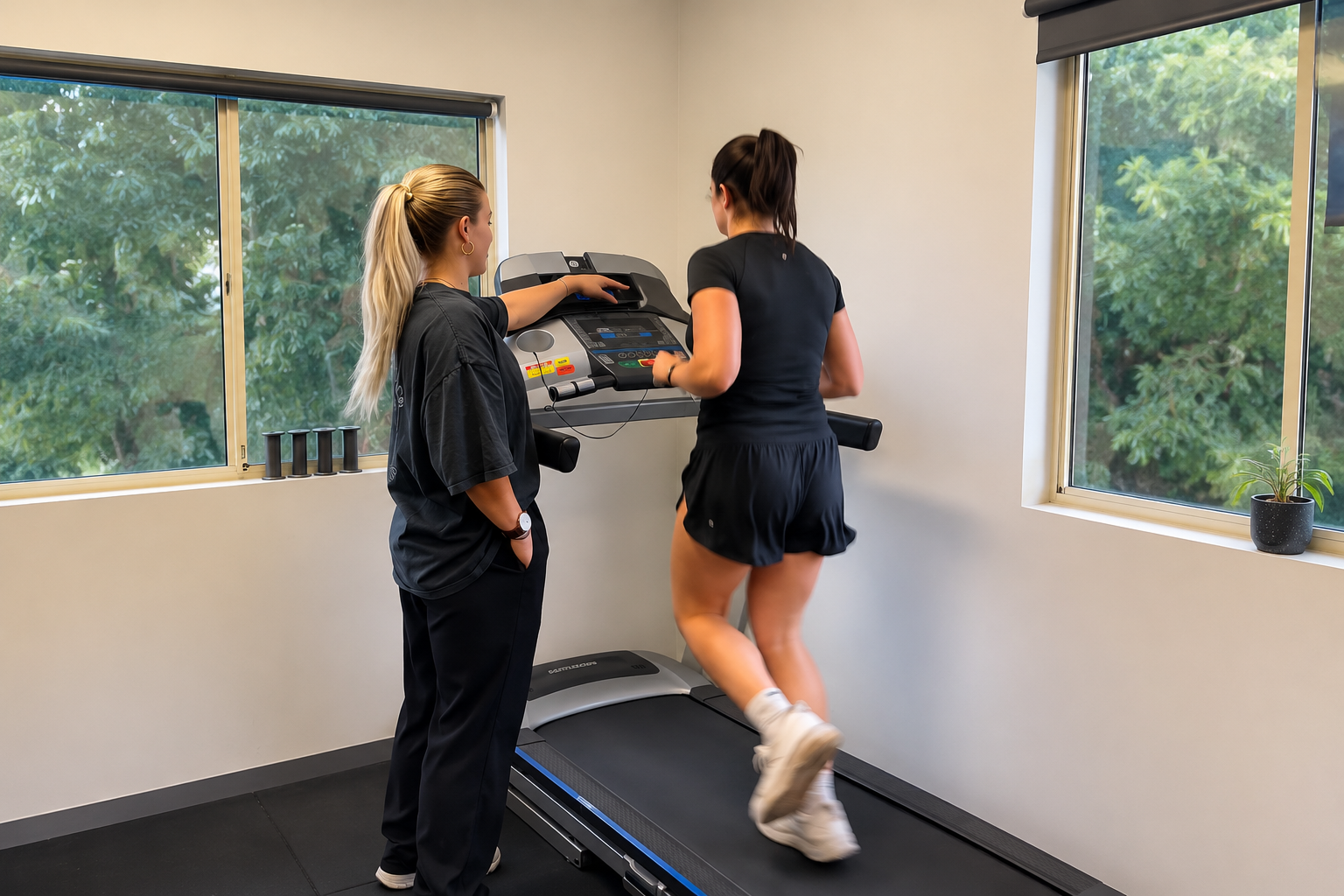
- For runners with clear gait contributors — significant hip drop, excessive crossover stride, heavy heel striking — gait retraining can meaningfully reduce ITB load. This is best done with a physio who can assess your running pattern and give specific, evidence-based cues rather than generic advice.
- Return to
running
- A graduated return to running program — progressively increasing volume and reintroducing hills — should be built around your strength progression rather than a fixed timeline. Returning to previous volumes before adequate hip strength has been restored is the most common reason ITB syndrome recurs.
How Long Does Recovery Take?
ITB syndrome has a reputation for being slow to resolve, and this is often because it's managed with rest alone rather than addressing the hip weakness that drives it. With a proper rehabilitation program, most people see meaningful improvement within 4 to 8 weeks and return to full running within 8 to 12 weeks.
Cases that have been present for longer, have involved repeated cycles of rest and return, or where load management has not been addressed, may take longer.
If outer
knee pain is affecting your running or training, book online or call us on (08) 7123 4148. We can assess your hip strength, running mechanics and training load and put together a specific plan to get you back to running without the 10-minute countdown.