Why the "Gentle Exercise Only" Advice Falls Short
The logic behind recommending only low impact, gentle exercise for osteoporosis is understandable: bones are fragile, fracture risk is elevated, therefore avoid anything that might stress the skeleton.
The problem is that this approach fundamentally misunderstands how bone responds to loading.
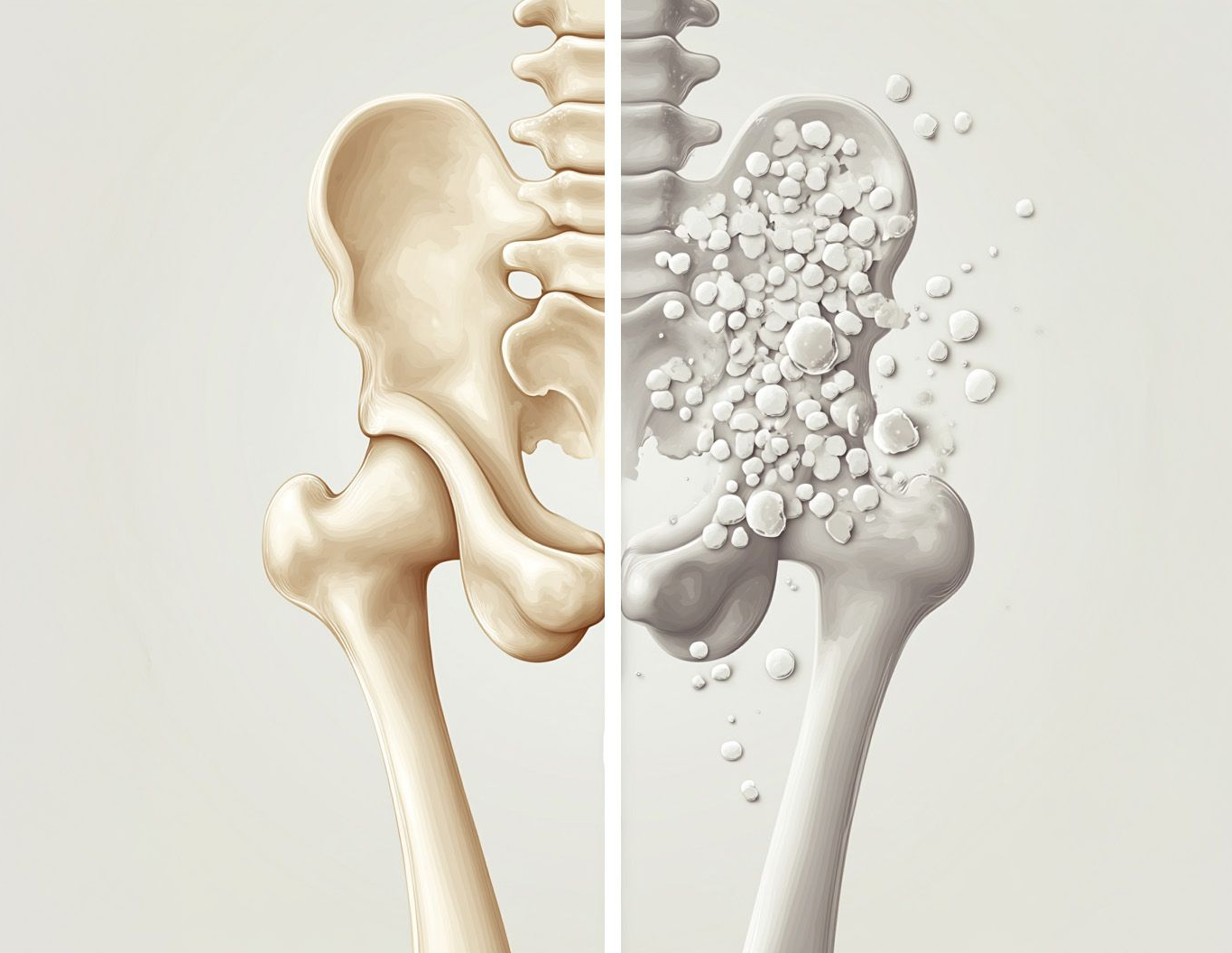
Bone is not static tissue. It is constantly remodelling — being broken down by osteoclasts and rebuilt by osteoblasts in a continuous cycle. The stimulus for bone formation is mechanical stress. When bone is loaded — through impact, resistance training, or the pull of muscles on their bony attachments — it responds by laying down new bone tissue, increasing density and structural strength.
When bone is not loaded — when activity is reduced to gentle walking and chair-based exercises — the remodelling stimulus is insufficient to counter the bone loss driven by declining oestrogen. The result is continued bone density decline and no meaningful improvement in the bone's ability to withstand the forces it will encounter in real life.
Walking is beneficial for general health. It is not sufficient to meaningfully improve bone density in people with osteoporosis.
The LIFTMOR Trial — What It Found
The LIFTMOR trial — Lifting Intervention For Training Muscle and Osteoporosis Rehabilitation — was conducted at Griffith University and published in the Journal of Bone and Mineral Research in 2017. It is one of the most significant studies in the field of bone health and exercise.
The study specifically recruited postmenopausal women with low bone mass — the population typically told to avoid high intensity exercise. Participants were randomised to either a high intensity progressive resistance and impact training program (HiPRT) or a low intensity home exercise program.
The HiPRT program was genuinely high intensity. It included:
- Deadlifts
- Overhead press
- Squats
- Drop landings — jumping off a box and landing with high impact force
These are exercises that most practitioners would have been cautious about prescribing in this population. Yet the results were striking.
The HiPRT group showed significant improvements in:
- Lumbar spine bone density
- Femoral neck bone density — the hip, one of the most fracture-vulnerable sites in osteoporosis
- Functional performance including balance and muscle strength
The low intensity group showed no significant improvement in bone density.
Critically — and this is the finding that changed the conversation — there were no fractures, no serious adverse events and no significant injuries in the high intensity group across the entire trial period. The intervention was not just effective. It was safe.
Why High Intensity Works and Low Intensity Doesn't
The bone-loading stimulus from exercise needs to exceed a certain threshold to trigger meaningful bone formation. This threshold is substantially higher than what gentle walking or low resistance exercise provides.
Impact loading — landing from jumps, stepping down stairs, activities that create significant ground reaction forces — provides the kind of brief, high magnitude mechanical stimulus that most effectively drives bone remodelling. This is why impact sports like running and basketball are associated with better bone density than swimming or cycling.
Progressive resistance training creates mechanical stress on bone through the direct compressive forces of loaded exercises and the pull of muscles on their bony attachments during contraction. Deadlifts, squats and overhead press all load the spine and hip — the two sites most clinically important in osteoporosis — under significant force.
The key variables are magnitude and progression. Light loads produce light stimulus. Heavy, progressive loads produce the stimulus needed for bone adaptation.
The Role of Supervision
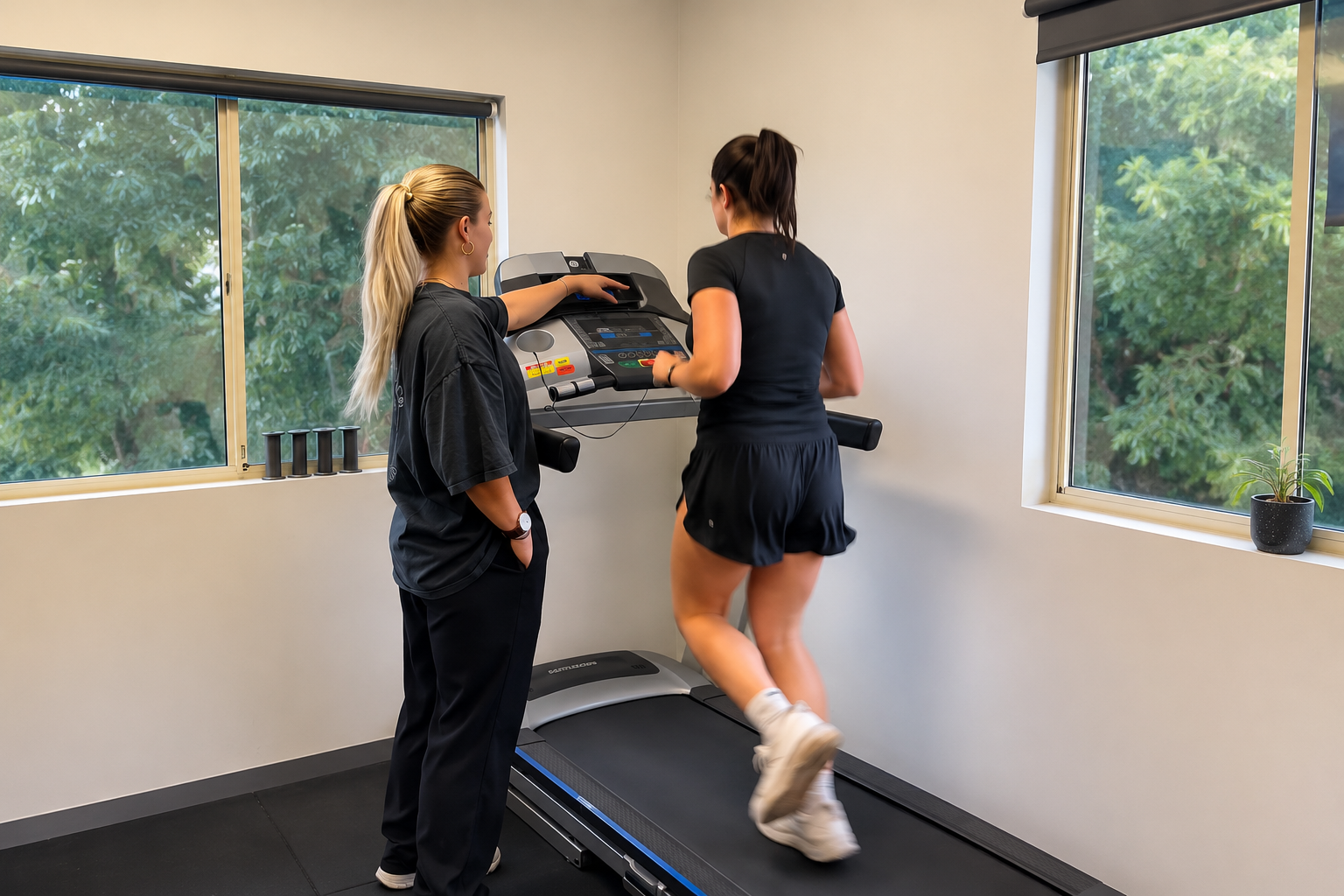
The LIFTMOR trial did not simply hand participants a program and send them to the gym. All sessions were supervised by exercise professionals who could ensure correct technique, appropriate load progression and safety monitoring.
This is an important caveat. High intensity training for osteoporosis is not something to start independently based on a blog post. The risks are real if technique is poor, loads are progressed too quickly or underlying conditions are not accounted for.
What supervised exercise provides:
- Thorough initial assessment — understanding your bone density levels, fracture history, other health conditions, current fitness and movement capacity before designing a program.
- Individualised programming — the appropriate starting loads, exercise selection and progression rate vary significantly between individuals. A 65-year-old with T-score of -2.0 and good baseline fitness needs a different starting point than a 75-year-old with T-score of -3.0 and limited movement experience.
- Technique coaching — correct form on deadlifts, squats and overhead press is essential both for safety and effectiveness. Poor technique under load creates injury risk regardless of bone density status.
- Progressive overload — systematically increasing loads over time as strength and capacity improve. This is what drives ongoing bone adaptation rather than a plateau.
- Regular review — monitoring response to training and adjusting the program as fitness, strength and bone density change over time.
Who This Is For
High intensity resistance and impact training for bone health is appropriate for most people with osteoporosis or osteopenia — but should be introduced thoughtfully and with professional guidance.
It is particularly valuable for:
- Postmenopausal women with low bone density who want to take proactive steps beyond medication
- People who have been told to exercise but given only generic low intensity advice
- Anyone wanting to reduce long-term fracture risk through a sustainable, evidence-based approach
- People who are already strength training and want to ensure their program is actually adequate for bone health
Certain presentations require additional medical input before starting — including recent fragility fractures, very low T-scores, significant cardiovascular conditions or other health factors that affect exercise tolerance. Your GP and exercise professional can guide this assessment collaboratively.
How We Can Help
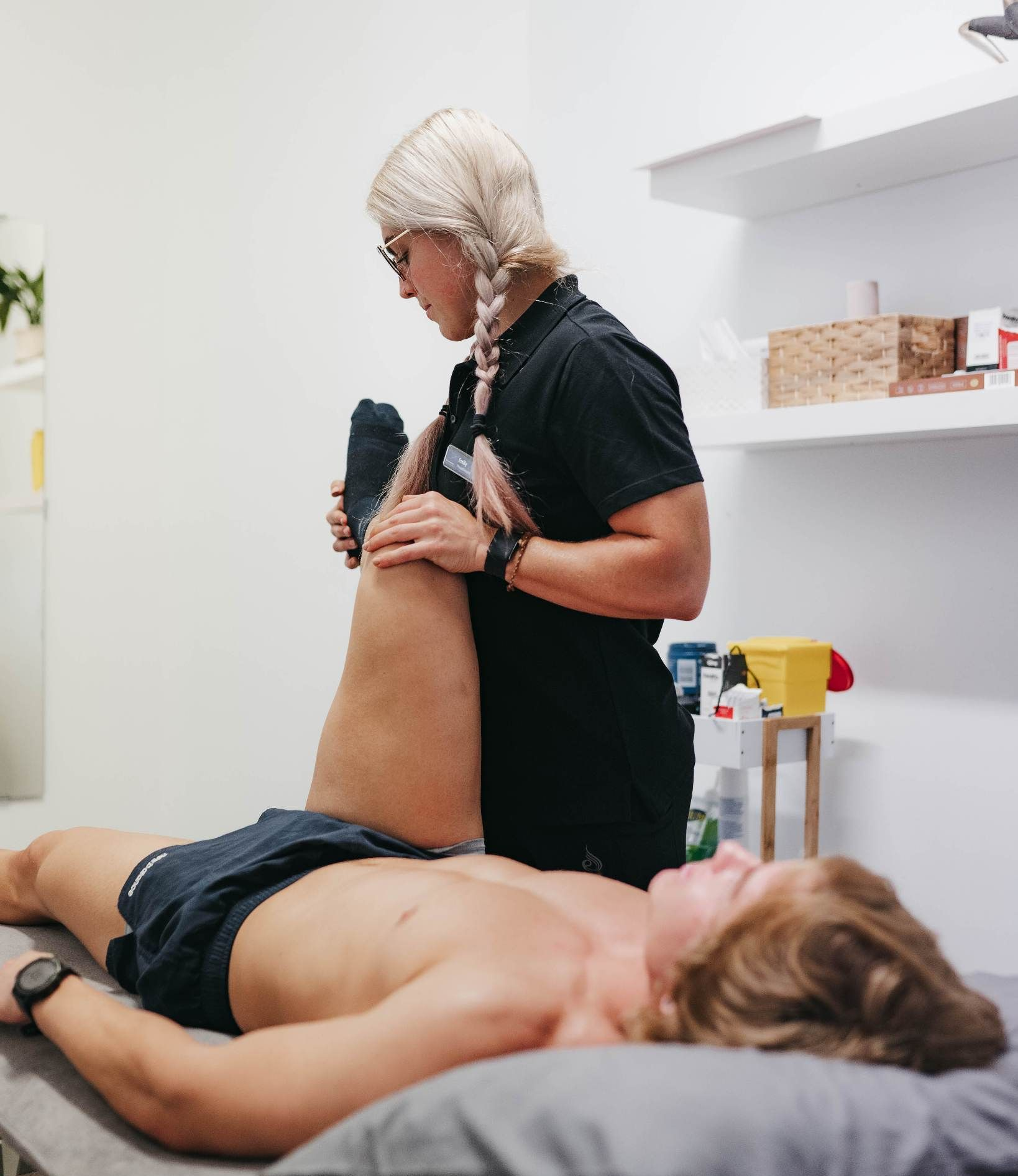
At Active Balance, our physiotherapists work with people managing osteoporosis and low bone density regularly. We can conduct a thorough assessment, design an individualised high intensity program appropriate to your current capacity and health status, and supervise your training to ensure you're getting the bone stimulus you need safely.
Our
supervised rehabilitation gym provides the environment and equipment for this kind of structured training, and our team has the clinical background to manage the complexity that comes with osteoporosis alongside other health conditions.
Book online or call us on (08) 7123 4148 to discuss how we can help you build stronger bones.