The Honest Answer Nobody Wants to Hear
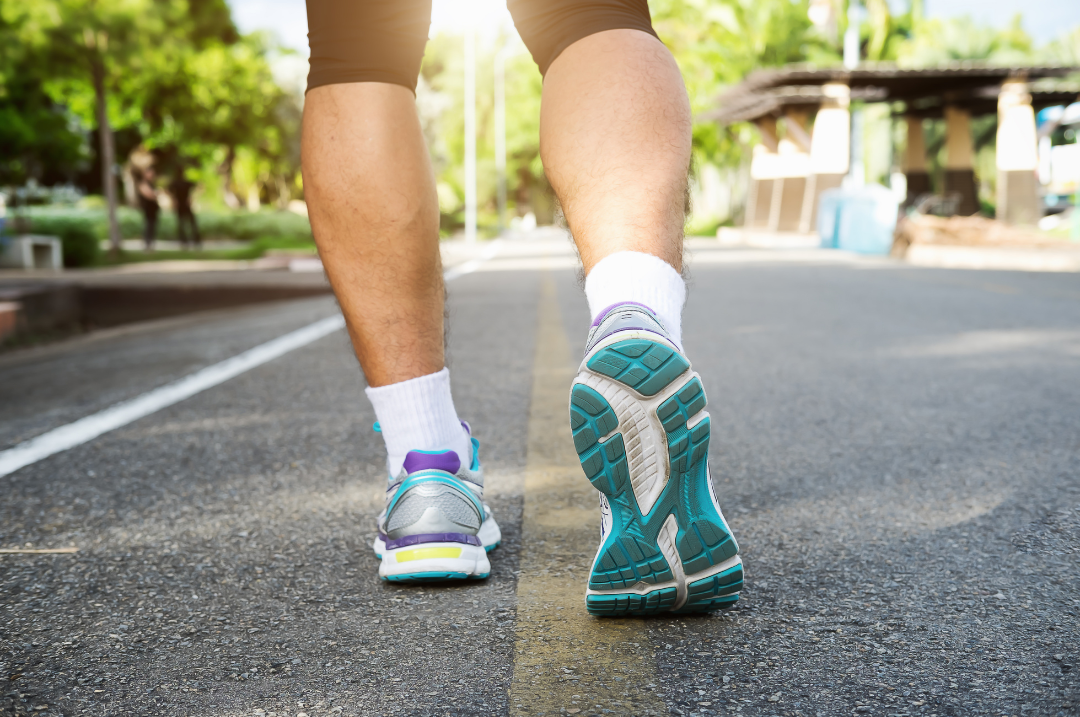
The best running shoe is the one that fits well, feels comfortable and that you can run in without pain. That's it. That's the short answer.
The evidence on running shoe prescription is genuinely humbling. Decades of research trying to match shoe type to foot type — the idea that flat feet need stability shoes, high arches need cushioned shoes, overpronators need motion control — has not held up particularly well under scrutiny. Large prospective studies have repeatedly failed to show that prescribing shoes based on arch height or pronation pattern reduces injury rates.
What does seem to matter is comfort. Research from the Swiss Federal Laboratories for Materials Testing showed that runners who selected shoes based on comfort showed lower injury rates than those who selected based on prescribed criteria. The body is surprisingly good at telling you what works for it — if a shoe feels right, that's meaningful information.
This doesn't mean all shoes are equal or that shoe choice doesn't matter at all. It means the elaborate categorisation system the industry has built around foot type is less evidence-based than most people assume.
What Actually Matters When Choosing Running Shoes
This is the most important factor and the one that overrides everything else. A shoe that doesn't fit well will cause problems regardless of its cushioning, stability or price tag.
Key fit considerations:
- Approximately a thumb's width of space between your longest toe and the end of the shoe — your foot expands when you run and with heat and fatigue
- No pinching or pressure across the midfoot or forefoot — the shoe should feel secure without feeling constricted
- No heel slipping — the heel counter should hold your heel firmly without creating pressure points
- Try shoes on later in the day when your feet are at their largest, and always try them with the socks you run in
- Comfort from the first wear
A running shoe should feel good immediately. The idea that shoes need to be "broken in" is largely outdated with modern footwear construction. If a shoe feels stiff, tight or awkward in the store, it's unlikely to feel dramatically better after 50 kilometres.
- The right stack height for your running
Stack height — the thickness of the midsole — has become one of the more evidence-influenced areas of shoe design. Higher stack shoes (more cushioning) reduce impact forces and are associated with lower rates of bone stress injury in some research. Lower stack shoes and minimalist footwear can be beneficial for developing foot strength but require a gradual transition — moving from a high stack to a minimal shoe too quickly is a genuine injury risk.
For most recreational runners, a moderate stack height of 20 to 35mm is a reasonable starting point. Carbon fibre plated "super shoes" — the technology that has revolutionised elite marathon times — are now widely available but are designed for race day performance, not everyday training. Using them for all your running removes the training stimulus that builds the foot and calf strength they effectively bypass.
Road shoes and trail shoes serve genuinely different purposes. Trail shoes have outsoles designed for grip on uneven, loose or wet terrain. Running road shoes on trails regularly will wear them faster and provide less traction than you need. Road shoes on trails can increase ankle sprain risk. If you run off-road regularly, dedicated trail shoes are worth the investment.
Most running shoes have a lifespan of 600 to 800 kilometres depending on your weight, running surface and gait. Running in worn-out shoes — where the midsole has compressed and lost its cushioning — is associated with increased injury risk. The upper often looks fine long after the midsole has deteriorated. If your shoes are over 12 months old and you run regularly, they're probably due for replacement.
A Note on Pronation and Gait Analysis
Pronation — the inward rolling of the foot during the stance phase of running — is normal and necessary. The foot is designed to pronate as part of its natural shock absorption mechanism. Overpronation becomes a concern when it's excessive and contributing to symptoms — but the presence of pronation on a treadmill analysis alone is not a reason to prescribe a motion control shoe.
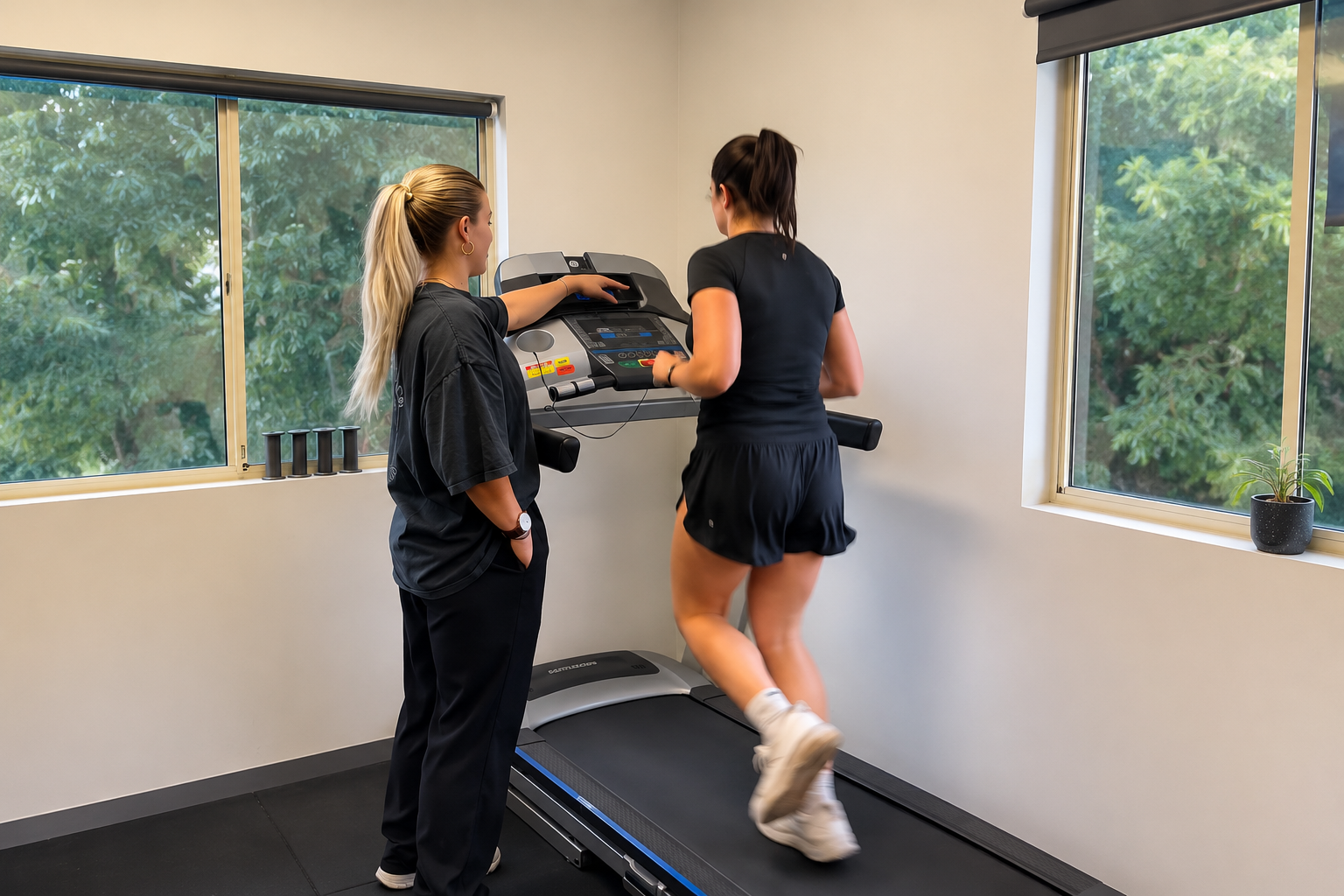
Gait analysis in a shoe store is useful but has limitations. A two-minute treadmill assessment captures one small sample of how you move in a specific shoe in a non-fatigued state. It doesn't account for how your gait changes over a long run, your training load, your strength deficits or your injury history.
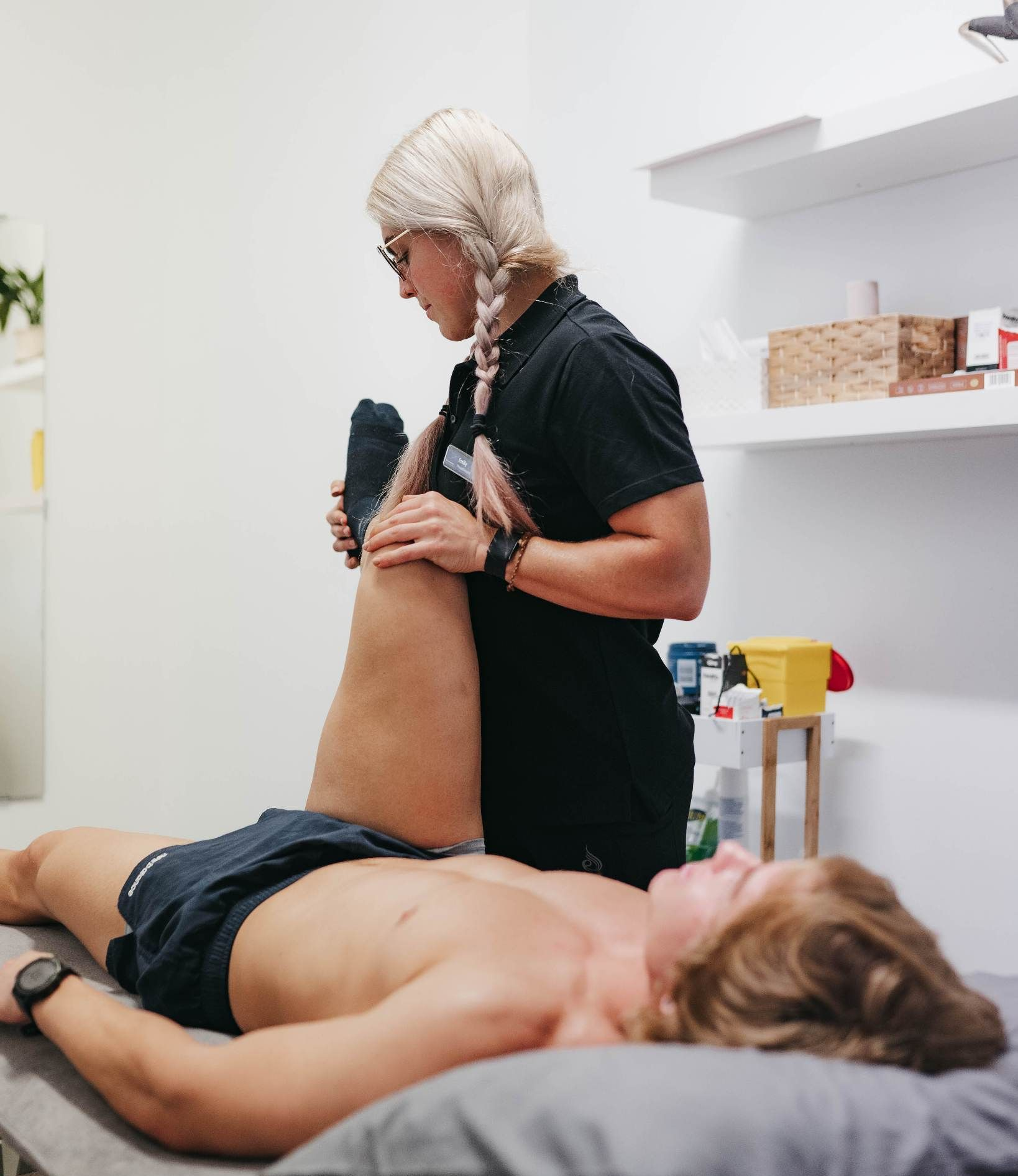
If you're having recurring running injuries, a running assessment with a physiotherapist is significantly more informative than a shoe store gait analysis. We can look at the whole picture — hip strength, ankle mobility, cadence, foot strike, training load — and give you specific, evidence-based advice rather than a shoe category recommendation.
What We Suggest in Practice
For most recreational runners, here's a practical framework:
- Go to a specialty running store with knowledgeable staff — not a general sports store
- Try several pairs across different categories rather than going in with a fixed idea
- Run in each pair — most stores have a treadmill or will let you run outside
- Choose based on comfort, fit and feel — not brand loyalty or what a friend recommended
- Consider having two pairs and rotating them — different shoes create slightly different load patterns, which some research suggests reduces overuse injury risk
- If you keep getting injured despite good shoes, the shoes probably aren't the problem — get a running assessment
When to See a Physio About Your Running Shoes
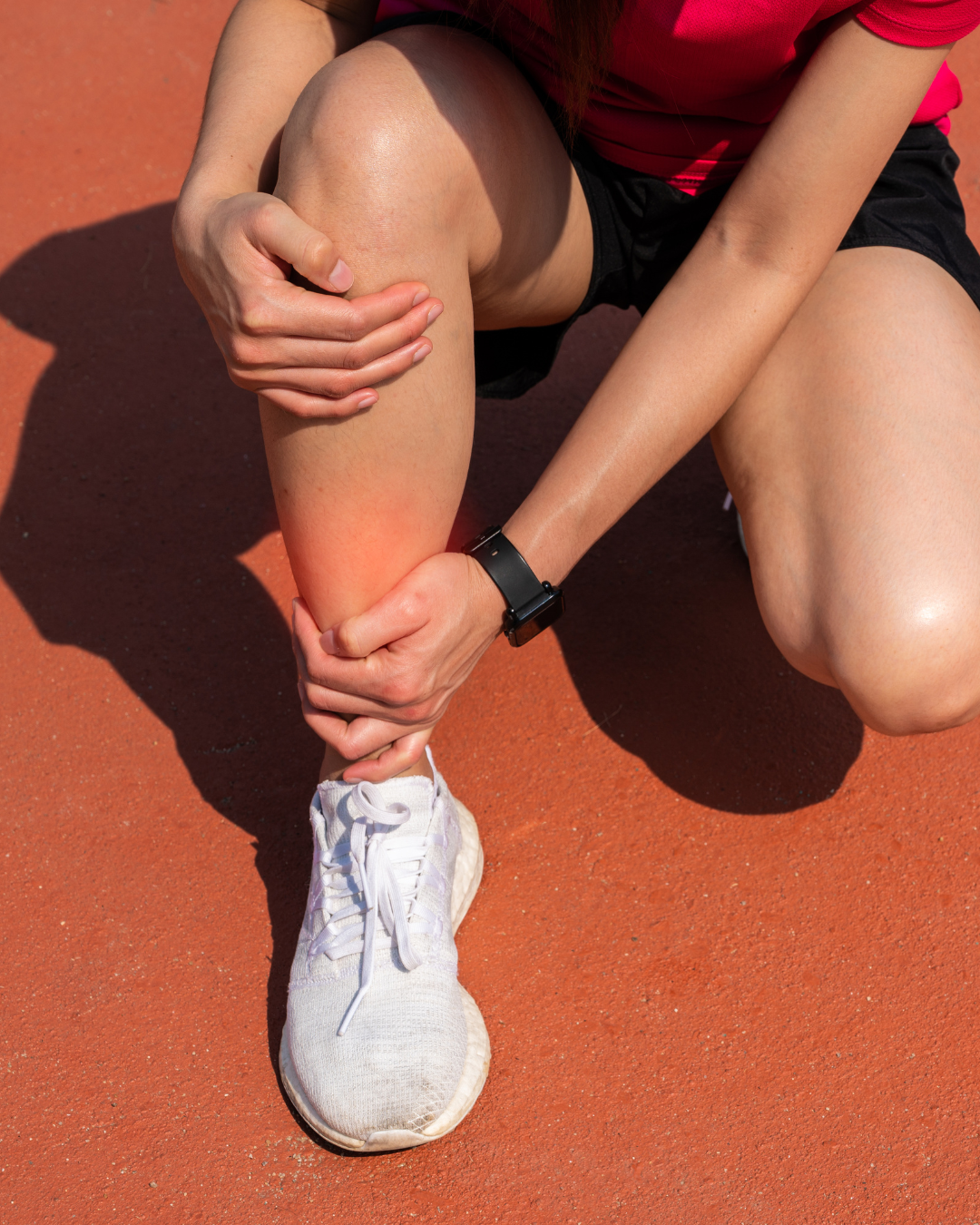
If you're experiencing recurring pain with running — particularly in the heel, arch, shin, knee or hip — a physiotherapy
running assessment is a better investment than a new pair of shoes. Footwear is one part of a complex picture that also includes training load, strength, mobility, running technique and recovery.
We offer running assessments at Active Balance that look at the full picture and give you specific, practical recommendations — including whether footwear is likely contributing to your symptoms.
Book online or call us on (08) 7123 4148.