What the Evidence Actually Shows
One of the strongest areas of evidence for infrared sauna is cardiovascular health. Research — including a large cohort study from Finland following over 2000 men for more than 20 years — found that regular sauna use was associated with significantly reduced risk of cardiovascular disease, sudden cardiac death and all-cause mortality.
The mechanism is well understood. The cardiovascular response to sauna — increased heart rate, cardiac output and peripheral vasodilation — mimics moderate intensity aerobic exercise. For people who cannot exercise at high intensity due to pain, injury or health conditions, sauna provides a meaningful cardiovascular stimulus. Blood pressure reduction with regular use has also been documented in multiple studies.
- Pain relief and muscle recovery
Infrared heat penetrates deeply into muscle and connective tissue — more so than surface heat from a hot pack or traditional sauna. This promotes circulation, reduces muscle tension and has been shown to reduce pain in conditions including fibromyalgia, rheumatoid arthritis and chronic musculoskeletal pain.
For athletic recovery, infrared sauna helps clear metabolic waste from muscle tissue, reduces delayed onset muscle soreness and promotes faster recovery between training sessions. This is why it's widely used in professional sport settings.
- Stress reduction and nervous system regulation
Regular infrared sauna use activates the parasympathetic nervous system — the body's rest and recovery system — and is associated with measurable reductions in cortisol, the primary stress hormone. Heart rate variability, a marker of nervous system resilience, has been shown to improve with regular sauna use.
For people dealing with chronic stress, anxiety or the kind of nervous system dysregulation that comes with persistent pain or poor sleep, this is a genuine therapeutic benefit rather than just a feeling of relaxation.
The drop in core body temperature that follows a sauna session mimics the natural temperature change that initiates sleep. Several studies have found that sauna use — particularly in the evening — improves both sleep onset and sleep quality. This makes it a useful tool for people dealing with insomnia or disrupted sleep alongside other health issues.
The mild heat stress of sauna stimulates the production of heat shock proteins — cellular proteins that play a role in immune defence and tissue repair. Regular sauna use has been associated with reduced frequency of common illnesses like colds and flu in some studies, though the evidence here is less robust than for cardiovascular and pain outcomes.
The increased circulation and sweating associated with infrared sauna promotes blood flow to the skin, supports nutrient delivery and may help with skin tone and appearance. Regular use is associated with improved skin elasticity and a reduction in some skin conditions in observational studies. This is a real benefit, though the evidence is less strong than for the cardiovascular and pain outcomes above.
A Note on "Detoxification"
The claim that saunas detoxify the body — and particularly that infrared sauna eliminates "seven times more toxins" than traditional sauna — is one that circulates widely in wellness spaces but isn't well supported by evidence.
The liver and kidneys are the body's primary detoxification organs, and they do this job continuously and very effectively. Sweat does contain small amounts of some compounds, but the contribution of sweating to overall detoxification is minor compared to hepatic and renal function.
This doesn't mean sauna isn't beneficial — the cardiovascular, recovery and stress-reduction evidence is genuinely compelling. But the detox framing overstates what's actually happening and we prefer to be honest about where the evidence is strong and where it isn't.
A Note on Weight Loss
Sauna sessions do burn some calories — roughly comparable to a gentle walk — due to the elevated heart rate and metabolic response. However the majority of weight lost during a sauna session is fluid loss through sweating, which is replaced when you rehydrate.
Infrared sauna can be a useful complement to an active lifestyle and healthy diet, but it's not a meaningful weight loss tool on its own. This is another area where the wellness marketing around sauna tends to overstate the evidence.
Who Benefits Most
Infrared sauna is particularly useful for:
- People recovering from training or competition — accelerated muscle recovery and reduced soreness
- Those with chronic pain conditions — fibromyalgia, osteoarthritis, chronic back pain, general musculoskeletal pain
- People dealing with high stress or sleep issues — nervous system regulation and sleep quality benefits
- Those with cardiovascular risk factors — blood pressure reduction and cardiovascular conditioning benefits, particularly for people who can't exercise intensively
- Anyone wanting a genuine recovery and wellness tool — the combination of relaxation, circulation and nervous system benefits makes it a genuinely useful addition to a healthy lifestyle
Practical Guidance
- How long and how often? Sessions of 20 to 40 minutes are typical. Most of the research on health benefits involves regular use — two to four sessions per week — rather than occasional use. Consistency produces better results than sporadic sessions.
- Hydration Significant fluid is lost during a sauna session. Hydrate well before, during and after. Avoid alcohol before or during sauna use.
- When to be cautious Check with your GP before using an infrared sauna if you have significant cardiovascular conditions, are pregnant, have uncontrolled blood pressure, or are taking medications that affect heat tolerance or sweating.
- Combining with treatment Many clients at Active Balance add a sauna session before or after their treatment appointment — the warmth before treatment can help relax muscles and improve response to hands-on therapy, while post-treatment sauna supports recovery. Sessions can be added to any appointment for just $10.
Our
Recovery Zone
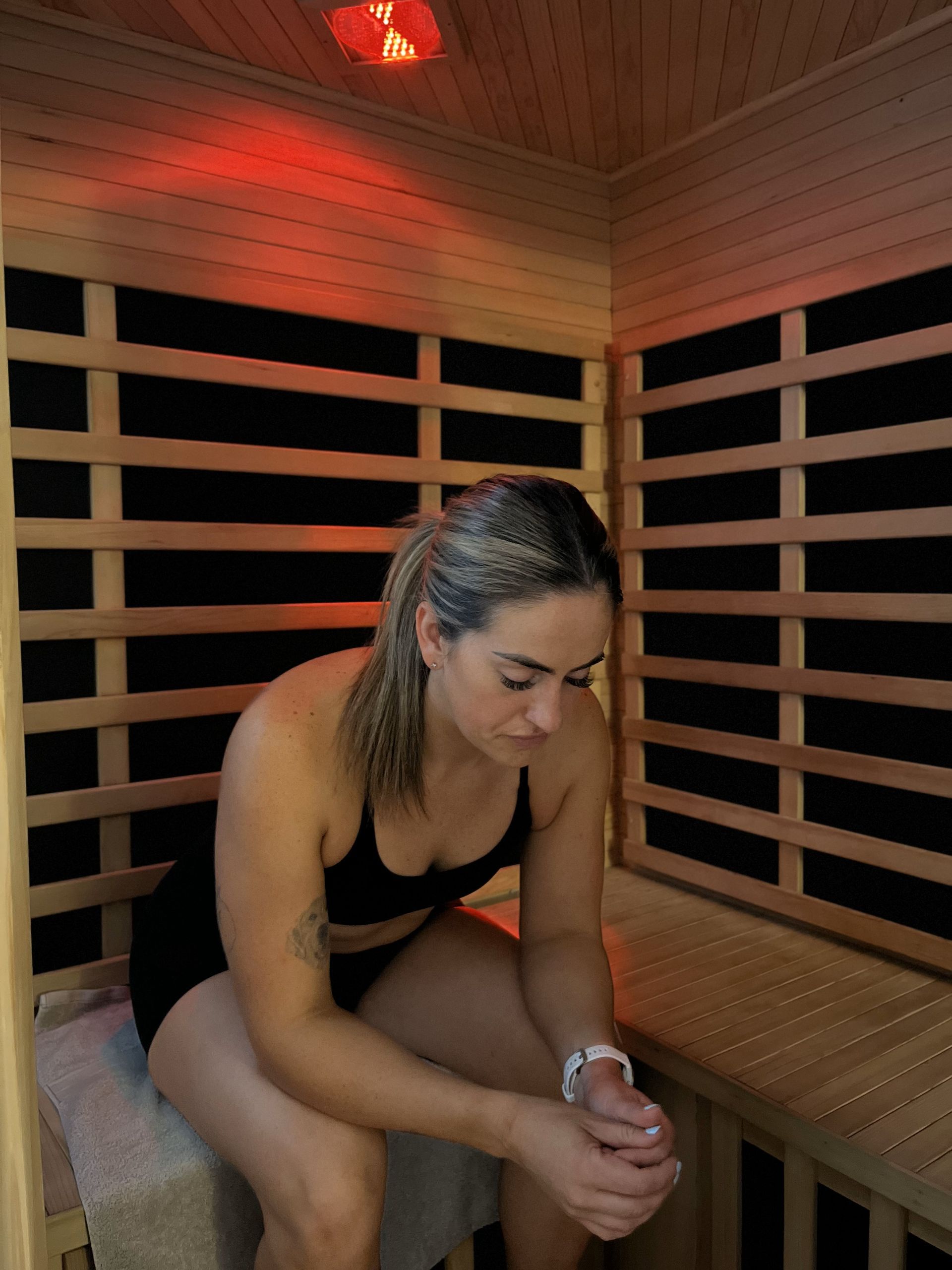
At Active Balance our recovery room is completely private — the space is yours for the duration of your booking. No sharing, no interruptions. You're welcome to bring a friend to use the space with you.
Sessions can be booked as a standalone appointment or added to any treatment booking. We also offer a weekly subscription for unlimited access.
Book online or call us on (08) 7123 4148 to find out more or to add a recovery session to your next appointment.