What Does It Actually Feel Like?
Cervicogenic headaches tend to have a pretty recognisable pattern once you know what to look for:
- Pain on one side of the head (it usually doesn't switch sides)
- A headache that starts or worsens with neck movement or after holding the same position for a while
- Stiffness or tenderness at the base of the skull or top of the neck
- Tightness through the shoulders and upper back
- Sometimes, pain behind the eye on the same side
If any of that sounds familiar, it's worth considering your neck as the source — especially if your headaches never fully respond to pain medication.
Who Gets Them?
Honestly — a lot of different people, but there are some patterns we see regularly in clinic.
Desk workers and remote workers are probably the most common. Hours at a screen, a less-than-ideal setup at home, and not enough movement throughout the day puts sustained load through the upper neck. Over time, that adds up.
Drivers — whether that's long-haul, rideshare, or just long commutes — are another group. Holding your head in one position for extended periods, combined with the vibration and tension of driving, is a recipe for cervicogenic symptoms.
People who've had a neck injury, even an old one, are also more susceptible. Whiplash in particular is a common predecessor — the trauma can leave lasting changes in joint mobility and muscle function that set the stage for these headaches years later.
And sometimes there's no dramatic cause at all. Just accumulated stress, poor sleep posture, or a gradual build-up of tension that eventually tips over into headaches.
What Actually Helps
This is important: cervicogenic headaches are a mechanical problem, which means pain medication alone won't fix them. It can take the edge off, but it doesn't address what's driving the headache in the first place.
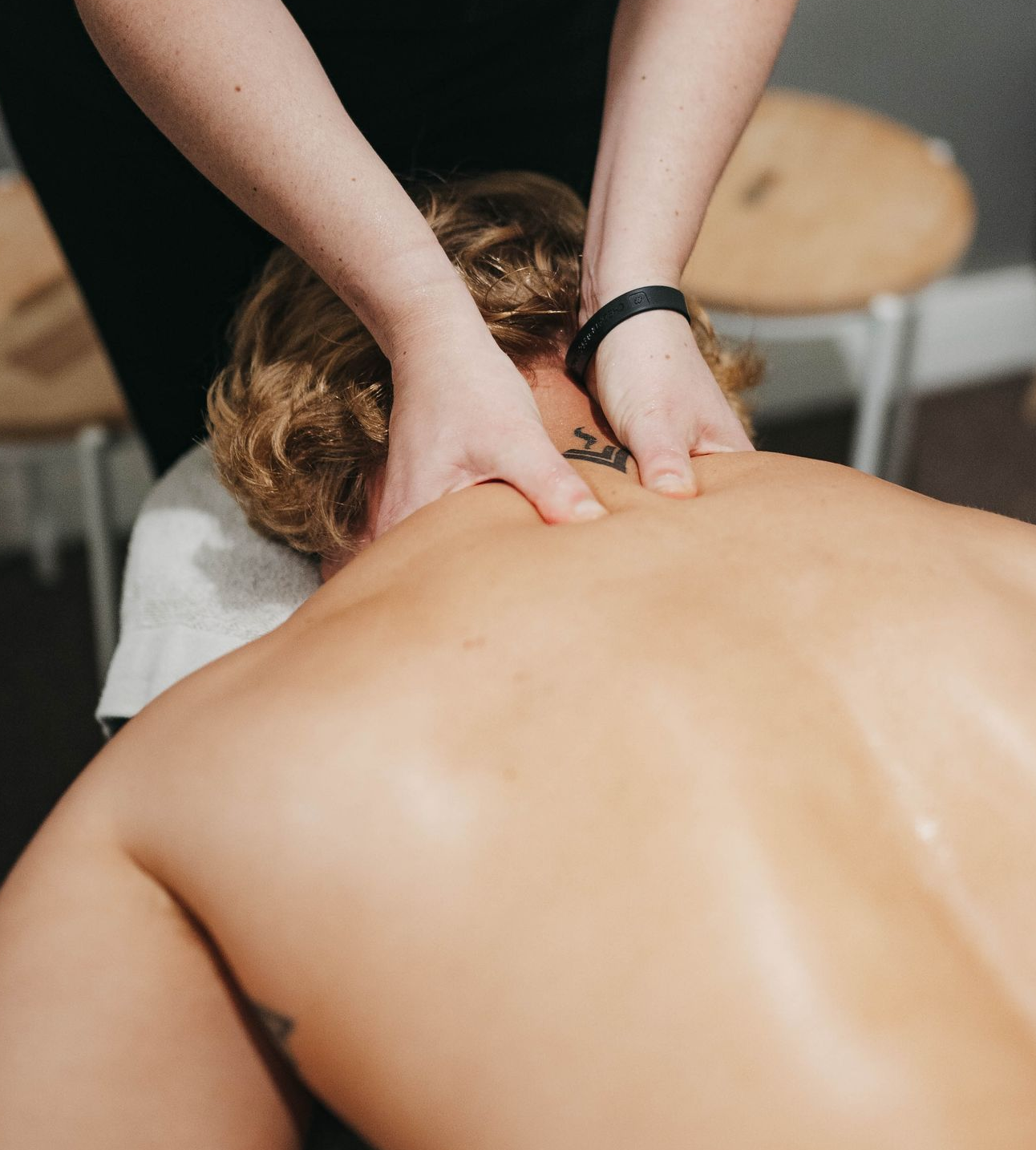
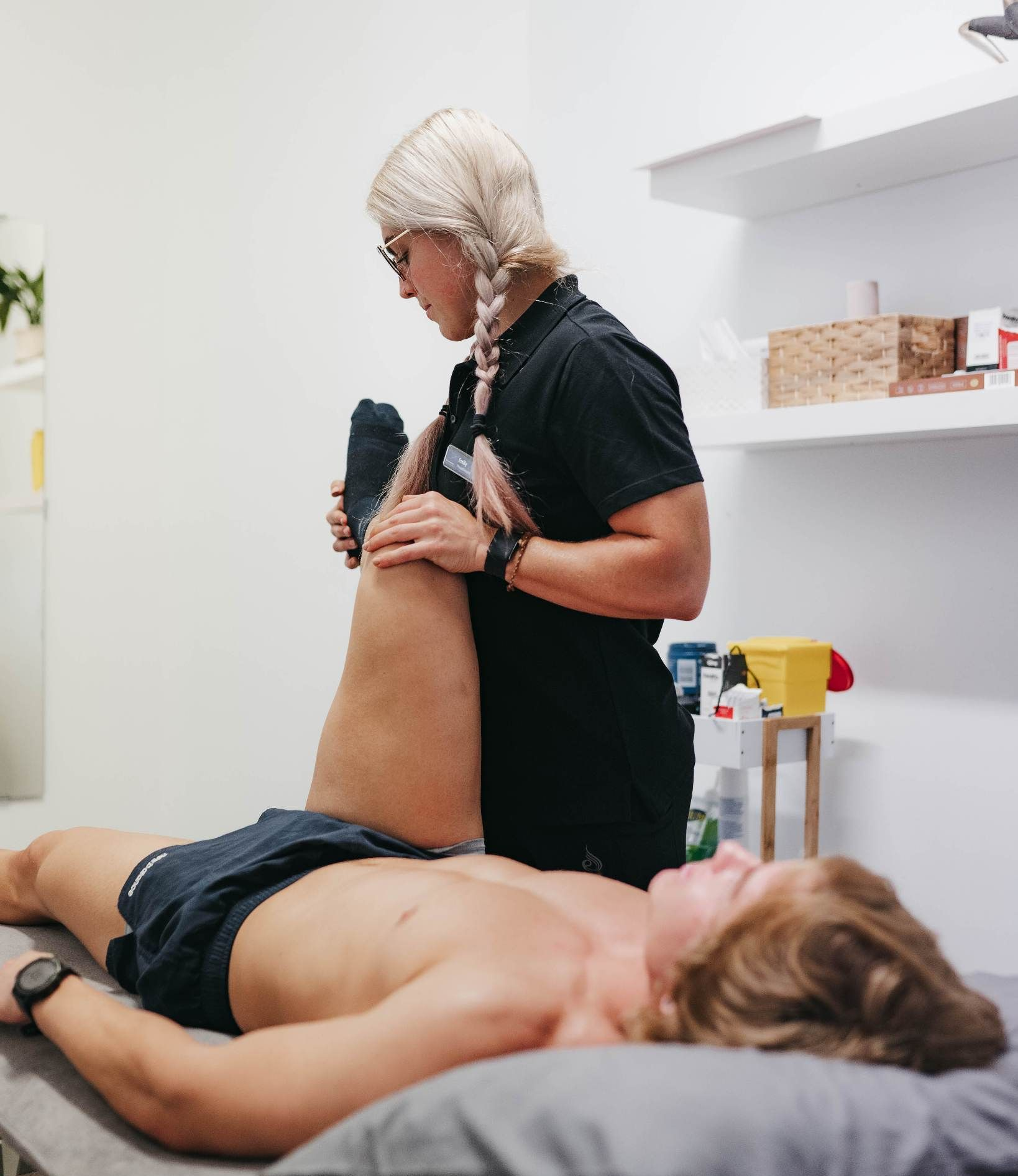
Physiotherapy is considered the first-line treatment — and the evidence behind it is solid. A physio will typically work on restoring movement in the joints of the upper cervical spine through hands-on mobilisation or manipulation, and pair that with targeted exercises to strengthen the deep neck flexor muscles that support your head. Postural assessment and ergonomic advice often comes into it too, particularly for desk workers.
Most people start to notice a real difference within a handful of sessions, especially when they're also doing the home exercises.
At home, things that can help in the short term include heat packs or a hot shower to ease muscle tension, gentle self-massage at the base of the skull, and over-the-counter anti-inflammatories as directed. These won't resolve the underlying issue, but they can make the day more manageable while you're working on the root cause.
When to Get It Checked
If you're getting headaches regularly — more than once or twice a week, or headaches that are affecting your work, sleep, or quality of life — it's worth getting a proper assessment. A physio can examine your cervical spine, identify the structures involved, and give you a clear picture of what's going on and how to address it.
Cervicogenic headaches are very treatable. Most people don't have to just live with them. If you think your headaches might be coming from your neck, get in touch with the team at Active Balance Physio &Wellness, and we can help you figure out what's going on.