What Is Patellofemoral Pain Syndrome?
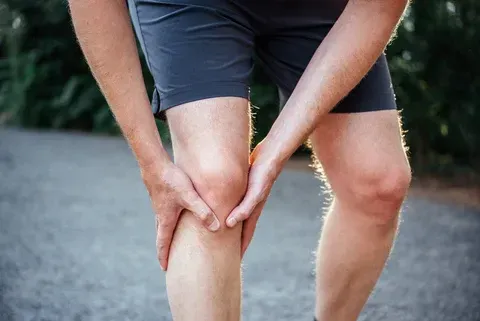
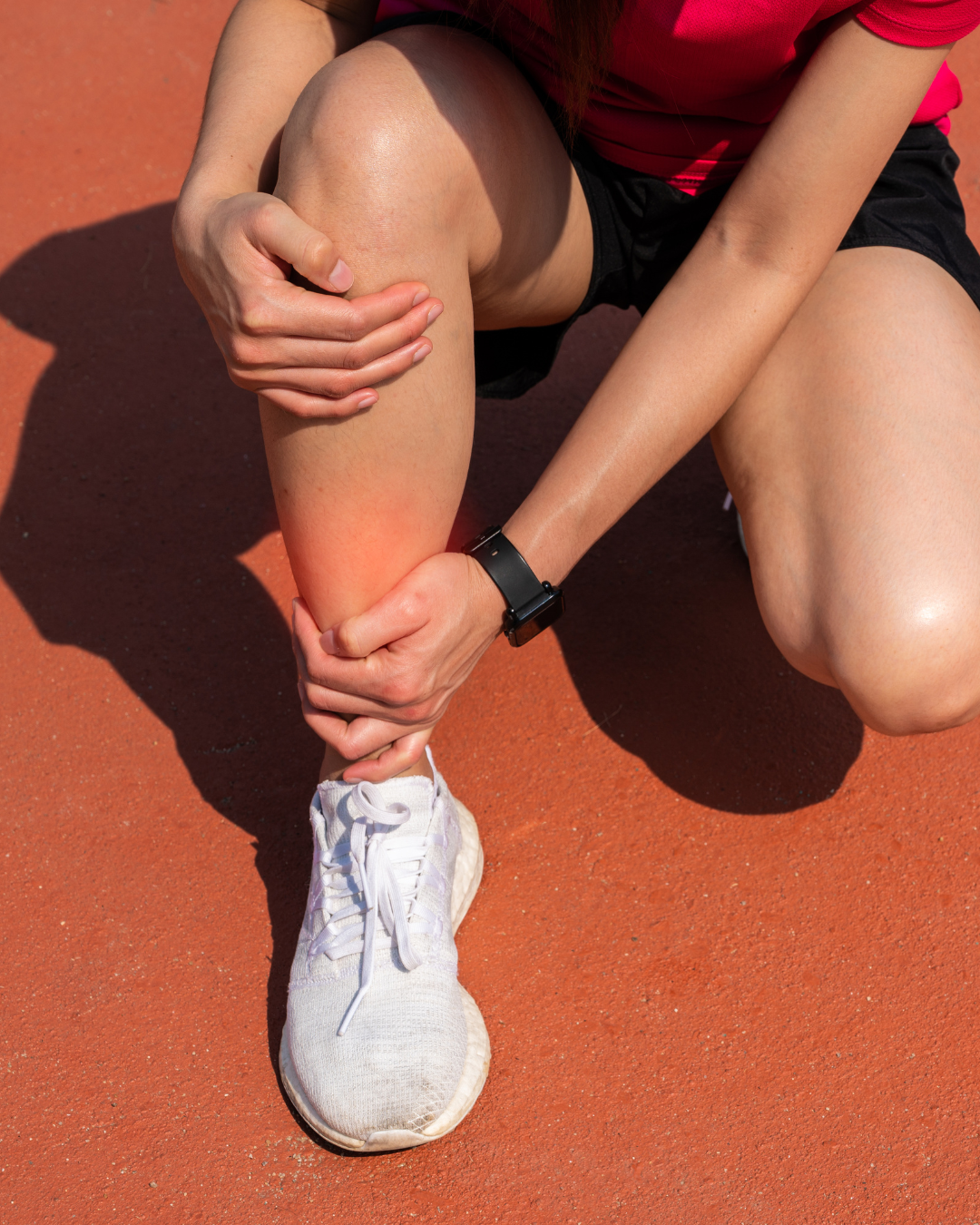
Patellofemoral pain syndrome describes pain at the front of the knee — typically felt under or around the kneecap (patella) — that develops as a result of altered loading of the patellofemoral joint. This is the joint between the kneecap and the femur (thigh bone) through which the kneecap glides during knee flexion and extension.
PFPS is extremely common in active people — particularly runners, cyclists, and anyone who squats, jumps or climbs stairs regularly. It's called runner's knee because of its prevalence in the running population, but it affects gym goers, team sport athletes and people whose jobs involve prolonged kneeling or stair climbing equally.
Common symptoms include:
- Pain under or around the kneecap, particularly with running, squatting, going downstairs or sitting for prolonged periods
- A dull ache that builds during activity and lingers afterwards
- Occasional clicking, grinding or a grating sensation around the kneecap
- Pain that is aggravated by pressing directly on the kneecap
- Stiffness after prolonged sitting — the "theatre sign" where symptoms are worst after sitting still for a period and ease with initial movement
Why PFPS Is Rarely Just a Knee Problem
This is the most important thing to understand about patellofemoral pain — and the reason many people spend months managing symptoms without actually getting better.
The patellofemoral joint is a passive structure. The kneecap itself has no muscle attachments that directly control how it tracks through the femoral groove. Its position and movement are determined entirely by the forces acting on it from the surrounding muscles — and those muscles extend well above and below the knee.
Hip abductor and external rotator weakness — particularly gluteus medius — allows the femur to internally rotate and adduct during weight bearing activities. This changes the angle between the quadriceps and the patellar tendon, altering how the kneecap tracks through the groove and increasing compressive and shear forces on the patellofemoral joint.
In practical terms: when your glutes are weak, your knee collapses inward when you run, squat or land from a jump. This is one of the most consistent findings in people with PFPS and one of the most important things to address in rehabilitation.
Reduced ankle dorsiflexion — the ability to bring the shin forward over the foot — forces compensatory movement patterns up the chain. When the ankle can't move adequately, the knee takes on additional load and often moves into positions that increase patellofemoral stress.
This is why someone can have front knee pain driven primarily by ankle stiffness, with the knee itself being the symptom rather than the source. Treating the knee alone in this situation produces limited results.
- The quadriceps connection
Quadriceps weakness and imbalance — particularly weakness of the VMO (vastus medialis oblique, the teardrop muscle on the inner side of the knee) relative to the lateral quad — alters patellar tracking. The kneecap gets pulled laterally rather than tracking centrally through the groove.
Tightness in the lateral structures — the ITB, lateral retinaculum and TFL — compounds this by physically pulling the kneecap outward.
How We Assess PFPS at Active Balance
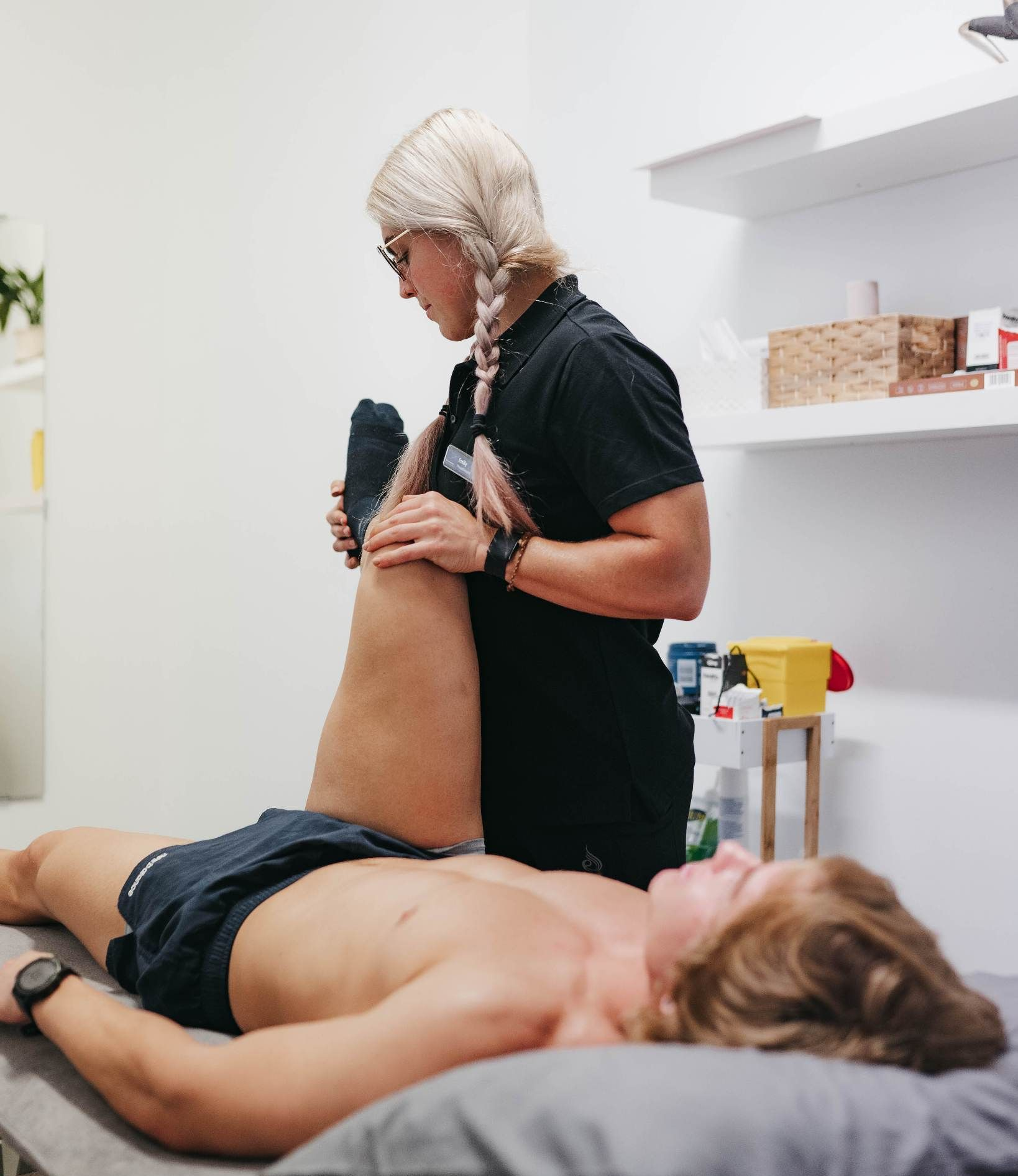
Because PFPS is driven by factors at multiple levels of the lower limb, assessment needs to look at the whole picture rather than just the knee.
At Active Balance, our assessment for PFPS includes:
- Lower limb strength testing — we use VALD ForceDecks and handheld dynamometry to objectively measure quadriceps, hamstring and hip strength, identify side-to-side asymmetries and compare against normative data. This removes the subjectivity from strength assessment and gives us real data to drive rehabilitation targets.
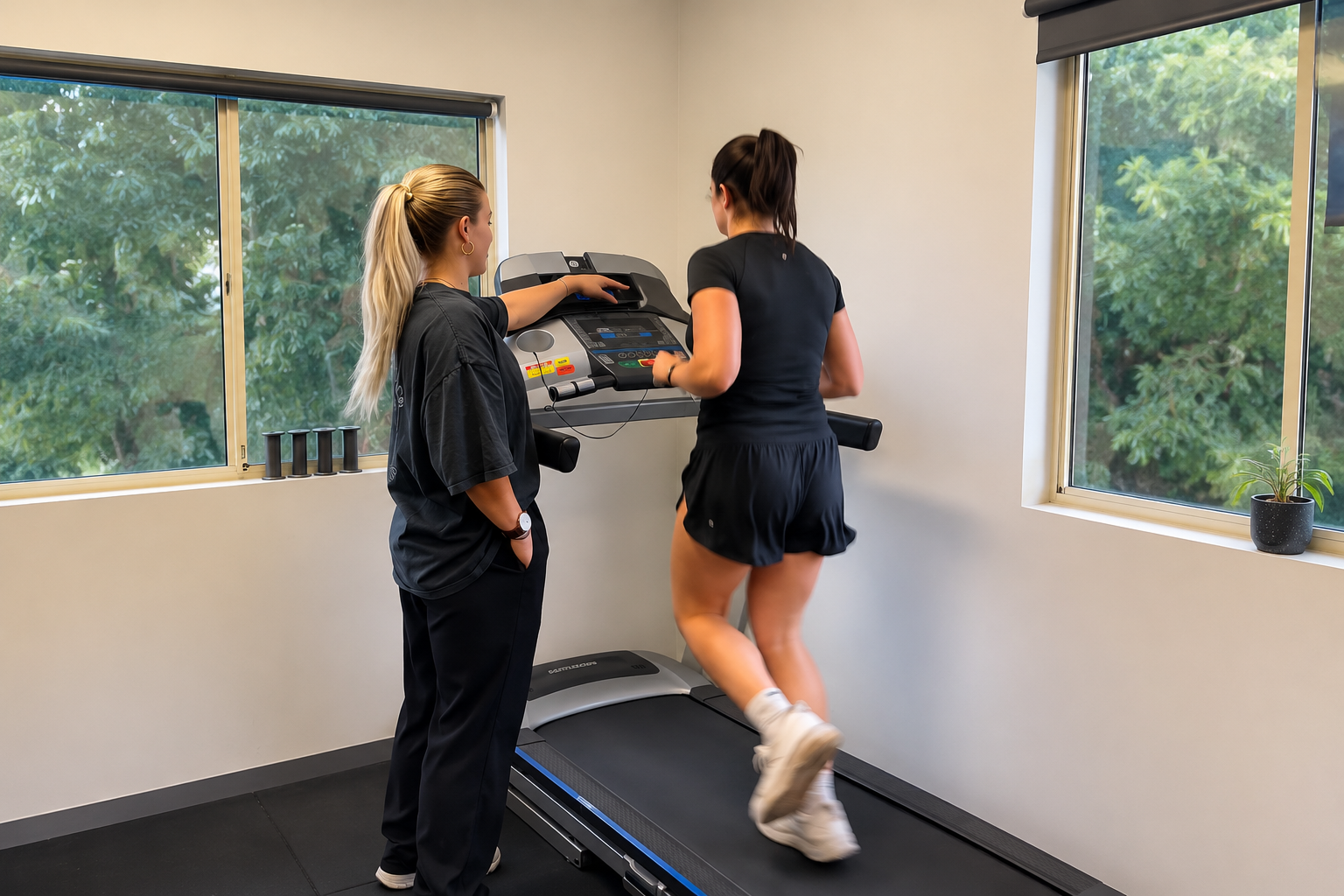
- Movement assessment — watching how you squat, lunge, step down and run provides direct insight into the movement patterns driving your symptoms. Hip drop, knee cave, foot pronation and trunk deviation are all assessed and quantified where possible.
- Ankle mobility — restricted dorsiflexion is assessed and addressed if it's contributing to the loading pattern.
- Patellar tracking and mobility — assessing how the kneecap moves and whether tightness in the lateral structures is contributing to altered tracking.
- Training load review — understanding what changed in your training before symptoms appeared is essential for identifying the load management component.
This comprehensive picture is what allows us to target rehabilitation at what's actually driving your pain rather than applying a generic knee program.
What Treatment Looks Like
Treatment for PFPS is highly individual because the drivers vary significantly between people. The general components include:
- Load management Temporarily modifying the activities that most aggravate the patellofemoral joint while rehabilitation begins. This rarely means stopping all activity — it means making intelligent adjustments. Running volume may be reduced, hills avoided, squatting depth modified. The goal is to find a level of activity that allows symptoms to settle while strength work progresses.
- McConnell taping Taping the kneecap to improve its tracking during activities can provide immediate symptom relief and allow rehabilitation exercises to be performed with less pain. It's a useful short-term tool while strength and movement patterns are being corrected.
- Hip strengthening Progressive strengthening of the hip abductors and external rotators — targeting the gluteus medius specifically — is the most important and most evidence-supported intervention for PFPS. This takes time to produce meaningful strength changes but consistently produces lasting improvement.
- Quadriceps rehabilitation Targeted strengthening of the quadriceps through a range that is comfortable — starting with isometric work and progressing to closed chain exercises like leg press, step-ups and eventually squats — rebuilds the capacity of the patellofemoral joint to handle load.
- Ankle mobility work Where restricted dorsiflexion is contributing, targeted ankle mobility exercises and joint mobilisation address this component of the problem.
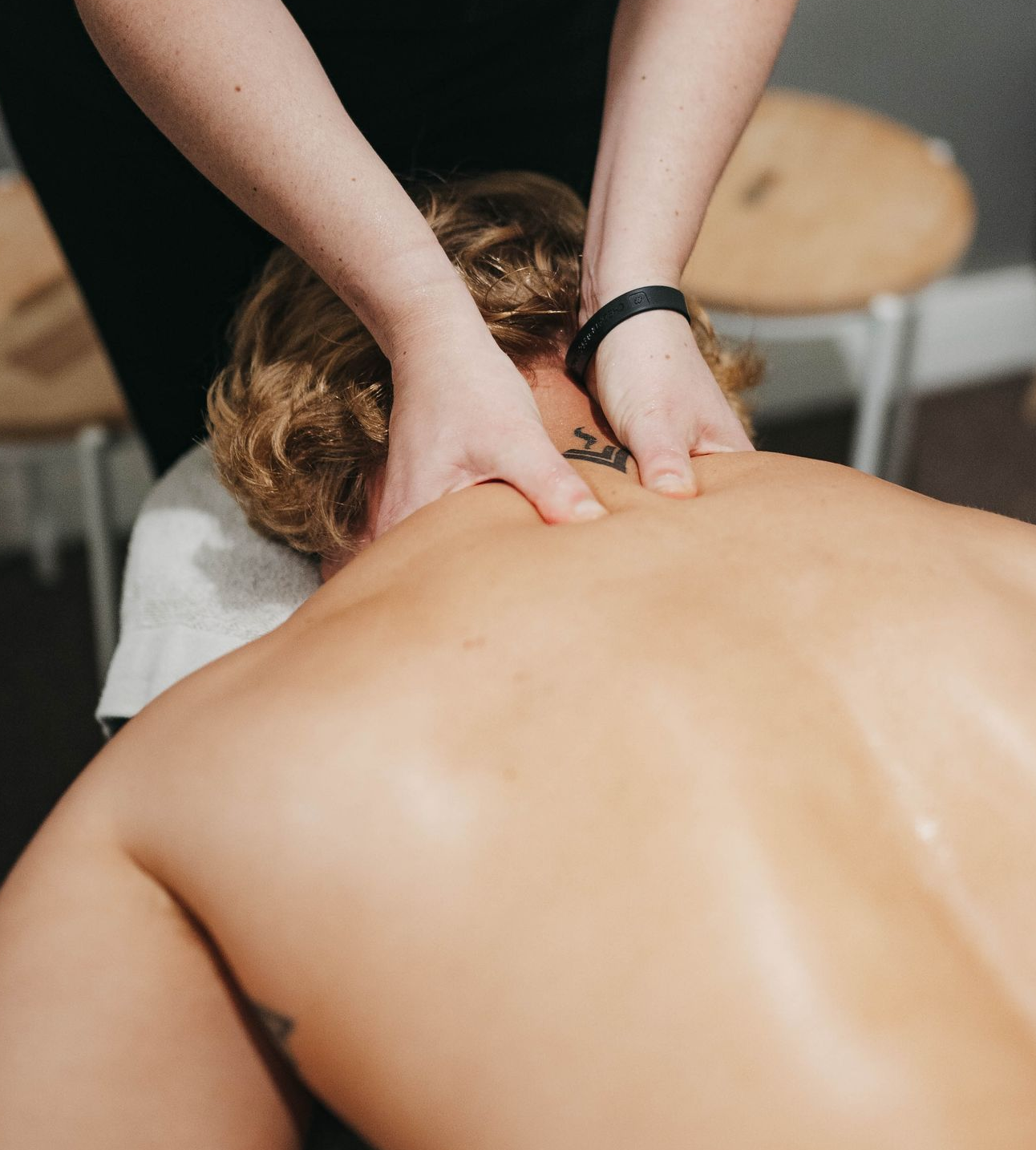
- Manual therapy Soft tissue release of the lateral quad, ITB and TFL, combined with patellar mobilisation, reduces the lateral pull on the kneecap and provides symptom relief that makes rehabilitation exercises more comfortable and effective.
- Gait retraining For runners with clear gait contributors — significant hip drop, crossover stride, excessive foot pronation — specific gait cues can meaningfully reduce patellofemoral loading during running. This is most effective when combined with the strength work rather than used in isolation.
How Long Does It Take to Resolve?
PFPS that is caught early and managed properly typically shows meaningful improvement within four to six weeks, with full resolution in eight to twelve weeks. Cases that have been present longer, or where rehabilitation has focused only on the knee without addressing hip and ankle contributors, take longer.
The most common reason PFPS becomes chronic is inadequate hip strengthening — symptoms settle, activity resumes at full load before the hip is strong enough to protect the knee, and the cycle restarts.
If front knee pain is affecting your training or daily life, book online or call us on (08) 7123 4148. We'll assess the full picture — not just your knee — and give you a clear plan to address what's actually driving your pain.