What Happens to the Body During Menopause?
To understand why exercise recommendations need to change, it helps to understand what's happening physiologically.
As oestrogen levels decline during perimenopause and menopause, several significant changes occur:
- Accelerated muscle loss (sarcopenia) — oestrogen has a protective effect on muscle mass. As levels fall, muscle loss accelerates, particularly in the lower limbs
- Reduced bone density — oestrogen plays a key role in bone metabolism. Declining levels increase the rate of bone resorption, raising the risk of osteopenia and osteoporosis
- Increased visceral fat accumulation — body composition shifts, with a tendency toward increased fat storage around the abdomen even without changes in diet or activity
- Changes in joint health — oestrogen has anti-inflammatory properties. Its decline is associated with increased joint pain and stiffness, particularly in the hands, knees and hips
- Cardiovascular changes — the protective effect of oestrogen on the cardiovascular system reduces, increasing risk factors for heart disease
- Sleep disruption and mood changes — which in turn affect recovery, motivation and energy for exercise
These changes don't happen overnight and they don't affect every woman equally — but they do shift the landscape of what the body needs from exercise.
What the Research Tells Us:
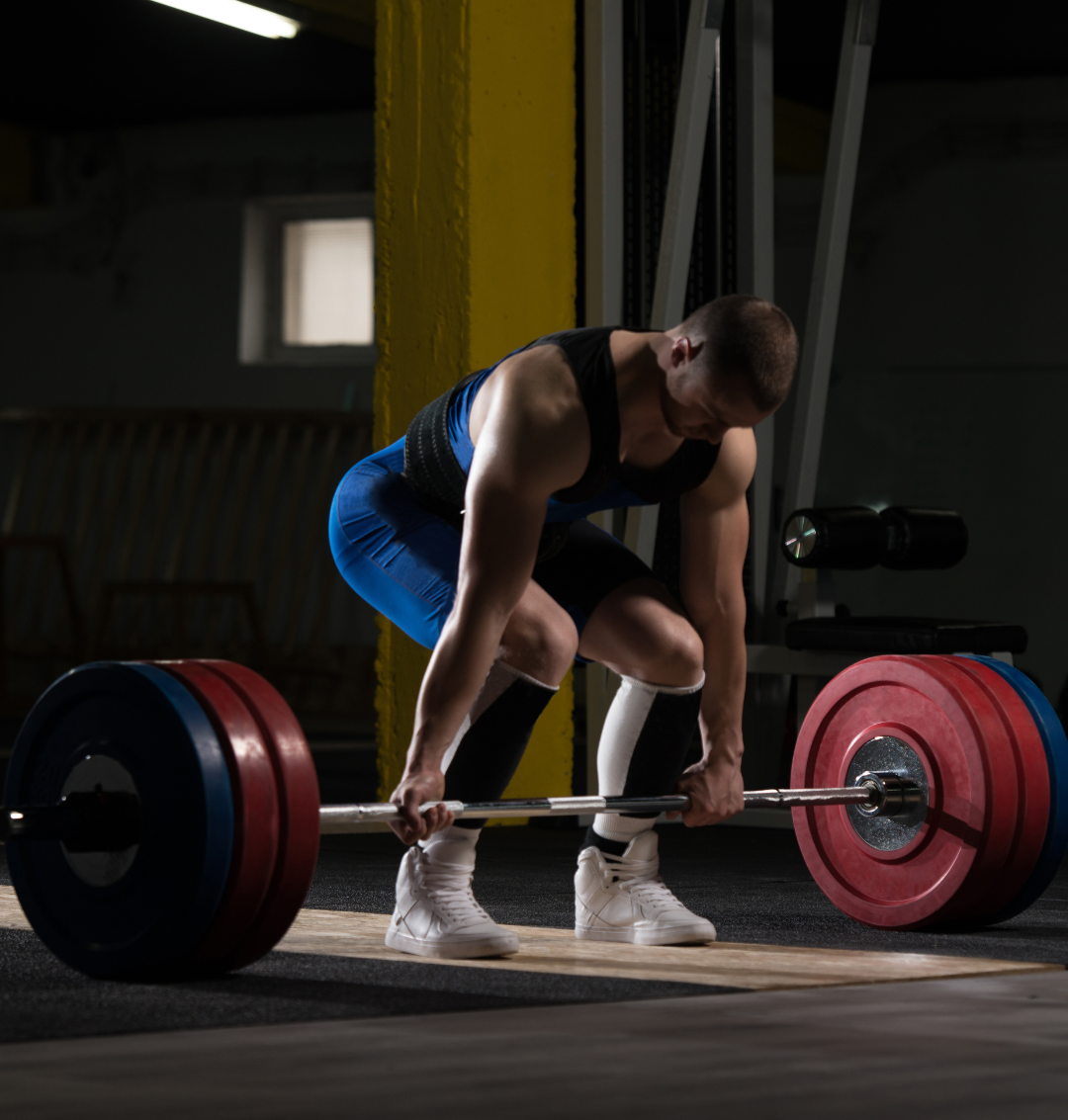
- Resistance Training Is the Highest Priority
The evidence for resistance training during menopause is stronger than for any other exercise modality. A growing body of research — including systematic reviews and randomised controlled trials — consistently shows that progressive resistance training:
- Significantly slows and partially reverses age and menopause related muscle loss
- Improves bone density or slows its decline, particularly when combined with impact loading
- Reduces visceral fat accumulation and improves body composition
- Improves insulin sensitivity and metabolic health
- Reduces joint pain and improves functional capacity
- Has meaningful positive effects on mood, sleep quality and cognitive function
The LIFTMOR trial, conducted at Griffith University, demonstrated that high intensity progressive resistance and impact training produced significant improvements in bone density, muscle strength and functional performance in postmenopausal women with low bone mass — safely and without adverse effects. This was a landmark study that shifted the conversation from "be careful" to "load up."
For women who have avoided weights for fear of injury or becoming "bulky" — the evidence is clear that neither is a realistic concern with appropriate programming. What is realistic is becoming stronger, more resilient, and genuinely healthier.
- Cardiovascular Exercise Still Matters — But It's Not Enough on Its Own
Aerobic exercise remains important for cardiovascular health, mood regulation and maintaining a healthy weight. Walking, swimming, cycling and group fitness all contribute meaningfully to overall health.
However research consistently shows that cardiovascular exercise alone does not adequately address the muscle loss, bone density decline or metabolic changes associated with menopause. Women who rely on cardio alone without resistance training are missing the most impactful intervention available to them.
The current consensus from sports medicine and exercise physiology bodies recommends a combination of:
- At least two resistance training sessions per week targeting all major muscle groups
- 150 or more minutes of moderate intensity aerobic activity per week
- Balance and coordination work to reduce falls risk
- High Intensity Training Is Safe and Effective
There is a common misconception that women in midlife should scale back the intensity of their exercise. The research doesn't support this. Studies show that higher intensity training — including heavy resistance training and high impact activities — produces superior outcomes for bone density, muscle mass and metabolic health compared to lower intensity alternatives, when performed with appropriate technique and progressive programming.
The caveat is individualisation — what counts as high intensity varies between people, and a structured program designed around your current capacity and goals will always outperform generic advice.
- Mind-Body Exercise Has a Supportive Role
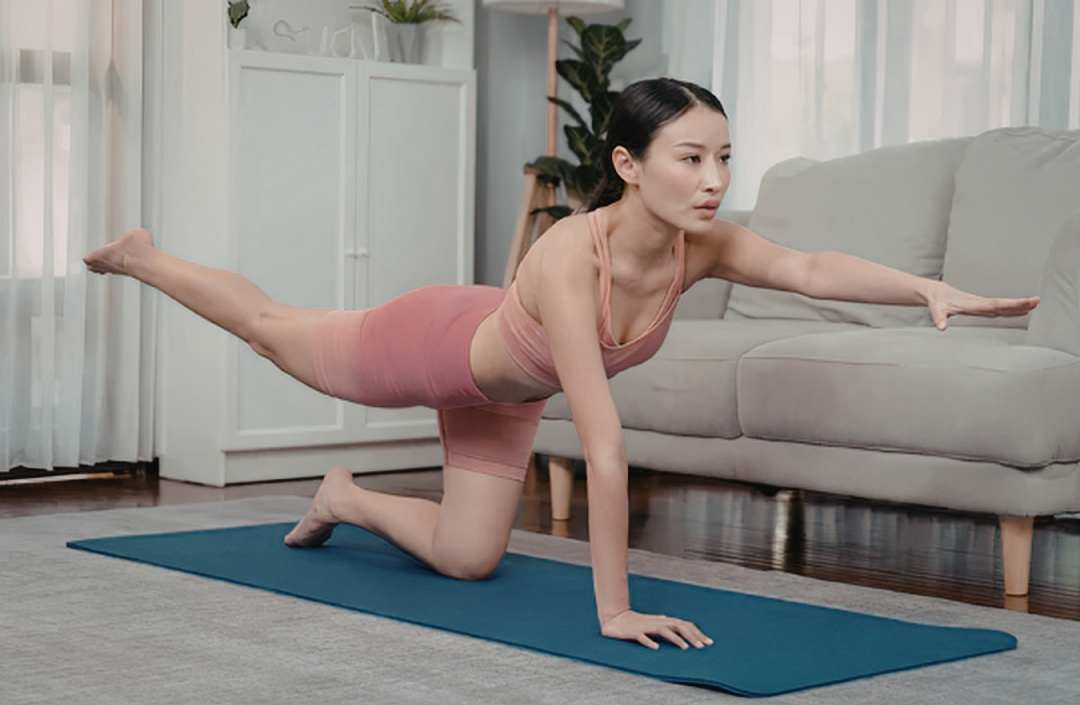
Yoga, Pilates and tai chi have good evidence for improving flexibility, balance, core strength and stress management during menopause. These modalities are particularly valuable for:
- Reducing falls risk through improved balance and proprioception
- Managing stress and cortisol, which affects sleep, mood and body composition
- Improving posture and addressing the musculoskeletal changes that come with midlife
- Providing a sustainable, enjoyable movement practice that supports long term adherence
Clinical Pilates in particular — which is physiotherapist-led and individually tailored — bridges the gap between rehabilitation and strength training, making it an excellent option for women building back into exercise or managing pain alongside their menopause transition.
What This Means in Practice
The evidence points clearly toward a few key principles for exercise during menopause:
- Lift weights — progressively and consistently. This is the single most impactful thing most women can add to their routine
- Don't just walk — walking is wonderful for overall health but won't address muscle and bone loss on its own
- Embrace intensity — with appropriate guidance, working harder produces better outcomes
- Prioritise consistency over perfection — two well-structured sessions per week done consistently will always outperform the perfect program done occasionally
- Get professional guidance — a program designed around your body, your history and your goals will be far more effective than a generic one
How We Can Help
At Active Balance, our physiotherapists and exercise physiologist can design an individualised exercise program that meets you where you are and builds toward where you want to be. Whether you're new to strength training, returning after a break or wanting to optimise what you're already doing, we can help.
Our
Clinical Mat Pilates and
Move Well classes are also particularly well suited to women going through menopause — small groups, physiotherapist-led, and tailored to individual needs.
Book online or call us on (08) 7123 4148 to chat with our team about the best approach for you.