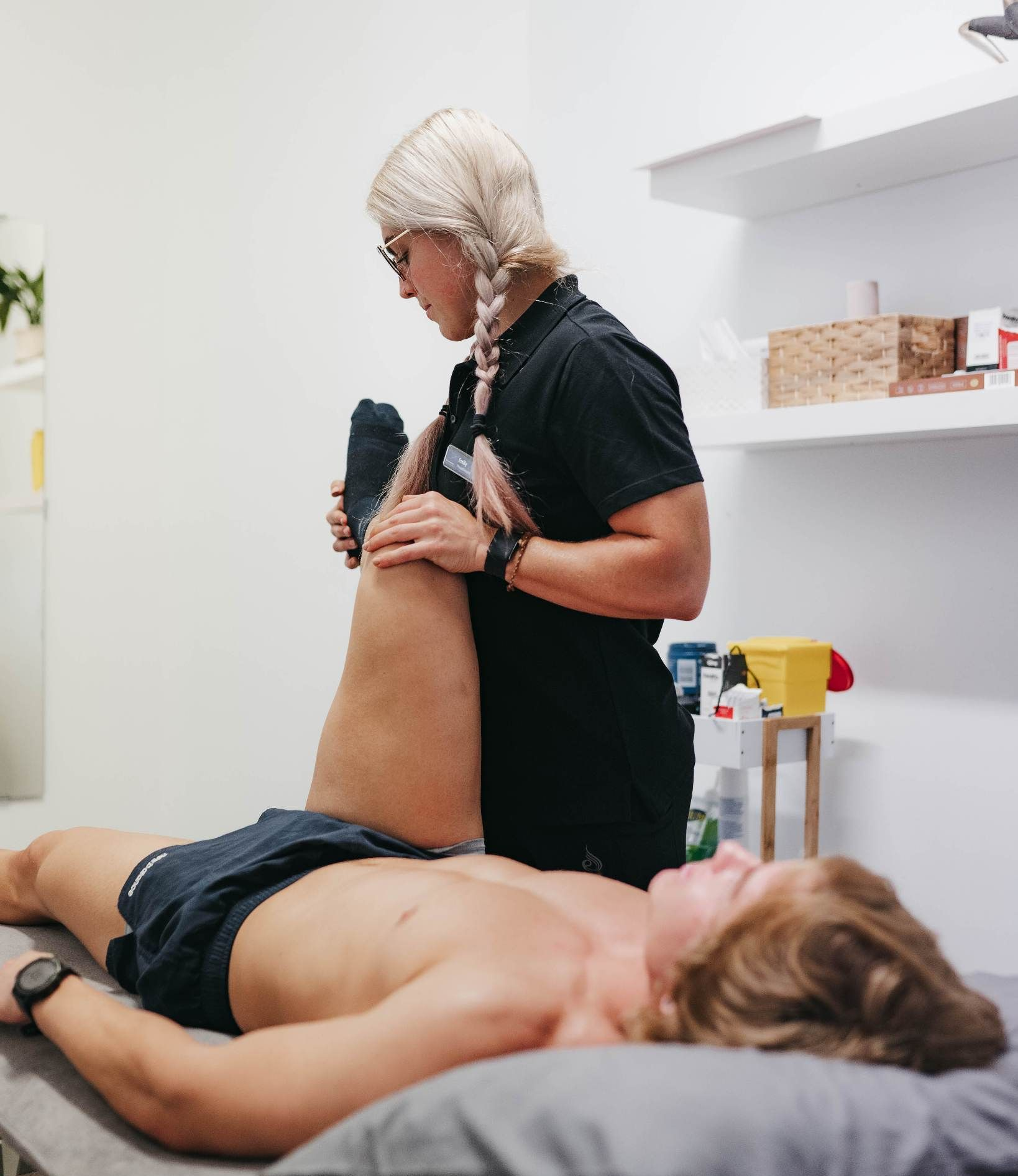
Don’t Hibernate This Winter: Why Keeping Moving Matters More Than Ever

As the weather cools down, it’s completely normal to feel less motivated to exercise. The mornings are darker, the couch is warmer, and suddenly staying still feels a lot more appealing than getting up and moving. But here’s the catch, winter is actually when your body needs movement the most.
When we become less active, even for a few weeks, we often start to notice:
- Increased joint & muscle stiffness (especially in the mornings)
- More aches and pains creeping in
- Reduced strength and energy
- Old injuries or niggles starting to flare up again
The good news? You don’t need to suddenly become ultra-fit or spend hours exercising.
Small, consistent movement can make a huge difference.
Why movement matters in winter
Regular movement helps to:
- Keep your joints mobile and less stiff
- Maintain strength (which supports your joints and reduces pain)
- Improve circulation and energy levels
- Support balance and reduce fall risk
- Keep those small issues from turning into bigger injuries
Even just 10–20 minutes a few times a week can help you stay on track.
The key is to choose something realistic (and enjoyable)
One of the biggest mistakes people make is setting the bar too high.
If your plan relies on motivation alone, winter usually wins.
Instead, focus on something that feels:
- Achievable
- Structured
- Supported
That’s where a lot of people find group exercise, especially when guided by a coach or physio, can make all the difference.
How we can help you stay moving this winter
We offer a range of physiotherapist-led classes designed to meet you where you’re at, whether you're just getting started, returning after injury, or ready to build strength long-term.
Check out our classes here
Clinical Mat Pilates
Focused, guided movement with purpose.
This is more than a standard Pilates class, it’s physiotherapist-led, meaning every exercise is chosen with your body in mind.
With small group sizes, we can tailor movements to:
- Work around injuries
- Improve movement quality
- Build strength safely
- Reduce pain and prevent flare-ups
It’s a great option if you want a bit more guidance and individual attention while still enjoying a group setting.
Move Well for Life
Strength, confidence, and long-term health.
If you’re ready to build real strength, this class uses gym equipment in a highly supervised, small-group environment.
It’s especially helpful if you:
- Have osteoarthritis or joint concerns
- Are recovering from surgery
- Want to improve bone density
- Are worried about balance or falls
- Want to feel stronger and more confident long-term
Each participant completes an initial assessment so your program is tailored specifically to you — and progresses as you do.
Move Well Express 30
A short, accessible starting point.
These 30-minute mat-based sessions are low-impact but still effective, focusing on core strength, mobility, and overall conditioning.
They’re ideal if you:
- Feel stiff or tight
- Are returning to exercise
- Want something simple and manageable
- Prefer a low-pressure environment
No assessment is required, and everything can be adapted on the spot by your physio
A simple goal for May
Instead of aiming for perfection, aim for consistency.
Your goal this month:
Move your body 2–3 times per week in a way that feels manageable.
That might be:
- A short walk
- A quick stretch session
- Or joining a class where everything is guided for you
Not sure where to start?
That’s completely okay! Most people aren’t. If you’re unsure which class suits you, or you’ve been dealing with pain or stiffness, our team is always happy to guide you in the right direction.
The hardest part is getting started, once you do, your body will thank you for it.