Rest Addresses the Symptom, Not the Cause
Rest is very good at reducing pain. It is much less good at addressing why the pain developed in the first place.
Most injuries don't occur because a tissue was suddenly damaged out of nowhere. They develop because the load placed on a tissue exceeded what that tissue could tolerate — either through a sudden spike, repetitive accumulation, a strength deficit, a movement pattern problem, or some combination of these.
Rest removes the load. But it doesn't improve the tissue's capacity to handle load when you return. The underlying vulnerability that caused the injury is still there — and often worse, because the tissue has deconditioned during the rest period.
This is why the same injury keeps coming back for so many people. The pain settles, activity resumes, the tissue gets loaded again — and without the capacity to handle it, symptoms return.
What Happens to the Body During Rest
- Strength and tissue capacity decline rapidly
Muscle begins to weaken within days of disuse. Tendons become less tolerant to load. Joint support decreases as the muscles that actively stabilise the joint lose their conditioning.
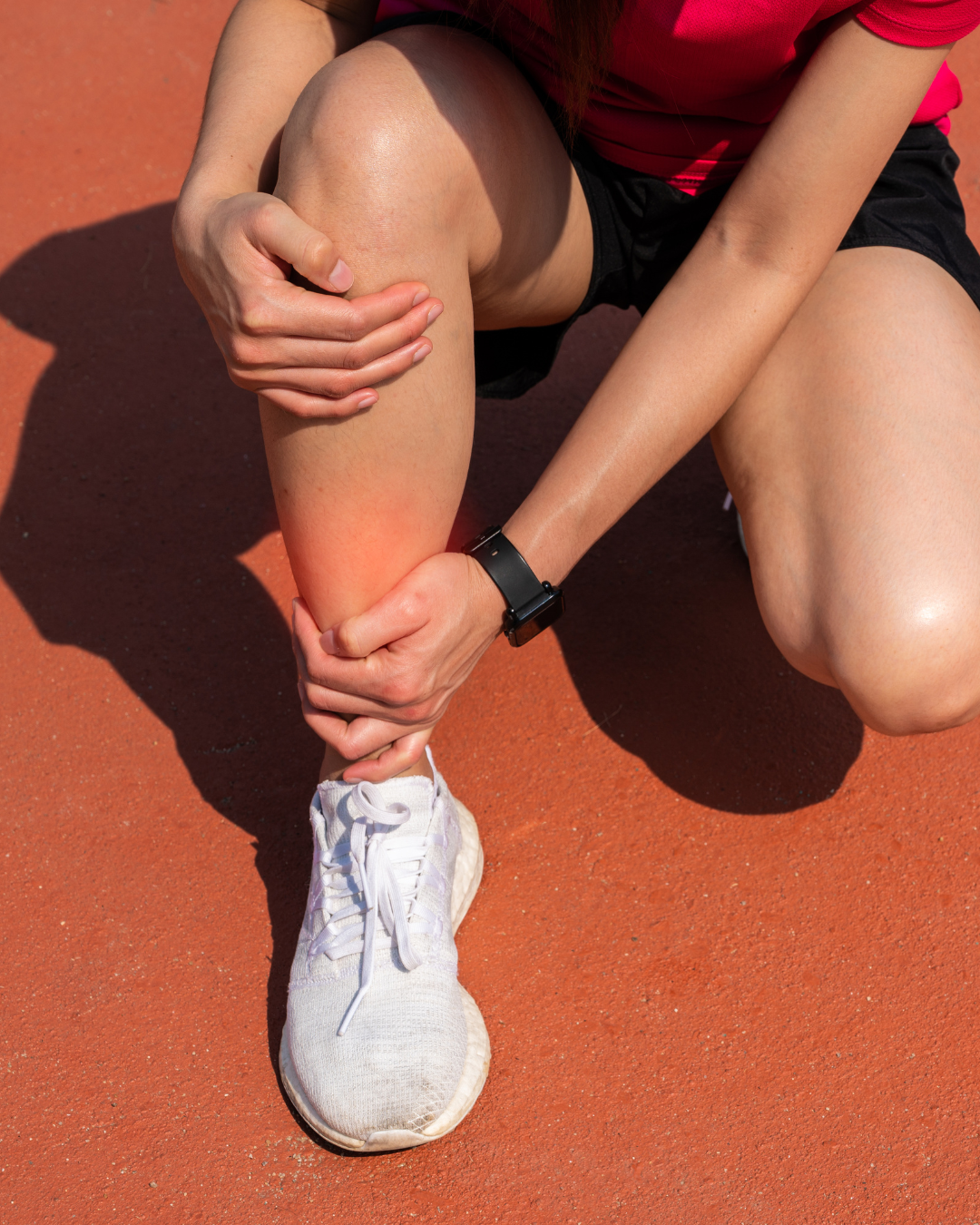
This is particularly significant for tendon-related injuries — Achilles tendinopathy, patellar tendinopathy, tennis elbow, rotator cuff related pain. These conditions actually require progressive loading as a key component of recovery. The tendon needs to be gradually stressed to stimulate the collagen remodelling that restores its structural capacity. Rest alone produces no such stimulus and in the medium term leaves the tendon less prepared for activity than before the injury.
- Movement patterns and neuromuscular control deteriorate
Injuries and rest don't just affect strength — they affect how your body moves. Pain causes the nervous system to alter movement patterns to protect the affected area. Coordination changes, joint control reduces and compensatory patterns develop as the body finds ways to offload the painful structure.
These altered patterns don't automatically reverse when pain settles. Without specific rehabilitation addressing movement quality, the compensatory patterns persist — often placing increased load on other structures and setting the stage for secondary injuries.
- Confidence and psychological readiness are affected
This is an underappreciated component of recovery. After a period of rest, an area can feel unreliable even when the tissue has healed. The nervous system has been in protection mode and the person has been avoiding the movement — rebuilding the confidence to use the area normally requires gradual, progressive exposure, not just waiting until it feels better.
The Boom-Bust Cycle
There's a pattern we see in clinic regularly that illustrates exactly how rest-only management fails:
Rest → pain settles → resume activity → feels okay initially → load increases → pain returns → back to rest.
This cycle can continue for months or years. Each time the pain returns, the person rests again — and each time, the underlying capacity problem remains unaddressed. The tissue never gets the progressive loading stimulus it needs to build genuine resilience.
Breaking this cycle requires addressing what's actually driving the injury — not just managing the symptom of pain.
What to Do Instead
The evidence is clear and consistent: for the vast majority of musculoskeletal injuries, a guided, gradual return to movement and progressive loading produces better outcomes than rest alone. The goal is not to avoid loading the injury — it's to load it in the right amount, at the right time, with the right progression.
- Hands-on treatment — creating a starting point
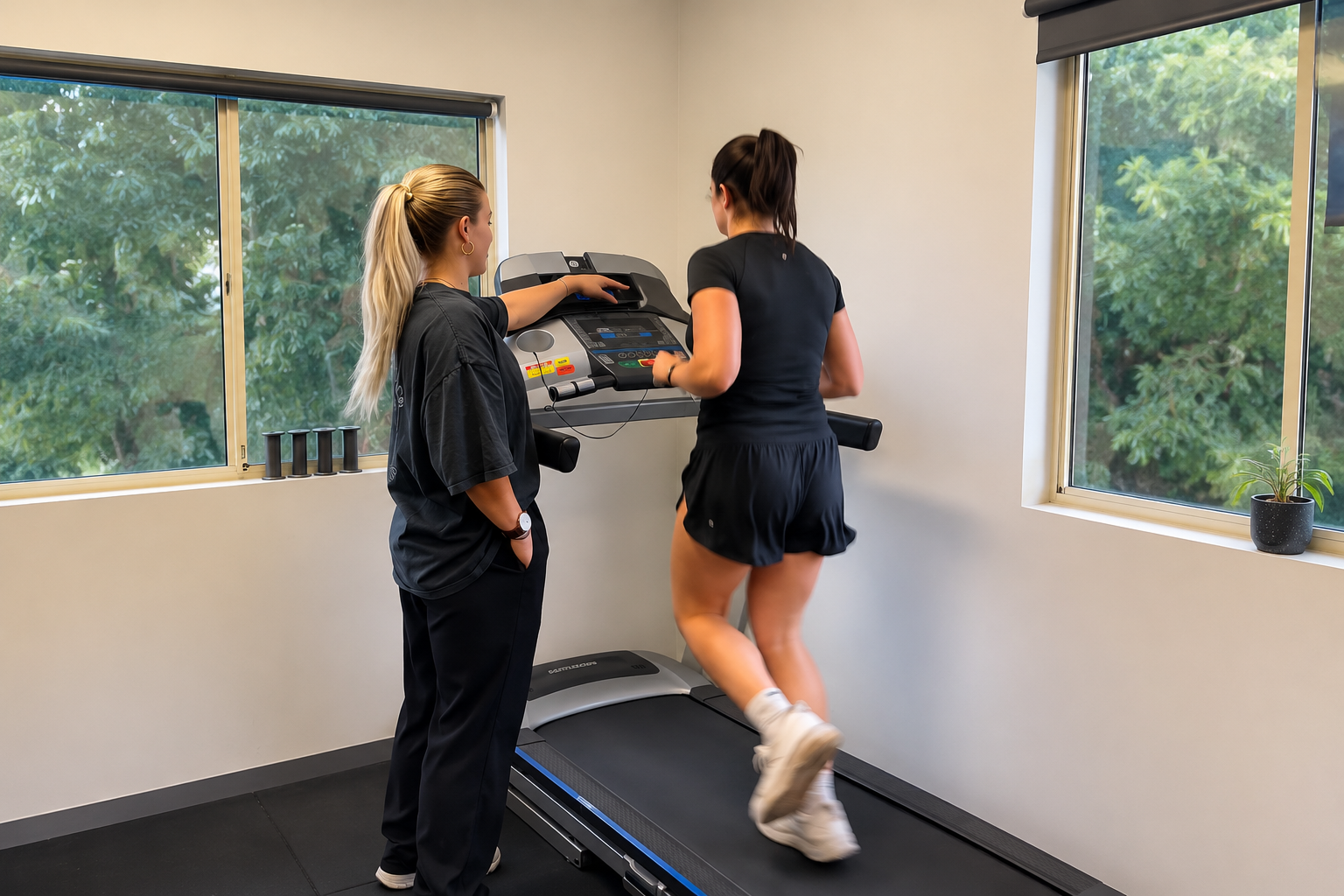
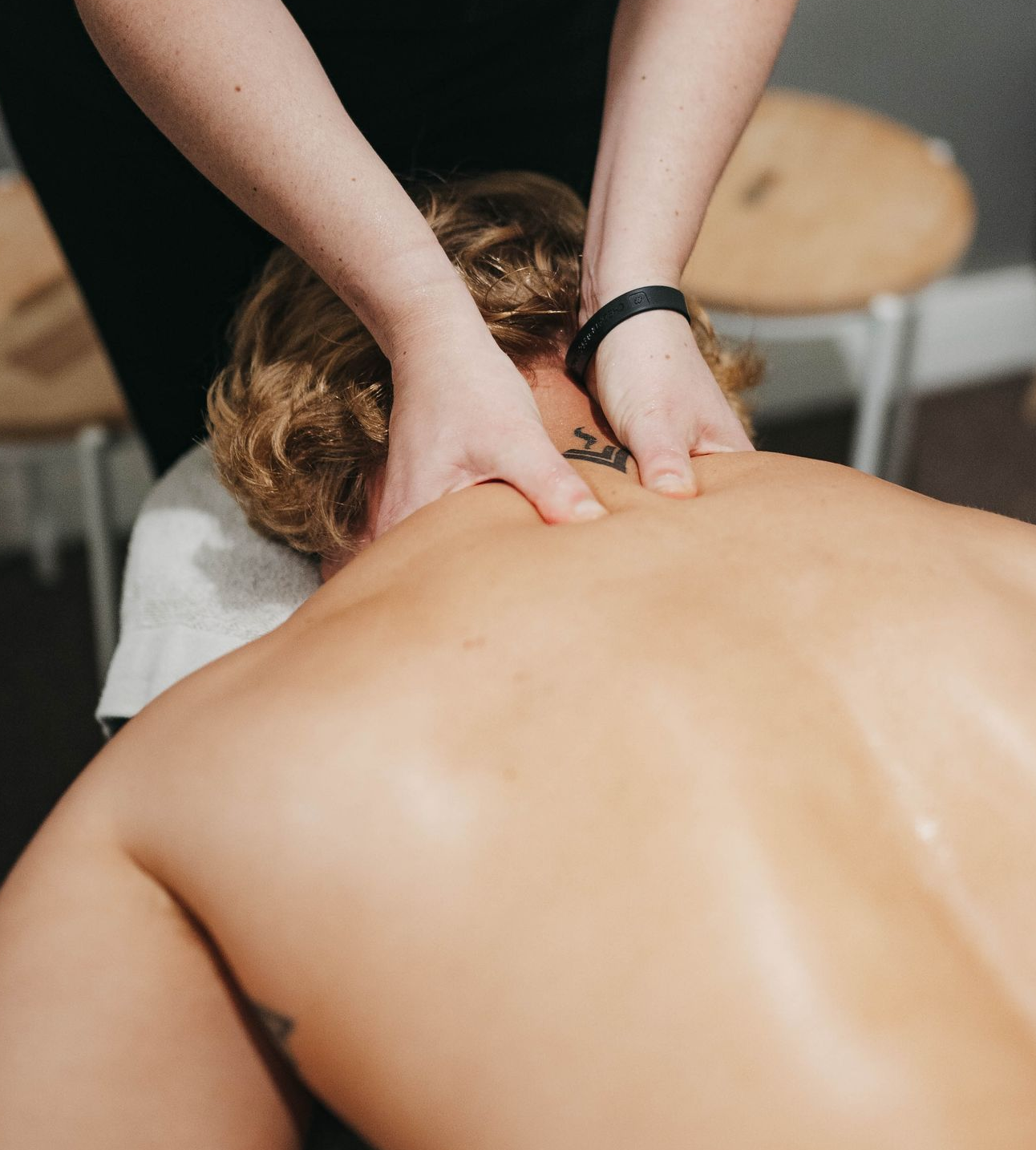
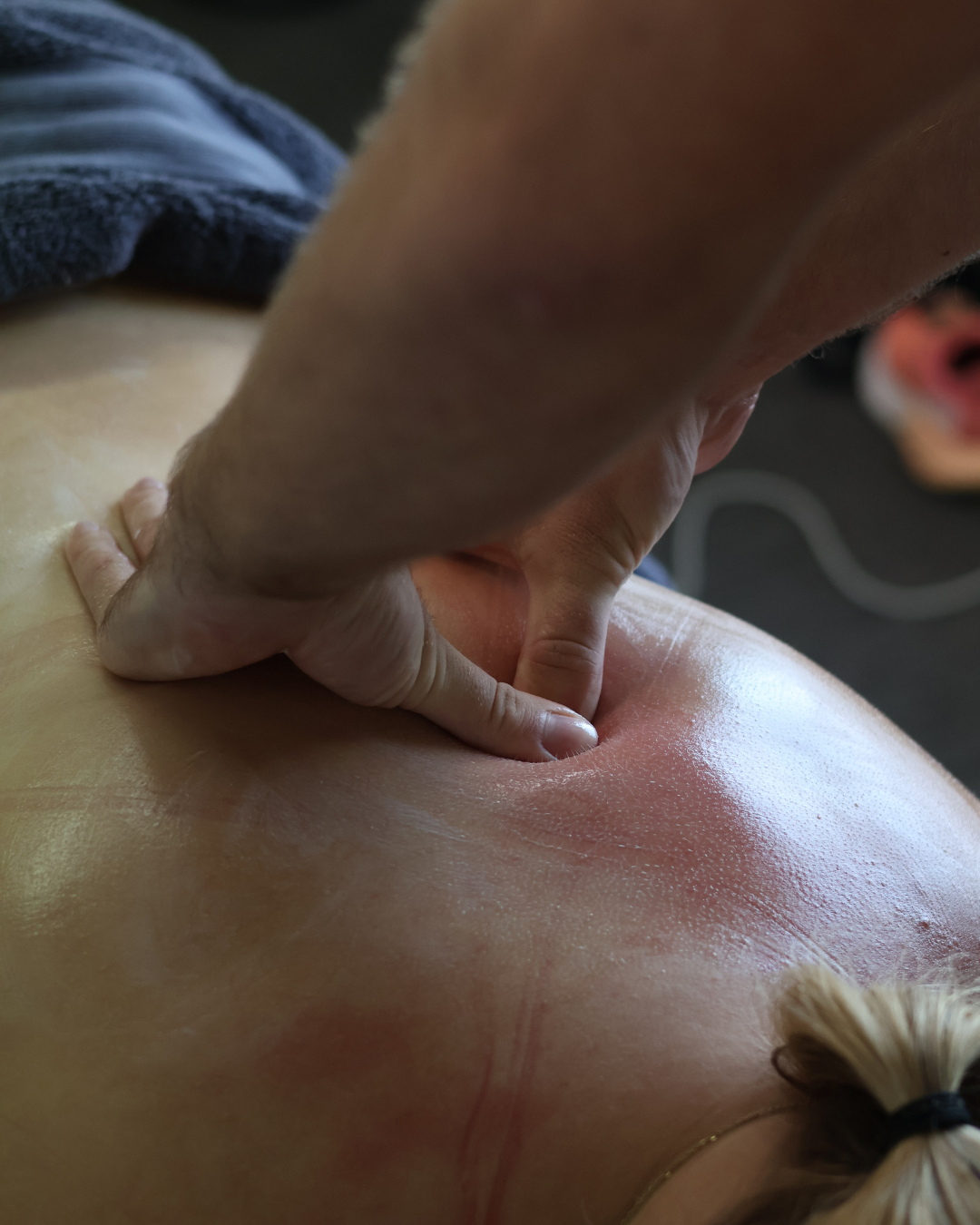
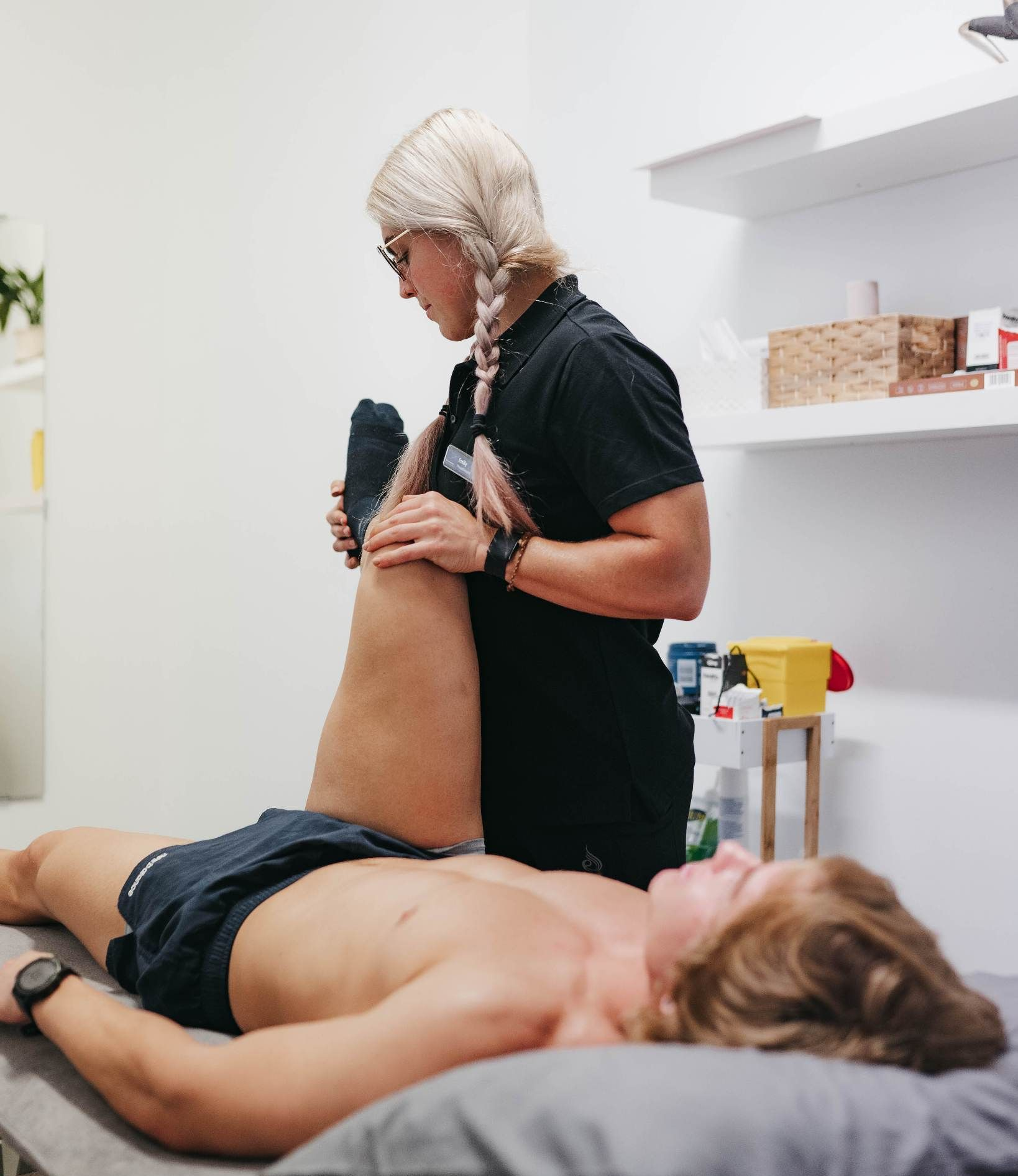
Manual therapy, soft tissue work and dry needling can settle pain and improve movement quality in the early stages — creating the window needed to begin rehabilitation. This isn't the end goal, but reducing pain to a manageable level makes the rehabilitation process more effective and accessible.
- Progressive loading — the cornerstone of recovery
Targeted strengthening exercises that gradually reintroduce stress to the injured tissue, rebuild capacity and address the strength deficits that contributed to the injury in the first place. The key principle is progression — not too much too soon, but enough stimulus to drive adaptation.
For tendon injuries this might mean isometric loading initially, progressing to isotonic strengthening, then heavier loading and eventually sport-specific demands. For joint injuries it might mean range of motion work progressing to stability exercises and then functional loading. The specific program depends entirely on the injury and the individual.
- Load management — finding the middle ground
Complete rest is rarely necessary or helpful. But neither is pushing through pain. The clinical skill is finding the level of activity that the injury can tolerate while rehabilitation progresses — what can be continued, what needs to be modified and how to gradually build back up without triggering flare-ups.
- Addressing contributing factors
Rehabilitation that only treats the site of pain without identifying why the injury occurred is incomplete. Movement patterns and technique, training load history, strength imbalances, workplace demands and lifestyle factors all contribute to injury development and need to be addressed to reduce the risk of recurrence.
The Goal Is Capacity, Not Just Pain Relief
This is the most important reframe for understanding why rest alone isn't enough.
Pain relief is a necessary step in recovery — but it is not the destination. The destination is building the body's capacity to handle the demands being placed on it without breaking down.
An Achilles tendon that no longer hurts but has the same load tolerance as when it was injured will fail again as soon as training resumes. A shoulder that is pain-free but has the same rotator cuff weakness that allowed impingement to develop will become symptomatic again under load.
The goal of rehabilitation is not to rest until pain goes away. It is to systematically build the tissue's capacity — strength, load tolerance, movement quality, neuromuscular control — to a level that matches or exceeds the demands of your daily life and activity.
If you've been stuck in the rest and flare-up cycle and are ready to actually address what's driving the problem, book online or call us on (08) 7123 4148. This is exactly what we do every day — and there's almost always a way through it.