What Are Corticosteroids?
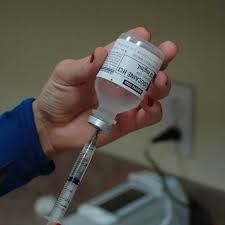
Corticosteroids are synthetic medications that closely mimic cortisol, a hormone naturally produced by the adrenal glands. When injected directly into an affected area — a joint, bursa, or tendon — they work to reduce inflammation, suppress the local immune response, and relieve pain.
They are not the same as anabolic steroids used in sport. Corticosteroids are anti-inflammatory medications used in legitimate medical management.
When Are They Used?
Corticosteroid injections are commonly considered for:
- Osteoarthritis — particularly of the knee, hip or shoulder, where joint inflammation is contributing to pain
- Tendinopathies — such as lateral elbow tendinopathy (tennis elbow) or rotator cuff related shoulder pain, particularly when conservative management has plateaued
- Bursitis — inflammation of the fluid-filled sacs that cushion joints, such as hip bursitis or shoulder bursitis
- Other inflammatory conditions — including carpal tunnel syndrome and certain soft tissue disorders
They are generally considered when pain is significant, when it's limiting your ability to participate in rehabilitation, or when a period of conservative management hasn't produced enough improvement.
The Benefits
The main advantage of a corticosteroid injection is speed. Most people notice a meaningful reduction in pain and inflammation within a few days, which can be genuinely useful when:
- Pain levels are making rehabilitation exercises too difficult to perform properly
- Significant inflammation is slowing healing
- You need to maintain function at work or in daily life while recovering
When used strategically alongside a structured rehabilitation program, a corticosteroid injection can create a window of opportunity — pain settles enough to allow meaningful exercise and strengthening, which addresses the underlying cause of the problem.
The Risks and Limitations
Corticosteroid injections are a useful tool, but they come with important caveats worth understanding before deciding:
- They don't fix the underlying problem. An injection reduces inflammation and pain — it doesn't address the weakness, movement dysfunction, or loading issues that caused the problem in the first place. Without rehabilitation alongside or after the injection, symptoms often return.
- The duration of relief varies significantly. Some people experience relief for months. Others feel little to no benefit. This variability can be frustrating and is worth factoring into your expectations.
- They're limited in frequency. To minimise side effects, injections are typically limited to three or four per year in any one area. Overuse can lead to tissue weakening and joint damage over time.
- Side effects exist. Common short-term effects include temporary pain at the injection site and some localised bruising. Longer-term or repeated use can contribute to tendon weakening, cartilage changes, and in some cases systemic effects including impacts on blood sugar and bone density.
- Tendon caution. Repeated corticosteroid injections into or near tendons (such as the Achilles or patellar tendon) can increase the risk of tendon rupture. This is an important consideration for tendinopathy management specifically.
How We Approach This at Active Balance
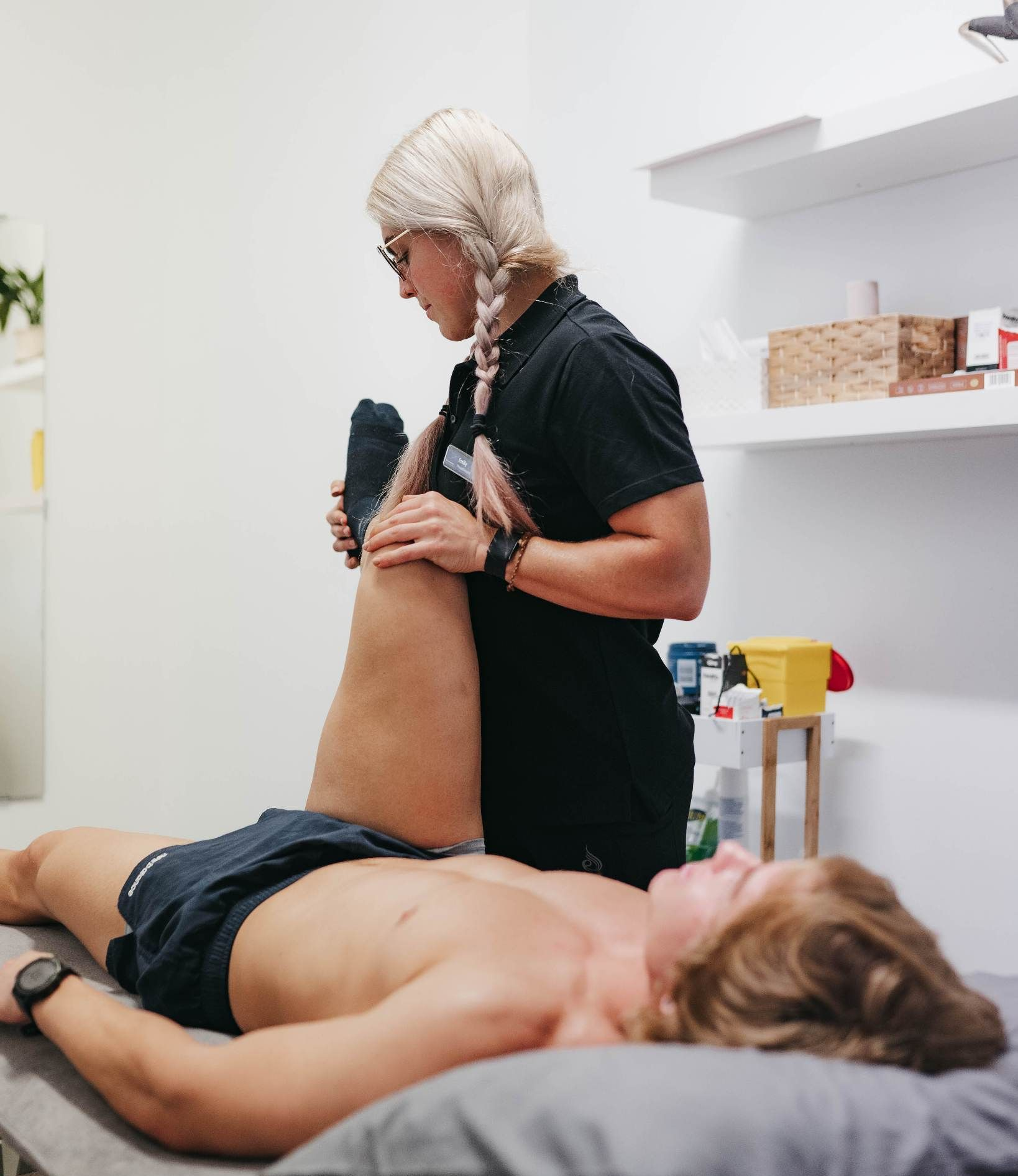
As physiotherapists, we don't administer corticosteroid injections — that's done by your GP or a specialist. But we play an important role in helping you decide whether one is appropriate, and in making sure you get the most out of it if you proceed.
Our typical approach:
1. Thorough assessment first We assess your condition, pain levels, functional limitations and response to treatment. In most cases we work through a period of conservative physiotherapy management first to see how much improvement is achievable without an injection.
2. Honest conversation If progress has plateaued and we think an injection might help create the window needed for rehabilitation to be more effective, we'll discuss that with you and refer to your GP with a clear clinical rationale.
3. Post-injection rehabilitation This is the critical part that's often skipped. The injection settles symptoms — but the rehabilitation that follows is what produces lasting results. We'll have a structured plan ready to go so you can make the most of the pain-free window the injection provides.
4. Ongoing monitoring We track your response and adjust the plan based on how you're progressing. The injection is one piece of the puzzle, not the whole strategy.
Should You Get One?
Ultimately that's a decision for you, your GP and your allied health team together. Corticosteroid injections can be genuinely valuable in the right situation — particularly for significant, persistent inflammation that's limiting your ability to rehabilitate effectively.
But they work best as part of a broader plan, not as a standalone fix. The research consistently shows that injections combined with structured rehabilitation produce better long-term outcomes than injections alone.
If you're dealing with a persistent injury and wondering whether a corticosteroid injection might be appropriate for your situation,
book an assessment with our team or call us on (08) 7123 4148. We're happy to talk it through with you and help you understand your options.