Why Running Injuries Happen
Before we look at apps specifically, it helps to understand why runners get injured in the first place.
Your bones, tendons, muscles and ligaments adapt to load over time — but they need adequate time and recovery to do so. When training load increases faster than your tissues can adapt, the result is injury. It's not complicated in principle, but it's surprisingly easy to get wrong in practice.
The most common triggers we see in clinic are:
- Increasing mileage or intensity too quickly — jumping from 20km to 35km per week over a fortnight might feel manageable cardiovascularly, but your tendons and bones are adapting on a much slower timeline
- Insufficient recovery — rest days aren't optional extras, they're when adaptation actually happens. Without them, micro-damage accumulates faster than it can repair
- Ignoring early warning signs — pain is your body's early warning system, not something to push through. Apps can't feel what you feel
- Neglecting strength work — runners who only run, without complementary strength training, are significantly more vulnerable to tendon and bone stress injuries
What AI Apps Can and Can't Do
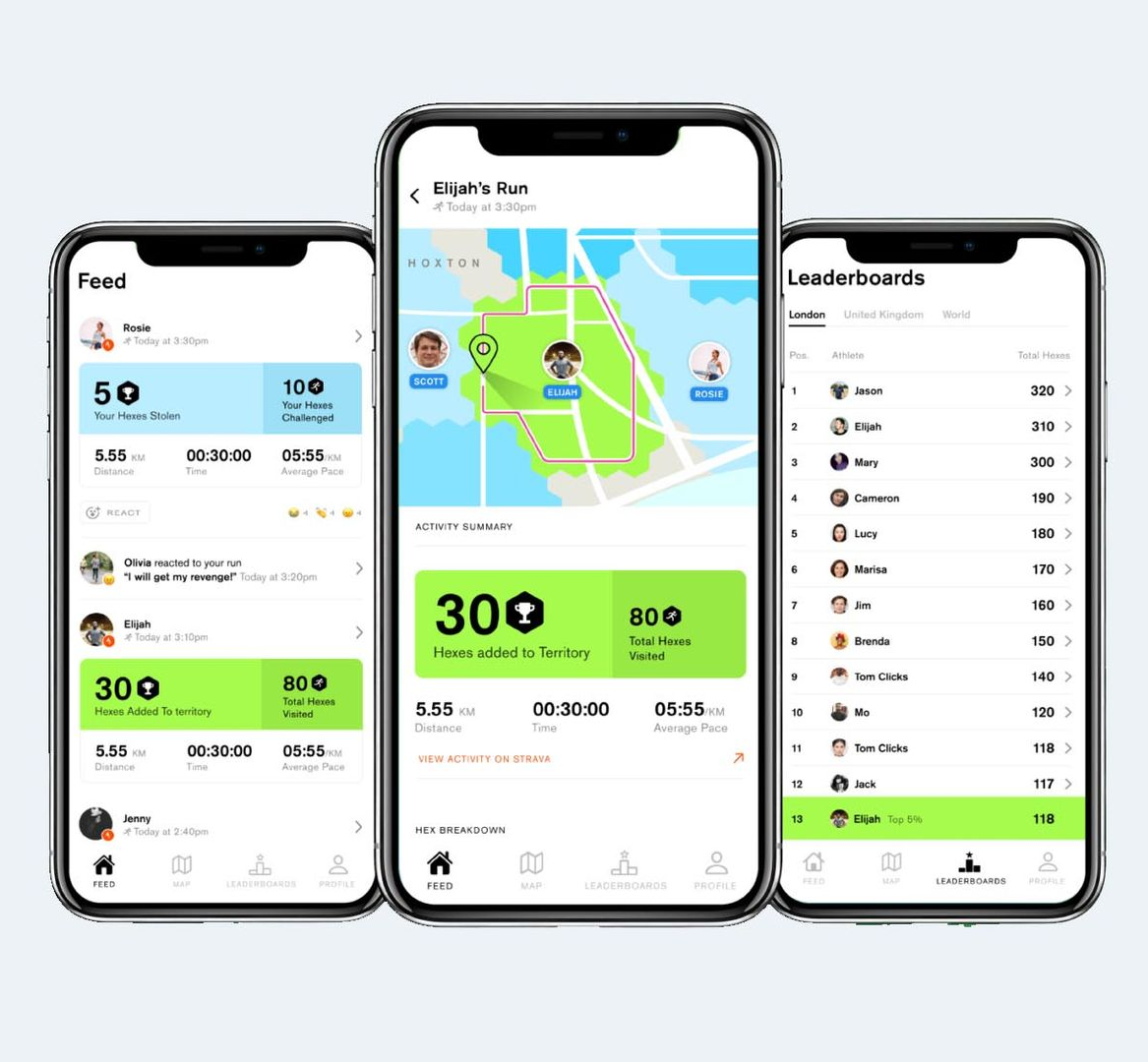
AI running apps have genuine strengths. They're convenient, motivating, increasingly sophisticated, and for many runners they provide structure that simply didn't exist before. That's genuinely valuable.
But there are things no app can currently account for, no matter how good the algorithm...
What apps don't know about you:
- Your injury history — that Achilles niggle from six months ago, the stress fracture two years back
- Your biomechanics — how your foot strikes, your hip drop, your cadence and how these interact with your injury risk
- Your running shoes — whether they're appropriate for your gait and worn to the point of needing replacement
- The surface you run on — road, trail, track and treadmill all load your body quite differently
- Your lifestyle context — sleep quality, stress levels, nutrition, how physically demanding your job is
- Current niggles — that tightness in your calf that's been there for a week
These factors matter enormously when it comes to injury risk. A training plan that looks perfectly progressive on paper can be a recipe for injury if the person following it is sleeping poorly, works on their feet all day, and hasn't done a strength session in months.
How to Use AI Running Apps More Safely
None of this means you should delete your running app. Used well, they can genuinely support your training. Here's how to get the most out of them while keeping your injury risk low:
- Treat the plan as a guide, not a rulebook. The app doesn't know how you feel today. If you're fatigued, sore, or something feels off — adjust. A missed session or reduced session is far less costly than six weeks on the sideline with a stress fracture.
- Respect the 10% rule. As a general principle, avoid increasing your weekly mileage by more than 10% from one week to the next. It's a conservative rule of thumb but it exists for good reason — tendons and bones adapt more slowly than your cardiovascular system.
- Prioritise recovery as much as training. Rest days, sleep and nutrition aren't soft add-ons to your program — they're when adaptation actually occurs. An app that pushes you to train every day without adequate recovery is not working in your best interests.
- Add strength training. Calves, glutes, hip abductors and core all play a role in protecting your joints and tendons when you run. Two strength sessions per week alongside your running program significantly reduces injury risk and improves performance over time.
- Pay attention to pain. There's a difference between normal training fatigue and pain that's telling you something is wrong. Persistent localised pain — especially over a tendon or bone — warrants a rest day and, if it continues, a professional assessment. Don't let an app tell you to push through.
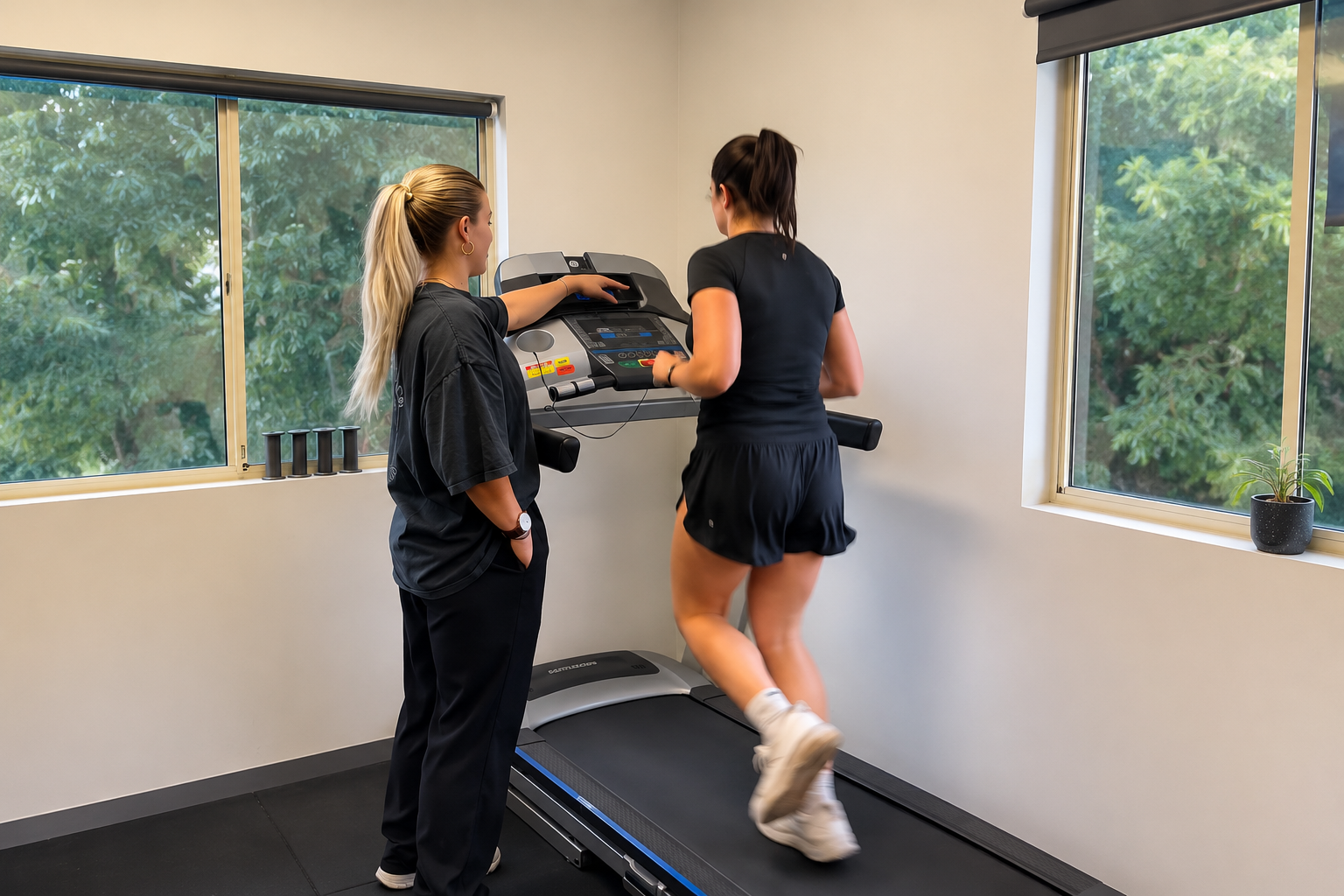
- Know when to get professional input. If you're returning from injury, building toward your first marathon, dealing with a recurring issue, or just not sure whether your training is appropriate for your body — a physio or running coach can give you something no app can: genuinely individualised advice based on your specific body, history and goals.
The Bottom Line
AI running apps are exciting tools and they're only going to get more sophisticated. Used sensibly, they can provide structure, motivation and useful data that helps you train consistently. But, they are not a replacement for understanding your own body, respecting the principles of load management, or seeking professional guidance when something isn't right. The runners who stay injury-free long term are the ones who combine smart training tools with body awareness, adequate recovery, and a willingness to ask for help when they need it.
If you're dealing with a running injury, concerned about your training load, or want a running assessment to identify your injury risk before it becomes a problem — we'd love to help.
Book online or call us on (08) 7123 4148.