
Understanding stress fractures
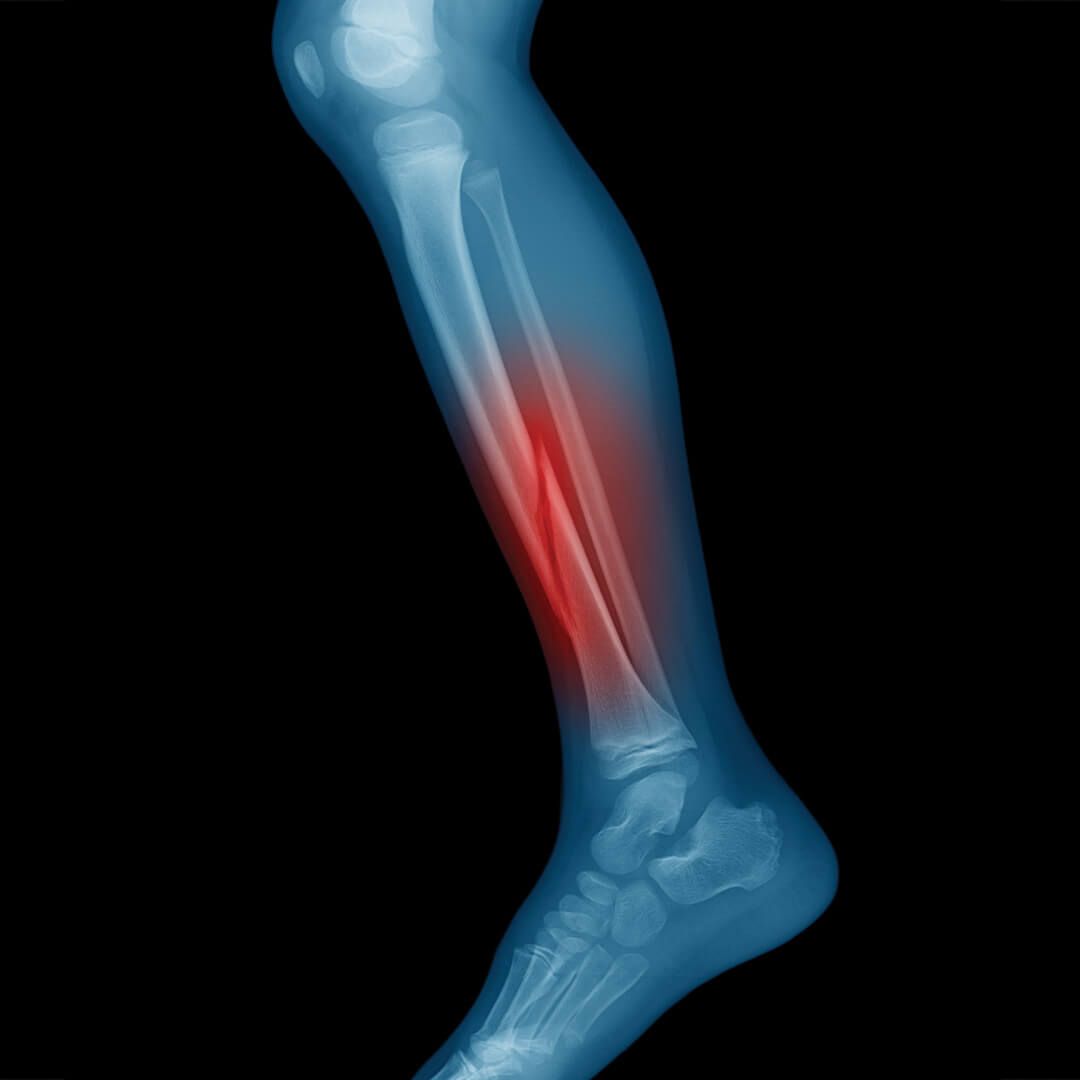
Unfortunately, we are seeing an increase in stress fracture presentations at the moment, particularly in young females, which seems to be linked to the growing popularity of endurance sports such as Hyrox, long-distance running, and other high-volume training programs.
What are stress fractures?
Stress fractures are tiny cracks in the bone, often caused by repetitive force rather than a single traumatic event. They are common in athletes, active individuals, and even people who suddenly increase their activity levels. Understanding why they occur, the risk factors, and how to prevent them is key to keeping your bones strong and staying active safely.
Why Stress Fractures Occur
Unlike acute fractures caused by sudden trauma, stress fractures develop over time. They happen when the load on a bone exceeds its ability to repair and adapt. Every time we run, jump, or engage in high-impact activity, our bones experience tiny amounts of stress. Normally, bones remodel and strengthen in response. However, if the stress is too frequent or intense without enough recovery, damage can accumulate and eventually result in a stress fracture.
Common sites include:
• Lower leg: tibia (shin), fibula
• Foot: metatarsals
• Hip: femoral neck
• Ankle: talus
Risk Factors
Several factors can increase the risk of developing a stress fracture, but some of the most significant in today’s sports culture include:
1. Training and activity-related factors
• Rapid increases in training volume or intensity, such as going from running 5km to a full marathon in 3 months
• Repetitive high-impact activities (running, jumping, dance, military training, endurance sports)
• Overtraining or poor load management, without enough rest and recovery
• Poor footwear or inappropriate training surfaces
2. Physiological and health-related factors
• Underfueling or inadequate nutrition, leading to low energy availability & deficiencies
• Low bone density (osteopenia or osteoporosis)
• Hormonal imbalances (e.g., low estrogen in women, low testosterone in men)
• Nutritional deficiencies (low calcium, vitamin D, or overall energy intake)
• Previous injuries or existing biomechanical issues
3. Biomechanical factors
• Abnormal gait or foot alignment
• Muscle weakness leading to poor shock absorption
Important to note:
A huge percentage of stress fractures are preventable with proper load management, realistic training progression, and attention to nutrition. Unrealistic expectations such as trying to increase distance, intensity, or frequency too fast significantly increase the risk.
Signs and Symptoms
Stress fractures typically start with gradual pain at a specific spot that worsens with activity and improves with rest. Other signs include:
• Localised tenderness (you can usually pinpoint it)
• Swelling & heat in the area (not always though)
• Bruising (less common)
• Pain when tapping on the bone
If left untreated, symptoms can worsen and lead to a complete fracture.
Prevention and Load Management
As physios, we recommend a proactive approach to prevent stress fractures. Key strategies include:
1. Gradual progression
• Increase training volume, intensity, or impact gradually (e.g., no more than 10% per week).
• Incorporate rest days to allow bones to adapt.
2. Strength and conditioning
• Build lower limb and trunk strength to improve shock absorption.
• Focus on hip, glute, calf, and foot muscles.
3. Biomechanical assessment
• Correct muscle imbalances, poor gait patterns, or foot mechanics with physio exercises, orthotics, or footwear adjustments.
4. Nutrition and bone health
• Ensure adequate calcium and vitamin D intake.
• Maintain sufficient overall energy intake (including fats and carbohydrates), especially for athletes in high-volume training.
5. Cross-training
• Reduce repetitive impact by alternating running with cycling, swimming, or resistance training.
6. Early recognition
• Don’t ignore persistent pain during activity. Early detection and modified activity can prevent progression.
Load Management in Practice
Load management is crucial for both preventing and recovering from stress fractures:
• Acute phase: Reduce or stop the activity causing pain. Use low-impact alternatives.
• Recovery phase: Gradually reintroduce weight-bearing activity under a structured program.
• Maintenance phase: Focus on strength, conditioning, and gradual increases in training load.
Our physios can design a tailored program to help manage load, correct biomechanics, and safely guide return to sport or activity.
Bottom Line:
Stress fractures are generally preventable with proper training, nutrition, and attention to biomechanics. With the rise of endurance sports, we’re seeing more cases, particularly in young females. Unrealistic training goals, underfueling, and overtraining are major risk factors. Listening to your body and managing your load wisely is the best way to stay active without setbacks.
If you experience persistent pain or suspect a stress fracture, early assessment by one of our physios can help prevent further injury and ensure a safe return to activity.

Is Deadlifting Bad for My Back? Why No Movement Is "Dangerous"

Why Your Back Pain Probably Isn't Your "Weak Core"

Vertigo: Causes, Home Care, and Treatment Options

What's Actually Involved in a Running Assessment (It's More Than Watching You Jog)

Weekly, monthly, or somewhere in between? Here's how to know how often remedial massage actually helps, and what changes your quality of life.

Tradies carry the physical load of the job. This Tradies National Health Month, find out how physio can help you keep working pain-free.

When most people think about improving their sport or getting back from an injury, they think about the gym, the physio room, or the training track. Food rarely gets the same attention, but what you eat has a direct impact on how well you recover, how resilient your body is to injury, and how you perform when it counts

It's becoming more common for people to research their pain or injury using AI chatbots before they ever see a physiotherapist. But there's an important difference between researching a topic and getting an actual clinical assessment.