
Physiotherapy for Hip Bursitis: Relieving Pain and Restoring Movement
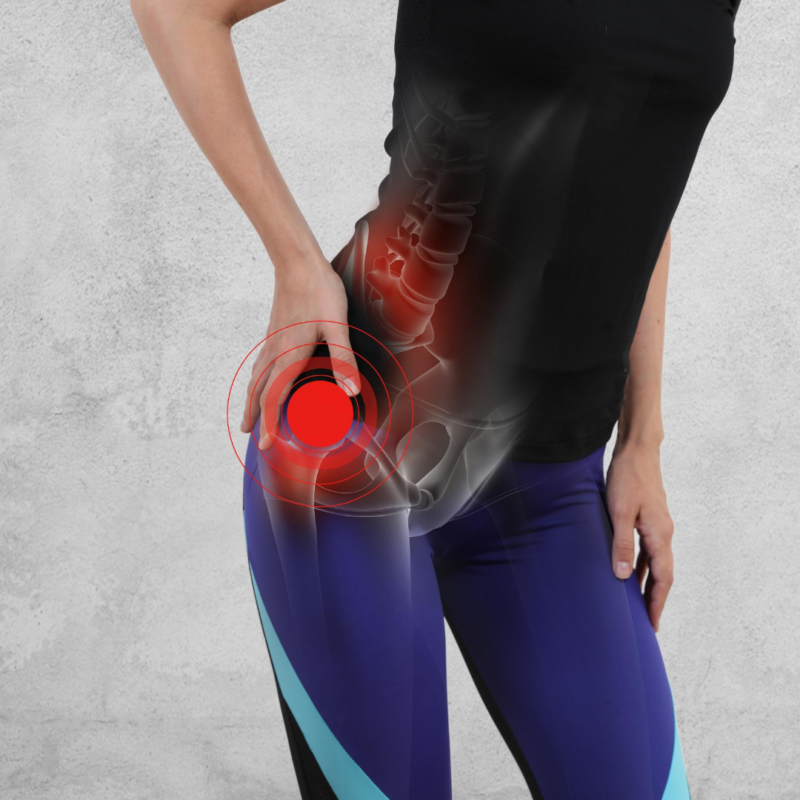
If you’ve ever experienced a sharp, aching pain on the outside of your hip, especially when lying on your side or after a long walk, you may be dealing with a condition called hip bursitis. Also known as greater trochanteric pain syndrome (GTPS), this condition can be frustrating and disruptive, but with the right management, recovery is very achievable.
Physio can offer safe, effective strategies to reduce pain, restore strength, and get you back to moving comfortably.
What is Hip Bursitis?
Your hip has small fluid-filled sacs called bursae that sit between tendons, muscles, and bones to reduce friction. The main one affected in hip bursitis is the trochanteric bursa, located on the outer side of your hip.
When this bursa or the surrounding tendons (like the gluteal tendons) become irritated, inflamed, or overloaded, pain develops. This is why many practitioners now use the broader term greater trochanteric pain syndrome, since the problem often involves both the bursa and the nearby tendons.
Common Symptoms
• Pain over the outer hip, sometimes radiating down the thigh
• Tenderness when pressing on the bony point of the hip (greater trochanter)
• Pain lying on the affected side, especially at night
• Discomfort with walking, climbing stairs, or prolonged standing
• Stiffness after sitting for long periods
What Causes Hip Bursitis?
Hip bursitis often occurs due to overload or irritation rather than a single traumatic event. Contributing factors can include:
• Weakness or imbalance in the hip and gluteal muscles
• Tightness/tension in the iliotibial band (ITB) or surrounding muscles
• Repetitive movements like running, walking long distances, or stair climbing
• Postural habits (e.g., crossing legs, standing with weight on one side)
• Biomechanical factors like leg length differences or altered gait patterns
It’s more common in women, particularly between ages 40–60, but can affect anyone.
How Physiotherapy Can Help
When you see one of our physios, the first step is a comprehensive assessment. We’ll look at your history, daily activities, posture, muscle strength, and movement patterns. This allows us to put together a tailored plan that addresses not just the pain, but also the underlying cause.
Hands-On Treatments for Pain Relief
In the early stages, our goal is to calm down irritation and reduce pain. We may use:
• Soft tissue release or massage for tight muscles around the hip and thigh to help relive pressure on the affected structures
• Myofascial release or cupping to ease tension and improve flexibility
• Trigger point therapy or dry needling for overactive glute/TFL muscles & ITB.
• Electrotherapy to help with pain relief and muscle activation
These treatments help settle discomfort so you can move & feel better, but the real long-term fix comes from targeted exercise.
Exercise Rehabilitation
Research shows that progressive strengthening of the hip and gluteal muscles is the most effective treatment for hip bursitis. Your physio will guide you through a program that may include:
• Isometric exercises for early pain management (e.g., static glute contractions)
• Glute strengthening (bridges, resistance band walks, deadlifts, hip thrusts etc)
• Hip stabilisation work to improve control during walking and running
• Functional strengthening (squats, step-ups, single-leg work) to restore load tolerance
Over time, we’ll progress your exercises to restore full strength and reduce the risk of recurrence.
Education and Lifestyle Advice
We’ll also talk through simple changes that make a big difference, such as:
• Avoiding sleeping directly on the sore hip until it settles (a pillow between the knees can help)
• Reducing prolonged standing or sitting with legs crossed
• Adjusting training loads to prevent flare-ups
• Choosing supportive footwear to improve biomechanics
What the Evidence Says
• Exercise is key: Research strongly supports targeted hip strengthening as the most effective long-term treatment for hip bursitis/GTPS.
• Manual therapy helps short term: Soft tissue techniques, needling, and cupping can reduce pain, but work best when paired with strengthening. Basically, it can give us a window of opportunity – where symptoms are reduced so strengthening and rehab exercises can be done with less discomfort & pain.
• Corticosteroid injections may help in acute or stubborn cases, but are less effective long-term compared to physiotherapy-led exercise programs.
• Surgery is rarely required and only considered if conservative management fails.
A systematic review in the British Journal of Sports Medicine highlights that exercise programs provide superior long-term outcomes compared with injections alone.
A Partner in Your Recovery
Hip bursitis can be stubborn, especially if it’s been hanging around for months. We will take the time to understand your unique situation, reduce your pain, and build a tailored strengthening and lifestyle plan to get you moving freely again.
We’ll be with you every step of the way — from early pain relief to regaining strength, confidence, and independence in your daily activities.
Key Takeaways
• Hip bursitis (or greater trochanteric pain syndrome) causes outer hip pain, especially when lying on your side, walking, or climbing stairs.
• Physiotherapy can help with pain relief, targeted strengthening, and practical advice for daily activities.
• Research shows that exercise-based rehab is the most effective long-term solution.
• With the right plan, most people can return to normal activities without ongoing pain.
If you’ve been struggling with hip pain, book a time with our physios to get you back on track & feeling great!
Is Deadlifting Bad for My Back? Why No Movement Is "Dangerous"
Why Your Back Pain Probably Isn't Your "Weak Core"

Vertigo: Causes, Home Care, and Treatment Options
What's Actually Involved in a Running Assessment (It's More Than Watching You Jog)
Weekly, monthly, or somewhere in between? Here's how to know how often remedial massage actually helps, and what changes your quality of life.
Tradies carry the physical load of the job. This Tradies National Health Month, find out how physio can help you keep working pain-free.

When most people think about improving their sport or getting back from an injury, they think about the gym, the physio room, or the training track. Food rarely gets the same attention, but what you eat has a direct impact on how well you recover, how resilient your body is to injury, and how you perform when it counts

It's becoming more common for people to research their pain or injury using AI chatbots before they ever see a physiotherapist. But there's an important difference between researching a topic and getting an actual clinical assessment.