
Frozen Shoulder Treatment
Struggling to lift your arm, reach behind your back or sleep comfortably because of shoulder pain and stiffness? Frozen shoulder can be frustrating, painful and slow to improve without the right guidance.
Our experienced team can help reduce pain, improve movement and support your recovery with a personalised treatment plan.
Frozen Shoulder Treatment Adelaide | Frozen Shoulder Physio St Marys
Frozen Shoulder Treatment in Adelaide
What Is Frozen Shoulder?
Frozen shoulder, also known as adhesive capsulitis, is a condition involving pain and progressive stiffness of the shoulder joint capsule. It can significantly limit movement and make everyday tasks difficult.
Frozen shoulder often develops gradually and typically progresses through stages:
- Freezing stage – increasing pain and stiffness
- Frozen stage – stiffness is prominent, pain may ease somewhat
- Thawing stage – gradual return of movement
Recovery can take time, but the right treatment can make a meaningful difference.
Common Symptoms of Frozen Shoulder
You may notice:
- Pain lifting the arm
- Difficulty reaching overhead
- Trouble reaching behind your back
- Pain putting on clothing
- Pain sleeping on the affected side
- Stiffness in multiple directions
- Difficulty washing hair
- Trouble fastening bra or belt
- Sharp pain at end range movement
- Reduced use of the arm
What Can Contribute to Frozen Shoulder?
Frozen shoulder can occur without a clear cause, but is more common with:
- Previous shoulder injury
- Periods of immobilisation
- Diabetes
- Thyroid conditions
- Age 40–65 years
- Perimenopause and menopause-related hormonal changes
- Previous shoulder surgery
- Reduced shoulder movement due to pain
Frozen shoulder is particularly common in women during midlife, and hormonal changes around perimenopause or menopause may be one contributing factor.
A proper assessment helps confirm the diagnosis and guide treatment.
Possible Causes of Shoulder Stiffness
Shoulder stiffness may relate to:
- Frozen shoulder
- Rotator cuff pain with guarding
- Shoulder bursitis
- Arthritis
- Post-surgical stiffness
- Previous fracture or trauma
- Neck-related protective movement restriction
An assessment can help determine the most likely cause and best treatment pathway.
How Physiotherapy Can Help Frozen Shoulder
Our physiotherapists combine hands-on treatment with targeted rehabilitation to help reduce pain, restore movement and support recovery through each stage.
While there is limited evidence that physiotherapy or any other treatment can simply “fix” frozen shoulder, we do know that the right management can help:
- Ease pain and day-to-day symptoms
- Maintain movement as much as possible
- Improve comfort sleeping and dressing
- Support shoulder function during each stage
- Reduce stiffness-related compensation patterns
- Potentially shorten how long the shoulder remains significantly restricted
You won’t simply be handed generic exercises and sent away. Treatment is tailored to the stage of your condition and current irritability.
Where appropriate, treatment may include:
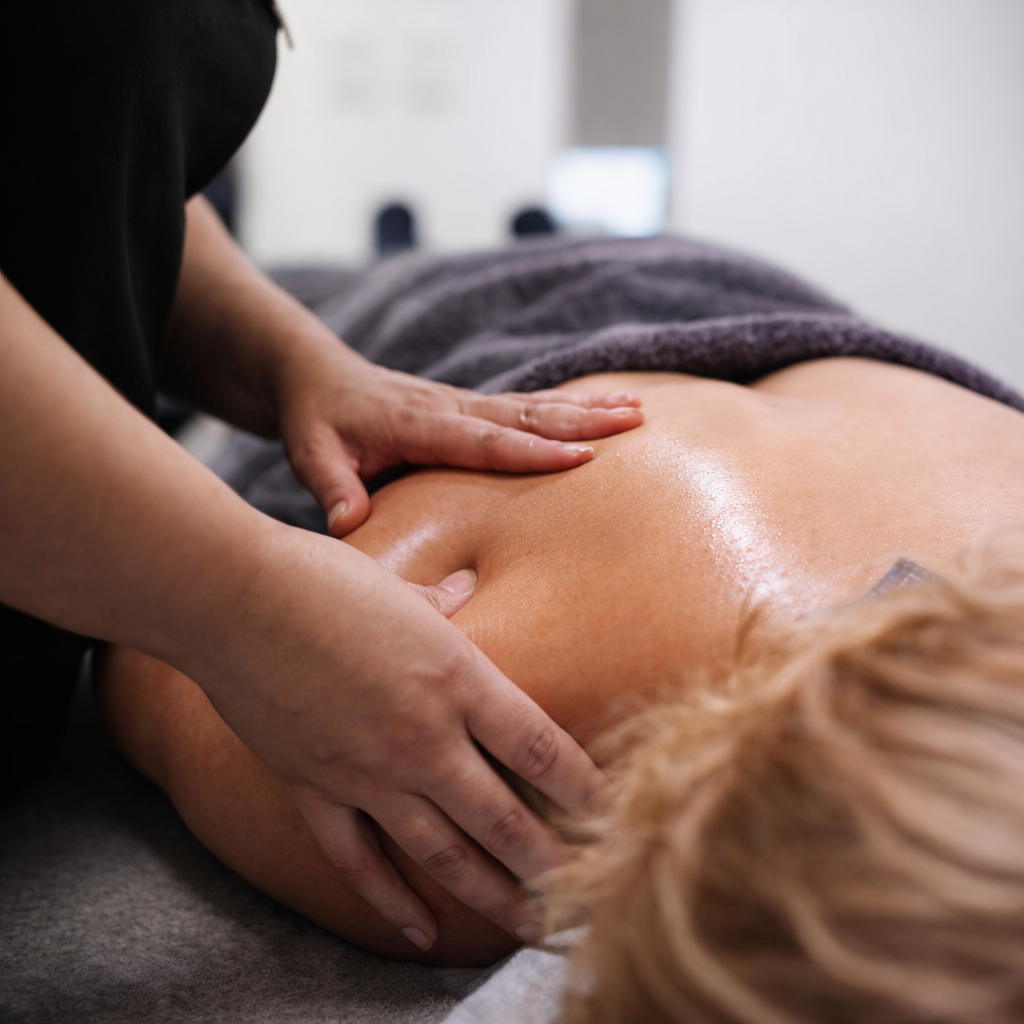
- Hands-on treatment to ease pain and stiffness
- Gentle joint mobilisation
- Soft tissue treatment around the shoulder, neck and upper back
- Techniques to improve arm elevation and reaching
- Advice for sleeping positions and daily tasks
- Pain management strategies
- Guidance on safe movement without over-flaring symptoms
Many people seek treatment because they are struggling with pain lifting the arm, dressing or sleeping comfortably, so early symptom relief can be very valuable.
Feel Better Now. Stay Better Longer.
Frozen shoulder can be slow and frustrating, but you don’t have to simply wait it out alone.
We combine hands-on treatment with personalised rehab to help reduce pain, improve movement and guide your recovery at every stage.
How Strengthening & Rehab Helps
As pain settles and movement improves, rehabilitation becomes increasingly important.
Localised Shoulder Rehab
- Range of motion restoration
- Rotator cuff activation
- Scapular control exercises
- Shoulder endurance training
Broader Upper Body Rehab
- Upper back mobility and strength
- Postural endurance work
- Core and trunk support
- Gradual return to gym, work or sport tasks
- Whole upper body loading tolerance
The goal is not just more movement, but a stronger and more capable shoulder complex.
How Massage & Myotherapy Can Help
Massage and myotherapy may assist by:
- Reducing neck and upper shoulder tension
- Improving upper back mobility
- Easing protective muscle guarding
- Supporting comfort between physio sessions
- Helping surrounding areas compensate less
These services often complement physiotherapy well.
Why Choose Active Balance Physio & Wellness?
Experienced multidisciplinary team
Physio-led integrated care
Physio, massage, myo & rehab under one roof
Individualised treatment plans
Friendly, caring team focused on results
Convenient Adelaide location
After-hours appointments available
Frequently Asked Questions
Does frozen shoulder go away on its own?
Many cases do improve over time, but symptoms can last many months or longer. Treatment may help reduce pain and improve function during recovery.
Is frozen shoulder linked to menopause?
Frozen shoulder is more common during the perimenopausal and menopausal years, and hormonal changes may be one contributing factor.
Can physio fix frozen shoulder?
There is no instant fix, but physiotherapy can often help reduce pain, maintain movement, improve function and support recovery through each stage.
Should I push through pain?
Not usually. Frozen shoulder often responds better to staged, appropriate loading rather than aggressive stretching.
Can massage help frozen shoulder?
Massage may help surrounding muscular tension and comfort as part of a broader treatment plan.
How long does recovery take?
Recovery time varies depending on the stage and severity, but guidance can help you progress more effectively.
When Should I Seek Further Medical Advice?
Seek medical review if you experience:
- Significant trauma before symptoms began
- Sudden severe weakness
- Unexplained swelling
- Fever or feeling unwell
- Severe night pain worsening rapidly
- Symptoms not improving
- Concerns regarding diabetes or other health conditions
✅Private Health Rebates
✅Same Week Appointments
✅Experienced Team
✅Onsite Parking
Ready to Get Your Shoulder Moving Again?
Book with our team today and start a personalised plan to reduce pain, restore movement and build a stronger shoulder.