
Move Well For Life Classes
Joint Pain & Osteoarthritis
Physiotherapist-Led Strength Classes for Joint Health & Osteoarthritis
Build strength. Reduce pain. Keep doing the things you love.
Living with joint pain doesn't mean giving up the things that make life good: 18 holes with your mates, a weekend in the garden, chasing the grandkids around the yard, renovating the house, or just getting through the day without your knees or shoulders on your mind.
The biggest misconception about osteoarthritis is that you should avoid loading the joint. In reality, it's usually the opposite.
Appropriate strength training is one of the most effective things you can do for osteoarthritis and persistent joint pain: stronger muscles around a painful joint mean better support, less pain, and more confidence doing everyday things.
Does Any of This Sound Familiar?
- Your knee's been sore for years...
- You've stopped playing golf because walking the course leaves you limping, or quietly pulled out of social tennis because it's not worth the pain afterwards
- Maybe it's your shoulder - you're asking someone else to lift things onto shelves, or avoiding jobs around the house because you know you'll pay for it.
- Or maybe it's simpler: you don't bounce back the way you used to, stairs aren't as easy, or you don't fully trust your knees getting down onto the ground with the grandkids.
Pain that occurs with osteoarthtis can make us feel weaker, putting more stress on joints and other tissues. That's where we can help!

What Makes This Class Different?
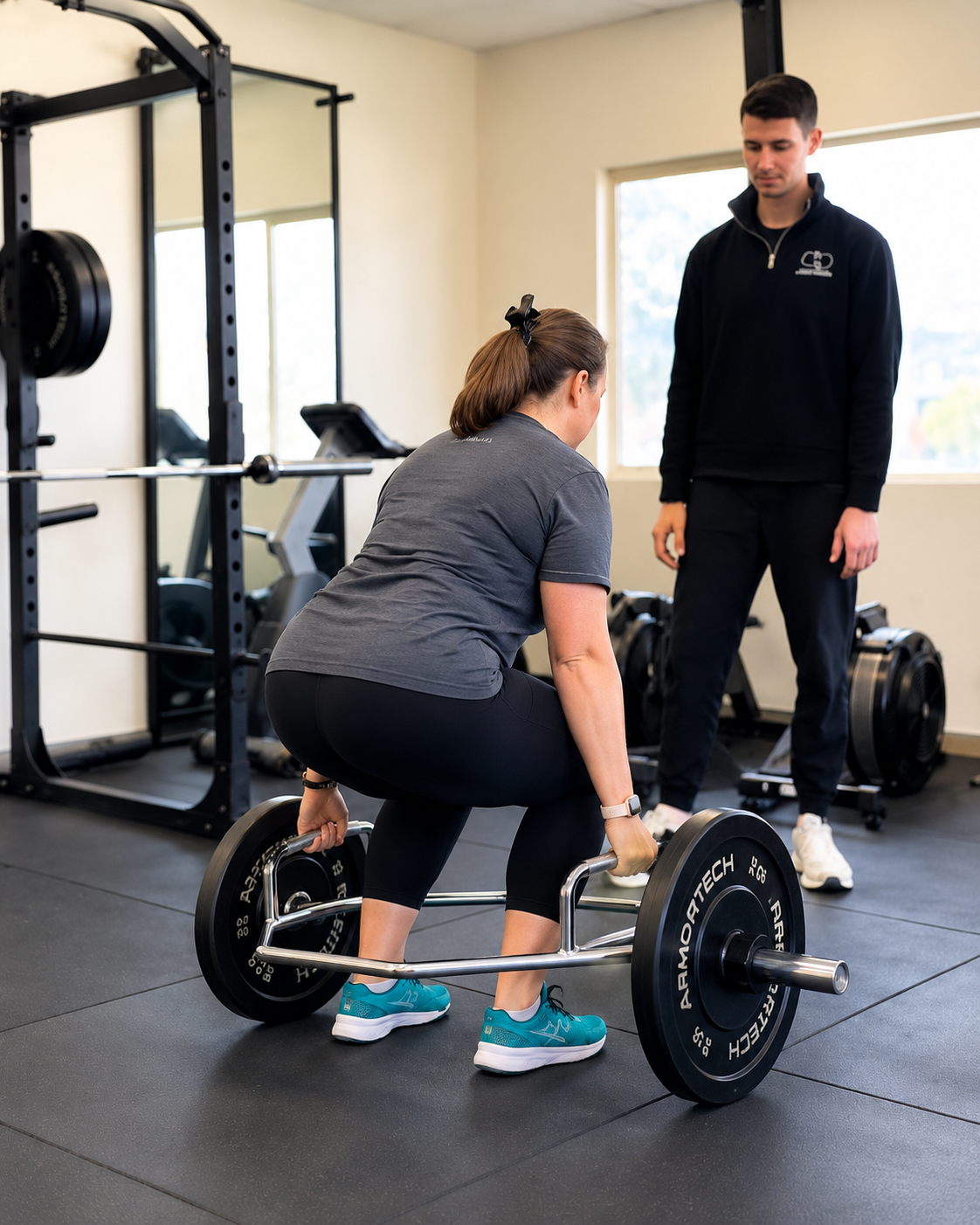
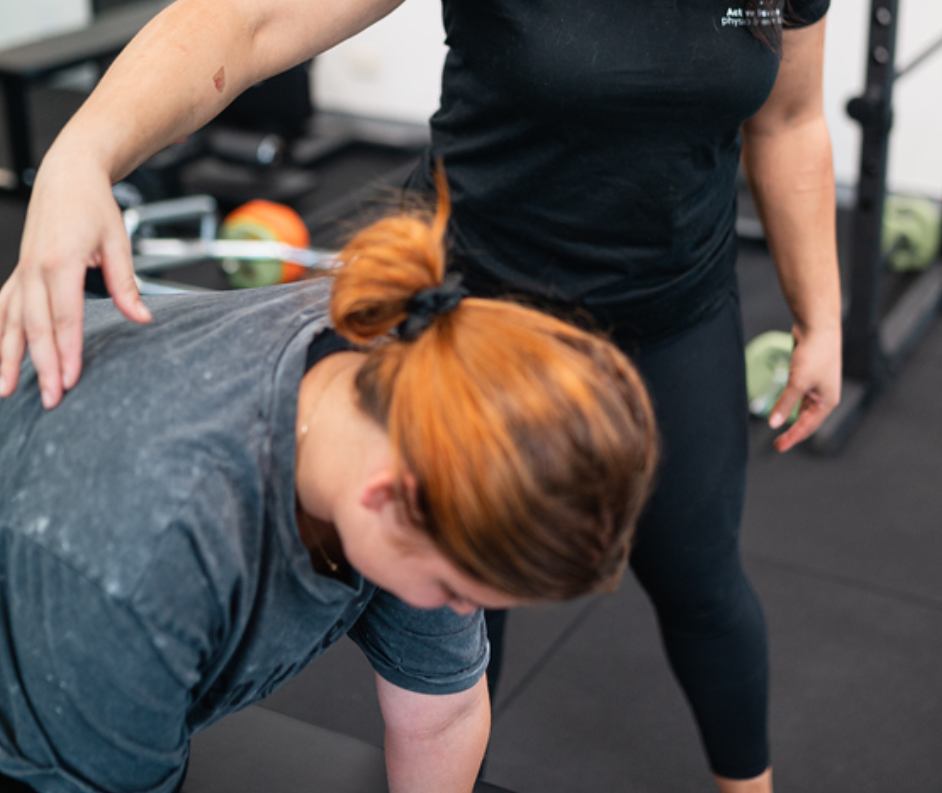
Classes are capped at four people, so your physio is actually coaching, correcting and adapting through the session.
Everyone follows their own program, built around your painful joints, history, current strength, mobility, lifestyle and goals. Whether that's getting back onto the golf course or just walking the dog comfortably. Every class is led by an experienced physio, continually assessing your movement and progressing your program as your strength improves.
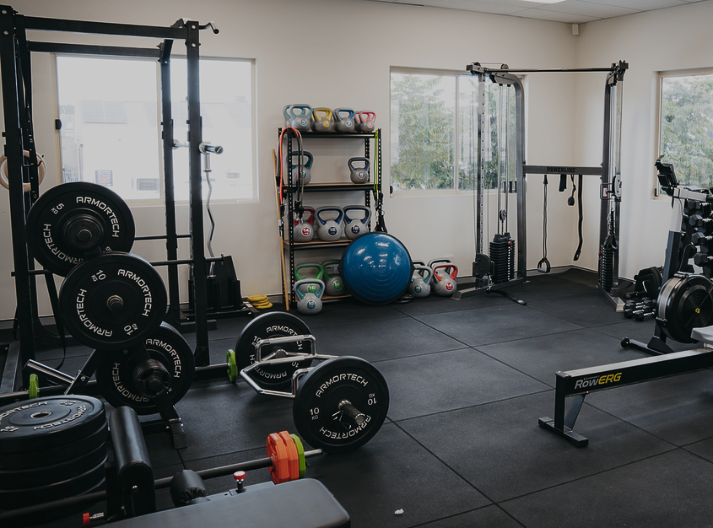
Our rehab gym is fully equipped with barbells, dumbbells, cable machines, kettlebells, functional training equipment and cardio equipment, all adjusted to suit your body & goals.
Is this like the Onero or GLA:D Programs?
Not exactly, but there are many similarities. Onero and GLA:D are both trademarked programs, and clinics need to register and pay licensing fees to use those names. We're not a licensed provider of either, however we do offer strength training that's built on the same underlying research: the LIFTMOR trials on high-intensity resistance and impact training for bone density, and the same principles of patient education and supervised, progressive strength training that GLA:D is based on for managing hip and knee osteoarthritis.
It's delivered as part of our own physiotherapist-led program, tailored to you, rather than either branded course. If you're specifically after one of those registered programs, we're happy to point you in the right direction, otherwise, our classes are built on the same evidence base.
How We Track Your Progress
We measure your baseline across lower and upper body strength, grip strength, balance, power, functional capacity, pain levels and confidence with everyday activities. Every 12 weeks we reassess and give you a written report explaining what's changed and what it means day to day — not just data. Improving your ability to climb stairs, get off the floor, or carry the shopping matters just as much as your pain score coming down.
How it Works:
60 minute individual initial assessment
Here your history, goals and current limitations will be discussed.
During this appointment, we will also begin assessing your physical strength, balance, coordination and skill level with a number of tests and assessments.
Follow up individual appointment
Lasting 30-60 minutes, depending on the advice your physiotherapist, these sessions will be for any further testing needed in order to put together your full function report, and your individualised program will be started to get put together.
Individual gym session with your physio
Here you will go through your individual program with your physio to ensure you feel comfortable and able to complete your program in a small group setting. You can organise as many 1:1 sesssion as you and your physio feel you need.
Start small group sessions
With up to 4 participants per class, you can feel comfortable knowing your physio will be there to support, progress and supervise you closely.
We recommend 2-3 classes per week to see the best results for bone and muscle health benefits.
How Often Should You Attend?
We recommend 2–3 classes a week. One class a week generally isn't enough to produce lasting change in strength, joint function or muscle mass. Two classes a week works well for most people; three is ideal if you want to maximise results.
Classes are available mornings, through the day, evenings, and Saturdays. Let us know if none of those work — with five physios on the team, we're happy to add sessions where there's demand.
Who This Is For?
These classes are good fit if you are:
- Over 50
- Have been diagnosed with osteoarthritis, joint degeneration or joint space narrowing
- Have painful, stiff joints that are impacting your quality of life
- Want to build muscle mass and strength
- Are feeling less confident than you used to
- Want to reduce your falls risk
- Want to stay active for travel, retirement and family
Investment
60 Min Initial Assessment
$190
Follow Up Appointments
Standard Physio Fees
Pay As You Go Single Class
$45/Class
10 Pack of Classes
$400
We re-assess all variables every 12 weeks so we can measure progress, ensure your program is appropriate and that you're actually enjoying your classes. After each assessment, you'll be given a detailed report of findings for both your own reference, and for any other health professionals you may be working with. This will also include information about how these findings relate to your life, and how your strength program will aim to improve any deficits picked up during your assessment.
Frequently Asked Questions
Will exercising make my arthritis worse?
Generally, no — appropriately prescribed strength training is one of the better things you can do for osteoarthritis.
What if I'm in pain when I arrive?
That's fine — your physio can adjust your program on the day to ensure you can get through and not worsen or aggravate anything.
I've never been to a gym...
That's ok! - Neither have many of our participants - you'll be given close instruction & guidance every step of the way.
Will everyone else be fitter than me?
No. Everyone has their own program, so you're never expected to keep pace with anyone else in the room.
Can I still come if I have osteoporosis or osteopaenia?
Yes — plenty of participants manage osteoporosis and low bone density alongside their strength goals, and your program is built around that.
I've already been diagnosed with osteoporosis — is lifting weights safe?
Yes, when it's done properly. In fact, appropriate resistance training is one of the most effective ways to support bone density with osteoporosis. Your program is built around your specific diagnosis and any precautions that come with it.
Will I get "bulky" from lifting weights?
No — this is a common worry, but it's not how women's bodies respond to strength training. What you'll notice is more strength, better posture and more muscle tone, not bulk.
How long before I notice a difference?
Most people start noticing changes in strength and confidence within the first few weeks, but the real value comes from the 12-week reassessment, where we can show you measurable change rather than just how you feel.
Can I claim on private health?
Often, yes — as these are physio-led classes, many funds offer a rebate depending on your cover. We're happy to help you check.
What should I wear?
Comfortable exercise clothes and supportive shoes — we'll take care of the rest.
Some Interesting Stats...
2.1 Million
Around 2.1 million Australians live with osteoarthritis
23%
Strength training can lower the likelihood of frequent knee pain & OA by 17-23%
20–40%
Knee OA patients often have 20–40% weaker quadriceps strength than people without OA
Multiple clinical trials show resistance training measurably reduces pain and improves function in people with knee osteoarthritis, rather than making it worse.
Ready to get started?
Book your Initial Assessment today.