
Osteoarthritis Management Adelaide
Osteoarthritis Management @ Active Balance
Been told you have osteoarthritis and aren't sure where to turn? Maybe your joints are stiff in the morning, aching after a walk, or gradually stopping you from doing the things you love. Whatever stage you're at, the right physiotherapy and appropriate exercise can make a real difference — and it's never too late to start.
At Active Balance, we help people with osteoarthritis move better, hurt less, and stay active for longer. Our approach is built on the best available evidence — and the evidence is clear: exercise and active management are among the most effective treatments for OA, full stop.
What Is Osteoarthritis?
Osteoarthritis (OA) is the most common form of arthritis in Australia, affecting around 1 in 5 Australians over the age of 45. It occurs when the cartilage that cushions your joints gradually breaks down over time, leading to pain, stiffness, swelling, and reduced range of motion.
OA most commonly affects the knees, hips, spine, and hands — but it can develop in virtually any joint in the body.
Despite what many people are told, osteoarthritis is not simply "wear and tear" that you just have to live with. It is a manageable condition, and the people who do best are those who stay active, build strength around the affected joints, and work with a knowledgeable healthcare team.

Individualised assessment & treatment not a one-size-fits-all approach.
A holistic approach combining hands-on therapy + active rehab
On-site rehab gym for a complete recovery pathway
A friendly, supportive team who genuinely care about your results
Could You Have Osteoarthritis?
You might be experiencing OA if you notice any of the following:
- Joint stiffness first thing in the morning that eases within 30 minutes of moving
- A deep aching pain in a joint that worsens with activity or at the end of the day
- Swelling or a feeling of warmth around a joint
- A creaking, grinding, or clicking sensation with movement
- Reduced range of motion — difficulty fully bending, straightening, or rotating a joint
- Pain that flares after periods of inactivity, then settles once you get moving
- Gradual loss of strength or confidence in a limb
-
These symptoms can develop slowly over months or years, and are often initially put down to general ageing. If any of this sounds familiar, an assessment with one of our physiotherapists is a great first step.
Who Is This Page For?
Our osteoarthritis management services are relevant to you if you are:
- Recently diagnosed with OA and want to understand your options
- Managing long-term OA that has been gradually worsening
- Looking for an alternative to — or wanting to delay — joint replacement surgery
- On the waiting list for a knee or hip replacement and want to prepare your body
- Recovering from a joint replacement and need structured post-operative rehabilitation
- A GP or specialist looking to refer patients for evidence-based OA management
Busting the Most Common OA Myths
"Bone on bone means I need a joint replacement."
Not necessarily. Many people with severe radiological changes — including bone-on-bone findings on imaging — manage very well with exercise and physiotherapy, without ever needing surgery. What shows up on a scan doesn't always reflect how much pain or disability someone experiences.
"Exercise will make my arthritis worse."
Actually, the opposite is true. Exercise is one of the most effective treatments for OA. It reduces pain, improves joint function, strengthens the muscles that support and protect your joints, and slows the progression of symptoms. The key is doing the right type and amount — which is exactly what we help you with.
"There's nothing you can do until it's bad enough for surgery."
There's a lot you can do. In fact, the earlier you start an active management program, the better your long-term outcomes are likely to be. Many people who commit to a well-structured exercise program avoid or significantly delay the need for surgery.
"Resting a painful joint is the safest thing to do."
Extended rest typically leads to muscle weakness, joint stiffness, and weight gain — all of which make OA worse. Movement, done correctly and at the right load, is medicine for arthritic joints.
Joints & Conditions We Manage
Our team is experienced in managing OA across multiple joints, including:
- Knee Osteoarthritis – one of the most common forms of OA, causing pain, stiffness, and swelling that can significantly limit mobility and quality of life. Exercise therapy is among the most effective treatments available and is central to everything we do.
- Hip Osteoarthritis – pain deep in the groin, outer hip, or buttock that worsens with walking, stairs, or rising from a chair. Targeted strengthening and mobility work can significantly reduce symptoms and improve function.
- Shoulder Osteoarthritis – gradual loss of range of motion and aching in the shoulder joint, often affecting sleep and overhead activities. Manual therapy and exercise can help maintain function and reduce discomfort.
- Spinal Osteoarthritis (Cervical & Lumbar Spondylosis) – age-related changes in the joints of the neck and lower back causing stiffness, aching, and sometimes nerve-related symptoms. Very manageable with the right physiotherapy approach.
- Hand & Finger Osteoarthritis – pain, swelling, and reduced grip strength in the small joints of the hand. Common in middle-aged and older adults, and often underestimated in terms of how much it affects daily life.
- Ankle & Foot Osteoarthritis – pain and stiffness that affects walking, balance, and footwear choices. Often underdiagnosed and very responsive to targeted rehabilitation.
-
Managing OA in a joint not listed here? We can still help — get in touch and we'll point you in the right direction.
Our Approach to Osteoarthritis Management?
Assessment & Pain Management
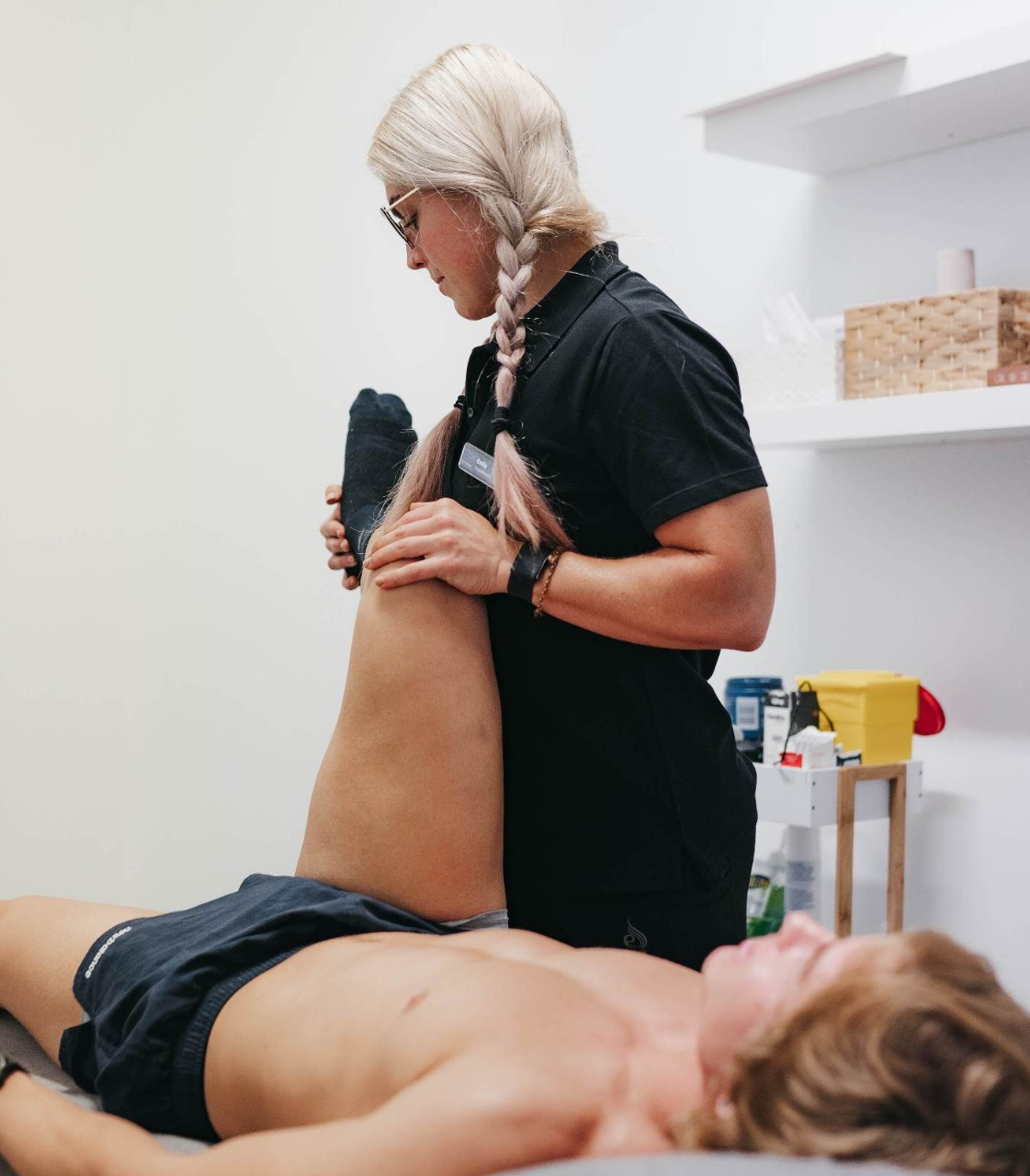
We start with a thorough assessment of your affected joints, strength, movement, and goals. Early sessions focus on reducing pain and stiffness with hands-on treatment — massage, joint mobilisation, dry needling, and soft tissue therapy — so you can begin moving more comfortably and with greater confidence.
Tailored Exercise & Strengthening
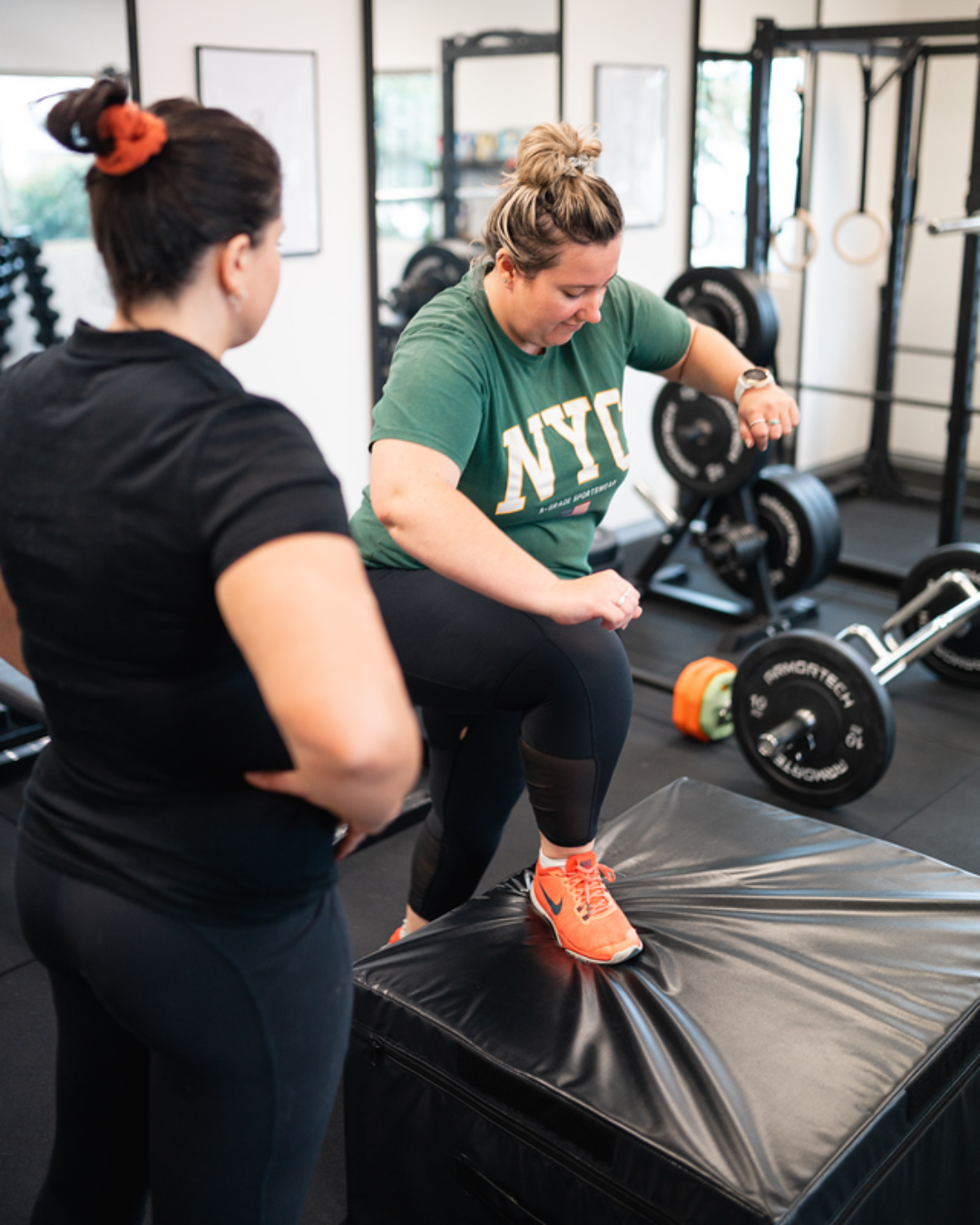
This is the cornerstone of effective OA management. We design a progressive exercise program — delivered in our on-site rehab gym and as a home program — that builds strength around the affected joints, improves mobility, and reduces the mechanical load that drives pain. We progress this carefully at a pace that suits your fitness level and symptoms.
Our physiotherapists and exercise physiologists are experienced in evidence-based OA exercise protocols, including approaches aligned with international best practice guidelines for hip and knee OA management. If you've heard of programs like GLA:D (Good Life with osteoArthritis in Denmark), we can discuss whether a structured group or individual program is right for you.
Education & Long-Term Self-Management
Understanding your condition is one of the most powerful things you can do. We explain what OA actually is, address the common misconceptions that hold people back, and give you practical tools to manage flare-ups, stay active, and maintain your progress independently. Our goal is for you to feel confident managing your OA long after your formal program ends.
Pre & Post-Surgical Rehabilitation
For those heading toward joint replacement surgery, physiotherapy in the lead-up — often called "prehab" — significantly improves surgical outcomes. Research consistently shows that people who are stronger going into surgery recover faster, spend less time in hospital, and return to function sooner. We also provide structured post-operative rehabilitation for knee and hip replacements.
Osteoarthritis FAQs
Q: Is exercise safe if I have osteoarthritis? Yes — and it's one of the single best things you can do. Exercise consistently reduces OA pain, improves joint function, builds the muscular support around affected joints, and slows symptom progression. The key is starting at the right level and progressing appropriately, which is where we come in.
Q: Will physiotherapy stop my OA from getting worse? Physiotherapy can't reverse structural changes in the joint, but it can significantly reduce pain, improve function, and slow the progression of symptoms. Many people with OA who engage in regular exercise and active management avoid or delay the need for surgery by years.
Q: I've been told I need a joint replacement — should I still see a physio? Absolutely. If you're not yet at the surgical threshold, there's a strong chance we can help you manage your symptoms effectively without it. If surgery is inevitable, physiotherapy before and after the procedure can significantly improve your outcome and recovery speed.
Q: Do I need a referral? No referral is needed to book directly with us. If you're accessing treatment through Medicare's Chronic Disease Management (CDM) plan, your GP will need to set up a referral — this allows you to access a set number of Medicare-rebated allied health visits per year.
Q: What's the difference between physiotherapy and exercise physiology for OA? Both are highly effective and often work best together. Physiotherapy tends to focus on hands-on treatment, pain management, and movement assessment. Exercise physiology focuses on longer-term exercise programming for chronic disease management. Our clinic has both, and we'll recommend the right fit — or combination — for you.
Q: How long will I need treatment? OA is a long-term condition, so our goal is to get you managing independently as quickly as possible. Most people notice meaningful improvement within six to eight weeks of starting a structured program. After that, periodic check-ins and program updates are usually all that's needed.
Q: I'm quite deconditioned — is it too late to start exercising? It is never too late. We regularly work with people who haven't exercised in years, are managing multiple health conditions, or are significantly deconditioned. We start where you are and build from there, safely and progressively.
Ready to Take Control of Your Osteoarthritis?
You don't have to just put up with it. With the right support, most people with osteoarthritis can move better, hurt less, and stay active — regardless of their age or how long they've been managing the condition.
Book an appointment with our physiotherapy team today.