
Rotator Cuff Repair Rehabilitation Adelaide
Rotator Cuff Repair Rehab @ Active Balance
Recovering from rotator cuff repair surgery is a significant undertaking — it's one of the longest rehabilitation journeys of any common orthopaedic procedure. But with the right guidance, progressive loading, and a team that understands shoulder rehabilitation, the outcomes can be excellent.
Whether you're on the waiting list and wanting to prepare your shoulder before surgery, in the early weeks of post-operative recovery, or feeling like your progress has plateaued — our experienced team at Active Balance is here to support you at every stage.
What Is the Rotator Cuff?
The rotator cuff is a group of four muscles and their tendons that surround and stabilise the shoulder joint — the supraspinatus, infraspinatus, teres minor, and subscapularis. Together they control shoulder rotation, assist with lifting and reaching, and keep the ball of the humerus centred in the shoulder socket during movement.
Rotator cuff tears are one of the most common shoulder injuries seen in adults, particularly in those over 40. They can occur suddenly through a specific trauma — such as a fall or heavy lift — or gradually through chronic overuse and tendon degeneration. Tears range from small partial thickness tears to large or massive full thickness tears involving multiple tendons.
Not all rotator cuff tears require surgery. Many are managed successfully with physiotherapy alone. However, when surgery is recommended — particularly for larger tears, acute traumatic tears in active individuals, or tears that have not responded to conservative management — structured pre- and post-operative rehabilitation is essential to achieving the best possible outcome.
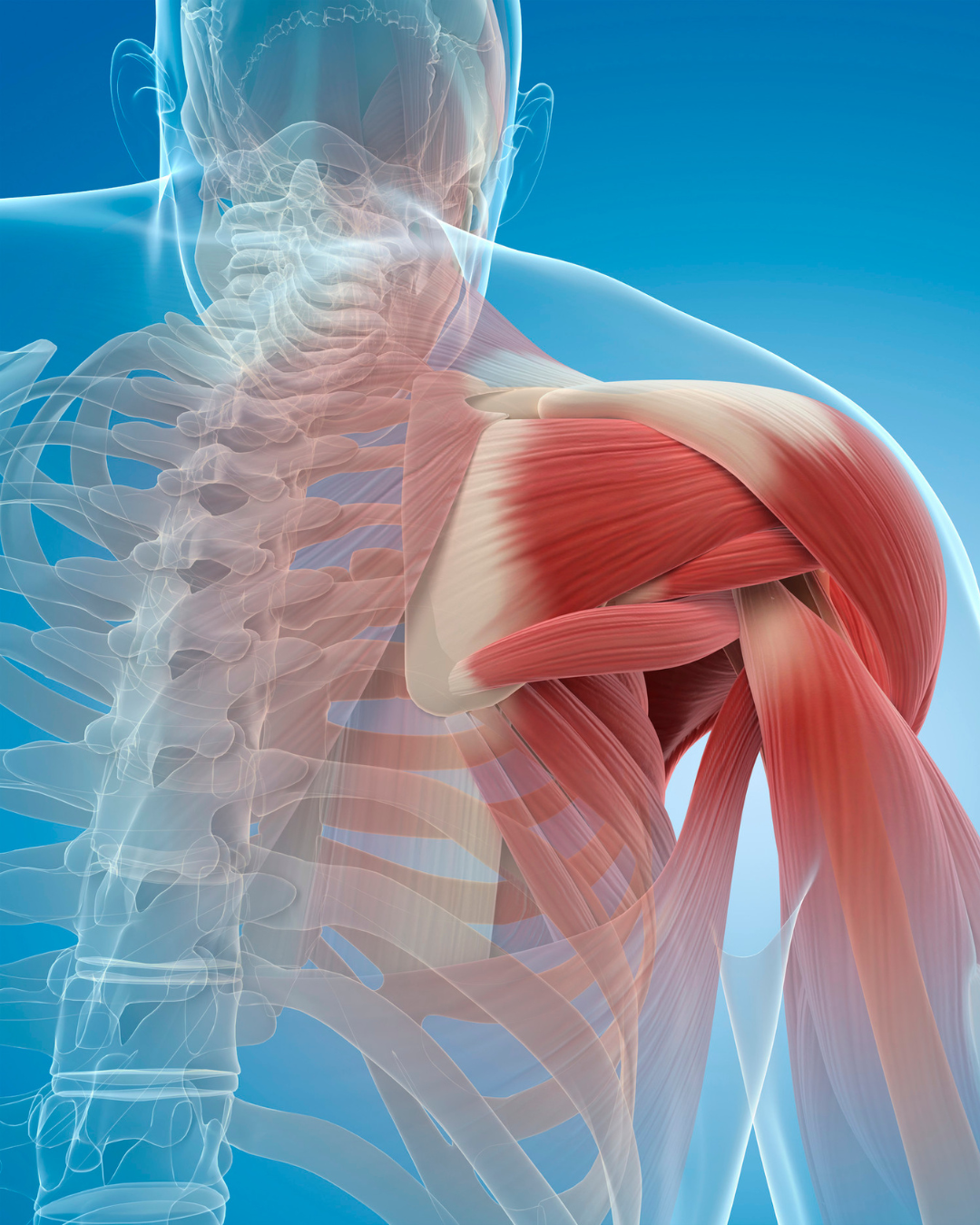
Types of Rotator Cuff Repair Surgery
Arthroscopic Rotator Cuff Repair
The most commonly performed technique, using small incisions and a camera to reattach the torn tendon to the bone. Minimally invasive with less post-operative pain and faster wound healing than open surgery, though the tendon-to-bone healing process takes the same amount of time regardless of surgical approach.
Mini-Open Repair
A combination of arthroscopic and open techniques, used for larger or more complex tears. Involves a slightly larger incision than a fully arthroscopic approach.
Open Rotator Cuff Repair
Reserved for the largest and most complex tears, involving a more extensive incision and greater post-operative recovery demands. Less commonly performed as arthroscopic techniques have improved significantly.
The rehabilitation principles are broadly similar across all approaches — the key variable is the size of the tear repaired, which directly influences the protection phase and overall timeline.
Why Prehab Matters — Before Your Rotator Cuff Repair
Rotator cuff repair requires the repaired tendon to heal back to the bone — a biological process that takes time regardless of how well the surgery goes. The stronger and more prepared your shoulder is going into surgery, the better positioned you are to navigate the lengthy protection phase and emerge with full strength and function.
Research shows that patients who complete structured prehabilitation before rotator cuff repair:
- Experience less post-operative pain and muscle atrophy during the sling phase
- Regain strength and range of motion faster after surgery
- Are better educated about post-operative precautions and what to expect
- Feel more psychologically prepared for the recovery ahead
- Achieve better long-term functional outcomes
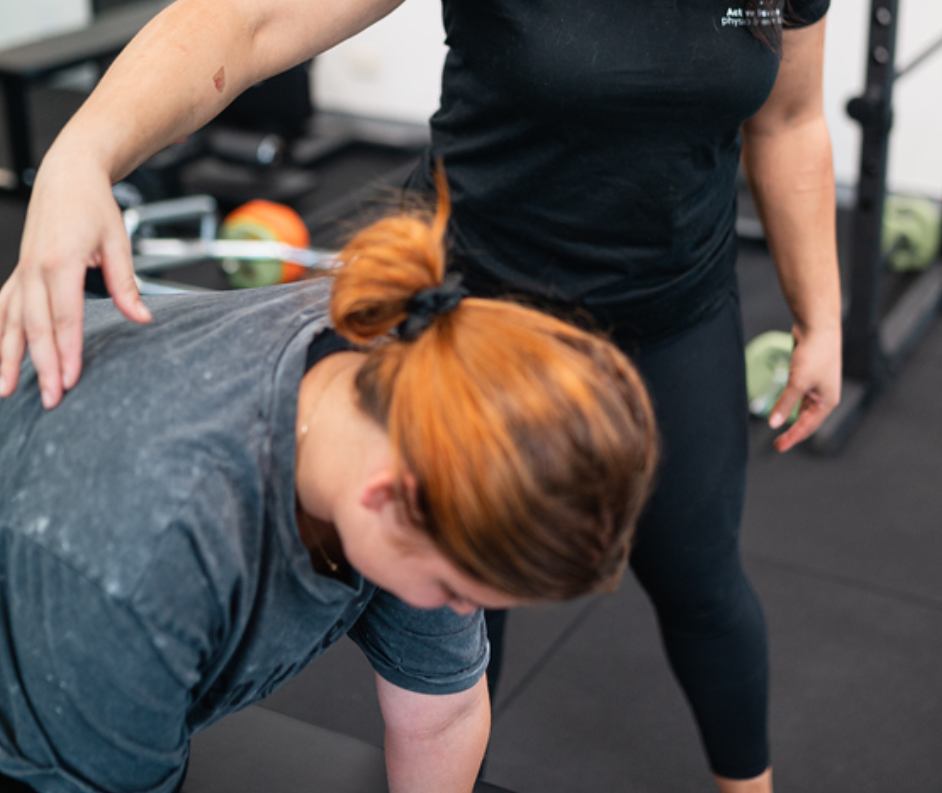
What prehab looks like at Active Balance:
- Strengthening of the intact rotator cuff muscles and periscapular stabilisers
- Range of motion work to maximise shoulder mobility before surgery
- Scapular stability and postural exercises to optimise shoulder mechanics
- Education on post-operative sling use, precautions, and the staged recovery timeline
- Goal setting and baseline strength testing so we can track your progress objectively after surgery
Could You Benefit From Prehab?
Prehab is relevant to you if you are:
- On the surgical waiting list and want to arrive at surgery as strong as possible
- Managing significant pain, weakness, or restricted movement in the lead-up to surgery
- Wanting to feel informed and prepared for what is a lengthy recovery process
- Concerned about muscle wasting during the sling phase and wanting to minimise it
- A recreational or competitive athlete wanting to optimise your return-to-sport outcome
Post-Operative Rotator Cuff Repair Rehabilitation
Rotator cuff repair is one of the longest rehabilitation journeys of any common orthopaedic procedure. Full recovery — including return to overhead sport or heavy manual work — typically takes nine to twelve months, and sometimes longer for large or massive tears. Understanding the stages of recovery and setting realistic expectations from the outset is an important part of a successful outcome.
The timeline below is a general guide. Your specific program will be tailored to the size and location of your repair, your surgeon's protocols, your age and fitness level, and your personal goals.
Weeks 0–6: Protection Phase
This is the most critical phase of recovery. Your repaired tendon is healing back to the bone and must be protected from excessive stress. You will be in a sling for most or all of this period, and shoulder movement is strictly limited to what your surgeon permits. Our focus at this stage is on pain management, gentle pendulum exercises, elbow and wrist mobility, postural education, and maintaining fitness through lower body and cardiovascular work where appropriate.
Weeks 6–12: Early Motion Phase
As healing progresses and your surgeon clears increased movement, we begin progressive range of motion work — initially passive, then active-assisted, then active. Scapular strengthening and postural work continue. Regaining full or near-full range of motion is the primary goal of this phase, alongside very gentle rotator cuff activation.
Weeks 12–20: Strengthening Phase
With range of motion largely restored, the focus shifts to progressive strengthening of the rotator cuff and surrounding shoulder musculature. We use our on-site gym to progressively load the shoulder in a controlled and systematic way, building both strength and endurance. This phase requires patience — loading too aggressively risks re-tear, while insufficient loading delays recovery.
Months 5–9: Advanced Strengthening & Functional Rehabilitation
Strength training becomes more challenging and functional at this stage, with exercises increasingly specific to your goals — whether that's returning to overhead work, throwing sport, swimming, or manual labour. Power, speed, and sport-specific movement patterns are progressively reintroduced.
Months 9–12+: Return to Full Activity
For those returning to competitive sport, heavy physical work, or overhead activities, objective strength testing is used to confirm readiness. We follow evidence-based return-to-sport criteria to make sure your shoulder is genuinely ready — not just symptom-free — before full return to demanding activity.
Sling Use & Early Precautions
Most patients wear a sling for four to six weeks after rotator cuff repair, though this varies depending on the size of the repair and your surgeon's preference. During this time, protecting the healing tendon is the absolute priority.
Common early precautions include:
- Keeping the arm supported in the sling as instructed, including during sleep
- Avoiding active lifting, reaching, or pushing with the operated arm
- No driving until cleared by your surgeon — typically not before sling removal
- Avoiding positions that place the shoulder under stress — such as reaching behind the back or across the body
- We will make sure you understand and can safely follow all relevant precautions from your very first post-operative appointment.
Re-Tear Risk — What You Need to Know
Re-tear of the repaired tendon is one of the most significant risks after rotator cuff surgery, particularly in the first twelve weeks while biological healing is occurring. Re-tear rates vary depending on the size of the original tear, patient age, tissue quality, and adherence to post-operative precautions.
The risk is highest when:
- The arm is used beyond permitted limits during the protection phase
- Rehabilitation is progressed too quickly
- The sling is removed or not worn consistently in the early weeks
Our rehabilitation protocols are carefully staged to protect the repair while still making meaningful progress — balancing the need to protect the healing tendon with the need to prevent stiffness and muscle atrophy.
Working With Your Surgical Team
We work collaboratively with your orthopaedic surgeon and GP to ensure your rehabilitation aligns with their specific post-operative protocol. Rotator cuff repair protocols can vary between surgeons — particularly around the timing of sling removal and the progression of active movement — so we always work within your surgeon's specific guidelines.
If you have discharge instructions or a rehabilitation protocol from your surgical team, bring these to your first appointment. We welcome referrals from orthopaedic surgeons and GPs across Adelaide managing patients before and after rotator cuff repair surgery.
Who Is This Page For?
Our rotator cuff repair rehabilitation services are relevant to you if you are:
- On the waiting list for rotator cuff repair surgery and wanting to prepare
- In the protection phase after surgery and needing structured, safe early rehabilitation
- Progressing through the strengthening phase and wanting expert guidance on loading
- Returning to sport, overhead work, or manual labour and wanting objective clearance
- Feeling like your recovery has stalled or not gone as expected
- A GP or orthopaedic surgeon looking to refer patients for pre- or post-operative shoulder rehabilitation
Rotator Cuff Repair Rehabilitation FAQs
Q: How long does recovery from rotator cuff repair take? It depends on the size of the tear repaired. Small tears typically allow return to most activities within six months. Large or massive tears can take nine to twelve months or longer for full recovery — particularly for overhead sport or heavy manual work. Your physio will give you a realistic, milestone-based timeline from the outset.
Q: When should I start prehab before my rotator cuff repair? As soon as surgery is planned. Even if your shoulder is significantly painful or weak, there is almost always something we can do to improve your strength and prepare you for the recovery ahead. Six to eight weeks of prehab is ideal, but any preparation is better than none.
Q: When can I start physio after surgery? Most people begin post-operative physiotherapy within the first one to two weeks after surgery. Early sessions focus on safe movement within your sling precautions, pain management, and education — not strengthening. Starting early helps prevent stiffness and sets you up well for the phases ahead.
Q: Why is rotator cuff rehab so long compared to other surgeries? Because the repaired tendon has to biologically heal back to the bone — a process that takes time regardless of how successful the surgery was. This healing process cannot be rushed without risking re-tear. The lengthy timeline reflects the biology of tendon-to-bone healing, not the complexity of the procedure itself.
Q: My shoulder is still weak and stiff six months after surgery — is that normal? Some degree of ongoing weakness and stiffness at six months is not uncommon, particularly after large tear repairs. However, if you feel like progress has stalled or you're not where you expected to be, come in and see us. There is often a great deal we can do to accelerate progress, even well into the recovery period.
Q: Can I exercise the rest of my body while my shoulder heals? Absolutely — and we encourage it. Maintaining lower body strength, cardiovascular fitness, and general conditioning during the sling phase is important for your overall recovery and wellbeing. We'll help you stay active in ways that don't compromise your healing shoulder.
Q: What are the signs of a re-tear after rotator cuff repair? A sudden increase in pain, a significant loss of strength or movement that had previously been recovering well, or a popping sensation in the shoulder can all be signs of a re-tear. If you experience any of these, contact your surgical team promptly. Don't push through sudden changes in your shoulder's behaviour during the healing phase.
Q: Do I need a referral? No referral is needed to book directly with us. If you're accessing treatment through Medicare's Chronic Disease Management plan, your GP will need to provide a referral. Check with your private health fund as well, as some require a referral for rebates.
Ready to Start Your Rotator Cuff Repair Rehabilitation?
Rotator cuff repair is a significant procedure with a significant recovery, but with the right team behind you, the outcomes can be excellent.
Book an appointment with our physiotherapy team today.