
Spinal Decompression Surgery Rehabilitation Adelaide
Spinal Surgery Rehab @ Active Balance
Whether you're preparing for spinal decompression surgery, recovering from a laminectomy, microdiscectomy, or spinal fusion — or feeling like your recovery has stalled, our experienced team at Active Balance is here to guide you through every stage.
Spinal surgery can be life-changing in the best possible way. But the outcome depends heavily on the rehabilitation that surrounds it. We work with you before and after your procedure to make sure you get the most out of your surgery and return to the life you want to live.
What Is Spinal Decompression Surgery?
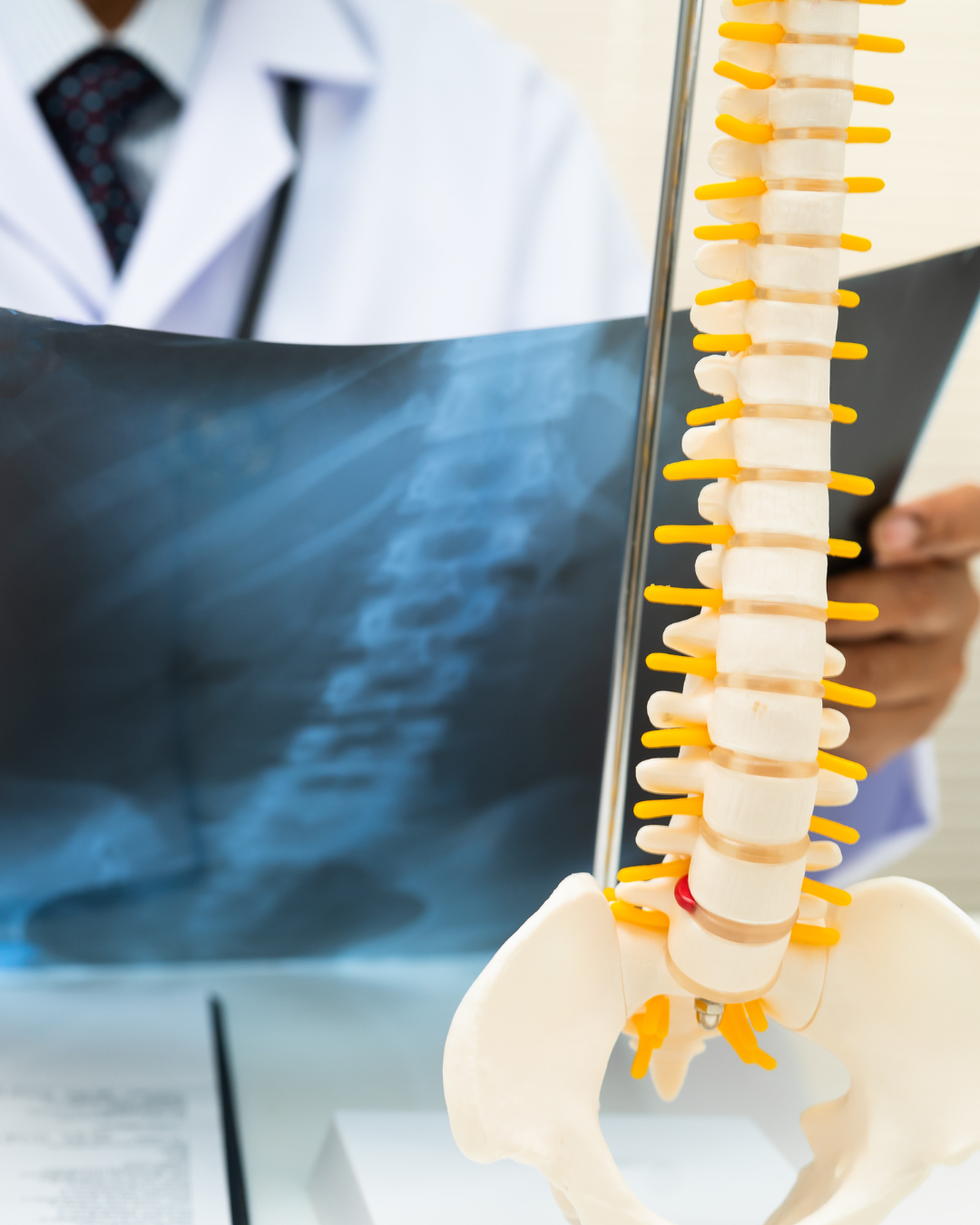
Spinal decompression surgery refers to a group of procedures designed to relieve pressure on the spinal cord or nerve roots — pressure that causes pain, weakness, numbness, or other neurological symptoms. The most commonly performed spinal decompression procedures include:
Laminectomy A laminectomy involves removing part or all of the lamina — the bony arch at the back of a vertebra — to create more space for the spinal cord and nerves. It is most commonly performed in the lumbar (lower back) spine and is often recommended for spinal stenosis, where narrowing of the spinal canal compresses the nerves and causes symptoms such as leg pain, heaviness, or weakness with walking.
Microdiscectomy A microdiscectomy is a minimally invasive procedure to remove the portion of a herniated or bulging disc that is pressing on a nerve root. It is one of the most commonly performed spinal procedures in Australia and is typically recommended for people with sciatica or nerve-related leg pain that has not resolved with conservative management. Recovery is generally faster than a laminectomy, though rehabilitation is equally important.
Spinal Fusion A spinal fusion involves permanently joining two or more vertebrae together using bone graft material and hardware such as screws and rods. It is performed to stabilise the spine after decompression, correct deformity, or manage conditions such as spondylolisthesis or degenerative disc disease. Fusion surgery involves a longer recovery than decompression alone, and structured rehabilitation is particularly critical for achieving a good outcome.
Foraminotomy A foraminotomy widens the foramen — the opening through which nerve roots exit the spine — to relieve pressure on a compressed nerve. It may be performed alongside a laminectomy or as a standalone procedure.
Individualised assessment & treatment not a one-size-fits-all approach.
A holistic approach combining hands-on therapy + active rehab
On-site rehab gym for a complete recovery pathway
A friendly, supportive team who genuinely care about your results
Why Prehab Matters — Before Your Surgery
The value of physiotherapy before spinal surgery is well established and consistently underutilised. People who arrive at surgery stronger, more mobile, and better educated about the recovery process achieve meaningfully better outcomes than those who don't.
Research shows that patients who complete a structured prehabilitation program before spinal surgery:
- Recover faster and return to function sooner after the procedure
- Experience less post-operative pain and require less medication
- Have stronger core and spinal musculature to support recovery
- Feel more psychologically prepared and less anxious going into surgery
- Are better equipped to participate actively in post-operative rehabilitation
What prehab looks like at Active Balance:
- Core and spinal strengthening exercises tailored to your condition and surgical plan
- Aerobic conditioning to improve your general fitness and surgical resilience
- Postural education and movement retraining to address habits that may have developed due to pain
- Education on your procedure, post-operative precautions, and what to expect at each stage of recovery
- Goal setting and baseline testing so we can objectively measure your progress after surgery
Could You Benefit From Prehab?
Prehab is relevant to you if you are:
- On the surgical waiting list and want to use the time productively
- Recently told you will need spinal decompression or fusion surgery
- Managing significant pain, weakness, or reduced function in the lead-up to surgery
- Wanting to reduce your risk of complications and optimise your recovery
- Feeling anxious about the procedure and wanting to feel informed and prepared
Even a short prehab program of four to six weeks produces measurable benefits. If you have longer on the waiting list, we can build a more comprehensive program and address the muscle weakness and movement dysfunction that typically accumulates with chronic spinal pain.
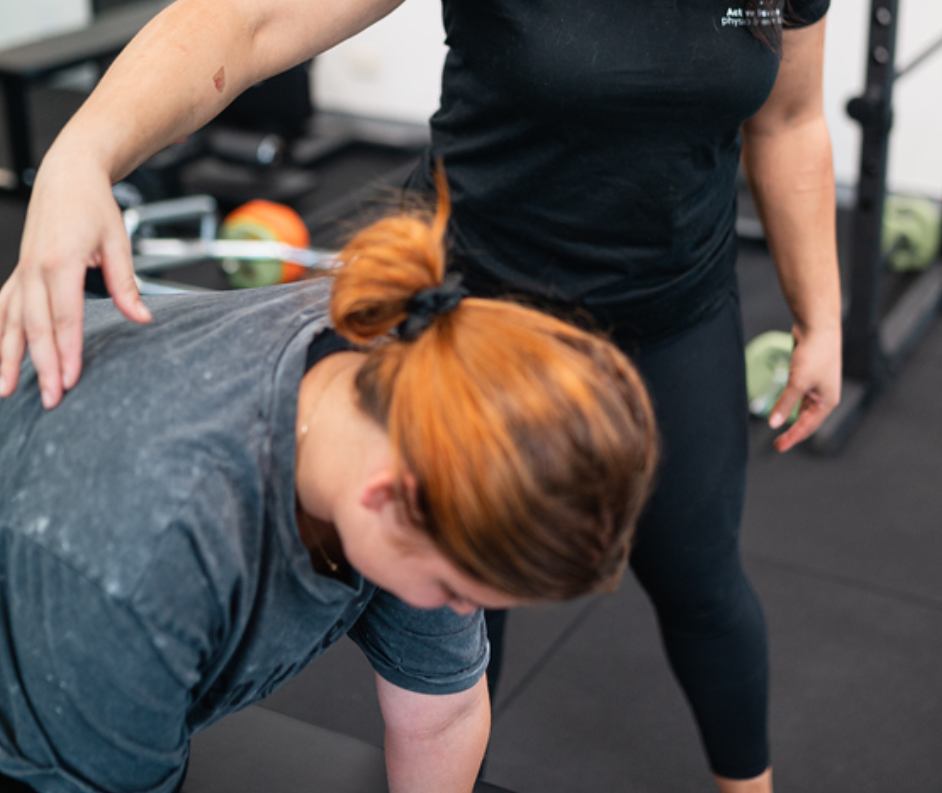
Post-Operative Spinal Surgery Rehabilitation
Recovery timelines vary depending on the procedure performed, the levels involved, your age, and your overall health. As a general guide:
- Microdiscectomy – most people return to light activity within two to four weeks, with full recovery typically achieved within three to six months
- Laminectomy – recovery generally takes six weeks to three months for daily activities, with full functional recovery up to six to twelve months depending on the extent of surgery
- Spinal Fusion – the most involved recovery, typically requiring three to six months before returning to most activities, with bony fusion taking up to twelve months to complete
Regardless of the procedure, structured physiotherapy is essential throughout the recovery process. Without it, people commonly experience ongoing weakness, movement dysfunction, persistent pain, and a significantly higher risk of re-injury.
Working With Your Surgical Team
We work collaboratively with your orthopaedic surgeon and any other members of your healthcare team to ensure your rehabilitation aligns with their post-operative protocols and any specific precautions relevant to your procedure. If you have discharge instructions or a protocol from your surgeon, bring them along to your first appointment and we'll build your program around them.
We also work closely with GPs and specialists across Adelaide and welcome referrals from surgical practices managing patients before and after knee replacement.
What to expect from post-op rehab at Active Balance:
Weeks 1–4: Early Recovery
The early focus is on pain and swelling management, gentle mobilisation within your surgeon's prescribed precautions, and restoring safe, independent movement. Education on posture, movement technique, and activity modification is a priority at this stage. For fusion patients, spinal precautions are carefully observed and explained.
Weeks 4–8: Restoring Movement & Gentle Strengthening
As healing progresses, we introduce gentle core activation and progressive movement exercises. Walking tolerance, posture, and daily activity capacity are key milestones. For microdiscectomy patients, this is often the stage where meaningful functional gains begin to accelerate.
Weeks 8–12: Progressive Core & Spinal Strengthening
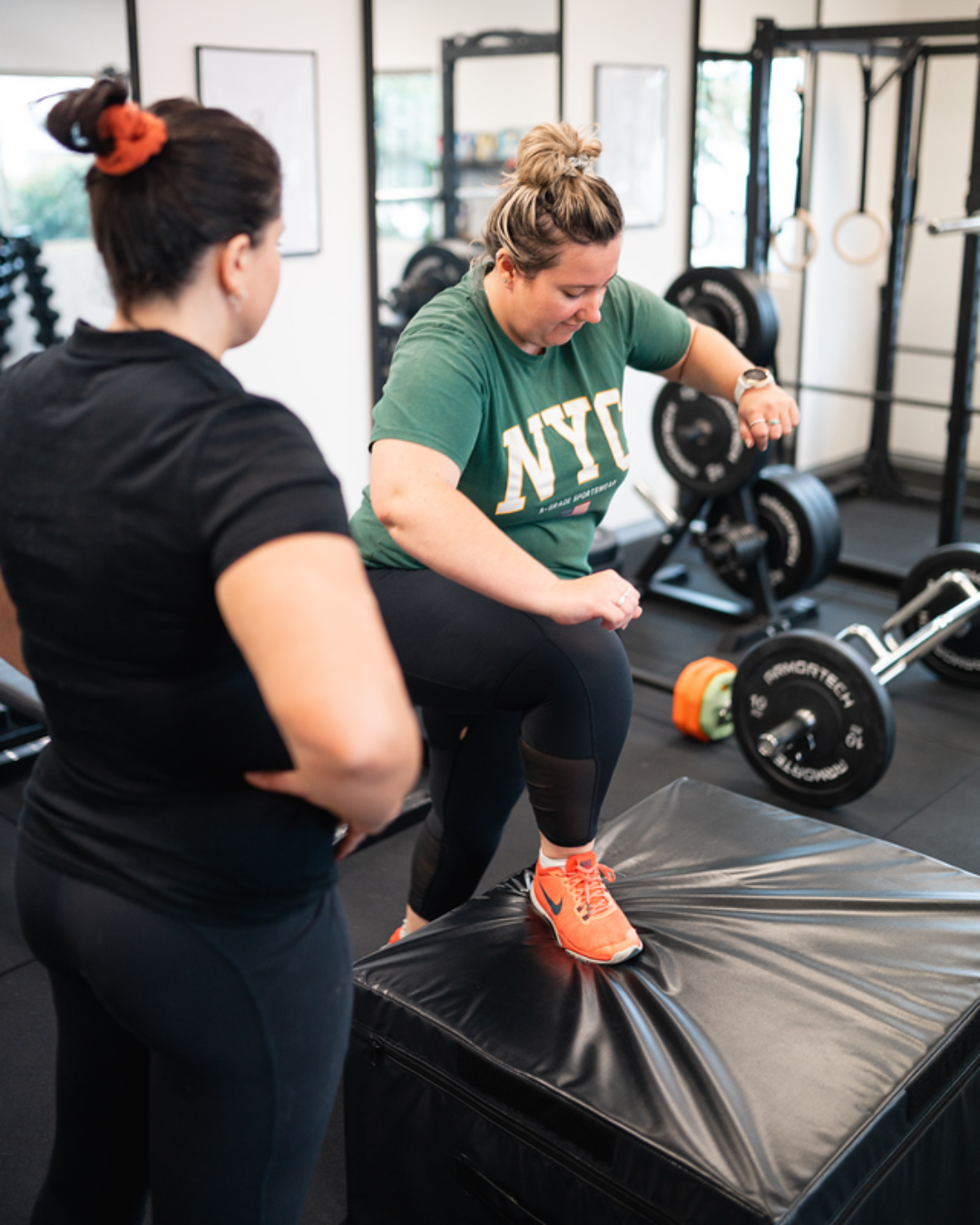
This stage focuses on building genuine strength through the deep core stabilisers, spinal extensors, and hip musculature — the foundations of long-term spinal health and injury prevention. We use our on-site gym to progress loading carefully and systematically.
3–6 Months: Functional Recovery & Return to Activity
We work toward your specific goals — whether that's returning to office work, physical labour, recreational sport, or simply managing daily life with confidence and without pain. Objective testing guides progression and ensures you're genuinely ready for each stage.
Spinal Precautions After Surgery
Depending on your procedure and surgeon, you may be given specific movement precautions to follow in the early weeks after surgery. These are designed to protect the surgical site while healing occurs and reduce the risk of complications.
Common precautions after spinal surgery include:
- Avoiding bending, lifting, and twisting (often referred to as BLT precautions) in the early post-operative period
- Restrictions on sitting duration, particularly after lumbar procedures
- Specific guidelines around returning to driving, work, and exercise
- For fusion patients — stricter activity restrictions while bony fusion is consolidating
- We work directly with your surgical team's protocols and will make sure your rehabilitation program respects all relevant precautions at every stage — keeping you safe while still making meaningful progress toward your recovery goals.
Neurological Symptoms After Spinal Surgery
Many people undergoing spinal decompression surgery have pre-existing nerve symptoms — such as sciatica, leg weakness, numbness, or pins and needles — that may take time to resolve after surgery, even when the procedure is technically successful.
Nerve recovery is a gradual process that can take weeks to months depending on the severity and duration of compression.
Our physiotherapists are experienced in managing neurological recovery alongside musculoskeletal rehabilitation, and we'll set realistic expectations around the timeline for nerve symptom resolution as part of your overall care plan.
If you're concerned about nerve symptoms that are worsening rather than improving after surgery, it's important to communicate this with your surgical team promptly.
Working With Your Surgical Team
We work collaboratively with your spinal surgeon, GP, and any other members of your healthcare team to ensure your rehabilitation aligns with their post-operative protocols and any specific precautions relevant to your procedure.
If you have discharge instructions or a rehabilitation protocol from your surgical team, bring these to your first appointment and we'll build your program around them. We welcome referrals from GPs, neurosurgeons, and orthopaedic spinal surgeons across Adelaide and are experienced in working within the specific guidelines of different surgical teams and approaches.
Who Is This Page For?
Our spinal surgery rehabilitation services are relevant to you if you are:
- On the waiting list for a laminectomy, microdiscectomy, spinal fusion, or foraminotomy
- Preparing for surgery and wanting to optimise your pre-operative strength and fitness
- In the early weeks after spinal surgery and needing structured post-operative care
- Further along in recovery but feeling like progress has stalled
- Managing ongoing neurological symptoms such as weakness, numbness, or nerve pain after surgery
- A GP, neurosurgeon, or orthopaedic surgeon looking to refer patients for pre- or post-operative physiotherapy
Spinal Surgery Rehabilitation FAQs
Q: When should I start prehab before my spinal surgery? As soon as you know surgery is planned. Even if you're in significant pain or have nerve symptoms limiting your activity, there is almost always something we can do to improve your strength, fitness, and readiness. Ideally six to eight weeks, but any structured prehab is better than arriving at surgery having done nothing.
Q: When can I start physio after spinal surgery? Most people begin physiotherapy within two to four weeks after surgery, once cleared by their surgical team. Some surgeons prefer patients to start earlier — bring your discharge instructions to your first appointment and we'll work within your surgeon's guidelines from day one.
Q: My leg pain hasn't gone away since my microdiscectomy — is that normal? It can be. Nerve symptoms such as leg pain, numbness, and tingling can persist for weeks to months after surgery, even when the procedure has successfully removed the compression. This is because nerves heal slowly. However, if symptoms are worsening rather than improving, contact your surgical team promptly. We can help manage nerve recovery as part of your rehabilitation program.
Q: How long will recovery take after a spinal fusion? Spinal fusion is the most involved spinal procedure in terms of recovery. Most people return to light daily activities within six to twelve weeks, but full recovery — including return to physical work or demanding activities — can take six to twelve months. The fusion itself takes up to twelve months to fully consolidate. Your physio will give you a realistic, milestone-based plan from the outset.
Q: Do I need a referral to start rehab? No referral is needed to book directly with us. If you're accessing treatment through Medicare's Chronic Disease Management plan, your GP will need to set up a referral. Some private health funds also require a referral for rebates — check with your fund if you're unsure.
Q: What's the difference between a laminectomy and a microdiscectomy? A laminectomy removes part of the bony arch of the vertebra to create space for compressed nerves — most commonly performed for spinal stenosis. A microdiscectomy removes a portion of a herniated disc that is pressing on a nerve root — most commonly performed for sciatica. Both are decompression procedures, but the cause of compression, surgical approach, and recovery timeline differ. Your surgeon will recommend the appropriate procedure based on your diagnosis.
Q: I had spinal surgery over a year ago and still don't feel right — can you help? Yes. Delayed or incomplete recovery after spinal surgery is more common than people realise, and there is often a great deal we can do — even well after the procedure. Persistent weakness, movement dysfunction, ongoing pain, and fear of re-injury are all things we regularly help people address, regardless of how long ago their surgery was.
Ready to Start Your Spinal Surgery Rehabilitation?
Whether you're preparing for surgery or working through your recovery, our team at Active Balance is here to help you get the best possible outcome.
Book an appointment with our physiotherapy team today.