
Hip Replacement Rehabilitation Adelaide
Hip Replacement Rehab @ Active Balance
Whether you're waiting for a total hip replacement, counting down to your surgery date, or in the early weeks of recovery — our experienced team at Active Balance is here to support you through every stage of the process.
Hip replacement is one of the most successful elective surgical procedures performed in Australia. But how well and how quickly you recover depends significantly on the work you put in before and after the operation. We're here to make sure that work is structured, progressive, and tailored specifically to you.
Who Is This Page For?
Our hip replacement rehabilitation services are relevant to you if you are:
- On the waiting list for a total hip replacement or hip resurfacing
- Preparing for surgery and wanting to optimise your pre-operative strength and mobility
- In the early weeks after surgery and needing structured post-operative care
- Further along in recovery but feeling like you've plateaued or not yet reached your goals
- A GP or orthopaedic surgeon looking to refer patients for pre- or post-operative physiotherapy
What Is a Hip Replacement?
A total hip replacement (THR) — also called total hip arthroplasty — is a surgical procedure in which the damaged ball and socket of the hip joint are replaced with an artificial implant. It is most commonly performed for advanced hip osteoarthritis that has significantly affected quality of life and has not responded adequately to conservative management.
In some cases, a hip resurfacing procedure may be recommended instead, where the ball of the femur is capped rather than fully replaced. Recovery and rehabilitation principles are broadly similar, though your surgeon will advise on any specific differences relevant to your procedure.
Hip replacement is one of the most commonly performed orthopaedic procedures in Australia, with consistently high rates of patient satisfaction — particularly when supported by structured pre- and post-operative rehabilitation.

Individualised assessment & treatment not a one-size-fits-all approach.
A holistic approach combining hands-on therapy + active rehab
On-site rehab gym for a complete recovery pathway
A friendly, supportive team who genuinely care about your results
Why Prehab Matters — Before Your Surgery
It's a common misconception that rehabilitation only begins once you're home from hospital. In reality, the work you do before your hip replacement can be just as important as what happens after.
Research consistently shows that patients who complete a structured prehabilitation program before hip replacement:
- Recover faster and more completely after surgery
- Spend less time in hospital
- Require less pain medication in the post-operative period
- Regain strength, mobility, and independence sooner
- Feel more confident and psychologically prepared going into the procedure
The logic is simple: the stronger and more mobile your hip is going into surgery, the better the foundation your body has to recover from the procedure. Even modest gains in hip strength and range of motion before your operation can translate into meaningfully better outcomes.
What prehab looks like at Active Balance:
- Targeted strengthening of the hip abductors, extensors, and surrounding musculature
- Range of motion exercises to maximise mobility before surgery
- Balance and proprioception training to reduce fall risk post-operatively
- Gait retraining if you've developed compensatory movement patterns due to pain
- Education on post-operative precautions, hip restrictions, and what to expect from recovery
- Goal setting and baseline testing so we can measure your progress after surgery
Could You Benefit From Prehab?
Prehab is relevant to you if you are:
- On the surgical waiting list and want to use the time as productively as possible
- Recently told you will need a hip replacement in the coming months
- Wanting to reduce your risk of complications and speed up recovery
- Managing significant pain, weakness, or a limp in the lead-up to surgery
- Anxious about the procedure and want to feel informed, prepared, and in control
Even a four to six week prehab program can produce meaningful improvements. If you have a longer wait, we can make even more significant gains and address any compensatory movement patterns that have developed as a result of living with hip pain.
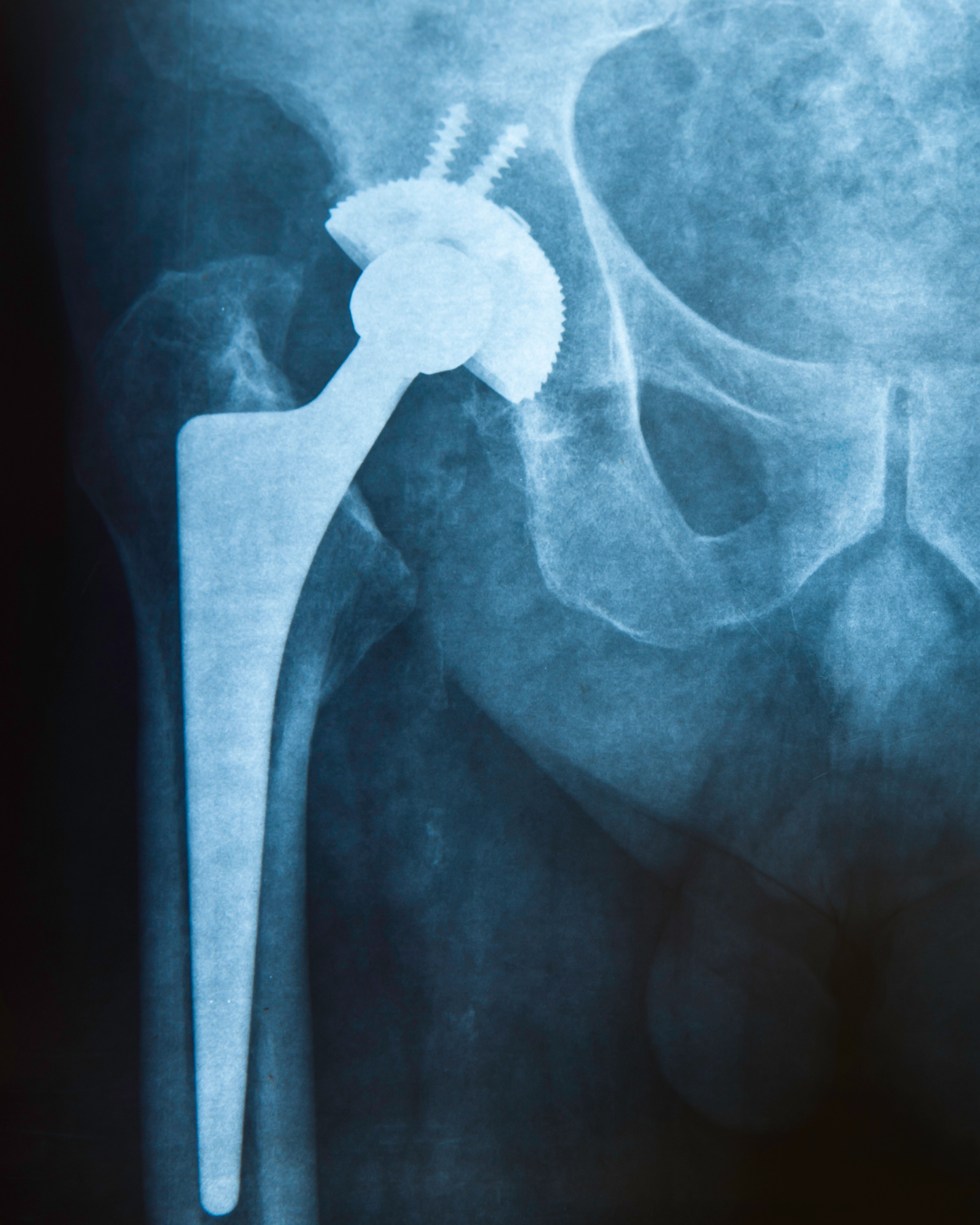
Post-Operative Hip Replacement Rehabilitation
Recovery from a total hip replacement typically takes three to six months for most daily activities, with full functional recovery — particularly for more demanding activities — taking up to twelve months for some people.
Structured physiotherapy after surgery is not optional — it is a core part of the procedure. Without it, outcomes are significantly worse, including higher rates of weakness, reduced walking ability, and poorer long-term function.
Working With Your Surgical Team
We work collaboratively with your orthopaedic surgeon and any other members of your healthcare team to ensure your rehabilitation aligns with their post-operative protocols and any specific precautions relevant to your procedure. If you have discharge instructions or a protocol from your surgeon, bring them along to your first appointment and we'll build your program around them.
We also work closely with GPs and specialists across Adelaide and welcome referrals from surgical practices managing patients before and after hip replacement.
What to expect from post-op rehab at Active Balance:
Weeks 1–2: Early Recovery
The early focus is on pain and swelling management, gentle range of motion within your surgeon's prescribed precautions, safe mobilisation with walking aids, and regaining basic independence — including getting in and out of bed, chairs, and navigating steps safely. Hip precautions (avoiding certain positions and movements) are carefully followed and explained at this stage.
Weeks 2–6: Restoring Movement & Early Strengthening
As your wound heals and swelling reduces, we progressively increase range of motion work and introduce gentle strengthening exercises in our on-site gym. Walking tolerance, gait quality, and weaning off walking aids are key milestones at this stage.
Weeks 6–12: Progressive Strengthening & Stability
This is where we build meaningful strength through the hip abductors, glutes, and surrounding musculature — the muscles responsible for stability, gait, and protecting your new joint. Balance training and more functional movement patterns become a central focus.
3–6 Months: Functional Recovery & Return to Activity
We progress toward your personal goals — whether that's returning to recreational walking, gardening, travel, golf, bowls, or physical work. Objective strength and functional testing guides progression and ensures you're genuinely ready for each stage of activity.
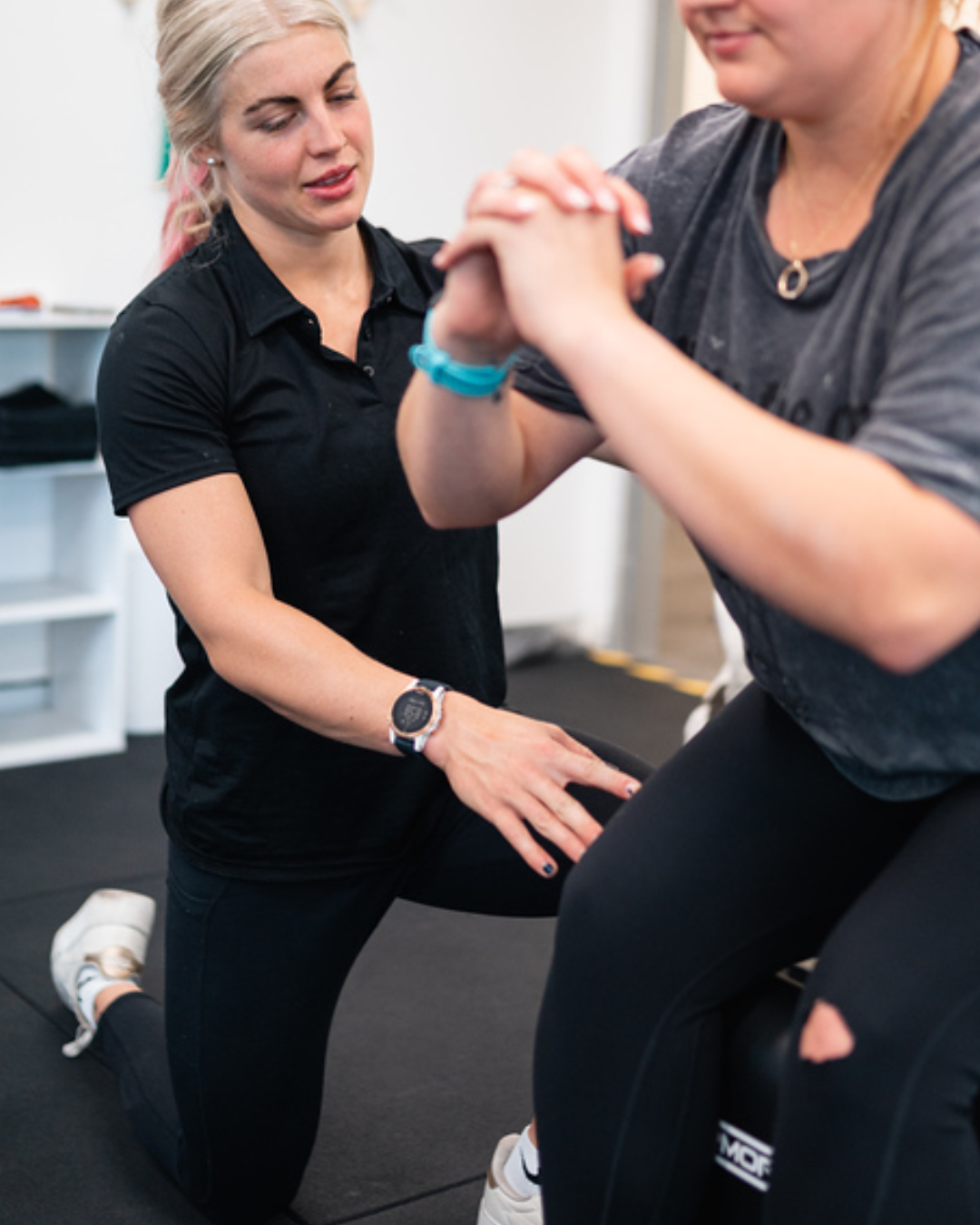
Hip Precautions — What You Need to Know
Depending on the surgical approach used by your surgeon — posterior, anterior, or lateral — you may be given a specific set of hip precautions to follow in the weeks after your operation. These are movement restrictions designed to protect the new joint while the surrounding soft tissues heal and reduce the risk of dislocation.
Common posterior approach precautions include avoiding:
- Bending the hip beyond 90 degrees (such as deep squatting or low chairs)
- Crossing the legs or turning the foot inward
- Reaching down to the floor without assistive devices
Anterior approach procedures often involve fewer precautions, though your surgeon will advise specifically.
We work closely with your surgical team's guidelines and will make sure your rehabilitation program respects all relevant precautions at every stage — keeping you safe while still making meaningful progress.
Hip Replacement Rehab FAQs
Q: When should I start prehab before my hip replacement? As soon as you know surgery is planned. Even if you're in significant pain, there is almost always something we can do to improve your strength, mobility, and surgical readiness. Ideally we'd like at least six to eight weeks, but any prehab is better than none — even a short program produces measurable benefits.
Q: When can I start physio after my hip replacement? Most people begin physiotherapy within the first one to two weeks after surgery, once they're safely mobile and cleared by their surgical team. Starting early is important — particularly for gait retraining and preventing the muscle weakness that accumulates quickly after surgery.
Q: How long will post-op rehab take? Most people achieve their main functional goals within three to six months. Full recovery for more demanding activities can take up to twelve months. Your physio will give you realistic, milestone-based targets from the start so you always know where you're headed.
Q: Do I need a referral to start rehab? No referral is needed to book directly with us. If you're accessing treatment through Medicare's Chronic Disease Management plan, your GP will need to set up a referral. Check with your private health fund as well, as some require a referral for rebates.
Q: What are hip precautions and how long do they last? Hip precautions are movement restrictions prescribed by your surgeon to protect the new joint while surrounding tissues heal. They vary depending on the surgical approach used. Most precautions apply for the first six to twelve weeks, though this varies by surgeon and individual circumstance. We will make sure your rehab program respects all relevant precautions throughout.
Q: I'm several months post-surgery and still struggling — can you help? Absolutely. It's not uncommon for people to feel like they've plateaued or that their recovery hasn't gone as well as hoped. Whether you're dealing with persistent weakness, a limp, reduced range of motion, or ongoing pain, there is often a great deal we can do — even well into the recovery period.
Q: Will I be able to return to sport or recreational activities? Many people return to low-impact activities such as walking, cycling, swimming, and golf after a total hip replacement. Higher-impact activities depend on your implant type, your individual recovery, and your surgeon's advice. We'll work with you and your surgical team to set safe, realistic return-to-activity goals that reflect what matters most to you.
Q: What's the difference between a posterior and anterior hip replacement for rehab? The main difference is in the hip precautions required. Posterior approach surgeries typically come with more movement restrictions in the early weeks, while anterior approach procedures often involve fewer precautions and sometimes a slightly faster early recovery. The overall rehabilitation process and timeline are broadly similar for both. Your surgeon will advise which approach is being used and what precautions apply.
Ready to Start Your Hip Replacement Journey?
Whether you're preparing for surgery or already on the road to recovery, our team at Active Balance is here to help you get the best possible outcome from your hip replacement.
Book an appointment with our physiotherapy team today.