
Knee Replacement Rehabilitation Adelaide
Knee Replacement Rehab @ Active Balance
Whether you're on the waiting list for a total knee replacement, preparing for a partial replacement, or just out of surgery and starting your recovery — our experienced team at Active Balance is here to guide you through every stage of the process.
The research is clear: what you do before and after knee replacement surgery has a significant impact on how well and how quickly you recover. We're here to make sure you go into surgery as strong as possible and come out the other side with the best outcome achievable.
Who Is This Page For?
Our knee replacement rehabilitation services are relevant to you if you are:
- On the waiting list for a total or partial knee replacement
- Preparing for surgery and wanting to optimise your pre-operative strength and mobility
- In the early weeks after surgery and needing structured post-operative care
- Further along in recovery but feeling like you've plateaued or not reached your goals
- A GP or orthopaedic surgeon looking to refer patients for pre- or post-operative physiotherapy
What Is a Knee Replacement?
A total knee replacement (TKR) — also called total knee arthroplasty — is a surgical procedure in which the damaged surfaces of the knee joint are replaced with an artificial implant. It is most commonly performed for advanced knee osteoarthritis that has not responded adequately to conservative management.
A partial knee replacement (PKR) involves replacing only the damaged compartment of the knee, preserving more of the natural joint where possible. Recovery from a partial replacement is generally faster than a total replacement, though rehabilitation principles are similar.
Knee replacement is one of the most commonly performed elective orthopaedic procedures in Australia, with outcomes that are generally very good — particularly when supported by structured pre- and post-operative physiotherapy.pain, stiffness, swelling, and reduced range of motion.
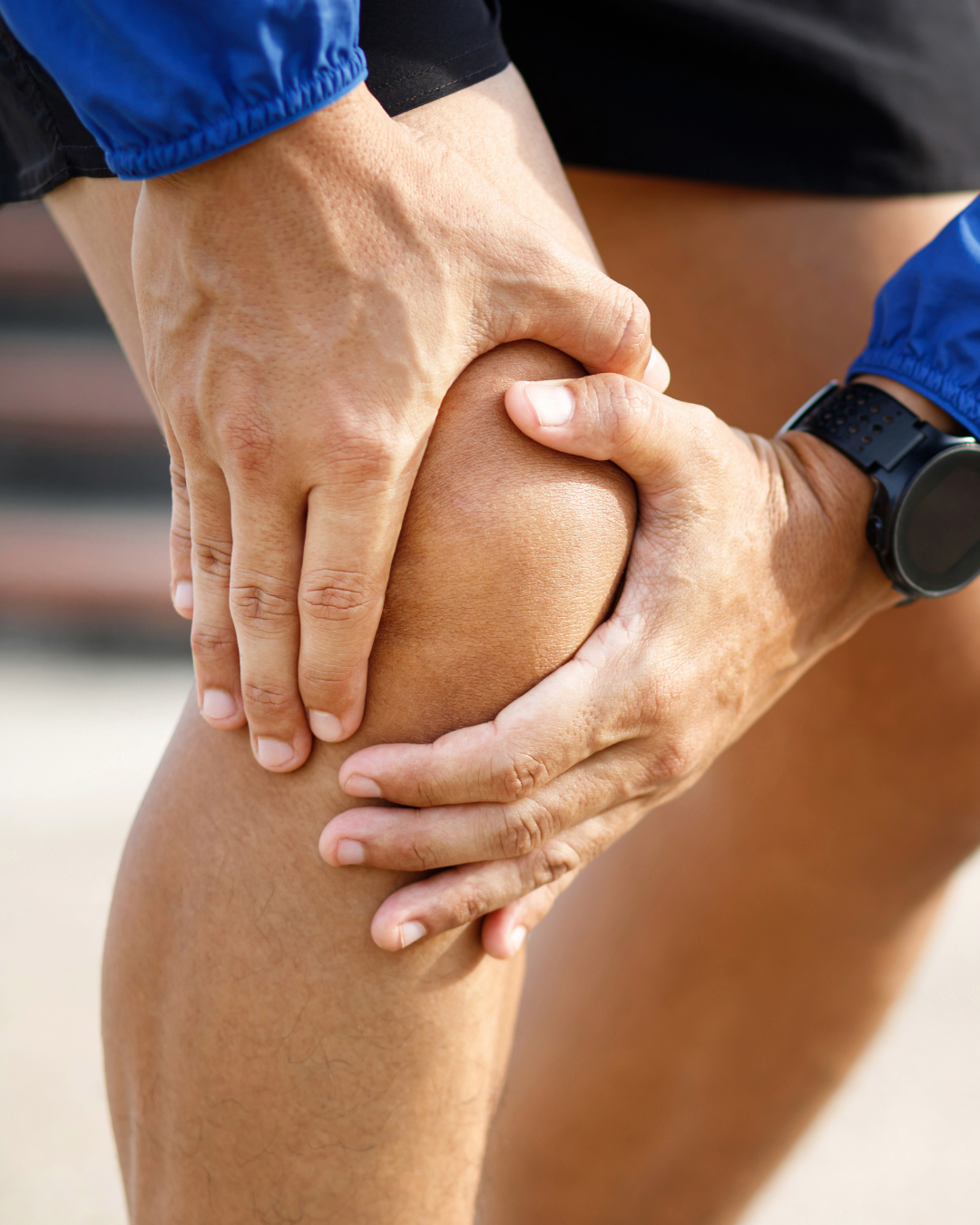
Individualised assessment & treatment not a one-size-fits-all approach.
A holistic approach combining hands-on therapy + active rehab
On-site rehab gym for a complete recovery pathway
A friendly, supportive team who genuinely care about your results
Why Prehab Matters — Before Your Surgery
Many people assume that rehabilitation only begins after surgery. In fact, what you do in the weeks and months beforehand can be just as important.
Research consistently shows that patients who complete a structured prehabilitation program before knee replacement:
- Recover faster and more completely after surgery
- Spend less time in hospital
- Require less pain medication post-operatively
- Regain strength and mobility sooner
- Have greater confidence going into the procedure
The reason is straightforward: the stronger and more mobile your knee is going into surgery, the better foundation your body has to recover from. Even modest improvements in quadriceps strength and range of motion before your operation can make a meaningful difference to your outcome.
What prehab looks like at Active Balance:
- Strengthening exercises targeting the quadriceps, hamstrings, glutes, and calves
- Range of motion work to maximise flexibility before surgery
- Balance and proprioception training
- Education on what to expect from surgery and recovery
- Goal setting and baseline measurement so we can track your progress post-op
Could You Benefit From Prehab?
Prehab is relevant to you if you are:
- On the surgical waiting list and want to use the time productively
- Recently told you will need a knee replacement in the coming months
- Wanting to reduce your risk of complications and speed up recovery
- Managing significant pain or weakness in the lead-up to surgery
- Anxious about the procedure and want to feel more prepared and in control
Even a four to six week prehab program can produce meaningful improvements. If you have longer on the waiting list, we can make even greater gains.
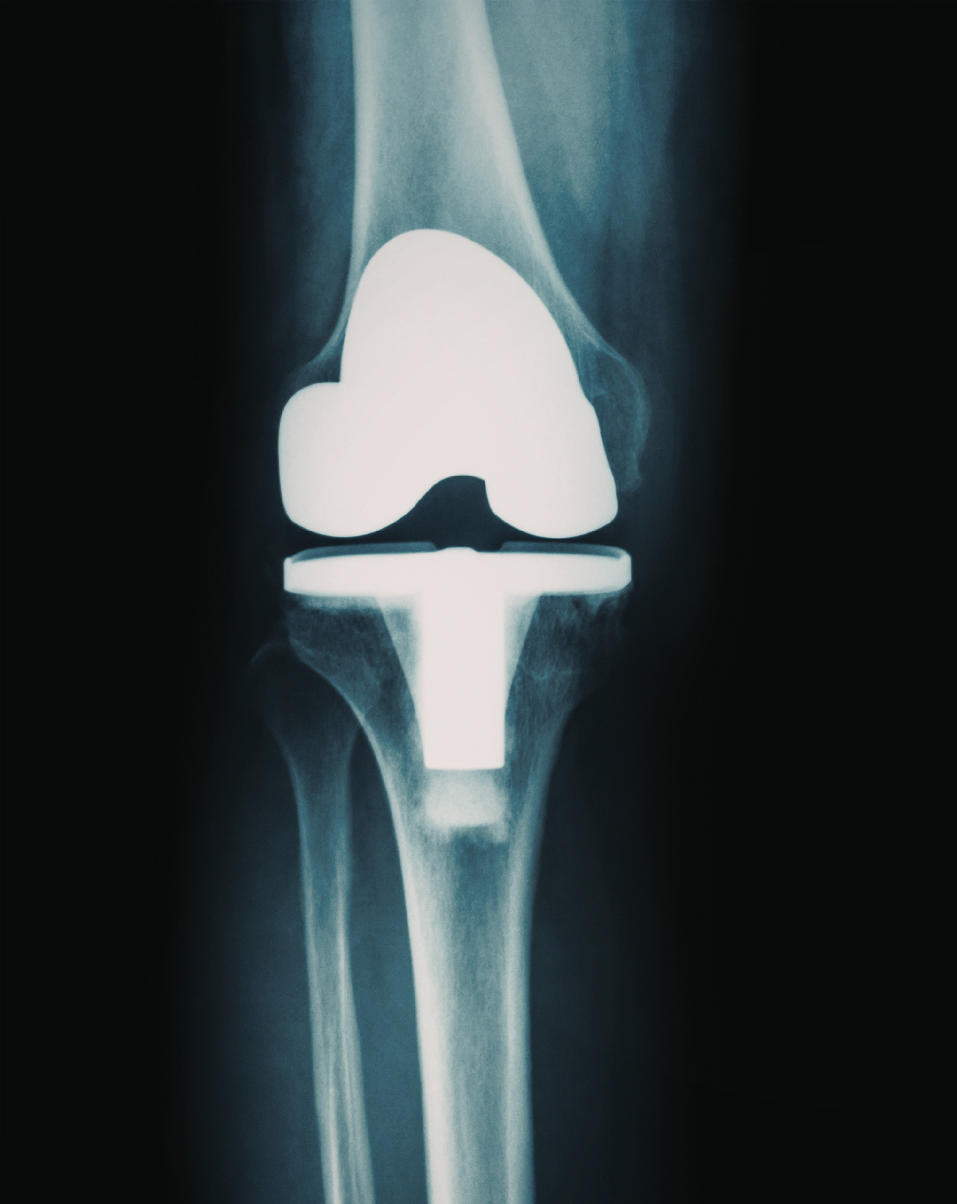
Post-Operative Knee Replacement Rehabilitation
Recovery from a total knee replacement typically takes three to six months for most daily activities, and up to twelve months for full functional recovery — particularly for more demanding activities like hiking, golf, or returning to physical work.
Structured physiotherapy after surgery is essential. Without it, outcomes are significantly worse — including higher rates of stiffness, prolonged pain, and reduced long-term function.
Working With Your Surgical Team
We work collaboratively with your orthopaedic surgeon and any other members of your healthcare team to ensure your rehabilitation aligns with their post-operative protocols and any specific precautions relevant to your procedure. If you have discharge instructions or a protocol from your surgeon, bring them along to your first appointment and we'll build your program around them.
We also work closely with GPs and specialists across Adelaide and welcome referrals from surgical practices managing patients before and after knee replacement.
What to expect from post-op rehab at Active Balance:
Weeks 1–2: Early Recovery
ocus is on pain and swelling management, gentle range of motion exercises, safe mobilisation, and regaining basic function — including getting in and out of bed, chairs, and managing stairs safely.
Weeks 2–6: Building Movement & Early Strength
As swelling settles and your wound heals, we progressively increase range of motion work and begin gentle strengthening in our on-site gym. Walking tolerance and independence with daily activities are key milestones at this stage.
Weeks 6–12: Progressive Strengthening
This is where we start to build meaningful strength through the quadriceps, hamstrings, and glutes — the muscles that support and protect your new knee. Balance, proprioception, and functional movement patterns are also a focus.
3–6 Months: Functional Recovery & Return to Activity
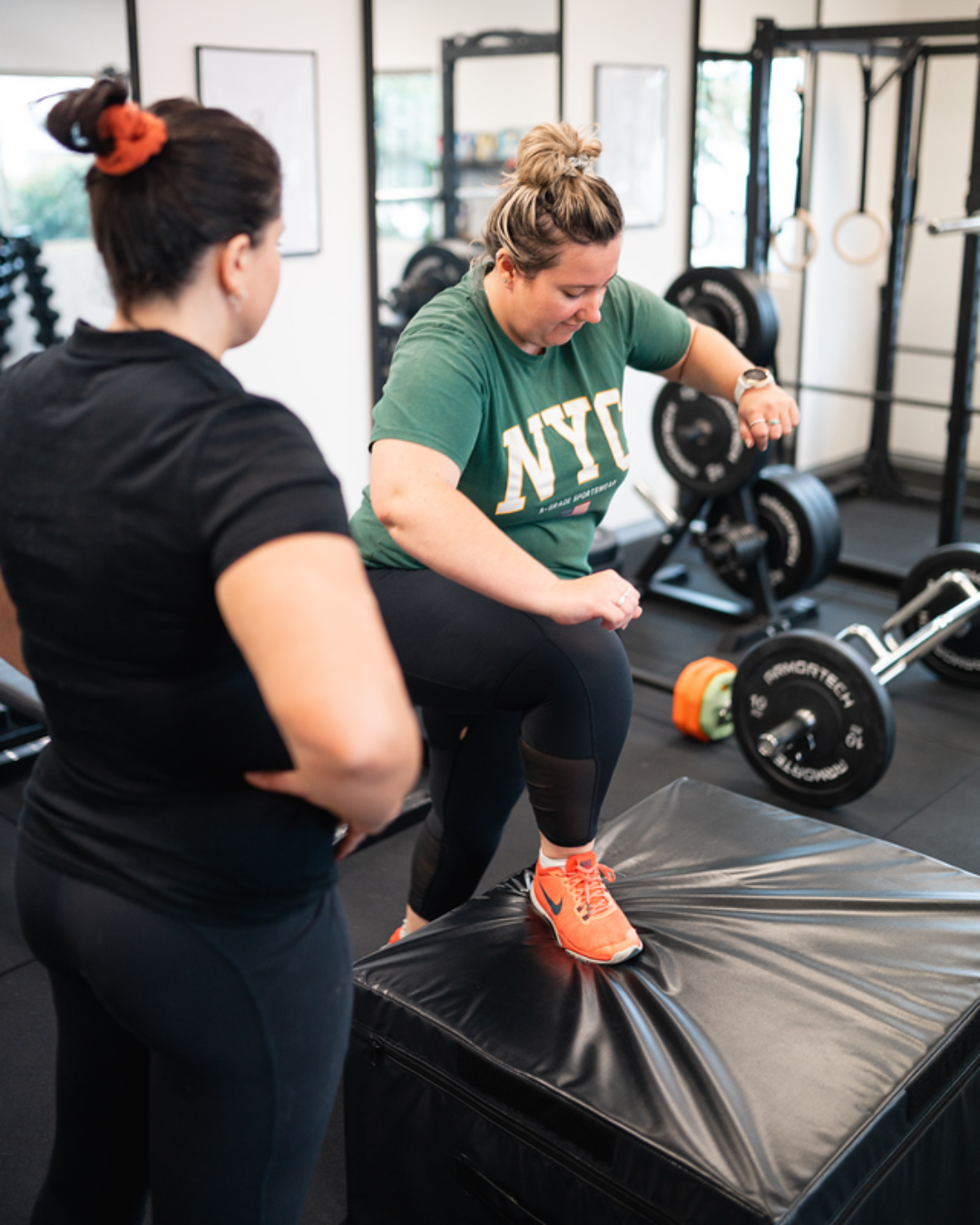
We progress toward your personal goals — whether that's returning to recreational walking, golf, gardening, travel, or physical work. We use objective strength and functional testing to guide progression and make sure you're genuinely ready for each stage.
Knee Replacement Rehab FAQs
Q: When should I start prehab before my knee replacement? As soon as you know surgery is planned. Even if you're in significant pain, there is almost always something we can do to improve your strength, mobility, and readiness. Ideally, we'd like at least six to eight weeks, but any time spent on prehab is better than none.
Q: When can I start physio after my knee replacement? Most people begin physiotherapy within the first one to two weeks after surgery, once they're safely mobile and cleared by their surgical team. The sooner you start, the better your outcomes are likely to be — particularly for regaining range of motion, which can be harder to recover if left too long.
Q: How long will post-op rehab take? Most people achieve their main functional goals within three to six months. Full recovery — including return to more demanding activities — can take up to twelve months. Your physio will give you realistic milestones based on your surgery, your starting point, and your goals.
Q: Do I need a referral to start rehab? No referral is needed to book directly with us. If you're accessing treatment through Medicare's Chronic Disease Management plan, your GP will need to set up a referral. Some private health funds also require a referral for rebates — check with your fund if you're unsure.
Q: My knee still feels stiff months after surgery — is that normal? Some degree of stiffness is common, particularly in the first few months. However, persistent stiffness that isn't improving is worth addressing sooner rather than later. Range of motion is generally easier to recover earlier in the rehab process. If you feel like you've stalled, come in and see us — there's often a lot we can do.
Q: Can I do rehab at my own gym instead of coming in? A home exercise program is an important part of recovery, and we'll give you one. However, supervised rehabilitation — particularly in the early months — produces better outcomes than self-directed exercise alone. Having a physio monitor your technique, progress your loading appropriately, and adjust your program in real time makes a significant difference.
Q: What about returning to sport or recreational activities after a knee replacement? Many people return to low-impact activities such as walking, cycling, swimming, and golf after a total knee replacement. Higher-impact activities depend on your implant type, your surgeon's advice, and your individual recovery. We'll work with you and your surgical team to set safe, realistic return-to-activity goals.
Ready to Start Your Knee Replacement Journey?
Whether you're preparing for surgery or already on the road to recovery, our team at Active Balance is here to help you get the best possible outcome from your knee replacement.
Book an appointment with our physiotherapy team today.