When Should You See a Physiotherapist?

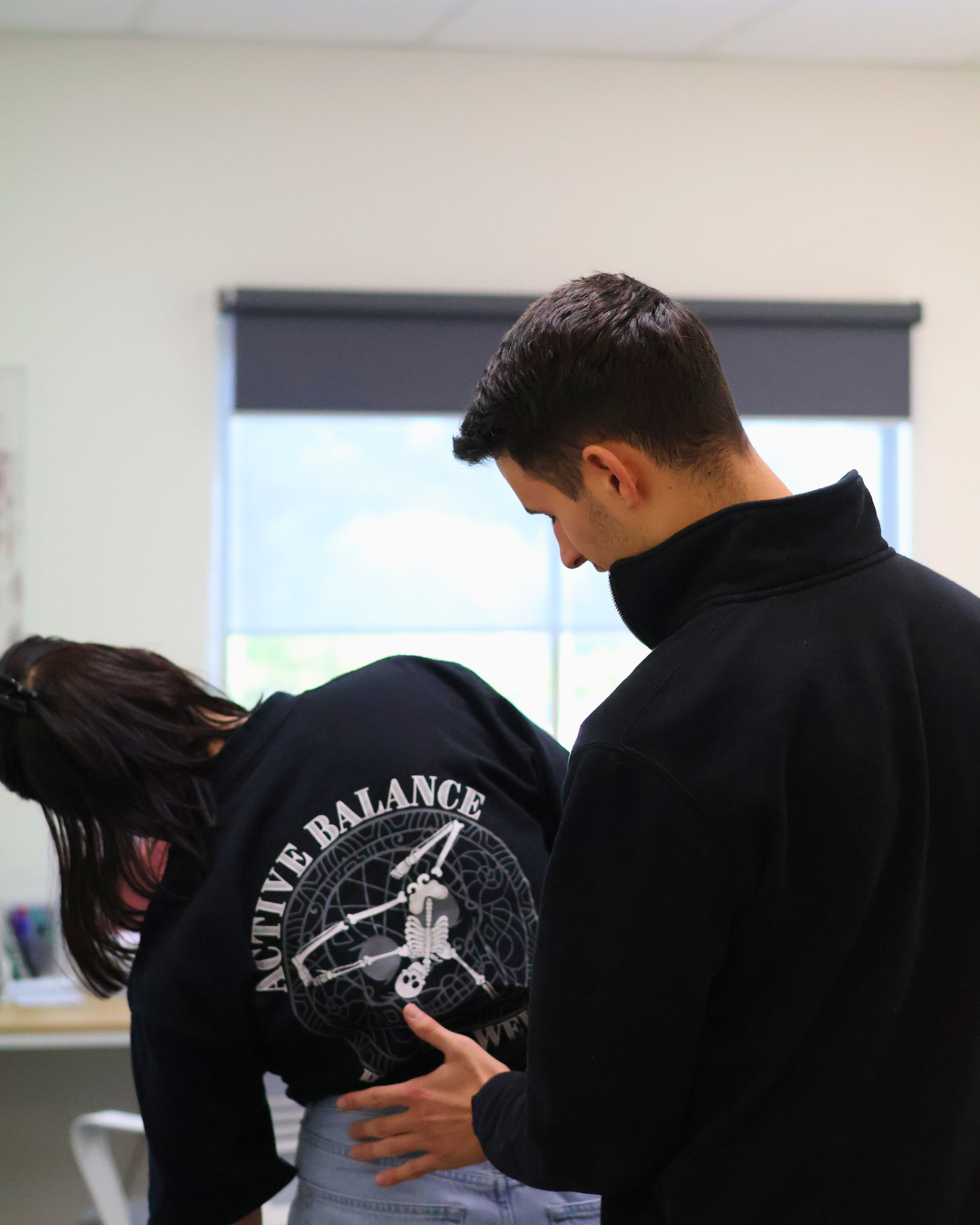
physio assessing back pain at ACtive Balance

It's a question a lot of people quietly wonder about — usually while sitting with a niggle they've been ignoring for weeks, telling themselves it'll sort itself out. Sometimes it does. Often it doesn't. And the longer certain things are left, the more involved the recovery tends to be.

If you've never seen a physiotherapist before, or you're not sure whether what you're dealing with warrants an appointment, this post is for you. Here's an honest guide to when physio is genuinely worth it — and what to expect when you go.


What Does a Physiotherapist Actually Do?

Before getting into the when, it helps to understand the what.

Physiotherapists are university-trained health professionals who specialise in assessing and treating conditions that affect movement, function and physical wellbeing. That includes musculoskeletal injuries — muscles, joints, tendons, ligaments and bones — as well as neurological, cardiorespiratory and developmental conditions.

In practice, what that means is: if something is hurting, stiff, weak, not moving properly, stopping you from doing something you want or need to do, or affecting your quality of life — a physiotherapist can help you understand why, and put together a plan to address it.

A physiotherapy assessment looks at how you move, where the problem is coming from, what's contributing to it and what needs to change. Treatment might involve hands-on therapy, exercise prescription, dry needling, education, load management advice — or a combination of all of these. The goal is always to get you back to doing what matters to you, and to give you the tools to stay there.


Signs It's Time to See a Physio

  • Your injury or pain keeps coming back

This is one of the most telling signs that something needs proper attention. If you've had the same shoulder, knee, back or ankle problem flare up repeatedly — settles for a while, returns when you do something active, settles again — the underlying cause hasn't been addressed.

Recurring pain and injury almost never resolves with rest alone. Rest removes the stress but doesn't improve your capacity to handle it. A physiotherapist can identify what's actually driving the recurrence — whether that's a strength deficit, a movement pattern, a load management issue or something else — and give you a plan that breaks the cycle.

  • Pain or injury is stopping you from doing something you value

This is probably the most important indicator of all. It doesn't matter whether what you're being stopped from doing is running a marathon or hanging the washing out — if pain or injury is limiting your participation in something that matters to you, that's reason enough to seek help.

Knee pain stopping you from walking the dog. Shoulder pain interrupting your sleep. Back pain making it hard to sit at your desk. Hip pain preventing you from picking up your grandchildren. Neck pain affecting your ability to drive. These things affect quality of life in ways that accumulate — and physiotherapy exists specifically to help with them.

  • You have a long-term condition like arthritis

There's a widespread and genuinely harmful misconception that arthritis means you should rest, move less and wait for a joint replacement. For the vast majority of people with osteoarthritis, this is not true.

Physiotherapy is one of the most evidence-supported treatments for osteoarthritis — not because it reverses the joint changes, but because building strength and stability around the joint significantly reduces pain and improves function. The muscles that support the joint are the key variable, and they can always be improved regardless of what a scan shows.

The "bone on bone" diagnosis that frightens so many people into inactivity is often not the whole story. Many people with severe arthritic changes on imaging function very well with minimal pain — and many people in significant pain have relatively mild imaging findings. Building capacity around the joint, not protecting it from all movement, is the path forward for most people.

  • You have a work-related injury or pain

Some jobs place specific and repetitive demands on the body that increase injury risk. Nurses, trades workers and anyone doing physical labour are at higher risk of lower back injuries. Desk workers, drivers and anyone spending long hours in sustained postures are at higher risk of neck, shoulder and upper limb pain.

These conditions are particularly worth addressing early — both because they're often preventable with the right advice, and because continued exposure to the same demands makes recovery harder the longer treatment is delayed. A physiotherapist can help you manage pain, address contributing factors and advise on workplace modifications to reduce ongoing risk.

  • You're returning to exercise after a break

Starting or returning to exercise after a period of inactivity — whether that's post-injury, post-surgery, post-pregnancy or simply after time away — carries a higher injury risk if load is increased too quickly. A physiotherapy assessment before or early in the return to exercise process can identify any weaknesses or movement issues worth addressing, and help you build back in a way that's progressive and safe.

  • You're not injured but want to stay that way

You don't need to be in pain to benefit from physiotherapy. A movement screen and strength assessment can identify vulnerabilities before they become problems — particularly useful for athletes, active people building toward a specific goal, and anyone who has had previous injuries they want to avoid repeating.


What to Expect at Your First Appointment

If you've never seen a physio before, knowing what to expect can make the decision to book a lot easier.

Your first appointment will typically run longer than follow-up sessions — usually 45 to 60 minutes. It starts with a conversation about your history, what's been happening, when it started, what makes it better or worse, and what you want to get back to. Your physiotherapist will then assess how you move — this might involve watching you walk, squat, reach or perform specific movements depending on what you're presenting with.


From there you'll get a clear explanation of what's going on, why it started and what's maintaining it. You'll leave with an understanding of your condition and a plan — which might include hands-on treatment during the session, exercises to do at home and guidance on activity modification.

The goal of a good first appointment isn't just to treat the symptom — it's to understand the whole picture so that treatment actually addresses the cause.


A Note on Timing

Earlier is almost always better. Most musculoskeletal conditions respond more quickly and completely when addressed early — before compensatory movement patterns become established, before strength deficits worsen, and before pain becomes chronic.


If you're on the fence about whether something is worth getting checked, the answer is almost always yes. A single assessment appointment that gives you clarity and a clear direction is never wasted — even if the conclusion is that you don't need ongoing treatment.


If you're dealing with pain, a recurring injury, or something that's been limiting your life longer than it should have, book online or call us on (08) 7123 4148. Our team would love to help you work out what's going on and get you moving well again.

Book Online

Written by Alexander Muscat, Physiotherapist at Active Balance Physio & Wellness, St Marys Adelaide. Alex holds a Bachelor of Physiotherapy (Honours) and has experience treating sports injuries, complex pain management, rehabilitation and joint conditions. He brings an extensive athletic background to his practice including competitive soccer and futsal.

woman experiencing back pain
May 17, 2026
Many women experience worsening back pain during menopause. Our physio team explains why — and what you can do about it. Active Balance, Adelaide.
women exercising
May 17, 2026
What does the research actually say about exercise during menopause? Our physio team explains what works, what doesn't and how to get the best results.
steroid injection
May 16, 2026
Considering a cortisone injection for a persistent injury? Our physio team explains the benefits, risks and how injections fit into a rehabilitation plan.
May 1, 2026
Don’t Hibernate This Winter: Why Keeping Moving Matters More Than Ever
alt=
March 20, 2026
Resting your injury but not improving? Rest treats the symptom, not the cause. Our physio explains why and what to do instead. Active Balance, Adelaide.
Creatine supplements
March 3, 2026
Creatine isn't just for bodybuilders. Our physio team explains the evidence for creatine in athletes, women, menopause and healthy ageing. Active Balance, Adelaide.
February 25, 2026
You may have heard (probably from Instagram physios 🙈) that manual therapy is useless and shouldn’t be used in physiotherapy. We respectfully disagree... Is it a magic fix? No. Does it break up scar tissue, “realign” your spine, or release fascia permanently? Also no. But can it reduce pain and help you move better so rehab is more comfortable and effective? Absolutely. What Is Manual Therapy? Manual therapy refers to skilled, hands-on techniques performed by a physiotherapist (or other manual therapists such as massage therapists, osteopaths, chiros and myotherapists). These may include: Joint mobilisations Soft tissue techniques Trigger point therapy Muscle energy techniques Joint mobilisation These techniques are generally chosen based on your presentation and goals. They are not random, they are applied with a clear purpose: usually to reduce pain, improve movement, and make rehab & recovery more achievable. What Manual Therapy Doesn’t Do There are some persistent myths around hands-on treatment. Current research tells us that manual therapy does not: Physically break up adhesions Permanently “release” fascia Push joints back into place Structurally remodel tissue in a short session Your connective tissue is strong and resilient. It is not being reshaped in 30 minutes of treatment. So if it’s not mechanically changing tissue, what is happening? It Influences the Nervous System Pain does not always mean damage. It is often a protective response created by your nervous system. When an area becomes irritated or overloaded, the nervous system may increase sensitivity. This can lead to: Muscle guarding Stiffness Reduced range of motion Increased pain with movement Manual therapy can provide sensory input to the body. Research suggests that this input can help change how the nervous system processes pain signals. In simple terms, it can: Reduce pain sensitivity Decrease muscle tension Improve short-term movement tolerance Help you feel more comfortable moving Rather than “fixing” injured or tight tissues, manual therapy often works by calming a sensitised nervous system. When the system is calmer, movement becomes easier — and that’s where progress begins. It Can Improve Circulation and Tissue Health Hands-on therapy can also increase local blood flow. Improved circulation may support: Oxygen delivery Nutrient exchange Removal of metabolic waste Overall tissue health This doesn’t mean instant healing, but healthy circulation supports the body’s natural recovery processes. Creating a Window for Rehabilitation This is where manual therapy becomes particularly useful, and where we see a huge benefit. If pain levels are high, exercise can feel: Too uncomfortable Too threatening Hard to perform properly If we can reduce your pain with some hands on treatment (even temporarily) that reduction can create a window of opportunity. During that window, we can: Introduce strengthening & rehab movements Improve joint mobility Retrain movement patterns Gradually increase load & tolerance Build confidence Long-term recovery for most musculoskeletal conditions relies on progressive strengthening and improved load tolerance. Manual therapy doesn’t replace exercise. It helps make exercise possible. What Does the Evidence Say? Clinical guidelines for conditions such as low back pain, neck pain, and some shoulder conditions suggest manual therapy can be helpful, especially when combined with exercise. Research generally shows: Manual therapy can reduce pain in the short term It can improve short-term range of motion Outcomes are better when combined with active rehabilitation On its own, manual therapy tends to produce temporary effects. But when paired with strengthening, mobility work, and education, results are typically more meaningful and longer lasting. This reflects modern physiotherapy practice: use hands-on treatment strategically, not exclusively. What About “Maintenance” Treatments? Work, sport & life in general can place repeated demands on the body. If you do things like: Work in a physically repetitive job Sit at a desk for long hours Play regular sport Lift and carry children Train intensely You are regularly placing load on your tissues, and even strong, healthy tissues can become temporarily overloaded. For some people, regular hands on treatments can: Settle flare-ups early Reduce accumulated muscle tension Improve movement quality Help manage symptom build-up Importantly, this should not replace strength, recovery strategies, and load management. It works best as part of a broader plan that includes: Appropriate exercise Good training progression Rest and recovery Self-management strategies The goal of “maintenance” care is not dependency. It’s about supporting a body that is regularly exposed to high or repetitive demands. Think of it less as “fixing something broken” and more as helping your system stay adaptable and resilient. A Balanced Approach Physiotherapy is not “hands-on versus exercise.” It shouldn’t be an either/or decision. At our clinic, manual therapy is: A tool Used when clinically appropriate More often than not, combined with strengthening and mobility work Generally phased out as independence improves Our goal is never to make you reliant on treatment. Our goal is to: Reduce pain Improve movement Build strength Increase confidence Help you manage your condition independently The Bottom Line Manual therapy does not: Permanently change tissue structure Realign your body Act as a stand-alone cure But it can: Reduce pain Calm a sensitive nervous system Improve short-term mobility Support circulation Create a window for effective rehabilitation When combined with tailored, progressive exercise, it can be a very useful part of your recovery. If you’re unsure whether manual therapy is appropriate for your condition, our physios can assess you and design a plan that supports both short-term comfort and long-term goals.
AI running apps
January 28, 2026
Can AI running apps replace your physio or running coach? Our physio team explores the risks of overreliance on training apps and how to use them safely in Adelaide.
More Posts