Brazilian Lymphatic Drainage for Post-Surgical Recovery: Supporting Healing and Comfort
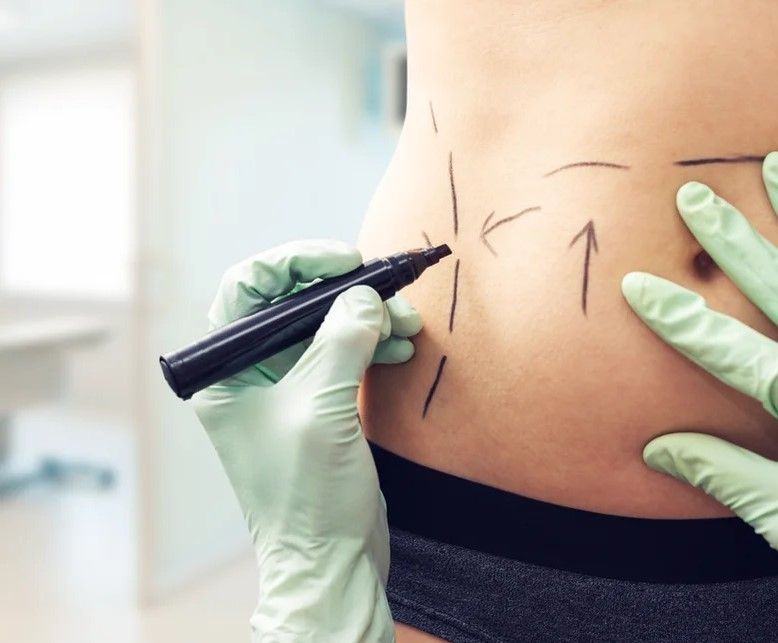
cosmetic surgery

  Recovering from surgery can be challenging, both physically and emotionally. Swelling, bruising, fluid retention, stiffness, and discomfort are common after many procedures, whether they are cosmetic, abdominal, pelvic, or orthopaedic. While medical care and physiotherapy are often essential, complementary therapies such as Brazilian Lymphatic Drainage (BLD) can play a valuable role in supporting recovery and enhancing comfort.


Brazilian Lymphatic Drainage is a firm, dynamic, and continuous massage technique designed to mobilise fluid, reduce tissue congestion, improve circulation, and support the body’s natural healing processes. Unlike traditional lymphatic massage, BLD uses wave-like movements with specific pressure, often targeting the surgical area, surrounding tissues, and key lymphatic pathways, helping to reduce swelling, bruising, and tension.


Understanding post-surgical fluid accumulation

After surgery, the body responds with inflammation and fluid accumulation as part of the healing process. Lymphatic flow can be temporarily impaired due to tissue trauma, incisions, or reduced mobility, leading to:


  • Swelling in the operated area and surrounding tissues
  • Bruising and discolouration
  • Tightness or stiffness in muscles and connective tissue
  • Discomfort or a heavy sensation in affected limbs or torso


Excess fluid can slow recovery, prolong discomfort, and contribute to a feeling of heaviness. Brazilian Lymphatic Drainage helps target these issues by mobilising stagnant fluid, promoting lymphatic flow, and supporting tissue healing.


How Brazilian Lymphatic Drainage supports post-surgical recovery


  • Reduces swelling and oedema
  • BLD uses firm, continuous, wave-like movements to move excess fluid from the surgical site and surrounding tissues toward lymph nodes for clearance. This helps reduce post-operative swelling, making the affected area feel lighter and more comfortable.
  • Helps reduce bruising faster
  • Bruising occurs when blood leaks into surrounding tissues after surgery. By stimulating lymphatic and circulatory flow, BLD encourages efficient removal of these by-products, potentially reducing the duration and intensity of bruising.
  • Enhances circulation and tissue oxygenation
  • Improved lymphatic and blood circulation ensures that tissues around the surgical site receive oxygen and nutrients essential for healing. This can support collagen production, tissue repair, and overall recovery.
  • Promotes scar and tissue flexibility
  • Post-surgical adhesions, stiffness, or tightness can develop around the incision site. BLD’s dynamic, firm strokes gently mobilise tissues, helping to maintain flexibility, improve mobility, and reduce discomfort in the early stages of healing.
  • Supports detoxification
  • Surgery generates metabolic by-products as part of tissue repair. BLD helps move stagnant fluid away from the area, allowing the lymphatic system to efficiently eliminate toxins, which supports overall recovery and reduces systemic fatigue.
  • Encourages relaxation and reduces stress
  • While BLD is firm and dynamic, many patients report a sense of deep relaxation and relief during and after treatment. This reduction in stress hormones can complement healing by supporting immune function and encouraging overall wellbeing.


What to expect during a post-surgical BLD session

A typical session lasts 45–60 minutes, tailored to the individual’s surgical site and stage of recovery. During the session:


  • The therapist applies firm, continuous wave-like movements to the surgical area and surrounding tissues
  • Fluid is mobilised toward key lymph nodes (inguinal, axillary, and cervical)
  • Pressure is adjusted to the patient’s comfort level, always firm enough to move fluid effectively without causing harm
  • Sessions may also target limbs or torso if swelling extends beyond the surgical site


Clients often notice immediate lightness, reduced swelling, and improved mobility after a session. Some may experience increased urination, which is a natural response as fluid is cleared from tissues.


Timing and frequency

The timing and frequency of BLD after surgery depend on the type of procedure and the person's healing progress. This can be discussed with your massage therapist as you progress. 

Generally:


  • Early intervention: Once cleared by your surgeon, BLD can be started to manage early swelling and bruising.
  • Regular sessions: Weekly or biweekly sessions may be recommended to maintain lymphatic flow, reduce oedema, and support ongoing tissue healing.
  • Tailored approach: Each session is customised to the patient’s surgical area, comfort level, and stage of recovery.
  • Consistency is key, as regular BLD can accelerate recovery, reduce complications from fluid accumulation, and help restore comfort and mobility.


Complementary post-surgical care strategies

BLD is most effective when combined with other supportive measures:


  • Hydration: Adequate water intake helps maintain lymphatic flow and reduce swelling.
  • Gentle movement: Light walking or physiotherapy-approved exercises enhance circulation and prevent stiffness.
  • Balanced nutrition: Protein-rich, nutrient-dense foods support tissue repair and collagen formation.
  • Compression garments: If prescribed, these support lymphatic drainage and prevent fluid accumulation between sessions.
  • Stress management: Relaxation techniques complement BLD’s effects and support overall healing.


Who may benefit

BLD can benefit individuals recovering from a variety of surgical procedures, including:


  • Cosmetic surgeries (abdominoplasty, liposuction, breast surgery)
  • Orthopaedic procedures (joint replacements, ligament repairs)
  • Abdominal or pelvic surgeries (hysterectomy, C-section, hernia repair)
  • Any surgery where swelling, bruising, or tissue tightness is present


It is important to note that BLD is complementary and should always be performed with clearance from the treating surgeon &/or medical practitioner.


Final thoughts...

Post-surgical recovery can be uncomfortable and slow, particularly when fluid retention, bruising, or tissue tightness is present. Brazilian Lymphatic Drainage offers a firm, dynamic, and highly effective approach to support healing, reduce swelling, and improve overall comfort.


Regular BLD sessions, combined with hydration, gentle movement, balanced nutrition, and appropriate medical care, provide a holistic approach to recovery. By targeting the surgical area, surrounding tissues, and key lymphatic pathways, BLD helps mobilise fluid, improve circulation, and enhance tissue repair, leaving patients feeling lighter, more mobile, and more comfortable as they heal.


Like to Book for post surgical Lymphatic Drainage? Please get in touch & we can discuss the best treatment plan for you 😊

woman experiencing back pain
May 17, 2026
Many women experience worsening back pain during menopause. Our physio team explains why — and what you can do about it. Active Balance, Adelaide.
women exercising
May 17, 2026
What does the research actually say about exercise during menopause? Our physio team explains what works, what doesn't and how to get the best results.
steroid injection
May 16, 2026
Considering a cortisone injection for a persistent injury? Our physio team explains the benefits, risks and how injections fit into a rehabilitation plan.
May 1, 2026
Don’t Hibernate This Winter: Why Keeping Moving Matters More Than Ever
alt=
March 20, 2026
Resting your injury but not improving? Rest treats the symptom, not the cause. Our physio explains why and what to do instead. Active Balance, Adelaide.
Creatine supplements
March 3, 2026
Creatine isn't just for bodybuilders. Our physio team explains the evidence for creatine in athletes, women, menopause and healthy ageing. Active Balance, Adelaide.
February 25, 2026
You may have heard (probably from Instagram physios 🙈) that manual therapy is useless and shouldn’t be used in physiotherapy. We respectfully disagree... Is it a magic fix? No. Does it break up scar tissue, “realign” your spine, or release fascia permanently? Also no. But can it reduce pain and help you move better so rehab is more comfortable and effective? Absolutely. What Is Manual Therapy? Manual therapy refers to skilled, hands-on techniques performed by a physiotherapist (or other manual therapists such as massage therapists, osteopaths, chiros and myotherapists). These may include: Joint mobilisations Soft tissue techniques Trigger point therapy Muscle energy techniques Joint mobilisation These techniques are generally chosen based on your presentation and goals. They are not random, they are applied with a clear purpose: usually to reduce pain, improve movement, and make rehab & recovery more achievable. What Manual Therapy Doesn’t Do There are some persistent myths around hands-on treatment. Current research tells us that manual therapy does not: Physically break up adhesions Permanently “release” fascia Push joints back into place Structurally remodel tissue in a short session Your connective tissue is strong and resilient. It is not being reshaped in 30 minutes of treatment. So if it’s not mechanically changing tissue, what is happening? It Influences the Nervous System Pain does not always mean damage. It is often a protective response created by your nervous system. When an area becomes irritated or overloaded, the nervous system may increase sensitivity. This can lead to: Muscle guarding Stiffness Reduced range of motion Increased pain with movement Manual therapy can provide sensory input to the body. Research suggests that this input can help change how the nervous system processes pain signals. In simple terms, it can: Reduce pain sensitivity Decrease muscle tension Improve short-term movement tolerance Help you feel more comfortable moving Rather than “fixing” injured or tight tissues, manual therapy often works by calming a sensitised nervous system. When the system is calmer, movement becomes easier — and that’s where progress begins. It Can Improve Circulation and Tissue Health Hands-on therapy can also increase local blood flow. Improved circulation may support: Oxygen delivery Nutrient exchange Removal of metabolic waste Overall tissue health This doesn’t mean instant healing, but healthy circulation supports the body’s natural recovery processes. Creating a Window for Rehabilitation This is where manual therapy becomes particularly useful, and where we see a huge benefit. If pain levels are high, exercise can feel: Too uncomfortable Too threatening Hard to perform properly If we can reduce your pain with some hands on treatment (even temporarily) that reduction can create a window of opportunity. During that window, we can: Introduce strengthening & rehab movements Improve joint mobility Retrain movement patterns Gradually increase load & tolerance Build confidence Long-term recovery for most musculoskeletal conditions relies on progressive strengthening and improved load tolerance. Manual therapy doesn’t replace exercise. It helps make exercise possible. What Does the Evidence Say? Clinical guidelines for conditions such as low back pain, neck pain, and some shoulder conditions suggest manual therapy can be helpful, especially when combined with exercise. Research generally shows: Manual therapy can reduce pain in the short term It can improve short-term range of motion Outcomes are better when combined with active rehabilitation On its own, manual therapy tends to produce temporary effects. But when paired with strengthening, mobility work, and education, results are typically more meaningful and longer lasting. This reflects modern physiotherapy practice: use hands-on treatment strategically, not exclusively. What About “Maintenance” Treatments? Work, sport & life in general can place repeated demands on the body. If you do things like: Work in a physically repetitive job Sit at a desk for long hours Play regular sport Lift and carry children Train intensely You are regularly placing load on your tissues, and even strong, healthy tissues can become temporarily overloaded. For some people, regular hands on treatments can: Settle flare-ups early Reduce accumulated muscle tension Improve movement quality Help manage symptom build-up Importantly, this should not replace strength, recovery strategies, and load management. It works best as part of a broader plan that includes: Appropriate exercise Good training progression Rest and recovery Self-management strategies The goal of “maintenance” care is not dependency. It’s about supporting a body that is regularly exposed to high or repetitive demands. Think of it less as “fixing something broken” and more as helping your system stay adaptable and resilient. A Balanced Approach Physiotherapy is not “hands-on versus exercise.” It shouldn’t be an either/or decision. At our clinic, manual therapy is: A tool Used when clinically appropriate More often than not, combined with strengthening and mobility work Generally phased out as independence improves Our goal is never to make you reliant on treatment. Our goal is to: Reduce pain Improve movement Build strength Increase confidence Help you manage your condition independently The Bottom Line Manual therapy does not: Permanently change tissue structure Realign your body Act as a stand-alone cure But it can: Reduce pain Calm a sensitive nervous system Improve short-term mobility Support circulation Create a window for effective rehabilitation When combined with tailored, progressive exercise, it can be a very useful part of your recovery. If you’re unsure whether manual therapy is appropriate for your condition, our physios can assess you and design a plan that supports both short-term comfort and long-term goals.
AI running apps
January 28, 2026
Can AI running apps replace your physio or running coach? Our physio team explores the risks of overreliance on training apps and how to use them safely in Adelaide.
More Posts