
Brazilian Lymphatic Drainage for Bloating and Food Intolerances: Supporting Digestive Comfort
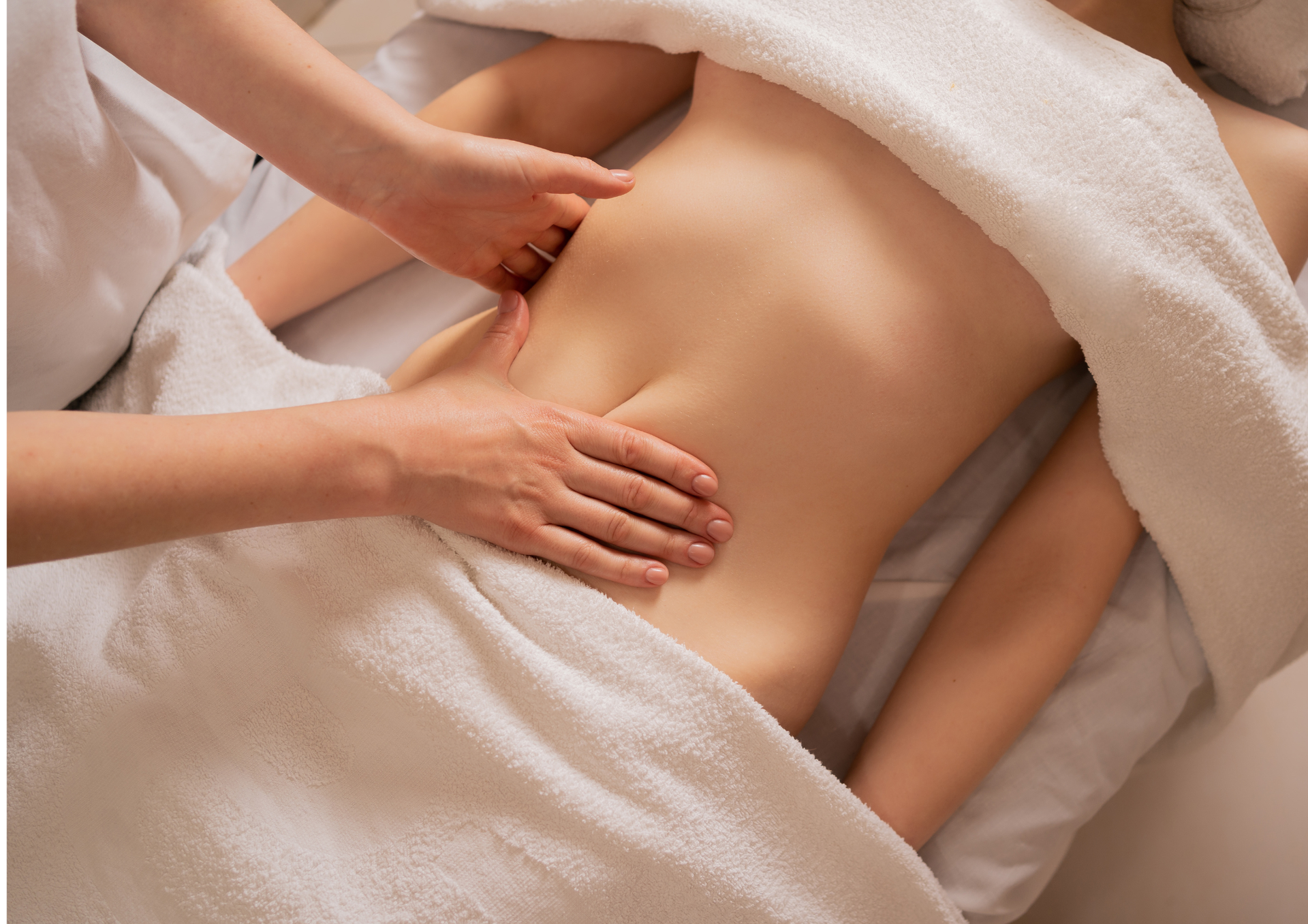
Bloating and digestive discomfort are common issues for many people, often linked to food intolerances, sensitivities, or slow digestion. Abdominal fullness, discomfort, or a “heavy” feeling can affect daily comfort, energy levels, and overall wellbeing. While dietary management is essential for addressing food intolerances, Brazilian Lymphatic Drainage (BLD) can be a valuable complementary therapy for improving digestion, reducing bloating, and supporting overall abdominal comfort.
Book Appointment
What is Brazilian Lymphatic Drainage?
Unlike traditional lymphatic drainage, BLD is firm, dynamic, and continuous, using wave-like movements along the abdomen, pelvis, and surrounding areas. This technique helps mobilise fluid, support digestive organs, and improve lymphatic flow, reducing bloating and promoting a lighter, more comfortable feeling in the body.
Understanding bloating and food intolerances
Bloating occurs when the digestive system becomes congested with fluid, gas, or inflammation, causing a full, tight, or heavy feeling in the abdomen. It can be triggered by:
- Food intolerances or sensitivities (e.g., dairy, gluten, FODMAPs)
- Slow digestion or impaired gut motility
- Fluid retention in the abdominal tissues
- Stress, which can affect gut function
Food intolerances can exacerbate bloating by creating inflammation and fluid retention in the digestive tract and surrounding tissues. Brazilian Lymphatic Drainage works to support the body’s natural drainage system, encouraging the removal of excess fluid, inflammatory by-products, and metabolic waste. This helps relieve abdominal pressure and support overall digestive comfort.
How Brazilian Lymphatic Drainage helps to:
- Reduce abdominal bloating
- BLD applies firm, continuous, wave-like movements to the abdomen, pelvis, and surrounding areas, actively mobilising stagnant fluid and relieving pressure. This helps ease bloating, distension, and the “heavy” feeling that often accompanies food intolerances
- Support digestive flow and organ function
- Firm, dynamic abdominal movements stimulate lymphatic flow and circulation around the digestive organs, including the stomach, intestines, and liver. Improved fluid and blood flow supports nutrient delivery, waste removal, and digestive efficiency, reducing discomfort and promoting regularity.
- Mobilise fluid and reduces tissue congestion
- Bloating is often accompanied by localized fluid retention in the abdominal and pelvic tissues. BLD’s firm, continuous strokes encourage the movement of this fluid toward the lymph nodes, helping to reduce pressure, swelling, and overall abdominal heaviness.
- Enhance detoxification and tissue health
- BLD helps support the body’s natural detoxification processes by moving lymph and waste products away from the digestive organs. This can reduce inflammation, relieve tissue tension, and promote healthier cellular function, complementing dietary strategies for managing food intolerances.
- Promote relaxation and reduces stress-related digestive issues
- While BLD is firm and dynamic, many clients report a deep sense of relief and relaxation during and after treatment. Stress can exacerbate bloating and digestive discomfort, so supporting the parasympathetic nervous system can indirectly improve digestive function and fluid balance.
- Provide contouring and abdominal toning benefits
- A unique aspect of BLD is its sculpting effect. Firm, flowing abdominal and pelvic movements not only reduce fluid and bloating but also support a toned, lighter feeling in the torso. Clients often notice an immediate difference in abdominal softness and comfort.
What to expect during a BLD session for bloating
- A typical session lasts 45–60 minutes and focuses on the abdomen, pelvis, and surrounding tissues:
- Firm, continuous, wave-like strokes mobilise fluid and support lymphatic drainage
- Movements target the abdominal organs and surrounding tissues to improve circulation and digestive comfort
- Fluid is directed toward key lymph nodes, including the inguinal and cervical nodes
- Sessions may also include the glutes and lower limbs if fluid retention extends beyond the abdomen
After a session, clients often notice:
- Immediate relief from abdominal bloating
- A lighter, more comfortable feeling in the torso
- Increased urination as excess fluid is cleared
- Improved energy and digestive comfort
Frequency and consistency
For occasional bloating, a single session can provide noticeable relief. For chronic bloating related to food intolerances, regular sessions are recommended:
- Weekly or biweekly sessions help maintain abdominal drainage and digestive comfort
- Consistency supports fluid balance, tissue health, and organ function
- Over time, regular BLD can reduce the frequency and severity of bloating and improve overall abdominal comfort
Complementary strategies
Brazilian Lymphatic Drainage works best alongside supportive lifestyle and dietary strategies:
- Hydration: Adequate water intake supports lymphatic and digestive flow
- Dietary management: Identifying and reducing trigger foods can reduce inflammation and bloating
- Gentle movement: Walking, yoga, or stretching improves circulation and digestive motility
- Stress management: Relaxation techniques complement BLD by reducing stress-related digestive tension
- Gut-supporting nutrition: Prebiotics, probiotics, and nutrient-dense foods help optimise digestive health
Who may benefit:
- People experiencing chronic or occasional abdominal bloating
- People with food intolerances or sensitivities causing fluid retention and digestive discomfort
- Anyone seeking a dynamic, effective therapy to support lymphatic and digestive function
- Those looking for abdominal comfort, reduced pressure, and a sculpted feeling
It is important to note that BLD is a complementary therapy. Persistent digestive issues should always be discussed with a healthcare provider to identify and manage underlying causes.
Final thoughts...
Bloating and discomfort from food intolerances can impact daily life and overall wellbeing. Brazilian Lymphatic Drainage offers a firm, dynamic, and effective approach to supporting fluid movement, reducing abdominal pressure, and improving digestive comfort.
When combined with hydration, dietary management, gentle movement, and stress reduction, BLD can provide a holistic strategy for managing bloating and supporting digestive health. By targeting the abdomen, pelvis, and surrounding tissues, Brazilian Lymphatic Drainage not only helps alleviate bloating but also promotes a lighter, more comfortable, and energised feeling throughout the body.
Is Deadlifting Bad for My Back? Why No Movement Is "Dangerous"
Why Your Back Pain Probably Isn't Your "Weak Core"

Vertigo: Causes, Home Care, and Treatment Options
What's Actually Involved in a Running Assessment (It's More Than Watching You Jog)
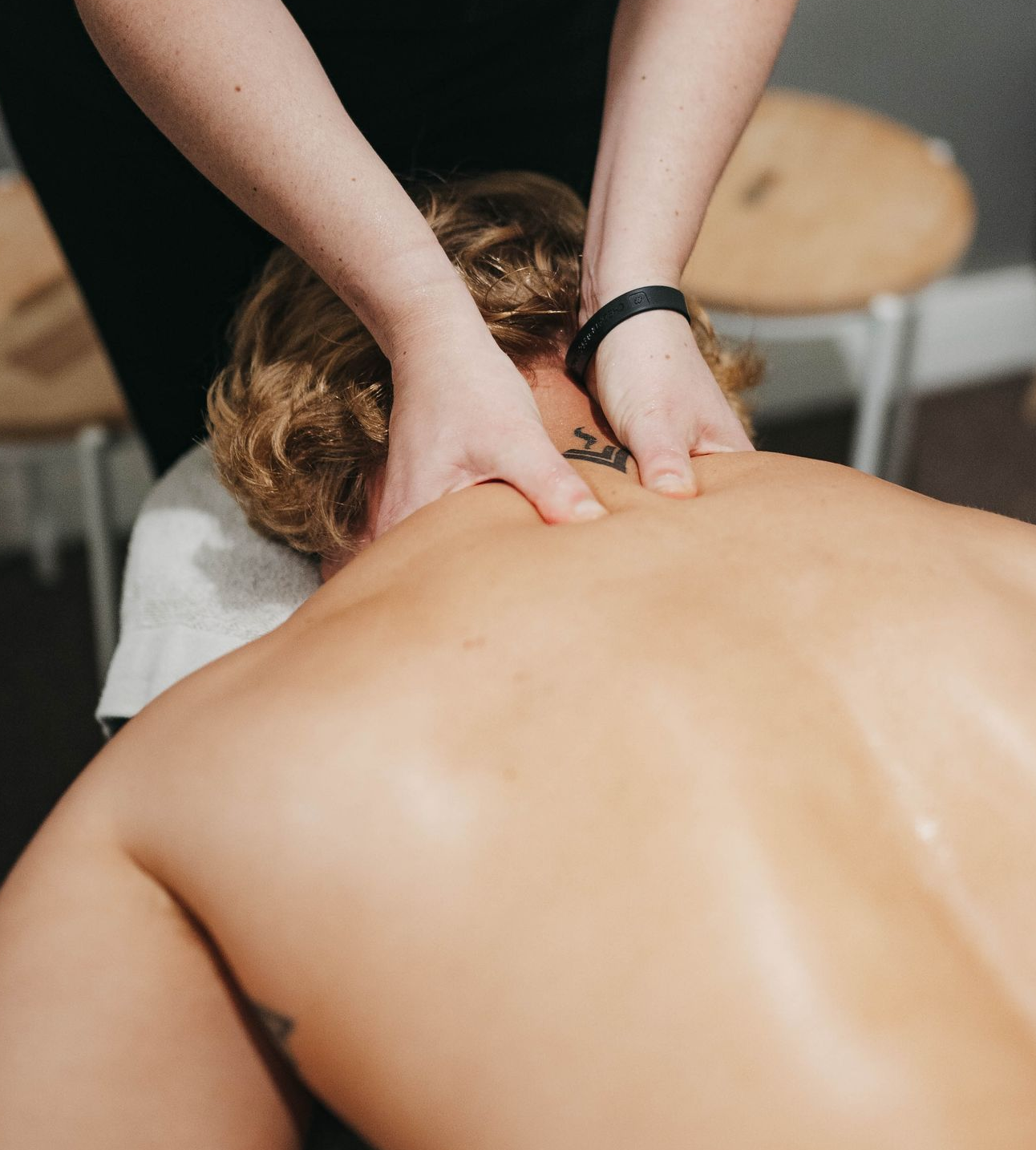
Weekly, monthly, or somewhere in between? Here's how to know how often remedial massage actually helps, and what changes your quality of life.

Tradies carry the physical load of the job. This Tradies National Health Month, find out how physio can help you keep working pain-free.

When most people think about improving their sport or getting back from an injury, they think about the gym, the physio room, or the training track. Food rarely gets the same attention, but what you eat has a direct impact on how well you recover, how resilient your body is to injury, and how you perform when it counts

It's becoming more common for people to research their pain or injury using AI chatbots before they ever see a physiotherapist. But there's an important difference between researching a topic and getting an actual clinical assessment.