Scheuermann’s Disease Treatment Adelaide
Back Pain Physiotherapy St Marys
Have you or your teenager noticed a rounded upper back that doesn’t straighten even when trying to stand tall? Is there mid-back pain or stiffness that’s worse with sport or long periods of sitting?
These can be signs of Scheuermann’s disease, a common spinal condition that develops during the teenage growth years. A diagnosis can feel worrying, especially as a parent, but most people manage very well with the right guidance. At Active Balance, we use tailored exercise, hands-on treatment and practical advice to ease pain, improve posture and keep you or your child active and confident.
Scheuermann’s Disease Treatment in Adelaide
What Is Scheuermann’s Disease ?
Scheuermann’s disease, also called Scheuermann’s kyphosis, is a condition where some vertebrae (the bones of the spine) grow unevenly during childhood and adolescence. Instead of being rectangular, the front of the vertebrae grows more slowly than the back, so they become wedge-shaped.
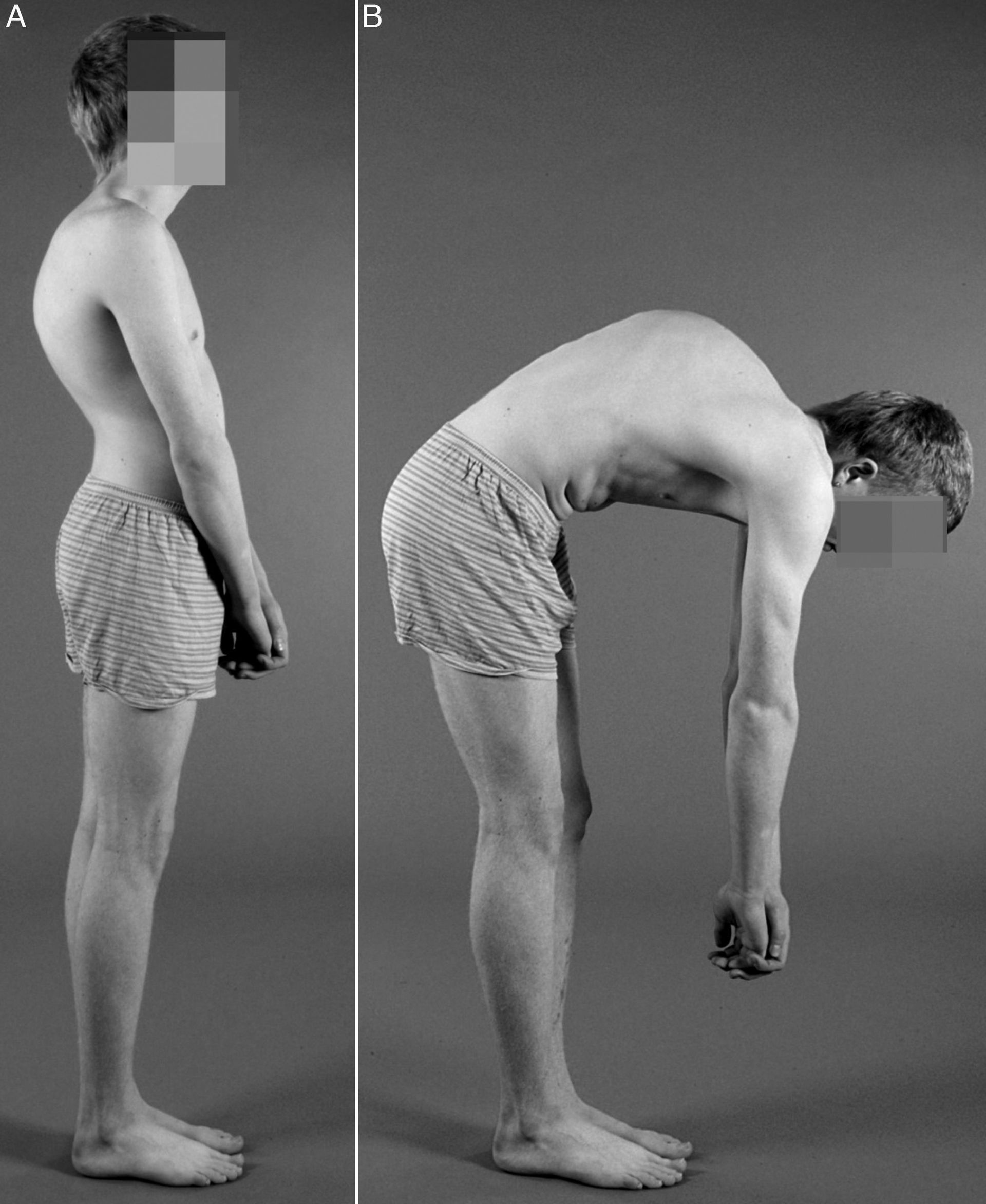
When several vertebrae are affected, the spine curves forward more than usual. This creates a rounded upper back, known as kyphosis. It most commonly affects the mid back (thoracic spine), but it can also affect the lower part of the mid back and upper lower back.
A rounded posture from slouching is flexible and corrects when you sit or stand up straight. Scheuermann’s is a structural curve, so it stays rounded even when you try to straighten up.
Who Does Scheuermann’s Disease Affect?
- Teenagers, usually developing between the ages of 10 and 15 during growth spurts
- Boys more commonly than girls
- Young people with a family history of Scheuermann’s
- Active teens and young adults, especially in sports with heavy spinal loading such as gymnastics, rowing or weightlifting, which may make symptoms more noticeable
- Adults with Scheuermann’s from their teenage years may also seek treatment for ongoing back pain or stiffness.
Contributing Factors & Causes
The exact cause isn’t fully understood, but it’s thought to involve:
- Genetics and family history
- Changes in the growth of the vertebral growth plates during rapid growth
- Heavy or repetitive loading through the spine during the growth years may contribute in some people
- Scheuermann’s is not caused by poor posture or carrying a heavy school bag.
Symptoms & Signs
- A rounded upper back that doesn’t fully correct when standing up straight
- Mid-back pain, especially with activity or after sitting or standing for long periods
- Stiffness through the spine
- Tight hamstrings and chest muscles
- Fatigue in the back muscles
- An increased curve in the lower back or neck, as the body compensates for the rounding
- Some people have very little pain, and the curve is noticed by a parent, teacher, coach or doctor.
How Physiotherapy Can Help Manage Scheuermann’s Disease
Physiotherapy is a key part of managing Scheuermann’s, particularly for easing pain and improving posture and strength.
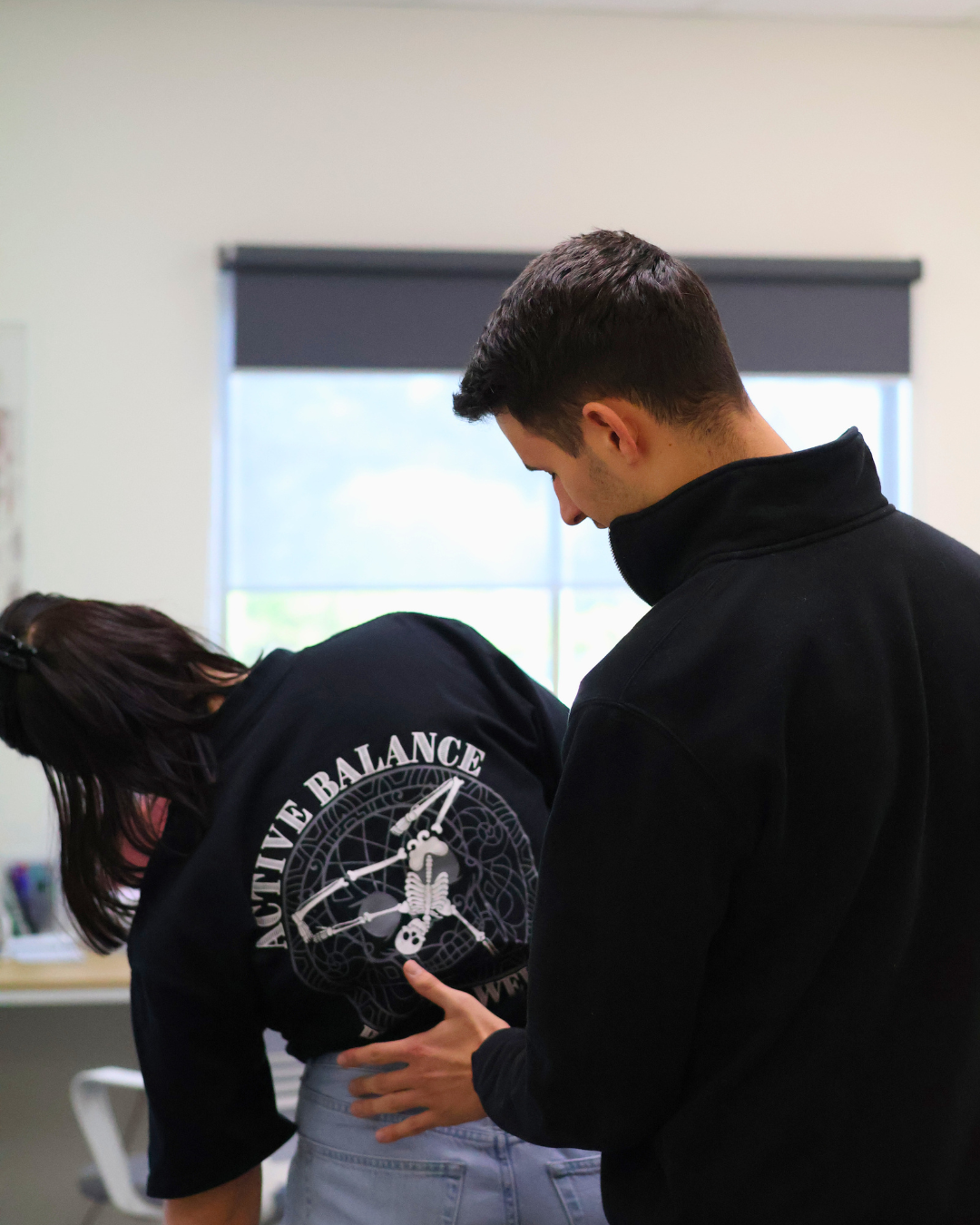
- A thorough assessment looks at your posture, spinal movement, flexibility and strength. We’ll refer for an X-ray if needed to confirm the diagnosis and measure the curve.
- Strengthening exercises target the muscles that support an upright posture, especially the upper back, shoulder blades and core.
- Mobility and flexibility work improves movement through the mid back and eases tightness in the hamstrings, hip flexors and chest.
- Hands-on treatment, including soft tissue work and gentle mobilisation, can ease pain and stiffness.
- Activity and sport advice helps you stay active while managing symptoms. We’ll look at how training, study and daily habits affect your back, and suggest adjustments where needed.
- Monitoring during growth is important for teenagers. We’ll keep an eye on the curve and refer to an orthopaedic specialist if it’s progressing or bracing may be helpful.
How Massage & Myotherapy Can Help
Scheuermann’s often leads to muscle tension and fatigue through the upper back, neck, shoulders and chest. Remedial massage and myotherapy can ease this tension, improve comfort and support your exercise program.
Our massage and myotherapy team works with your physio so your care is coordinated and suited to you.

When to Seek Further Medical Advice
Most people with Scheuermann’s are well managed with exercise and physiotherapy. However, see your GP or specialist promptly if you notice:
- The curve getting noticeably worse, especially during a growth spurt
- Numbness, tingling or weakness in the legs, or changes to bladder or bowel control (rare, but needs urgent attention)
- Severe pain that isn’t settling with rest or treatment
- Night pain, fever, unexplained weight loss or feeling generally unwell
- Difficulty breathing (very rare, and only with severe curves)
If anything in your assessment suggests further review is needed, we can refer you to your GP or an orthopaedic specialist.
Prognosis
The outlook for Scheuermann’s disease is generally good.
- The curve usually stops progressing once growth is complete
- Many people have mild symptoms that are well managed with exercise and staying active
- Bracing may be recommended for some growing teenagers with larger curves
- Surgery is rarely needed, and is usually only considered for severe curves or significant ongoing symptoms
Staying strong and active is one of the best ways to manage symptoms in the long term.
Why Choose Active Balance Physio & Wellness?
Physio-led integrated care
Physio, massage, myo & rehab under one roof
Individualised treatment plans
Friendly, caring team focused on results
Convenient Adelaide location
After-hours appointments available
Frequently Asked Questions
Q: Did I (or my child) cause this with bad posture?
No. Scheuermann’s is caused by how the vertebrae grow, not by slouching, screen time, or a heavy school bag. It’s a common worry for parents, but it isn’t anyone’s fault. The good news is that exercise and good habits can help manage symptoms and support a stronger posture.
Q: Can my child keep playing sport?
In most cases, yes. Staying active is encouraged. Some sports with heavy or repetitive spinal loading may need modifying during painful periods or growth spurts. Your physio can help with sport-specific advice.
Q: Will exercises straighten the curve?
Exercise can’t change the shape of the vertebrae, but it can improve posture, strength and flexibility, reduce pain, and help the back look and feel better. For growing teenagers with larger curves, bracing may also be considered.
Q: Do we need an X-ray?
Yes, an X-ray is usually needed to confirm the diagnosis and measure the curve. Your physio or GP can arrange this.
Q: Will my child need a brace or surgery?
Most people don’t. Bracing is sometimes recommended for growing teenagers with larger or progressing curves. Surgery is rare and only considered for severe cases. We’ll refer you to a specialist if either might be appropriate.
✅Private Health Rebates
✅Same Week Appointments
✅Experienced Team
✅Onsite Parking
Ready to Get Your Back Pain Sorted
Don’t let Scheuermann’s disease hold you or your child back from sport, school or the activities you love. With the right guidance and a tailored exercise program, most people stay active and manage their symptoms well.