The Problem With RICE
Dr Gabe Mirkin introduced the RICE protocol in 1978. For over 40 years it became the default response to acute injury — taught in first aid courses, handed out in emergency departments, and repeated by coaches and parents everywhere.
Then in 2012, Dr Mirkin publicly revised his own position. His conclusion, supported by a growing body of research, was that ice and prolonged rest may actually delay healing rather than help it.
Here's why: when you injure soft tissue, your body triggers an inflammatory response. This inflammation — the swelling, warmth and redness you see after an injury — is not your enemy. It's your body's repair system activating. Immune cells flood the area, clearing damaged tissue and initiating the healing process.
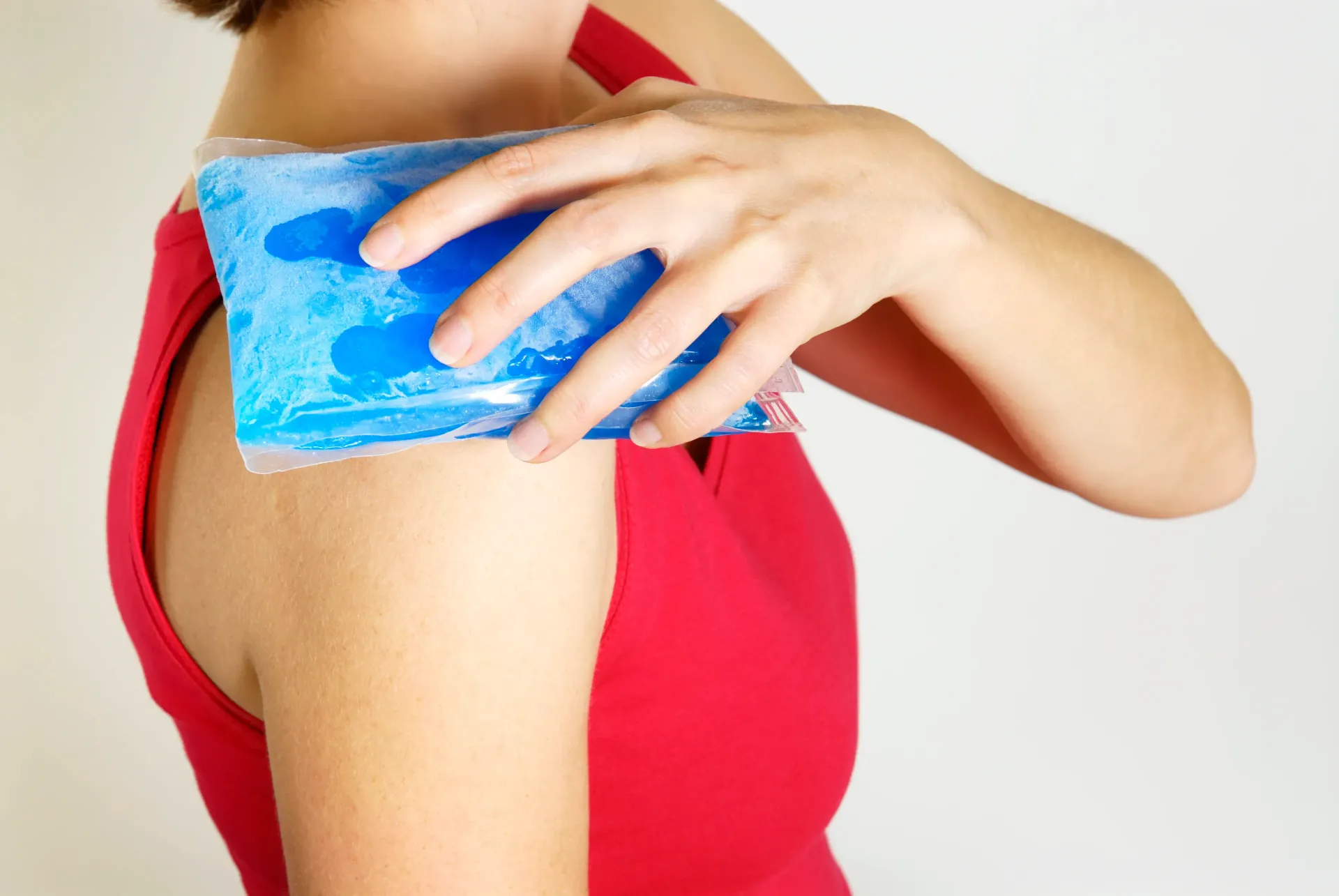
When we apply ice or take anti-inflammatory medications, we're suppressing exactly the response the body needs to heal efficiently. Swelling is uncomfortable and should be managed, but eliminating inflammation entirely slows the repair process down.
Prolonged rest has similar problems. While protecting an injury in the acute phase is important, extended immobilisation leads to muscle weakness, reduced blood flow and slower recovery.
Introducing PEACE & LOVE
The PEACE & LOVE framework was developed to replace RICE with a more evidence-based approach — one that works with the body's natural healing processes rather than against them.
It's split into two phases: PEACE for the immediate management period, and LOVE for the rehabilitation phase that follows.
PEACE —
Immediate Management (First 48–72 Hours)
- P - Protection Avoid movements and activities that increase pain in the first 48 to 72 hours. This doesn't mean complete rest — it means protecting the injured area from further aggravation while the initial healing response gets underway.
- E - Elevation Elevate the injured limb above heart level as much as possible. Gravity helps drain excess fluid from the area, reducing swelling and discomfort.
- A - Avoid anti-inflammatories This is the part that surprises most people. Anti-inflammatory medications like ibuprofen interfere with the body's natural inflammatory healing response. In the early stages of injury, this can slow tissue repair. Ice has a similar effect. Unless pain is severe and unmanageable, it's worth reconsidering reaching for both automatically.
- C - Compression Use an elastic bandage or taping to compress the injured area. This helps manage excessive swelling and provides some structural support without suppressing the healing process entirely.
- E - Education Trust your body's ability to heal. Seek appropriate professional guidance, but avoid the trap of over-medicalising a straightforward soft tissue injury. Unnecessary passive treatments, excessive imaging and high levels of anxiety about an injury can all slow recovery. Understanding what's happening and having a clear plan helps enormously.
LOVE —
The Rehabilitation Phase
- L - Load Once the acute phase has settled, gradually reintroduce load to the injured area. Let pain guide you — some discomfort during rehabilitation is normal and expected, but sharp pain or significant increases in swelling are signs to back off. Progressive loading stimulates tissue repair and builds strength.
- O - Optimism This one is backed by solid research. A positive, confident mindset genuinely influences recovery outcomes. People who catastrophise their injury or expect the worst tend to recover more slowly. This isn't about dismissing pain — it's about approaching recovery with realistic confidence that you will get better.
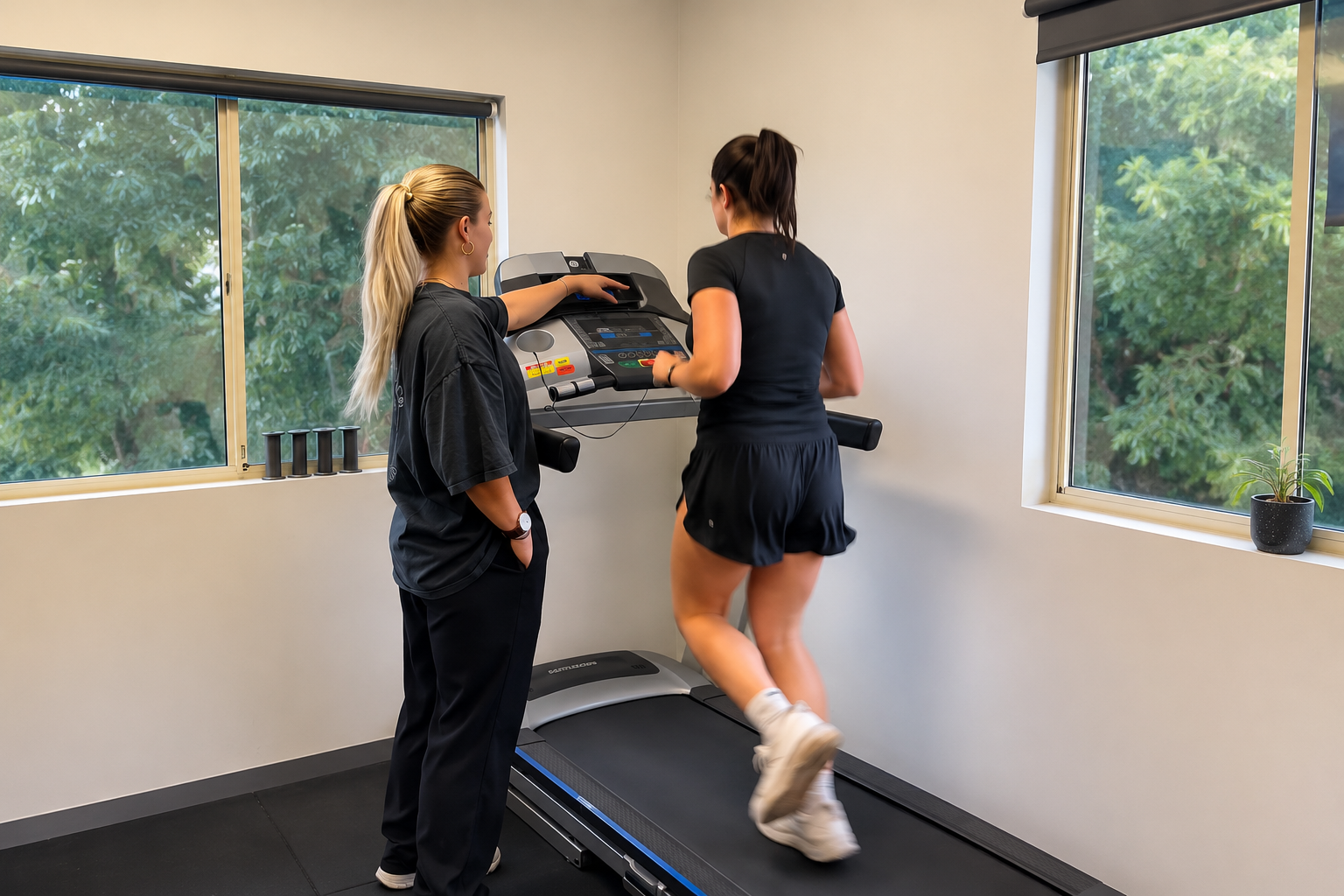
- V - Vascularisation Get blood moving to the injured area through pain-free cardiovascular activity. This doesn't have to be intense — even gentle cycling, swimming or walking promotes circulation, delivers nutrients to healing tissue and maintains fitness during recovery.
- E - Exercise Active rehabilitation — not passive rest — is how you restore full function. Appropriate exercises rebuild strength, restore mobility and improve proprioception (your body's sense of position and movement), which is particularly important for joint injuries like ankle sprains where instability can become a longer-term problem.
What This Means in Practice...
If you roll your ankle at training tonight, here's what the evidence now suggests:
- Compress and elevate it, don't ice it for extended periods
- Keep moving as much as pain allows — don't just sit on the couch
- Avoid anti-inflammatories for the first few days if you can manage without them
- Get assessed by a physio to understand what you're dealing with and get a clear rehabilitation plan
- Start gentle loading and movement early, progressing gradually
This approach consistently leads to faster, more complete recoveries than prolonged rest and ice.
A Note on Serious Injuries
PEACE & LOVE applies to acute soft tissue injuries — muscle strains, ligament sprains, contusions and similar. If you suspect a fracture, complete tendon rupture, significant joint injury or you're in severe pain, seek medical assessment promptly. Some injuries require imaging and specialist management that goes beyond what any self-management protocol can address.
We're Here to Help
Understanding the best approach to injury recovery has changed significantly in recent years — and it will keep evolving as research develops. At Active Balance we stay current with the evidence so that the advice we give you is always grounded in what actually works.
If you've had a recent injury and want to know the best way to manage it, or you're stuck in a recovery that isn't progressing the way it should,
book online or call us on (08) 7123 4148.