Injury Prevention
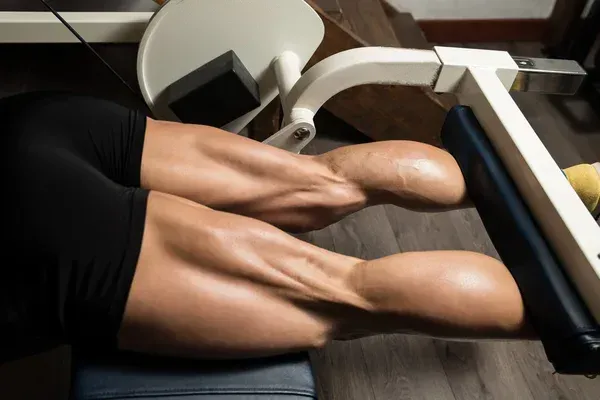
- The hamstrings play a key role in stabilising the knee joint, as well as maintaining the hip and torso positioning.
- If the hamstrings are under-developed and quadriceps over-developed, there will be an increased injury risk to both the hamstrings directly and the knee joint.
- The hamstrings play a role in deceleration ability, which for anybody involved in high speed running sports or change of direction, this is important.
Performance
- Due to their role in hip extension and knee flexion, they are among the muscles responsible for our ability to run fast. With the glutes, they help propel you forward and also play a large role in deceleration. This means the stronger your hamstrings, the greater your ability to stop and change direction – key aspects of sports performance.
- Everyday life and activities
- Whilst we understand not everyone is interested in boosting performance for sports, greater hamstring strength offers improvements in overall posture, and makes tasks such as standing up from sitting, climbing stairs or bending down to pick things up easier.
A common complaint in the majority of the adult population are “tight, inflexible” hamstrings.
Whilst it can feel like the hamstrings are tight and need to be stretched – often this is your brain’s way of protecting the hamstrings or other joints as the muscle is not strong enough to support it in the range you want it to be (i.e lengthened). Therefore it will give the notion of “tightness”. Whilst static stretching can have it’s place, this will ultimately not build strength through range of motion and the body will continue to protect against putting your body in a vulnerable position. Therefore it is often simply weakness and instability that gives this feeling of “tightness”.
To then reduce this, instead of doing countless stretches, a more effective intervention is to strengthen these.
Because the hamstrings cross both the knee and hip joint, it is important to train it in different ways.
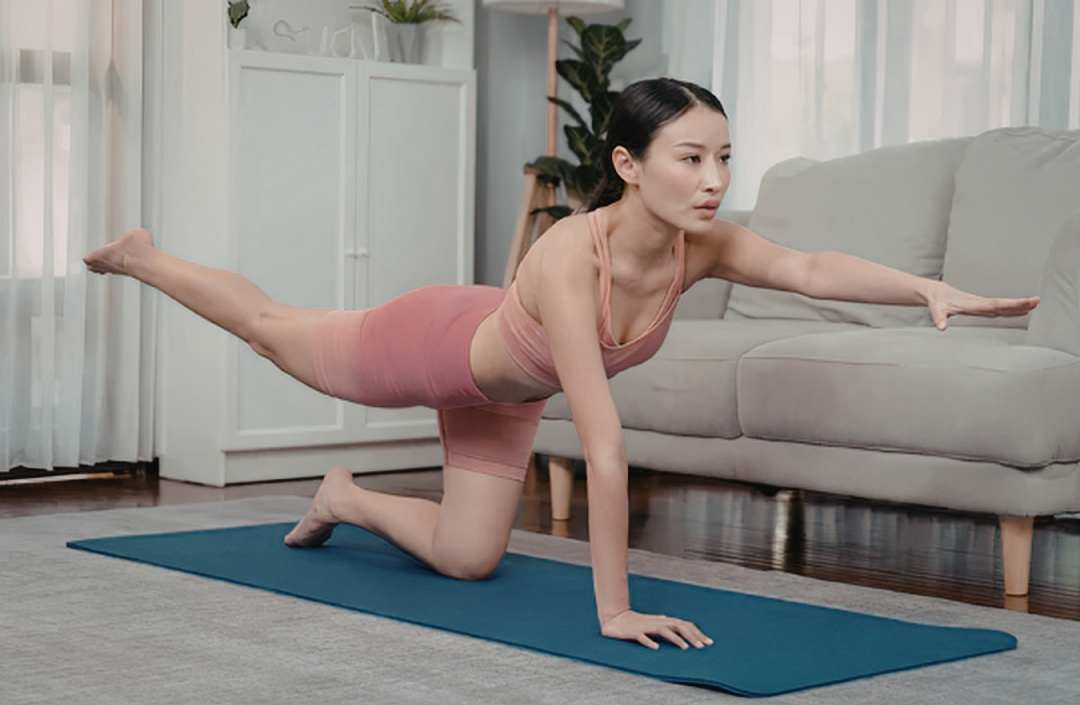
Some effective exercises that you can typically complete at home with little equipment:
- Nordic hamstring (knee flexion)
- Exercise ball hamstring curls – (knee flexion with hip extension)
- These can be done with cables, theraband or also sliders.
- This exercise adds an element of stability and core.
- Heel slides
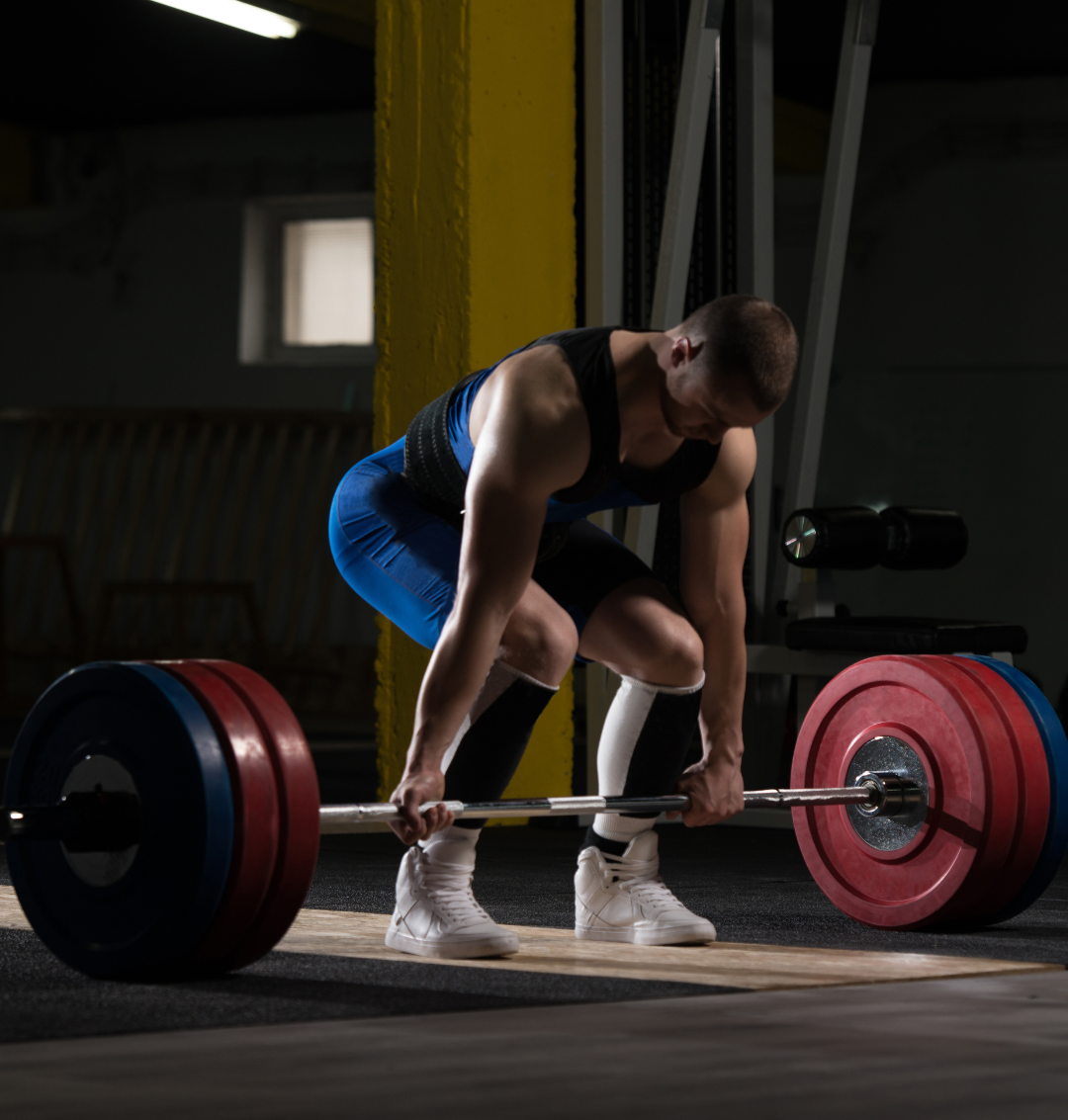
- Romanian deadlifts (hip extension)
- Lying banded hamstring curl
There are a multitude of exercises that you can do to strengthen the hamstring, but here are just a few that load it in different ways.
If you have ongoing tight hamstrings or constantly getting hamstring strains and not sure where to start on your journey, at Active Balance we can help! Contact us for further direction!